Key Takeaways
-
Teeth naturally drift back toward their original positions after treatment, so retainers are needed to hold your results in place.
-
Bone and gum tissues need several months to stabilize around newly moved teeth, and a retainer provides steady support during this period.
-
Wear schedules are set by your orthodontist: most patients start with near-constant wear, then move to nighttime wear, often long-term.
-
Teeth can shift throughout life, so long-term nightly retainer wear is often recommended to maintain alignment.
-
A retainer that feels tight or no longer fits is a sign teeth have moved; contact your orthodontist promptly rather than forcing it in.
-
Removable retainers only work when worn, while fixed retainers provide constant support but require careful cleaning and regular checkups.
You finally did it. The braces are off, or your last clear aligner tray is in the recycling bin, and you’re grinning at every mirror you pass. Then your orthodontist hands you a small plastic case and says, “Now the retainer part begins.” Many people wonder if that’s really necessary. After all, haven’t your teeth already been moved?
Here’s the honest answer: why retainers are needed after orthodontic treatment comes down to one simple fact. Teeth like to drift back toward where they used to be. Your results are real, but they are not yet locked in. Retainers are the safety net that keeps all your hard work in place.
In this friendly guide, we’ll walk through what retainers do, how long you may need them, which types exist, and how to care for yours. Whether you’re a parent helping a teen, an adult who hates the idea of doing it all over again, or someone who had braces years ago, you’ll find clear, simple answers here.
What Is a Retainer, and What Does It Do?
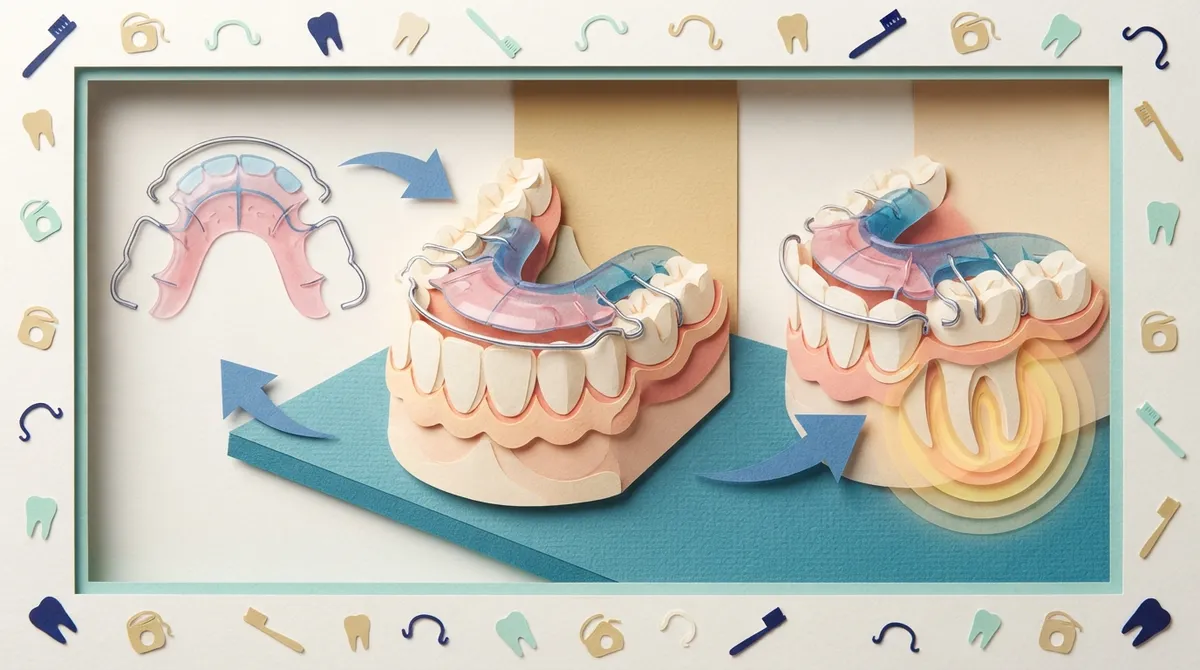
A retainer is a custom-made appliance that holds your teeth in their new, corrected positions after active orthodontic treatment. Think of it as the final phase of your care, not an optional extra. The American Association of Orthodontists describes retainers as a routine last step of treatment.
Braces and aligners do the moving. Retainers do the holding. Without that hold, your teeth are free to wander.
Here is what a retainer helps you do:
- Keep teeth in their corrected positions
- Reduce the risk of relapse, which is the tendency of teeth to move back toward their old spots
- Support your bone and gums while they adapt to the new tooth positions
- Protect the time, effort, and money you invested in your smile
Why Retainers Are Needed After Orthodontic Treatment
Let’s get to the heart of it. There are a few clear reasons your orthodontist asks you to wear a retainer, and they all work together.
Your Bone and Gums Need Time to Adapt
When braces or aligners move a tooth, the bone around it changes. The tooth is not simply sitting in a hole like a peg. It is held by a network of fibers and bone that must reshape around the new position. That process takes time.
Right after treatment, those supporting tissues are still settling. A retainer gives them steady support while they stabilize. It’s a bit like holding a freshly set cast in place while it dries. Move too soon, and things slip.
Teeth Have a Memory
Teeth naturally tend to shift back toward where they started. This is called relapse. The gum fibers around your teeth can act a little like stretched rubber bands, gently pulling teeth back. A retainer holds everything steady so that pull doesn’t win.
Teeth Keep Moving Throughout Life
Here’s something that surprises many people. Even if you never had braces, your teeth can shift over time. Normal age-related changes, chewing forces, and other everyday factors can slowly nudge teeth around.
That is why retention is often a long-term commitment. A retainer does not permanently stop all future tooth movement, but wearing it as your orthodontist advises is the best way to keep your alignment for as long as you want it.
What Happens If You Stop Wearing Your Retainer?
We hear this question a lot, and we never want to scare anyone. Still, it helps to know what can happen.
If you skip your retainer for long stretches, you may notice:
- Small gaps starting to reopen
- Slight crowding, especially in the lower front teeth
- A bite that feels a little different
- A retainer that feels tight or no longer fits
That last one is an important clue. A tight retainer can be a sign that teeth have moved. Please don’t force a painful or ill-fitting retainer into your mouth. Contact your orthodontist instead so they can check what’s going on.
For adults who had braces years ago and notice their smile changing, you are far from alone. Many patients come to us for retreatment after relapse, and the good news is that it can often be corrected. If that sounds like you, our adult treatment options are a great place to start learning what’s possible.
Types of Retainers: Which One Is Right for You?
Not every retainer looks the same. The best type depends on your treatment, your teeth, and your lifestyle. Your orthodontist will recommend the right fit for you. You can read more about the options on our retainers page.
| Retainer Type | How It Works | Pros | Things to Keep in Mind |
|---|---|---|---|
| Clear plastic (removable) | A clear tray that fits over your teeth | Discreet, easy to wear, familiar if you used aligners | Must be worn consistently and cleaned daily |
| Wire-and-acrylic (removable) | A wire across the front teeth with an acrylic plate | Durable, can be adjusted by your orthodontist | More noticeable, can take time to get used to |
| Fixed (bonded) | A thin wire bonded behind the teeth | Works around the clock, nothing to remember | Needs careful cleaning and regular checks for damage |
Removable Retainers
Removable retainers come out for eating, brushing, and cleaning. They are simple and flexible, but they only work when they’re actually in your mouth. That makes consistency the whole game.
Fixed Retainers
A fixed retainer is bonded behind your teeth and stays put. It provides continuous support, which is great for teeth that are especially likely to shift. The tradeoff is that you need to clean around it with care, and it should be checked at regular visits for any damage or effects on your teeth and gums.
Some patients even use both types, depending on their needs. There is no one-size-fits-all answer, so follow the plan your orthodontist builds for you.
How Long Do You Need to Wear a Retainer?
This is the question everyone wants answered. The truthful answer is that it depends on you. Wear schedules vary from person to person, and the plan should come from your treating orthodontist rather than a generic chart.
That said, here is a common pattern many patients follow:
- The early phase: You may be asked to wear a removable retainer most of the day and night, taking it out for eating and cleaning. This gives your teeth and supporting tissues the most help while they are the most unstable.
- The transition phase: After your orthodontist checks your progress, you may move to nighttime wear only.
- The long-term phase: Many patients are advised to keep wearing a retainer at night for as long as they want to keep their alignment. Some hospital guidance, for example, describes nightly wear during the first year followed by alternate nights, while stressing that schedules differ by case.
So, do you have to wear a retainer for life? Often, long-term wear is recommended because teeth can shift throughout life. The good news is that for many people, this becomes just a few hours a night, like brushing your teeth before bed.
Retainers for Different Patients
Retainers matter for everyone, but the way you think about them may change depending on your stage of life.
For Parents of Kids and Teens
Teens are busy, and retainers get lost in lunch trays and gym bags. If you’re a parent, a little routine goes a long way. Pick a spot in the bathroom for the case, tie wear to bedtime, and remind your teen that the retainer protects the braces they just spent months in. If your child is just starting out, our guide on adolescent treatment explains what to expect from start to finish.
For Teens and Young Adults
Big events like graduation, prom, or a first job are exciting, and your smile is part of the picture. Wear your retainer so that the smile you worked for is still there when it counts. A clear retainer is almost invisible, so it fits right into a busy social life.
For Working Professionals
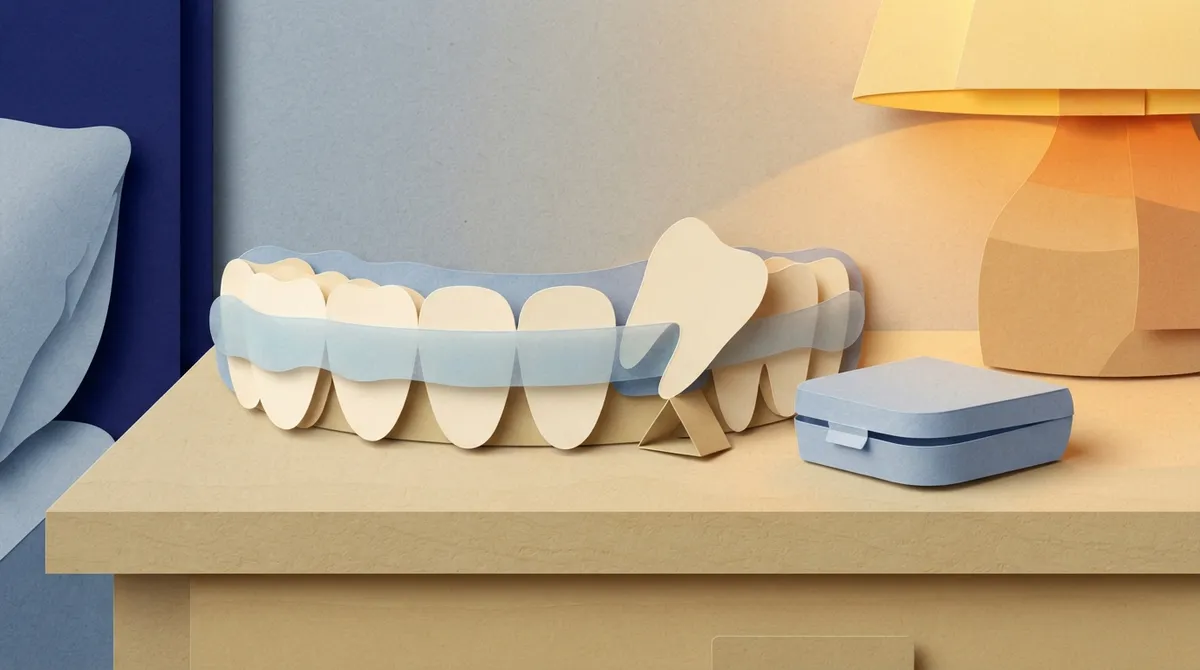
If your schedule is packed, nighttime wear is easy to build into your routine. Keep your case in your nightstand and your travel kit. A small habit now can save you from a second round of treatment later.
For Health-Conscious Patients
If you care about your oral health, retainers support more than looks. Teeth that stay in good alignment are easier to clean. If you have gum concerns or a complex dental history, ask your orthodontist which retainer is gentlest and safest for you.
How to Care for Your Retainer
A retainer only works if it’s clean, undamaged, and on your teeth. Here are simple habits that keep it in great shape.
- Clean your retainer daily with a soft brush and mild soap, or the cleaner your orthodontist recommends
- Rinse it after taking it out
- Keep it away from heat, since hot water or a hot car can warp it
- Always store it in its case, never wrapped in a napkin
- Keep it away from pets, who love to chew on them
- Bring it to your appointments so it can be checked
For fixed retainers, flossing takes a little extra effort. Ask your orthodontic team to show you the best way to clean behind your teeth, such as using a floss threader. Our post on how to wear a retainer after braces and keep your smile has more tips you can use right away.
What to Do If Your Retainer Breaks, Gets Lost, or Feels Wrong
It happens to nearly everyone at some point. Don’t panic. The most important thing is to act quickly, because teeth can start to shift in just days when they are not supported.
If your retainer becomes loose, damaged, painful, or no longer fits, contact an orthodontist or dentist promptly. Please do not try to bend it back or glue it. If a fixed wire comes loose or pokes your tongue, call the office right away. Our quick guide on what to do if your retainer breaks walks you through the first steps.
The sooner you get a replacement, the easier it is to protect your results.
Why Choose Brockway Orthodontics for Retention Care
At Brockway Orthodontics in Clearwater, Florida, retainers are part of your plan from day one. Dr. Chelsea Brockway takes the time to explain your options in plain language, so you know exactly what to expect and why each step matters. Our team uses modern tools like digital impressions and 3D imaging, so there are no messy molds, and your retainer fits comfortably. In certain cases, we can even offer same-day options so you never go long without protection.
We care for the whole family, from kids to adults. Whether you finished treatment with metal braces, ceramic braces, or Spark™ Clear Aligners, we’ll help you choose a retention plan that fits your life. Want to see what our patients think? You can visit us on Google — Brockway Orthodontics to read reviews from local families. We also encourage you to check trusted resources like the American Dental Association for general oral health guidance, and the Florida Association of Orthodontists to learn more about orthodontic care in our state.
Key Takeaways
- Retainers hold your teeth in their corrected positions after braces or aligners
- Your bone and gums need time to stabilize around the new tooth positions
- Teeth can shift throughout life, so long-term wear is often advised
- Removable and fixed retainers both work well when matched to your needs
- Follow your orthodontist’s specific schedule rather than a generic one
- Contact your orthodontist quickly if your retainer breaks, is lost, or feels tight
Protect Your Smile Today
Your new smile took time, patience, and effort. A retainer is the simple, everyday habit that protects all of it. It is far easier to wear a retainer than to repeat treatment, and we promise your future self will thank you.
If you have a new retainer to pick up, an old one that no longer fits, or a smile that has started to shift, we would love to help. Book your appointment online and let Dr. Brockway and our friendly team get you back on track with a retention plan that fits your life.
FAQs
Q: Why do I need to wear a retainer after braces or clear aligners?
A: Your teeth tend to drift back toward their old positions, and the bone and gums around them need time to settle. A retainer holds everything steady during that time and helps lower the risk of relapse. Think of it as the finishing step that protects all your hard work.
Q: Do I have to wear my retainer for life?
A: Teeth can shift throughout life, so many orthodontists recommend long-term wear, often just at night. The exact plan is personal, so follow the schedule Dr. Brockway gives you. For most people, it becomes an easy bedtime habit.
Q: What happens if I stop wearing my retainer?
A: Your teeth may slowly shift, which can bring back small gaps, crowding, or a changed bite. If your retainer feels tight or stops fitting, that can be a sign of movement, so reach out to your orthodontist rather than forcing it in. The sooner we see you, the easier it is to fix.
Q: Which is better: a fixed retainer or a removable retainer?
A: Neither is better for everyone. Fixed retainers give nonstop support but need extra cleaning care, while removable ones are easy to clean but only work when you wear them. Your orthodontist will pick the best fit based on your treatment and your teeth.
Q: What should I do if my retainer feels tight or no longer fits?
A: Don’t force it, especially if it hurts. A tight retainer can mean your teeth have moved, so contact an orthodontist or dentist promptly to have it checked and, if needed, replaced or adjusted.
Our Service Area