Key Takeaways
-
A permanent bottom retainer is a thin wire bonded to the back of your lower front teeth that works 24/7 without requiring daily compliance, making it ideal for patients with high relapse risk who struggle with removable retainer discipline.
-
Failure rates for bonded retainers range from 9-14% when attached to all six lower incisors, but jump to 13-38% when bonded only to canines, so discuss wire placement strategy with your orthodontist before treatment.
-
Proper hygiene is critical: use a floss threader or water flosser to clean under the wire, angle your toothbrush behind it, and visit your dentist regularly, since research shows good oral hygiene prevents gum problems and cavities around fixed retainers.
-
Contact your orthodontist immediately if you notice a loose or wiggly wire, bent sections, or shifting teeth—delaying repair by even a week or two can allow unwanted tooth movement that's harder to correct.
-
Many orthodontists recommend combining a permanent bottom retainer with a removable night retainer as a backup plan for upper teeth and additional stability, rather than relying on the fixed wire alone.
-
Repairs and replacements of permanent retainers are usually affordable compared to correcting relapse with new orthodontic treatment, and many practices offer flexible payment options to make long-term retention care accessible.
So you just got your braces off, or maybe you finished up your clear aligner treatment, and your orthodontist mentioned a “permanent bottom retainer.” Sounds a little mysterious, right? Don’t worry, we’ve got you covered. This little wire behind your lower front teeth is one of the best tools in orthodontics for keeping your smile exactly where it belongs. At Brockway Orthodontics, we talk to patients every week who have questions about this small but mighty piece of hardware, and we love walking them through exactly what it is and why it matters.
Whether you’re a parent trying to protect your teen’s new smile, an adult who just finished treatment, or someone dealing with relapse after years without a retainer, this guide is for you. We’re breaking down everything you need to know about permanent bottom retainers in plain, friendly language. Let’s dive in.
1. What Exactly Is a Permanent Bottom Retainer?
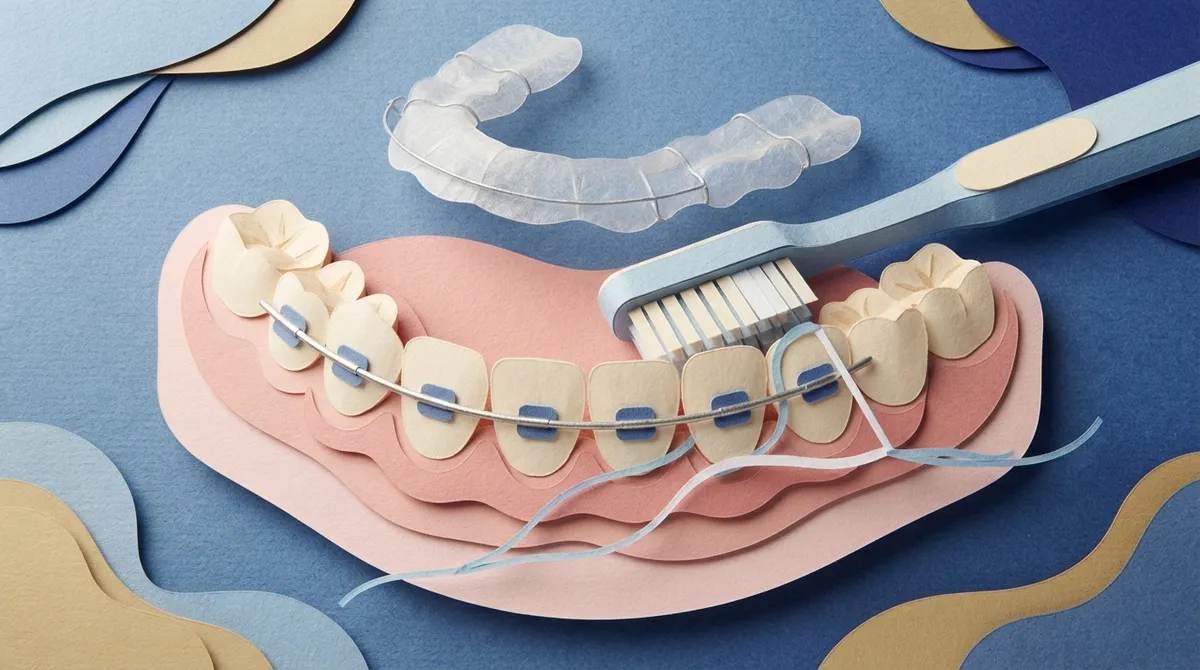
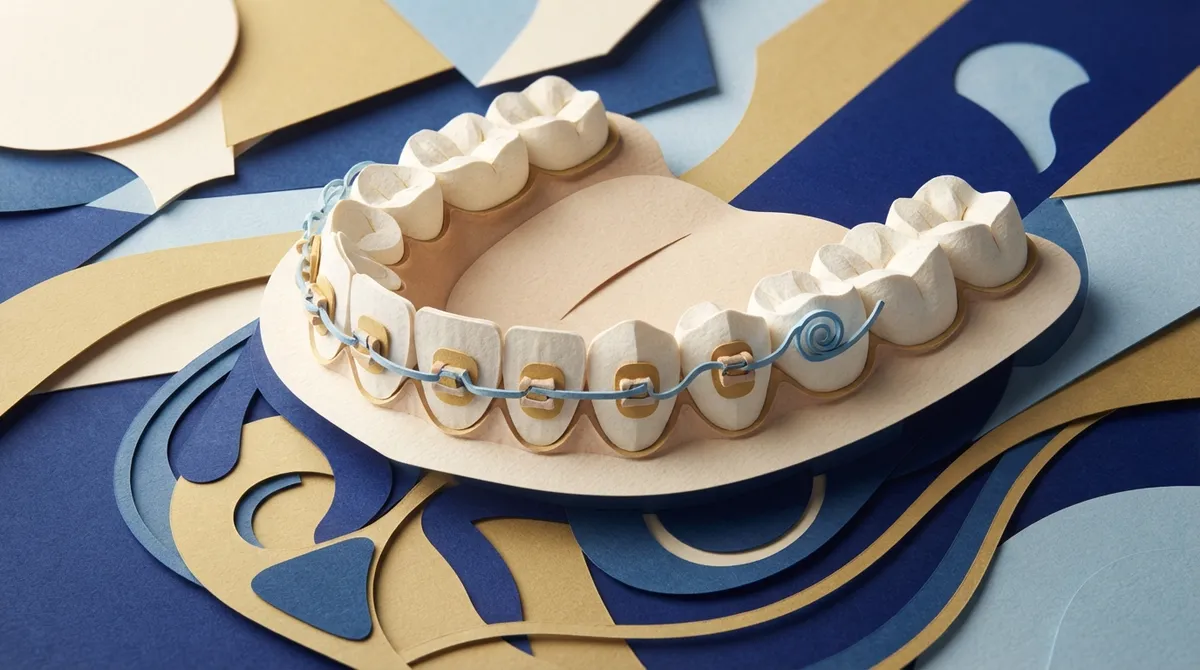
A permanent bottom retainer is a thin wire bonded to the back of your lower front teeth. Dentists sometimes call it a fixed mandibular retainer or a bonded lingual retainer. It’s usually attached to the six lower front teeth, though sometimes it only connects the canines (the pointy teeth).
The wire sits on the inside of your teeth, so nobody can see it when you smile or talk. It’s held in place with a strong dental adhesive, similar to what’s used for braces brackets. Once it’s bonded, it stays there quietly doing its job, day and night, without you having to think about it.
2. Why Do Orthodontists Recommend Them?
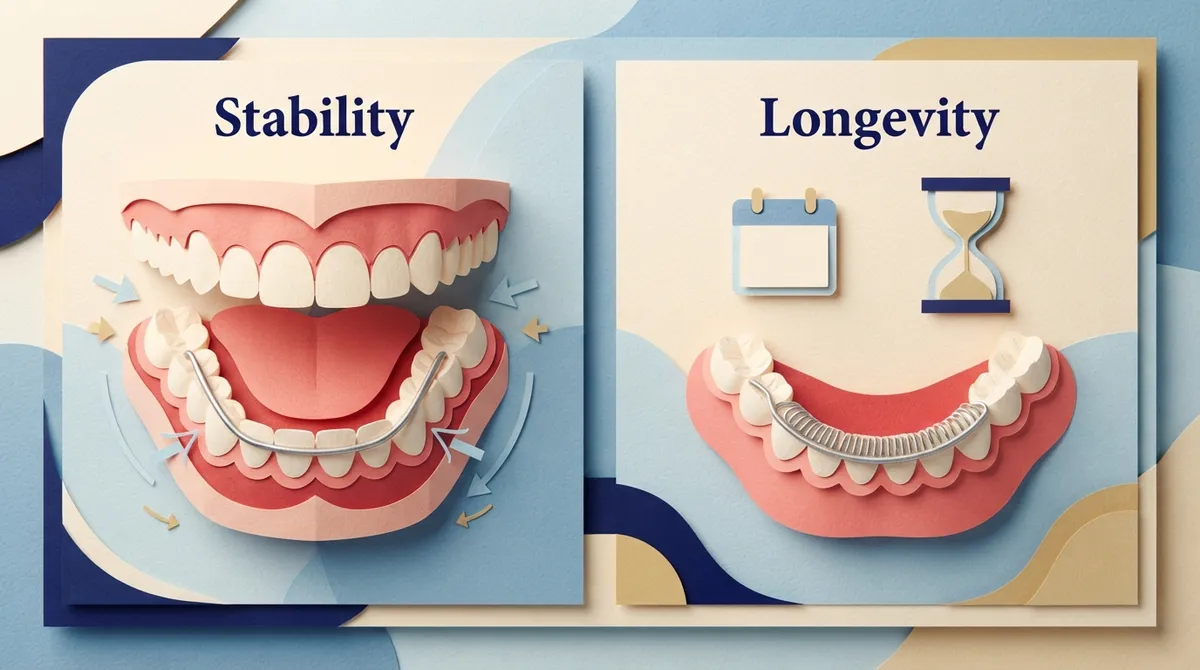
Teeth are sneaky. Even after your braces come off or your Spark™ Clear Aligners treatment ends, your teeth can slowly drift back toward their old positions. This is called relapse, and it happens because of natural aging, gum tissue changes, and the everyday pressure from chewing and talking.
A permanent bottom retainer helps fight this shifting by holding your lower front teeth firmly in place. It works around the clock, which is a huge advantage. You don’t have to remember to put it in every night like you would with a removable retainer. For patients who had significant crowding before treatment, this steady support can make a real difference in keeping that hard-earned straight smile.
3. How Long Does a Permanent Bottom Retainer Actually Last?
Here’s something important: “permanent” doesn’t always mean forever. Many patients wear their bonded retainer for years, even decades, without any issues. Others might need a repair or replacement sooner.
The wire can loosen, bend, or break over time. Things like biting into hard foods, grinding your teeth at night, or just normal wear and tear can affect it. That’s why regular checkups with your orthodontist matter so much. During your visit, we’ll check the wire and bonding to make sure everything is holding strong.
4. The Real Benefits and Drawbacks
Like anything in life, a permanent bottom retainer has its ups and downs. Let’s break it down so you know exactly what to expect.
| Benefits | Drawbacks |
|---|---|
| Works continuously, no daily compliance needed | Requires more careful brushing and flossing |
| Great for patients with high relapse risk | Can trap plaque or food particles near the wire |
| Invisible when you smile or talk | May feel odd against your tongue at first |
| No risk of losing it (unlike removable trays) | Wire can loosen, bend, or break unexpectedly |
| No extra step in your morning or night routine | Needs professional repair, not DIY fixes |
5. What the Research Actually Shows
We like to base our recommendations on real evidence, not just guesswork. A 2019 review of fixed orthodontic retainers found failure rates between about 9% and 14% for retainers bonded to all six lower incisors. Retainers bonded only to the canines had higher failure rates, ranging from 13% to nearly 38%.
A more recent 2023 critical review found that fixed retainers tend to do a great job keeping your front teeth aligned during the first six months after treatment. Interestingly, over the long run, they didn’t show a big difference compared to removable retainers for some other measurements. A 2025 systematic review echoed this, finding that both bonded and removable retainers tend to perform similarly well after 12 to 24 months, though bonded retainers may have an edge in the first several months.
These numbers might sound a little all over the place, and that’s because retainer success really depends on the wire type, bonding technique, and how well you take care of it. This is exactly why we recommend following your orthodontist’s specific care instructions instead of general advice you might find online.
6. How to Clean and Care for Your Permanent Bottom Retainer
Cleaning around a fixed wire takes a little extra effort, but it’s totally doable once you get the hang of it. Here’s a simple step-by-step routine we recommend to our patients:
- Brush like normal, but angle your toothbrush to reach behind the wire, not just around it.
- Use a floss threader or orthodontic floss to slide floss underneath the wire between each tooth.
- Try an interdental brush, which looks like a tiny bottle brush, to clean tight spots the floss might miss.
- Consider a water flosser for an easier, faster way to blast away food particles and plaque.
- Rinse with an antibacterial or fluoride mouthwash to help protect your gums and enamel.
- Visit your dentist regularly for professional cleanings, since some buildup is tough to remove at home.
It sounds like a lot, but most patients find it becomes second nature within a few weeks. Think of it as brushing your teeth with a tiny bit more patience and attention.
7. Common Problems and Warning Signs
Even the best-bonded retainers can run into trouble. Here are the signs that mean it’s time to call your orthodontist:
- The wire feels loose or wiggly when you touch it with your tongue
- You notice a sharp edge poking your tongue or the inside of your mouth
- The wire looks bent or twisted compared to how it usually sits
- One or more teeth suddenly feel like they’re shifting position
- You see a gap between the wire and the back of a tooth
- Part of the retainer has visibly come loose from a tooth
If you notice any of these signs, don’t try to fix it yourself. Bending or removing the wire on your own can actually cause your teeth to shift in ways you don’t want. Give us a call right away, and we’ll get you scheduled for a quick repair. Delaying it, even for a week or two, can allow your teeth to start moving.
8. Can It Cause Gum Problems or Cavities?
This is one of the most common questions we hear, and it’s a fair one. Research on this topic is a bit mixed. A review of 10 studies comparing people with fixed retainers to those without found that three studies reported worse gum health with fixed retainers, while seven found no negative effects at all.
The takeaway? With good hygiene habits, most patients do just fine. The key is staying consistent with brushing, flossing, and regular dental visits. According to the American Dental Association, consistent oral hygiene combined with professional cleanings is one of the best ways to prevent plaque buildup around any dental appliance, including retainers.
9. Do You Still Need a Removable Retainer Too?
Here’s something that surprises a lot of patients: having a permanent bottom retainer doesn’t always mean you’re off the hook for a removable one. Depending on your bite, your original tooth movement, and your risk of relapse, we might recommend wearing a removable retainer at night as extra insurance.
Think of it like a backup plan. The fixed wire handles the day-to-day stability, while the removable retainer offers additional support, especially for your upper teeth or other areas the bonded wire doesn’t cover. Every mouth is different, so this decision really comes down to your specific treatment history and goals. Our team can walk you through the best plan during a first visit or follow-up consultation.
10. What About Cost and Replacement?
Replacing or repairing a permanent bottom retainer is usually much more affordable than you’d expect, especially compared to the cost of new orthodontic treatment if your teeth shift back. Prices can vary based on the type of repair needed, whether it’s re-bonding a section of wire or replacing the whole thing.
Many practices, including ours, offer flexible payment options to make retainer care easy on your wallet. If you’re worried about the cost of a repair, check out our financing and insurance options to see what might work for your budget. We believe cost should never stand between you and a healthy, stable smile.
Choosing the Right Retention Plan for Your Smile
There’s no single “best” retainer for every patient. Some people do wonderfully with a permanent bottom retainer alone. Others need a combination approach. The right choice depends on your bite, your periodontal health, how your teeth moved during treatment, and honestly, your lifestyle and habits.
This is why working with an experienced orthodontist matters so much. At Brockway Orthodontics, we take time to understand your unique situation before recommending a retention plan. We also stay on top of the latest research from trusted groups like the Florida Association of Orthodontists to make sure our recommendations reflect current best practices in the field.
Why Clearwater Families Trust Brockway Orthodontics
Dr. Brockway and our team have built our practice around genuine care for every patient who walks through our doors. Whether you’re a teenager just starting adolescent treatment, an adult considering adult orthodontic options, or someone dealing with relapse and looking to start fresh, we’re here to guide you every step of the way.
We use modern technology like digital impressions and 3D imaging to make your experience smoother and more comfortable. And because we know life gets busy, we offer same-day treatment options whenever possible. Curious what other patients think? You can visit us on Google — Brockway Orthodontics to read real reviews from our Clearwater community. You can also follow along on Instagram or connect with us on Facebook for smile tips, patient stories, and updates from our office.
Your Next Step Toward a Lasting Smile
A permanent bottom retainer is a small investment that protects years of hard work on your smile. Whether you’re finishing treatment soon or already dealing with a loose wire, our team at Brockway Orthodontics is ready to help. We proudly serve patients throughout Clearwater, Florida, offering everything from traditional braces to modern clear aligner options and long-term retention care.
Ready to protect your smile for the long haul? Book your appointment online today, or feel free to get in touch with our team if you have questions about your current retainer or upcoming treatment. We can’t wait to help you keep that beautiful smile shining for years to come.
FAQs
Q: How long does a permanent bottom retainer last?
A: It really depends on the person! Many patients wear theirs for years or even decades without a hitch. Others might need a repair sooner if the wire loosens or breaks. Regular checkups with your orthodontist help catch any issues early, so your retainer keeps doing its job.
Q: Can a permanent lower retainer be removed?
A: Yes, an orthodontist can remove it if needed, though it’s not something you should ever try at home. If you and your orthodontist decide it’s time to take it out, the process is quick and simple in the office. Just don’t attempt a DIY removal, since that can lead to unwanted tooth movement.
Q: How do you clean and floss around a permanent bottom retainer?
A: A floss threader, orthodontic floss, or a handy water flosser can all help you clean underneath the wire. It takes a little practice at first, but most patients get comfortable with it within a few weeks. Don’t forget to keep up with regular dental cleanings too, since they catch spots you might miss at home.
Q: What should I do if my permanent retainer comes loose or breaks?
A: Call your orthodontist right away instead of waiting it out. A loose or broken wire can allow your teeth to shift, sometimes faster than you’d expect. We always recommend getting it checked promptly so we can fix it before any real movement happens.
Q: Is a permanent retainer better than a removable retainer?
A: Honestly, there’s no single winner here. Fixed retainers work great because you don’t have to remember to wear them, but they do require careful cleaning. Removable retainers are easier to clean but depend on you actually wearing them consistently. Your orthodontist can help you figure out which option, or combination, fits your smile best.
Our Service Area