Key Takeaways
-
Mixed dentition is the stage when baby and permanent teeth coexist, usually between ages 6 and 12, and the timing varies widely; early or late starts can both be perfectly healthy.
-
The American Association of Orthodontists suggests a first orthodontic check-up around age 7, and an early visit is about looking and planning, not necessarily starting braces.
-
Don't mistake the first permanent molars (around age 6) for baby teeth; they have deep grooves and must be brushed, flossed, and possibly sealed to last a lifetime.
-
If a baby tooth is lost too early, nearby teeth may drift into the space; have a dentist or orthodontist check it, as a space maintainer may be needed. Don't force teeth into place at home.
-
Not every bite quirk needs braces now, since many teeth settle on their own; let loose baby teeth fall out naturally and watch for crowding, crossbite, or retained baby teeth.
Have you ever looked at your child’s smile and thought, “Wow, that looks like a jumble of teeth!” Don’t worry. You are not alone, and your child’s mouth is probably doing exactly what it should. So, what is mixed dentition? It is the stage when a child has both baby teeth and permanent teeth at the same time. It usually happens between ages 6 and 12, and it can look a little wild.
This stage is full of change. Teeth wiggle, fall out, and make way for new ones. The bite shifts. The jaw grows. It’s also a time when small missteps can slip by unnoticed. Parents often wonder what is normal, what needs a closer look, and what can wait.
In this friendly guide, we will explain what mixed dentition is and walk through five common mistakes families make during this stage. You’ll learn what is happening in your child’s mouth, why timing matters, and how an orthodontist can help you feel confident about each step. Think of this as a calm chat with a helpful friend.
What Is Mixed Dentition? A Simple Explanation
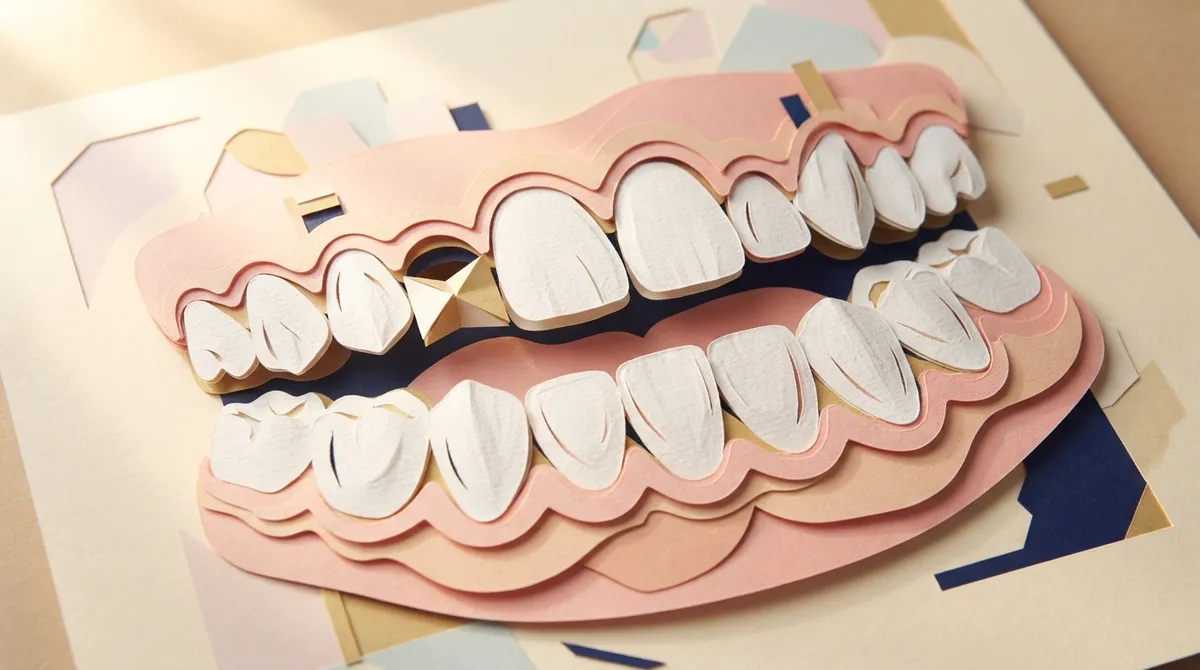
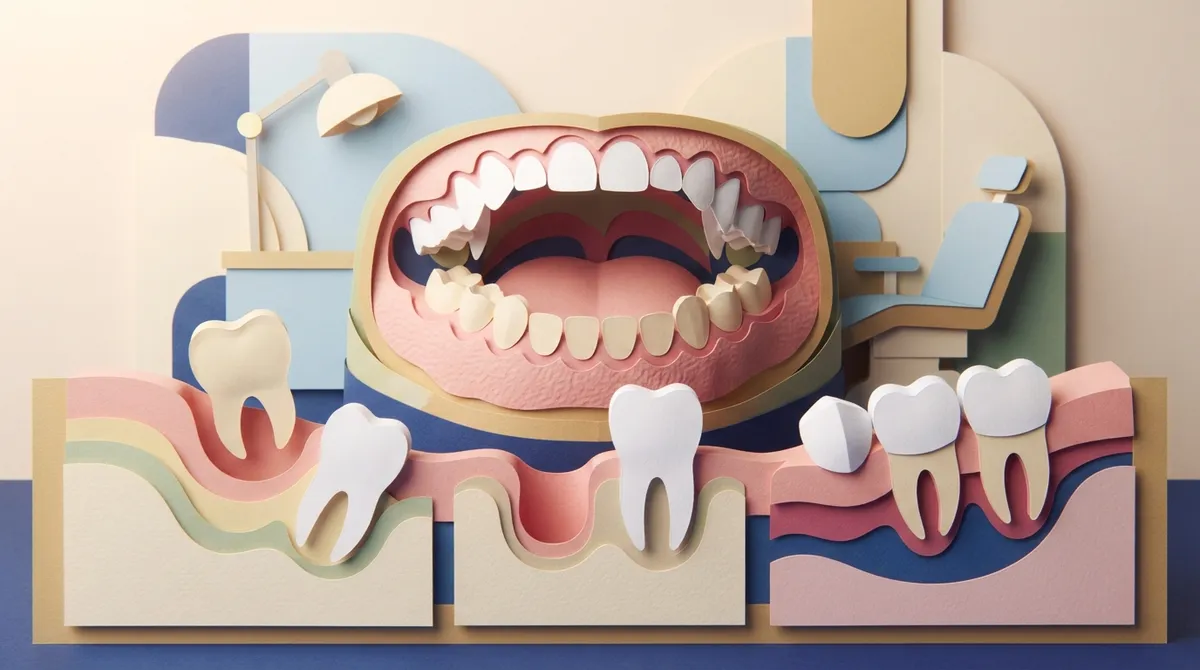
Mixed dentition is the developmental stage when primary (baby) teeth and permanent teeth are in the mouth together. The American Association of Orthodontists describes it as happening from about ages 6 to 12. That range is an approximate guide, not a strict schedule. Every child grows at their own pace.
The stage generally begins when the first permanent tooth comes in. This is often a first permanent molar or a lower front tooth. It ends when the last baby tooth falls out. Some kids start early, and some start late. Both can be perfectly healthy.
Early and Late Mixed Dentition
Orthodontists often split this stage into two phases. Here is a quick look at how they differ.
| Phase | What Usually Happens | Common Teeth Involved |
|---|---|---|
| Early mixed dentition | First permanent molars and permanent front teeth come in. Baby front teeth fall out. | First molars, central and lateral incisors |
| Late mixed dentition | Baby canines and baby molars are replaced by permanent teeth. | Canines and premolars |
The exact order and timing vary from child to child. So if your neighbor’s child lost a tooth earlier, there is usually no cause for worry.
Why This Stage Matters for Orthodontic Care
Mixed dentition is a busy period. Tooth position, space in the arch, the bite, and jaw growth are all changing at once. That makes it a smart time for an orthodontic check-up. An orthodontist can spot developing concerns while a child’s jaw is still growing.
Common things an orthodontist looks for include crowding, crossbite, a large gap between the upper and lower front teeth (called overjet), and space loss after a baby tooth falls out too soon. Many of these issues need only watching at first. Some benefit from early action.
Studies show how common bite traits are during this stage. A 2019 study of 2,810 children aged 7 to 9 in Shanghai found that 79.4% had at least one malocclusion trait. A 2022 report of 528 Brazilian children aged 6 to 8 found malocclusion in 69.1% and early baby tooth loss in 21.8%. A 2023 study of 2,162 children aged 6 to 12 in Jinzhou, China, reported 67.9%. These numbers come from specific groups and cannot be applied to every child. Still, they show that bite changes are very common during this stage.
The good news? Common does not mean scary. It simply means this is a great time to have a trained eye take a look.
Mistake 1: Waiting Until All the Baby Teeth Are Gone
Many parents think, “We will see an orthodontist once all the adult teeth are in.” It sounds logical. But waiting can mean missing the best window to guide growth or catch a problem early.
The American Association of Orthodontists suggests a first check-up around age 7. That does not mean your child will get braces at 7. An early visit is about looking, learning, and planning. In many cases, the answer is simply, “Everything looks great. Let’s keep an eye on things.”
If you are curious about the difference between a quick look and actual treatment, this guide on why early evaluation isn’t treatment explains it well. You can also read about age 7 versus waiting to see how timing plays out.
What Early Visits Can Reveal
- Crowding that may get worse as bigger permanent teeth arrive
- A crossbite, where upper teeth sit inside the lower teeth
- Extra space or missing space for incoming teeth
- Habits like thumb sucking that may affect the bite
- Jaw growth patterns that could use guidance
Mistake 2: Assuming Every Bite Quirk Needs Braces Right Now
Here is the flip side. Some parents worry that every crooked tooth means braces today. That is not true either. During mixed dentition, teeth are on the move. Many look uneven for a while and settle on their own.
An orthodontist looks at your child’s growth, eruption pattern, bite, and individual risk. Then they decide if the best path is watching, early treatment, or waiting for later treatment. Treatment decisions depend on the child, not on age alone.
This is why a personal evaluation matters so much. It keeps families from rushing into care they don’t need, and from missing care they do. To learn more about how early care works, see phase one versus phase two orthodontics, or check out these questions to ask about early treatment.
When a child does need braces during this stage, it helps to know what to expect. This article on braces treatment with mixed dentition walks through the details.
Mistake 3: Overlooking the First Permanent Molars
This one catches a lot of families off guard. The first permanent molars come in behind the last baby molars around age 6. They do not replace any baby tooth. Because nothing falls out first, many parents mistake them for baby teeth.
That mix-up matters. These molars are meant to last a lifetime. They have deep grooves where food and bacteria can hide. If families think they are “just baby teeth,” they may not protect them as well as they should.
How to Care for New Permanent Molars
- Help your child brush the back teeth twice a day, reaching the chewing surfaces.
- Use fluoride toothpaste in the amount your dentist recommends for your child’s age.
- Floss or use floss picks where teeth touch.
- Ask your dentist whether sealants make sense for your child.
- Keep regular dental cleanings and exams on the calendar.
Think of these first molars as the anchors of your child’s bite. A little extra care now pays off for years.
Mistake 4: Ignoring Early Baby Tooth Loss
Baby teeth do more than help kids chew and smile. They also hold space for the permanent teeth waiting underneath. When a baby tooth is lost too early, nearby teeth may drift into that gap. That can leave less room for the adult tooth, which may then come in crooked or get stuck.
Early loss can happen from decay, injury, or other causes. The Brazilian study mentioned earlier found early primary tooth loss in about one in five children in its sample. That shows how often it happens.
If your child loses a baby tooth much earlier than expected, do not panic. Just have it checked. A dentist or orthodontist can see if the space needs protecting. In some cases, a small device called a space maintainer helps hold the spot open until the permanent tooth is ready. You can read more in this piece on why early loss of baby teeth matters.
What to Do When a Baby Tooth Falls Out Early
- Note the date and the cause, if you know it (injury, decay, or other).
- Call your dentist or orthodontist and ask if an exam is needed.
- Do not push or force other teeth into place at home.
- Keep brushing the area gently to protect the gums.
Mistake 5: Not Spotting Crowding and Retained Baby Teeth
Sometimes a permanent tooth shows up while the baby tooth is still in place. Parents may notice a “double row,” often on the lower front teeth. Some call it “shark teeth.” This can be normal, and many cases fix themselves as the baby tooth loosens. But sometimes the baby tooth stays put and needs help.
Crowding is another common sight. Permanent teeth are larger than baby teeth, so they need more room. If the jaw is small or space has been lost, teeth may overlap or twist. Learn more about what causes crowding in children’s developing teeth and what to do about retained baby teeth.
A child with overlapping permanent teeth may also need a closer look. This guide on overlapping permanent teeth in children explains what parents should watch for.
Signs Worth Mentioning to Your Orthodontist
- A permanent tooth coming in behind or in front of a baby tooth
- Teeth that overlap or look twisted
- Front teeth that stick out or don’t meet
- Trouble biting or chewing
- Jaw shifting when your child closes their mouth
What an Orthodontic Visit Looks Like During Mixed Dentition
Many parents feel nervous before a first visit, and kids may feel the same. The good news is that it is usually relaxed and friendly. At Brockway Orthodontics, the team takes time to explain each step in simple words. Dr. Brockway listens to your concerns and answers your questions so you feel comfortable and informed.
A typical visit may include:
- A chat about your child’s health, habits, and dental history
- A visual exam of the teeth, bite, and jaw
- Digital images or scans, which are more comfortable than messy molds
- Possible X-rays to see the teeth that have not come in yet
- A clear plan: watch, treat now, or wait for later
Modern tools like digital impressions and 3D imaging help the team plan with care and precision. If you want to know what to bring, take a look at this guide on what records help assess a child’s developing bite. And if you want a full picture of the first appointment, read your child’s first orthodontic visit.
Treatment Options That May Come Up
If your child does need treatment, the options depend on what the orthodontist finds. Early care is not always braces. Sometimes it is a simple device that guides growth or makes room for teeth.
| Concern | Possible Approach |
|---|---|
| Narrow upper jaw or crossbite | A palatal expander to widen the jaw |
| Space loss after early tooth loss | A space maintainer |
| Mild crowding with growth left | Monitoring, or early guidance if needed |
| Bite issues that are more complex | A first phase of treatment, then a second phase later |
If an expander is in your child’s future, this palatal expander guide explains how it works. When a crossbite is the issue, you may also like this look at crossbite treatment.
Later on, many kids move on to full treatment with metal braces, ceramic braces, or clear aligners. Brockway Orthodontics offers all three, including Spark Clear Aligners, a more affordable option than some well-known brands. To compare choices when the time comes, see braces versus clear aligners in Clearwater.
Everyday Tips to Support Your Child Through Mixed Dentition
You don’t need to be a dental expert to help. A few simple habits go a long way during this busy stage.
- Keep brushing strong. Wiggly teeth are no excuse to skip. Gentle brushing keeps gums healthy.
- Let loose teeth fall out on their own. Pulling too early can cause bleeding or space problems.
- Limit sugary snacks and drinks. New permanent teeth are more at risk from decay.
- Watch for habits. Thumb sucking or mouth breathing past a certain age may be worth mentioning to your orthodontist.
- Keep regular dental visits. Cleanings and orthodontic check-ups work as a team.
Parents also play a big role in helping kids feel calm about appointments. A positive tone matters. This article on calm talk versus scary talk offers helpful ideas.
Why Families in Clearwater Trust Brockway Orthodontics
Brockway Orthodontics proudly serves families in Clearwater, Florida, with braces and clear aligners for patients of all ages. Dr. Brockway is more than a skilled orthodontist. She truly cares about each child’s smile journey and about the whole family. The team is known for a warm, welcoming office and a gentle approach that helps kids feel at ease.
The practice uses modern tools like digital impressions and 3D imaging for comfort and accuracy. In certain cases, same-day treatment is available for busy families. Care is personal, never one-size-fits-all.
Want to see what other families think? You can visit our Brockway Orthodontics location on Google and read reviews from neighbors across Clearwater. For general dental guidance, the American Dental Association is a trusted resource, and you can learn more about orthodontic standards from the Florida Association of Orthodontists. For a broader look at timing, the American Association of Orthodontists also offers helpful orthodontic glossary definitions for families.
Ready to Check on Your Child’s Smile?
Mixed dentition can feel like a puzzle, but you don’t have to solve it alone. To recap, here are the five mistakes to avoid: waiting until all baby teeth are gone, assuming every quirk needs braces, overlooking the first permanent molars, ignoring early baby tooth loss, and missing crowding or retained baby teeth.
A friendly, early look can bring peace of mind. Most of the time, you will learn that your child is right on track. And if something needs attention, you will catch it at the right time.
If you have questions about what mixed dentition means for your child, book an appointment online and meet the Brockway Orthodontics team. You can also contact us with any questions. We would love to help your child grow into a healthy, confident smile.
FAQs
Q: What is mixed dentition in orthodontics?
A: Mixed dentition is the stage when a child has both baby teeth and permanent teeth in the mouth at the same time. It usually happens between ages 6 and 12. It is a busy time for tooth movement, bite changes, and jaw growth, which is why orthodontists like to take a look.
Q: At what age does mixed dentition start and end?
A: It generally starts around age 6, when the first permanent tooth comes in, and ends when the last baby tooth falls out, often around age 12. Every child is different, so earlier or later timing can still be perfectly normal.
Q: Does every child need braces during mixed dentition?
A: No, not at all! Many children only need to be watched as their teeth settle. An orthodontist looks at your child’s growth, bite, and eruption pattern to decide if monitoring, early treatment, or later treatment is the best fit.
Q: What happens if a baby tooth is lost too early?
A: Nearby teeth may drift into the empty space, leaving less room for the permanent tooth. A dentist or orthodontist can check if the space needs protecting, sometimes with a small space maintainer. It is a good idea to have it looked at rather than waiting.
Q: How can parents care for newly erupted permanent molars?
A: Help your child brush the back teeth well twice a day with fluoride toothpaste, floss where teeth touch, and keep up regular dental visits. Ask your dentist about sealants too. These first molars come in behind the baby teeth and are meant to last a lifetime.
Our Service Area