Key Takeaways
-
Self-ligating braces don’t significantly reduce overall treatment time compared to traditional braces (average 19.19 vs 21.25 months); they mainly reduce chairside appointment time during wire changes.
-
Research shows no significant difference in pain levels between self-ligating and traditional braces at any point after adjustments; discomfort is normal with both and typically fades within days.
-
Self-ligating braces cost $3,500-$8,000 versus $3,000-$7,000 for traditional metal braces, and choosing the right system depends on your specific bite needs rather than brand marketing claims.
-
While self-ligating braces have fewer elastic ties reducing plaque buildup spots, they still require meticulous daily hygiene including brushing at 45-degree angles, floss threading, and regular dental cleanings.
-
Self-ligating braces can still require rubber band elastics for bite correction (overbites, crossbites), so treatment may not be completely elastic-free despite the bracket design.
-
A personalized consultation with an experienced orthodontist matters more than bracket brand; treatment choice should consider your age, lifestyle, bite complexity, and comfort needs rather than marketing promises.
Thinking about self-ligating braces but not sure what to expect? You’re in good company. Every week, patients walk into our Clearwater office with the same questions, and honestly, some of the same mix-ups too. Self-ligating braces have become a popular topic in orthodontics care, but there’s a lot of confusing information floating around out there. Let’s clear things up together, in a friendly, no-jargon way.
At Meet Dr. Brockway, we love helping families in Clearwater understand their treatment options before they commit to anything. Self-ligating braces are just one of several services we offer, and while they’re a great option for many patients, they aren’t magic. Below, we’re walking through 11 common mistakes people make when researching or choosing self-ligating braces, so you can skip the confusion and make a confident decision for your smile.
What Are Self-Ligating Braces, Anyway?
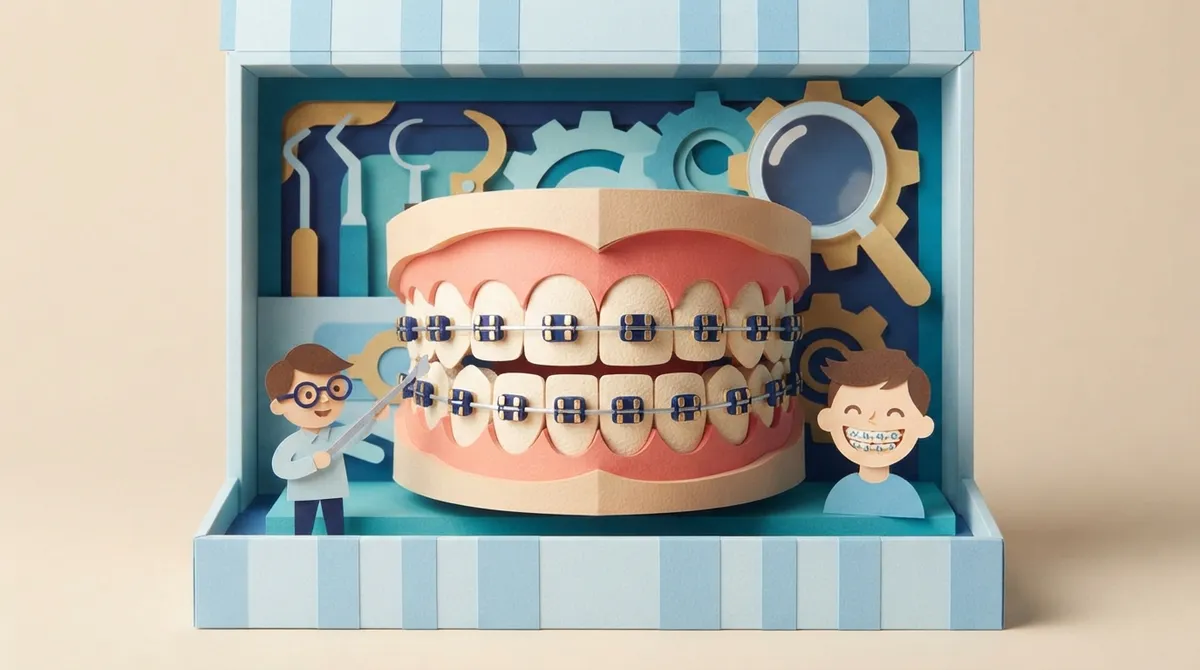
Self-ligating braces are brackets that hold the archwire in place using a built-in clip or tiny sliding door. Traditional braces use small rubber bands (called elastic ligatures) to hold the wire. Self-ligating brackets skip those rubber bands entirely.
This might sound like a small detail, but it changes a few things about your treatment experience. Less rubber around your brackets can mean fewer spots for food and plaque to hide. That’s a nice bonus for your daily brushing routine.
Passive vs. Active Self-Ligating Brackets
Not all self-ligating brackets work the same way. There are two main types, and knowing the difference helps you ask better questions at your consultation.
- Passive self-ligating brackets have a clip that doesn’t press against the wire, allowing it to move more freely.
- Active self-ligating brackets use a clip that gently presses the wire into the bracket slot.
- Some orthodontists switch between both types during different treatment phases.
- The choice often depends on your specific bite and tooth movement needs.
Mistake #1: Assuming Self-Ligating Braces Are Always Faster
This is probably the biggest myth we hear. Many patients believe self-ligating braces will shave months off their treatment time. The research tells a different story.
A comparative study found average treatment times of about 19.19 months for self-ligating brackets versus 21.25 months for conventional braces. That difference wasn’t considered statistically significant. A 2022 systematic review also concluded there isn’t enough solid evidence to say self-ligating brackets speed up overall treatment.
What they can do is reduce chairside time during your wire-change appointments. That’s a real convenience, just not necessarily a shorter overall treatment timeline.
Mistake #2: Believing They Hurt Less Than Traditional Braces
Another common assumption is that self-ligating braces are less painful. It sounds reasonable since there’s less pressure from elastic ties, right?
A meta-analysis looked at pain levels at 4 hours, 24 hours, 3 days, and 7 days after adjustments. The results showed no significant difference in pain between self-ligating and conventional brackets at any of those points. Discomfort with braces is normal no matter which system you choose, and it typically fades within a few days.
Mistake #3: Skipping the Hygiene Conversation
Some patients assume self-ligating braces are basically hands-off when it comes to hygiene. That’s not quite right either, though there is a legitimate upside.
Because there are no elastic ligatures wrapped around the brackets, there’s less surface area for plaque to build up. This can support better oral hygiene, but it doesn’t replace good brushing habits. You’ll still need to brush after meals and floss carefully around your wires.
- Brush at a 45-degree angle along the gumline and bracket edges.
- Use a floss threader or water flosser to clean between wires and teeth.
- Rinse with an antimicrobial mouthwash if recommended by your orthodontist.
- Schedule regular dental cleanings in addition to your orthodontic visits.
- Avoid sticky or hard foods that can damage brackets or wires.
Mistake #4: Not Understanding the Cost Differences
Self-ligating braces sometimes cost a bit more than traditional metal braces because of the specialized bracket design. But pricing varies quite a bit depending on your case complexity and location.
| Braces Type | Typical Cost Range | Ligature Type |
|---|---|---|
| Traditional Metal Braces | $3,000 – $7,000 | Elastic or wire ties |
| Self-Ligating Braces | $3,500 – $8,000 | Built-in clip or door |
| Ceramic Self-Ligating | $4,000 – $8,500 | Built-in clip or door |
| Spark™ Clear Aligners | Varies by case | Not applicable |
Our team can walk you through exact financing and insurance options during your consultation, so there are no surprises later.
Mistake #5: Thinking All Self-Ligating Systems Are Identical
Not every self-ligating bracket works the same way, and the brand or design can affect your comfort and results. Some use metal doors, others use plastic clips, and the mechanism affects how easily your orthodontist can make adjustments.
This is exactly why choosing an experienced provider matters more than choosing a specific bracket brand. Dr. Brockway evaluates each patient’s bite, jaw structure, and goals before recommending any bracket system, whether that’s self-ligating braces, traditional braces, or Spark™ Clear Aligners.
Mistake #6: Ignoring the Need for Auxiliary Elastics
Here’s something that surprises a lot of patients: self-ligating braces can still require rubber bands. If you need bite correction, like fixing an overbite or crossbite, your orthodontist might add elastics that stretch between your upper and lower brackets.
Self-ligating just means the wire itself isn’t secured with elastic ties. It doesn’t mean your entire treatment will be elastic-free. Understanding this upfront helps set realistic expectations.
Mistake #7: Overlooking Appointment Frequency
Some patients assume self-ligating braces mean fewer visits overall. In reality, studies have found no statistically significant difference in the number of appointments needed compared to conventional braces.
What does change is what happens during each visit. Wire changes tend to go faster because there’s no need to remove and replace tiny elastic ties one by one. That’s a real time-saver at the chair, even if your total number of visits stays similar.
What Typically Happens at a Self-Ligating Braces Appointment
- Your orthodontist checks tooth movement progress against your treatment plan.
- The archwire may be swapped for a different size or shape.
- Brackets are checked for looseness or damage.
- Any needed elastics or auxiliary appliances are adjusted.
- You’ll get updated care instructions based on your progress.
Mistake #8: Choosing Braces Based on Marketing Instead of Evidence
Self-ligating braces are often marketed with big promises: faster results, less pain, fewer visits. As we’ve covered, the clinical evidence doesn’t fully back up these claims. A 2025 narrative review noted that while self-ligating brackets may slightly reduce chairside time, overall treatment duration remains largely unchanged.
This doesn’t mean self-ligating braces are a bad choice. It just means you should choose them for the right reasons, like ease of maintenance and hygiene benefits, rather than unrealistic promises. Organizations like the American Dental Association and the Florida Association of Orthodontists encourage patients to rely on evidence-based guidance rather than marketing claims when choosing treatment.
Mistake #9: Forgetting to Ask About Comfort Features
Every mouth is different, and comfort during treatment matters a lot, especially for younger patients or those with busy schedules. Some self-ligating systems have smoother edges or lower profiles, which can reduce cheek and lip irritation.
During your first visit, ask your orthodontist which bracket design fits your lifestyle best. If you’re a teen heading into a busy school year, or a professional attending client meetings, comfort and appearance both matter.
Mistake #10: Assuming Self-Ligating Braces Work for Every Age Group
Self-ligating braces can work well for kids, teens, and adults, but the right choice depends on your specific dental needs. Growing jaws, missing teeth, or previous orthodontic relapse can all affect which bracket system makes the most sense.
- Children with developing bites may benefit from early evaluation before choosing a bracket type.
- Teens often appreciate the discreet look of ceramic self-ligating options.
- Adults returning for retreatment may need a more customized approach.
- Patients with gum sensitivity may benefit from reduced friction designs.
- Complex bite issues may require combining self-ligating brackets with additional appliances.
We see this play out often with our adolescent treatment and adult treatment patients here in Clearwater. What works beautifully for a 14-year-old might not be the best fit for a 38-year-old professional juggling client meetings and orthodontic care.
Mistake #11: Not Getting a Personalized Consultation First
The biggest mistake of all? Deciding on self-ligating braces without a real conversation with your orthodontist first. Every smile is different, and what you read online won’t account for your unique bite, jaw alignment, or oral health history.
Dr. Brockway takes time during every consultation to listen to your goals and concerns before recommending any treatment path. Whether you’re interested in self-ligating braces, traditional metal braces, ceramic options, or learning more about braces in general, personalized guidance makes all the difference.
Comparing Self-Ligating Braces to Other Options
It helps to see how self-ligating braces stack up against other popular treatment choices side by side.
| Feature | Self-Ligating Braces | Traditional Braces | Clear Aligners |
|---|---|---|---|
| Ligature Type | Built-in clip/door | Elastic ties | None (removable trays) |
| Chairside Wire Change Time | Faster | Slower | No wire changes |
| Visibility | Metal or clear options | Metal or clear options | Nearly invisible |
| Hygiene Ease | Slightly easier | Standard | Easiest (removable) |
| Best For | Most bite issues | Most bite issues | Mild to moderate cases |
If you’re torn between options, our Spark™ Clear Aligners page and braces overview can help you compare features before your consultation.
Caring for Your Self-Ligating Braces at Home
Once your braces are on, a little daily care goes a long way toward smooth, on-schedule progress.
- Brush after every meal, especially around the brackets and gumline.
- Avoid hard, sticky, or chewy foods that can pop off brackets.
- Attend every scheduled adjustment appointment, even if nothing feels wrong.
- Wear any prescribed elastics exactly as instructed for best results.
- Reach out right away if a bracket feels loose or a wire is poking.
And once treatment wraps up, don’t forget your retainers. All that hard work deserves protection!
Why Clearwater Families Trust Brockway Orthodontics
Dr. Brockway has built her practice around genuine care for the Clearwater community. From same-day treatment options to modern digital imaging, our office focuses on making every visit comfortable and informative. We believe patients deserve honest answers, not marketing hype, especially when it comes to something as personal as your smile.
Curious what other families in the area are saying? You can visit us on Google — Brockway Orthodontics to read real reviews from real patients. We’re also active on Instagram and Facebook if you’d like to see smile transformations and get to know our team a little better.
Ready to Explore Self-Ligating Braces?
Self-ligating braces can be a fantastic option for many patients, especially those who want easier maintenance and shorter chairside appointments. Just remember, the research shows they’re not a shortcut to faster or pain-free treatment. The real key to success is working with an orthodontist who takes time to understand your unique smile goals.
If you’re ready to find out whether self-ligating braces are the right fit for you or your child, our Clearwater team is here to help. Book appointment online today and let’s start planning your journey to a healthier, more confident smile. Have questions first? Feel free to contact us anytime, we’d love to hear from you.
FAQs
Q: What are self-ligating braces?
A: Self-ligating braces are brackets with a built-in clip or sliding door that holds the wire in place, so there’s no need for the little rubber ties you see on traditional braces. They work a lot like regular braces but often make wire changes quicker and easier for your orthodontist.
Q: Are self-ligating braces better than traditional braces?
A: Not necessarily! Research shows both types work about equally well when it comes to overall treatment time and pain levels. Self-ligating braces do offer a bit of an edge in hygiene and faster chairside adjustments, but the best choice really depends on your unique smile goals.
Q: Do self-ligating braces hurt less than regular braces?
A: Studies comparing pain levels at several points after adjustment found no real difference between self-ligating and traditional braces. Some soreness after adjustments is totally normal no matter which type you choose, and it usually fades within a few days.
Q: How much do self-ligating braces cost?
A: Self-ligating braces typically run a bit higher than traditional metal braces, often somewhere between $3,500 and $8,000 depending on your case. Our Clearwater office offers flexible financing options to help make treatment fit your budget comfortably.
Q: What’s the difference between passive and active self-ligating brackets?
A: Passive brackets have a clip that lets the wire move freely, which can mean less friction during early treatment. Active brackets use a clip that presses gently against the wire, which some orthodontists prefer for certain tooth movements. Your orthodontist will choose the type that best matches your treatment needs.
Our Service Area