Key Takeaways
-
Schedule an orthodontist check-up by age 7 to catch early growth or bite issues, even if braces aren't needed immediately—skipping this visit may mean missing simple early treatment opportunities.
-
There is no single magic age for braces; the right time depends on individual teeth, bite, and jaw growth patterns, so personal evaluation by an orthodontist is essential rather than following age assumptions.
-
Adults can get braces at any age with no upper limit as long as teeth and gums are healthy; about 30% of orthodontic patients today are adults, making it a viable option at any stage.
-
Ensure teeth and gums are healthy before starting braces by treating cavities and gum problems first, since braces make cleaning more difficult and require a strong foundation.
-
Braces treatment typically lasts 12 months to 2.5 years with monthly adjustments, but the critical part many forget is wearing a retainer afterward to prevent teeth from shifting back.
-
Modern treatment options like Spark™ Clear Aligners offer discreet, removable alternatives for teens and adults, while your orthodontist can recommend the best option based on your specific alignment needs.
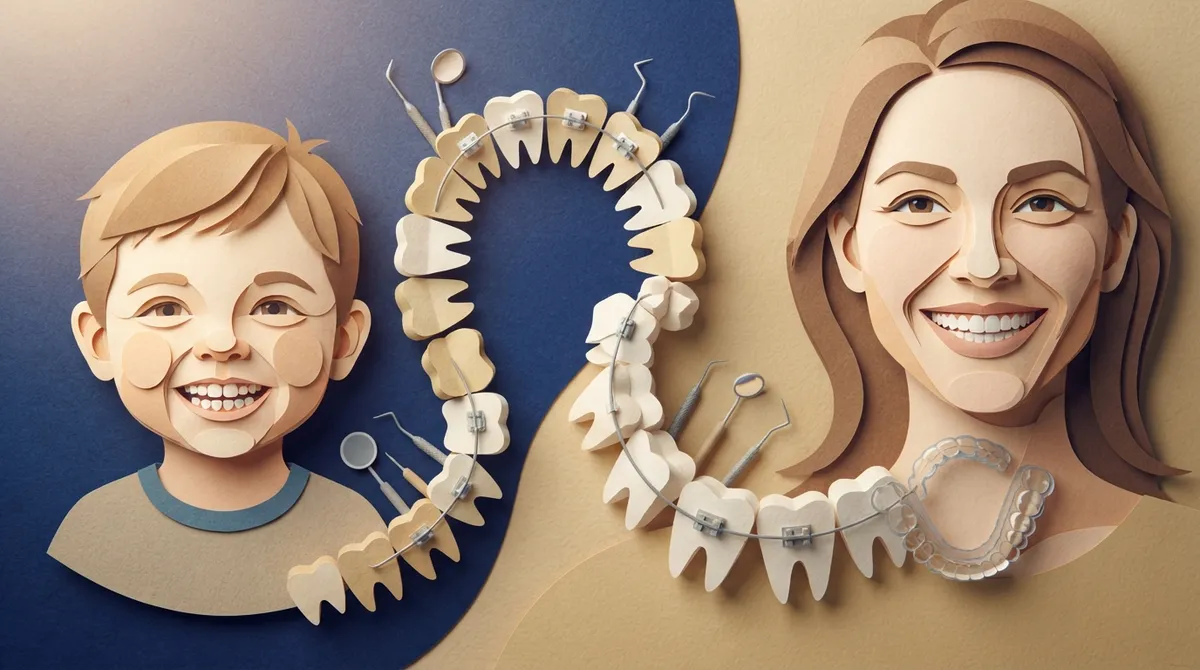
If you have ever typed “when can i get braces” into a search bar, you are in good company. Parents wonder about it when a child’s teeth start coming in crooked. Teens wonder about it before big school milestones. Adults wonder if they missed their window years ago. The truth is, there is no single magic age. But there are some very common mistakes that can make the wait feel confusing, or worse, cost you time and money.
The good news? Once you know what to watch for, the path gets much clearer. In this friendly guide, we will walk through eight mistakes families often make when planning for braces, and how to avoid each one. Whether you are a parent of a seven-year-old, a teenager dreaming of a straighter smile, or an adult thinking about it for the first time, you will find helpful answers here.
Let’s get your questions sorted out, one simple step at a time.

Mistake 1: Waiting for One Perfect Age
Many people think there is a set birthday when braces begin. Friends say “12 or 13,” so families assume that is the rule. In reality, the right time depends on each person’s teeth, bite, and jaw growth.
Comprehensive braces often start in the early teen years, around ages 12 to 13, when most permanent teeth have come in. But that is a pattern, not a law. Some kids need help earlier. Some teens start a bit later. Adults can start at almost any age.
The best way to know when can i get braces in your own situation is to have an orthodontist take a look. That one visit replaces a lot of guessing.
Mistake 2: Skipping the Age 7 Check-Up
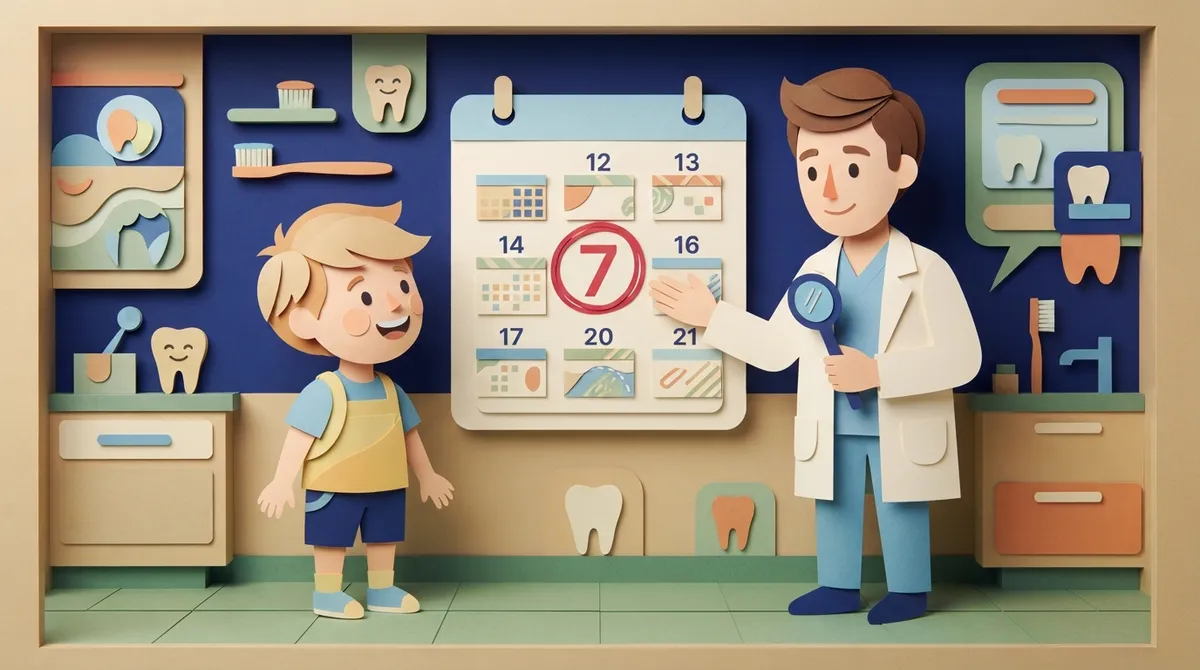
Here is where a lot of parents get confused. The American Association of Orthodontists (AAO) recommends a first orthodontic check-up by age 7, or sooner if you notice a concern. That does not mean your child will get braces at 7.
Think of it like a first look at the blueprint. At age 7, a child has a mix of baby teeth and new adult teeth. An orthodontist can spot early signs of jaw or bite problems that are easier to guide while a child is still growing.
After the check-up, one of three things usually happens:
- No treatment needed: Your child’s teeth are developing well.
- Monitoring: The orthodontist watches growth and checks back every so often.
- Early treatment: A specific problem is treated while your child is still growing.
Skipping this visit means you might miss a chance for simple, early help. You can learn more about how early treatment works, and what to expect at your first visit.
Mistake 3: Assuming Every Child Needs Early Braces
On the flip side, some parents worry that if their child does not get braces by age 8, they are “behind.” That is not true either. Many kids do not need early treatment at all.
Early care, sometimes called interceptive treatment, is for specific issues. These might include a narrow upper jaw, a crossbite, or teeth that are very crowded as they come in. Your orthodontist can tell you if one of these applies.
If nothing needs fixing yet, waiting is perfectly fine. The goal is not to start as soon as possible. The goal is to start at the right time. For more on this, take a peek at our guide on when your child should get braces.
Mistake 4: Ignoring the Signs That Braces May Help
Sometimes the clues are right in front of us. Crooked smiles do more than affect looks. They can make chewing and cleaning harder, too. Braces may be considered for:
- Crowded or overlapping teeth
- Teeth that stick out (protruding teeth)
- Gaps between teeth
- An overbite or underbite
- A crossbite or open bite
If your child has trouble biting into foods, breathes through the mouth, or has teeth that look out of line, it is worth a visit. Not sure what to look for? Our post on signs your child needs braces breaks it down in plain language.
Mistake 5: Thinking Teens Have to Wait Until Everything Is Perfect
Teens often tell us they want braces before prom, graduation, or a big trip. That is a great motivator! Most teens are ready for full treatment once their permanent teeth have come in, which is often between ages 12 and 14.
Teens also have more choices now than ever. Along with traditional metal braces and ceramic (clear) braces, many teens love Spark™ Clear Aligners, which are nearly invisible and removable for eating and brushing.
Not sure which is best? Here is a quick comparison to get you started.
| Treatment Option | Best For | Key Feature |
|---|---|---|
| Metal Braces | Complex bite and alignment issues | Strong, reliable, and often the most budget-friendly |
| Ceramic (Clear) Braces | Teens and adults wanting a less visible look | Tooth-colored brackets blend in |
| Spark™ Clear Aligners | Mild to moderate alignment concerns | Removable and nearly invisible |
Your orthodontist will tell you which one suits your teeth. You can explore adolescent treatment to see what works for growing smiles.
Mistake 6: Believing You Are Too Old for Braces
This one makes us smile, because we hear it all the time. Adults can absolutely get braces. There is no general upper age limit. Teeth can move at any age as long as the teeth and gums are healthy.
Adult treatment may take a little longer, and some growth-related options used for kids are no longer possible. But the results can be wonderful. Adults make up a big share of orthodontic patients today. In a 2024 AAO member survey, about 1.91 million adults in the United States were being treated by AAO-member orthodontists, and adults made up roughly 30% of the patients in that survey.
If you are a busy professional, you may love the discreet options. If you wore braces as a teen and your teeth have shifted, you are not alone. That is called relapse, and retreatment is very doable. Read more about adult treatment or see 8 truths about whether you’re too old for braces.
Mistake 7: Overlooking Gum and Tooth Health First
Before braces go on, your teeth and gums need to be healthy. Cavities and gum problems may need care first. Braces make it a little trickier to clean, so starting with a healthy base protects your smile.
This is another reason a proper exam matters. At a consultation, an orthodontist may look at your teeth and gums, and may use X-rays, photos, or digital scans to plan your treatment.
Here is a simple way to think about the steps before braces:
- Book a consultation. Share your goals and questions.
- Get a full exam. This may include X-rays, photos, or 3D scans.
- Treat any dental concerns. Fix cavities or gum issues if needed.
- Review your treatment plan. Talk through options, timing, and cost.
- Start treatment. Braces or aligners are placed and your journey begins.
Curious about what happens during that first appointment? Check out your orthodontic consultation: what to expect.
Mistake 8: Forgetting About the Time and the Retainer
Another common mix-up is how long braces take. NHS guidance says treatment commonly lasts about 12 months to 2.5 years, with adjustment visits every 4 to 10 weeks. Your own timeline depends on your teeth, your bite, and how closely you follow your plan.
And here is the part people forget: the work does not end when the braces come off. Retainers are generally needed to help keep your teeth from shifting back. Skipping them is one of the most common reasons teeth move out of place later.
To plan ahead, you may want to read how long braces take to work and learn how retainers protect your results.
A Quick Age Guide for Planning Ahead
Every smile is different, but this general guide can help you picture the timeline.
| Age Group | What Usually Happens |
|---|---|
| Around age 7 | First orthodontic check-up to spot early concerns |
| Ages 8 to 11 | Early treatment only if a specific problem needs it |
| Ages 12 to 14 | Common time for full braces once most permanent teeth are in |
| Late teens and young adults | Braces or clear aligners for graduation, work, and social milestones |
| Adults of any age | Treatment possible when teeth and gums are healthy |
Remember, this is a general pattern, not a strict rule. The only way to know for sure is to be seen by an orthodontist.
Why Local, Personal Care Makes a Difference
When you are deciding on timing, it helps to work with someone who truly listens. At Brockway Orthodontics, Dr. Brockway takes time to hear your concerns and your dreams for your smile. She explains each option in a friendly, easy-to-understand way, so you feel comfortable from start to finish.
The practice also uses modern technology like digital impressions instead of messy molds, plus 3D imaging for precise planning. In some cases, same-day treatment may even be possible, which is a real help for busy families. Families across Clearwater trust Brockway Orthodontics, and you can visit us on Google — Brockway Orthodontics to see what patients are saying.
Cost matters too, of course. Our team can walk you through financing and insurance options so there are no surprises. You can also read the Florida Association of Orthodontists for general guidance on orthodontic care in our state, and the American Dental Association for broader oral health tips.
Putting It All Together
So, when can you get braces? Here is the short version:
- Children should have a check-up by age 7, but most do not start braces then.
- Many kids begin full braces in their early teens.
- Adults can get braces too, with no set age limit.
- Healthy teeth and gums come first.
- Retainers keep your results in place afterward.
The biggest takeaway is simple. Do not guess. A quick visit gives you a clear answer made just for you or your child.
Ready to Find Out Your Timeline?
You do not have to figure this out alone. Whether you are a parent planning for your child, a teen ready for a change, or an adult thinking it over, the next step is easy. Book your appointment online and let us help you find the right time to start. Have a quick question first? Contact us and our friendly team will be happy to help.
FAQs
Q: At what age can a child get braces?
A: There is no single age that fits every child. Most kids who need full braces start in their early teens, around 12 to 13, once most permanent teeth have come in. Some children benefit from earlier treatment for a specific problem, and an orthodontist can tell you which path is right.
Q: When should my child first see an orthodontist?
A: The AAO recommends a first check-up by age 7, or sooner if you notice a concern. This visit is just an evaluation, so it does not mean your child will start braces right away. It simply helps spot any growth or bite issues early.
Q: Can adults get braces, and is there an age limit?
A: Yes, adults can get braces, and there is no general upper age limit! Teeth can move at any age as long as your teeth and gums are healthy. Adult treatment may take a bit longer, but the results can be well worth it.
Q: Do teeth and gums need to be healthy before getting braces?
A: Yes, they do. Cavities and gum problems may need to be treated first so your smile stays healthy during treatment. Your orthodontist will check this at your exam and may use X-rays, photos, or scans.
Q: How long does braces treatment usually take?
A: Treatment commonly lasts about 12 months to 2.5 years, with adjustment visits every 4 to 10 weeks. Your exact timeline depends on your teeth, your bite, and how well you follow your plan. Wearing your retainer afterward helps keep your new smile in place.
Our Service Area