Key Takeaways
-
Start with what your teen's teeth and bite actually need, since the orthodontic diagnosis should guide the choice far more than appearance does.
-
Spark aligners require wearing about 22 hours a day, so ask honestly whether your teen can keep them in consistently, including at school, sports, and on weekends.
-
Braces stay fixed and work whether or not your teen remembers them, while Spark trays are removable and can be misplaced, so weigh reliability alongside looks.
-
Ceramic braces offer a low-profile fixed option, and clear aligners are very discreet, so both can address appearance concerns without requiring a choice based on looks alone.
-
Check sports, instrument playing, and snacking habits, and get a written cost estimate and insurance check for both options before deciding.
-
Have your teen list their top priorities and bring them to the consultation, since teens who help choose their treatment tend to cooperate better and stick with it.
Picking between braces and clear aligners can feel like a big deal, especially when your teen has strong opinions. Maybe they want the invisible look. Maybe you worry they will forget to wear something. Maybe everyone is just a little nervous. The good news? This is a decision you can make together, and it does not have to be stressful.
The best choice is never about looks alone. It starts with what your teen’s teeth and bite actually need, then adds in their habits, their activities, and their comfort. This guide walks you through helping teens choose braces or Spark aligners in 11 friendly, practical steps. Think of it as a conversation starter for your next visit.
At Brockway Orthodontics in Clearwater, Dr. Brockway loves helping families sort through this exact question. Let’s dive in!
1. Start With What Your Teen’s Teeth Actually Need
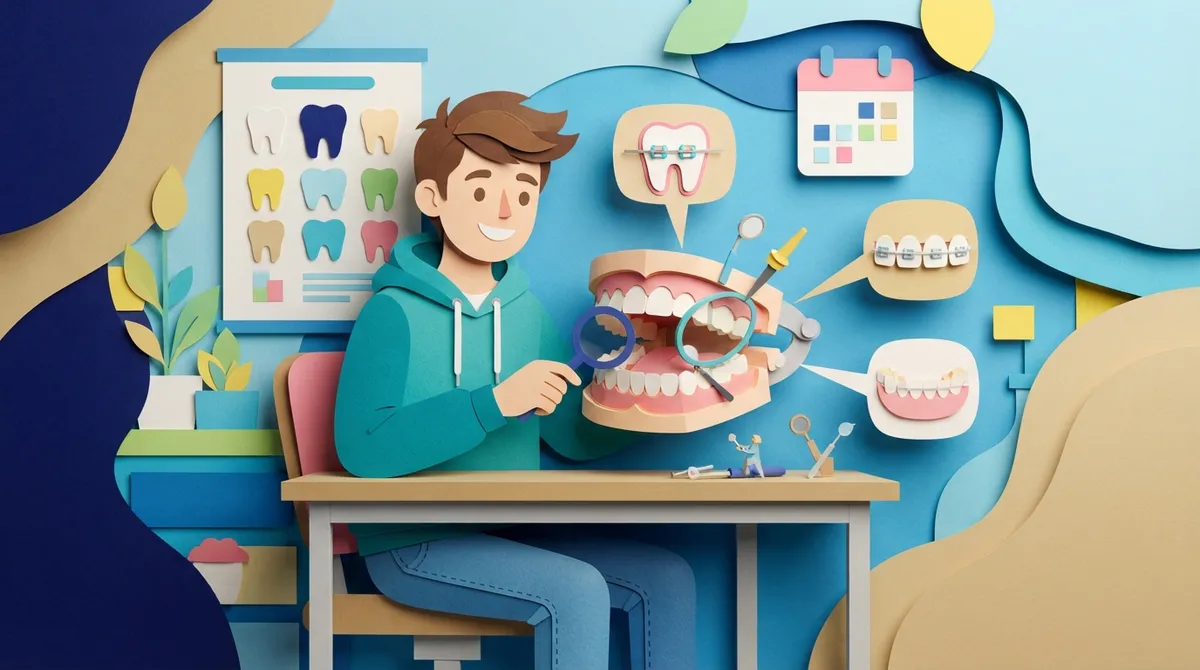
Before you compare styles, find out what needs fixing. Crowding, gaps, an overbite, an underbite, and a crossbite are all different problems. Some are simple. Some are more complex.
An orthodontist looks at the teeth, the bite, and the jaw to build a plan. That plan guides the choice far more than appearance does. Braces are fixed to the teeth and can treat a wide range of problems. Aligners work well for many cases, but the orthodontist needs to confirm they fit your teen’s specific bite and goals.
A first visit gives you real answers instead of guesses. You can learn more about what to expect on the Your First Visit page.
2. Understand What Spark Aligners Actually Are
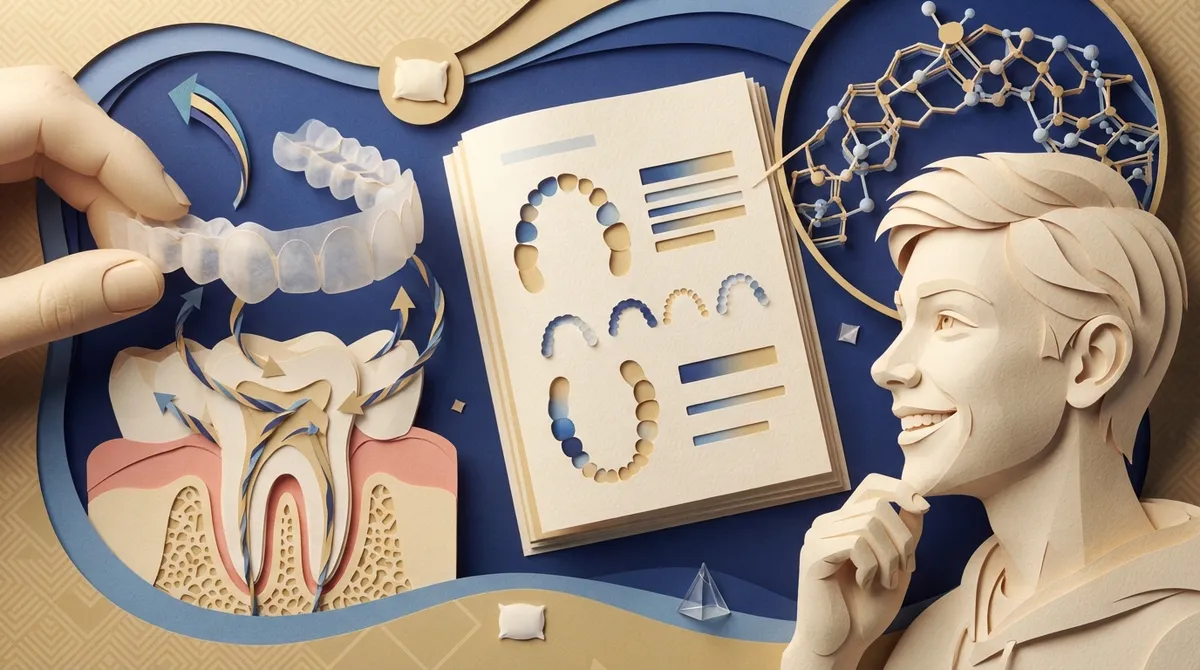
Spark is a brand of clear aligner. It is not a different kind of treatment. Like other aligners, it uses a series of custom clear trays that move teeth a little at a time, under an orthodontist’s watch.
Patients usually get a new set of trays every one to two weeks, based on the treatment plan. The trays are removable, which many teens love. Spark also says its aligners are available for teens with permanent teeth, including second molars. Whether your teen is a good candidate depends on an exam and a treatment plan.
Curious about how they work? Take a look at Spark™ Clear Aligners at our practice.
3. Know What Braces Bring to the Table
Braces are the tried-and-true option. Brackets are bonded to the teeth, and a wire guides them into place. Because they stay on all day, every day, they do their job whether or not your teen remembers to think about them.
Braces are available in a few styles, including metal and ceramic (clear) options. Ceramic braces blend in with the teeth, which can be a nice middle ground for teens who want something less noticeable but fixed in place.
Want the full picture? Visit All About Braces for details on each style.
4. Be Honest About the 22-Hour Rule
Here is the big one. Spark recommends wearing aligners about 22 hours a day. They come out for meals and brushing, and go right back in. The American Association of Orthodontists describes the same standard for aligners in general.
That means the aligners are only working when they are in your teen’s mouth. Missed wear can slow progress or require changes to the plan. So ask your teen an honest question: can I really keep these in all day, even at school, at practice, and on weekends?
If the answer is a confident yes, aligners could be a great fit. If the answer is “hmm, maybe,” braces might save everyone some stress.
5. Compare Braces and Spark Side by Side
Sometimes a quick chart makes everything click. Here is a simple look at how the two options compare for most teens.
| Factor | Braces | Spark Aligners |
|---|---|---|
| How they stay on | Fixed to the teeth | Removable trays |
| Appearance | Visible (metal) or less visible (ceramic) | Clear and discreet |
| Wear requirement | Always on | About 22 hours a day |
| Eating | Some food restrictions | Removed for meals |
| Cleaning | More involved brushing and flossing | Brush as usual, clean the trays |
| Risk of losing them | None | Can be misplaced or lost |
| Range of problems treated | Broad range | Depends on the case |
Neither column is “the winner.” The right pick depends on your teen’s needs and habits.
6. Talk About Looks, But Don’t Let Looks Decide Everything
Let’s be real: appearance matters to teens. Many want a discreet option for school photos, social events, or just peace of mind. That is a valid feeling, and it deserves a spot in the conversation.
Clear aligners are very hard to notice. Ceramic braces are another low-profile choice. And some teens actually love the look of braces, especially with colorful bands. There is no wrong answer here.
The key is to weigh looks alongside everything else, not above it. A discreet treatment that does not fit your teen’s bite or habits will not give the smile they are hoping for.
7. Think Through Sports, Music, and Daily Activities
Your teen’s schedule matters. A busy athlete, a band kid, and a student who loves to snack all day have different needs.
Consider these questions together:
- Sports: Can they pop out aligners for a mouthguard, then put them back in safely? Or would a fixed option with a guard be easier?
- Instruments: Do they play a brass or woodwind instrument that may feel different with brackets or trays?
- Meals and snacks: Will they remember to remove aligners to eat and brush before putting them back?
- Travel and sleepovers: Is there a plan to keep the case close and the trays safe?
Your orthodontist can offer tips for any of these situations.
8. Look Honestly at Brushing and Hygiene Habits
Both treatments need good oral hygiene. They just ask for it in different ways.
Aligners make brushing and flossing easier because they come out. But the trays also need careful cleaning, and teeth should be brushed before the trays go back in. Braces cannot be removed, so food can get trapped around the brackets. That means more thorough brushing and special tools for flossing.
If your teen already has solid brushing habits, either option can work well. If brushing is a daily battle, talk with the orthodontist about which option will be easier to keep clean. Our foods to avoid with braces guide is a helpful read for families choosing braces.
9. Plan for Costs, Insurance, and Payment Options
Cost matters to every family. The honest truth is that prices and timelines vary from patient to patient, so the best way to get a real number is to ask your orthodontist and check with your insurance provider.
Here are a few smart steps to take:
- Ask for a clear written estimate for both braces and Spark aligners, if both are options for your teen.
- Call your insurance company to ask what orthodontic coverage is included.
- Ask about payment plans and flexible monthly options.
- Check if you can use a health savings account or flexible spending account.
Brockway Orthodontics offers Spark as a more affordable alternative to some other clear aligner brands. You can explore financing and insurance options to see what works for your family budget.
10. Ask About Treatment Time and What Happens If Things Slip
Many parents ask, “How long will this take?” The American Association of Orthodontists says braces treatment commonly lasts 12 to 24 months, though it varies by person and by problem. Aligner treatment length also varies, depending on the case and the number of trays needed.
No honest source can promise one exact timeline for every teen. That is why a personal exam matters so much.
It also helps to ask a “what if” question at your visit: what happens if treatment does not track as planned? With aligners, a lost tray or missed wear time may call for a new tray or a plan update. With braces, a broken bracket needs a quick repair visit. Knowing the plan ahead of time takes the worry out of surprises.
11. Let Your Teen Be Part of the Decision
Here is the secret that makes everything smoother: teens who feel heard tend to cooperate better. When your teen helps choose the treatment, they are more likely to stick with it.
Try this simple approach at home:
- Write down your teen’s top three priorities, like looks, comfort, or ease.
- Write down your own top three, like cost, reliability, or results.
- Bring both lists to the consultation.
- Let the orthodontist explain which options fit the clinical needs.
- Decide together, and celebrate the choice!
A teen who says “I picked this” is a teen who wants it to work. For more guidance, our adolescent treatment page and our teen-focused guide on braces for teens are great next stops.
Don’t Forget About Retainers
No matter which path your teen chooses, retainers come next. After active treatment, retainers help hold teeth in their new spots. Skipping them is one of the most common reasons teeth drift back.
Both braces and aligners need regular checkups and good oral hygiene along the way, plus consistent retainer wear after treatment. Learn about the options on our retainers page.
Why Families Choose Brockway Orthodontics
Choosing an orthodontist is just as important as choosing the treatment. Dr. Brockway takes time to listen to your teen’s goals and your family’s concerns. She explains each option in plain, friendly language so everyone feels informed and comfortable.
The practice also uses modern tools like digital impressions and 3D imaging, so there are no messy molds and planning is more precise. In certain cases, same-day treatment is possible to fit busy family schedules. Want to see what other families say? Visit us on Google — Brockway Orthodontics to read reviews from our Clearwater community.
For extra background on orthodontic care in Florida, the Florida Association of Orthodontists and the American Dental Association offer helpful public resources.
Ready to Choose? Let’s Talk
Helping your teen choose between braces and Spark aligners does not have to feel like a guessing game. Start with a professional exam, talk honestly about habits, weigh looks alongside function, and let your teen have a real voice. The right fit is out there, and you do not have to figure it out alone.
Ready to take the first step? Book your appointment online and we will walk you and your teen through every option. Have questions first? Contact us anytime. We cannot wait to meet your family!
FAQs
Q: Is Spark a good option for teenagers?
A: It can be! Spark makes aligners for teens with permanent teeth, and many teens love how discreet they are. The best way to know if it fits your teen is a quick orthodontic exam, since the right choice depends on their bite and habits.
Q: How many hours a day do teens need to wear Spark aligners?
A: About 22 hours a day. Aligners only come out for meals and brushing, then go right back in. Consistent wear is what keeps treatment on track.
Q: Can Spark aligners treat complex orthodontic problems?
A: Aligners work well for many cases, but some complex movements may be better handled with braces. Your orthodontist will look at your teen’s specific bite and goals to recommend the best path.
Q: What happens if a teen forgets to wear or loses a Spark aligner?
A: Don’t panic, it happens! Missed wear can slow progress, and a lost tray may need to be replaced or the plan adjusted. Call your orthodontist right away so they can guide you on the next step.
Q: Do braces or Spark aligners take longer?
A: It really depends on the case. Braces commonly last 12 to 24 months, and aligner time varies by how many trays are needed. Your orthodontist can give you a personal timeline after an exam.
Our Service Area