Key Takeaways
-
Spark clear aligners work by having you wear a series of custom, removable trays that apply gentle, planned pressure to move teeth one small step at a time toward your treatment plan.
-
Wear your aligners about 22 hours a day, removing them only for meals, drinks other than cool water, and brushing and flossing, since consistent pressure drives progress.
-
Switch to the next tray exactly on your orthodontist's schedule, typically every one to two weeks; switching early can stress your teeth and switching late can slow progress.
-
Always brush and floss before reinserting your trays, and store them in their case, to keep food and residue from getting trapped against your teeth.
-
Retainers are essential after treatment, because without one your teeth can slowly drift back to their old positions.
-
Treatment length varies by case; Spark's general guidance suggests roughly 10 to 20 months, but your orthodontist can give a more accurate estimate after an exam.
Thinking about straightening your smile without a mouth full of metal? You’re not alone! Many teens, parents, and busy adults ask the same thing: how do Spark clear aligners actually work? The short answer is simple. A series of custom, removable trays gently guides your teeth into place, one small step at a time.
But there’s more to the story than that. From the first scan to the final retainer, each stage has a purpose. Knowing what happens at every step helps you feel confident and ready.
At Brockway Orthodontics in Clearwater, Florida, Dr. Brockway walks every patient through this process in plain, friendly language. In this guide, we’ll break down how Spark clear aligners work in 12 easy steps. We’ll cover the scan, the plan, the wear schedule, and what to expect along the way. Let’s dive in!
The Big Picture: How Spark Clear Aligners Work
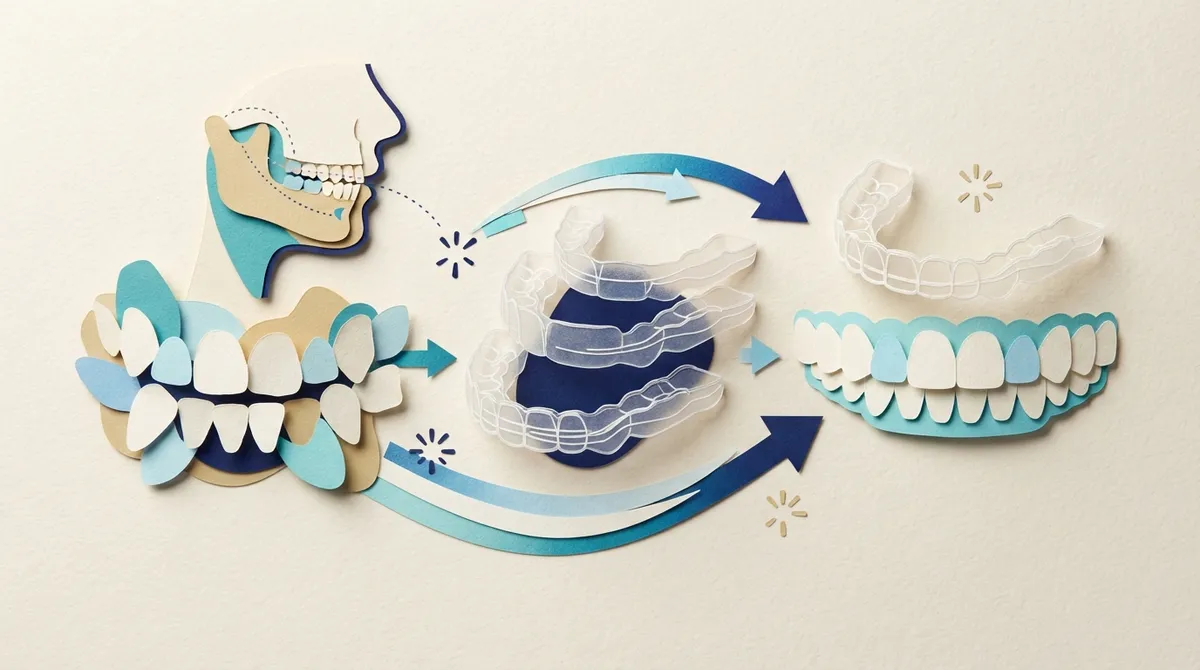
Spark clear aligners are custom-made, removable trays prescribed and monitored by an orthodontist. Each tray applies gentle, planned pressure to your teeth. Over time, that pressure moves teeth toward the positions set in your treatment plan.
Think of it like a staircase. Every tray is one small step. Your teeth don’t leap to their new spots. They glide there bit by bit. If you’d like a quick overview of the system, visit our page on Spark™ Clear Aligners.
Here is the simple flow in a nutshell:
- Your orthodontist checks your teeth and bite.
- A digital 3D scan captures your smile.
- A tooth-moving plan is mapped out and approved.
- Custom trays are made just for you.
- You wear each tray, then switch to the next on schedule.
- Regular check-ins keep everything on track.
Now let’s explore each step in more detail.

Step 1: A Friendly Orthodontic Assessment
Every aligner journey starts with a conversation. Dr. Brockway looks at your teeth, your bite, and your goals. She also listens to your concerns. Do you want a more discreet option? Are you getting ready for a big event like graduation? Share it all!
This visit matters because clear aligners can address many alignment and bite concerns, but not every case is the same. Your orthodontist will tell you honestly whether aligners fit your needs. If you’re curious what the first appointment looks like, check out Your First Visit.
Step 2: A Digital 3D Scan (No Goopy Molds!)
Remember the messy impression trays from years ago? Good news: they’re mostly a thing of the past. Treatment typically begins with a quick digital 3D scan of your teeth.
The scanner captures a detailed picture of your smile in minutes. It’s comfortable, fast, and far more pleasant than biting into putty. That scan becomes the foundation for your entire treatment plan.
Step 3: Your Orthodontist Designs the Plan
Here’s where the real planning happens. Using Spark’s Approver software, your orthodontist maps out how each tooth will move. The software shows the starting position, the end goal, and every stage in between.
Notice who’s in charge here: your orthodontist, not the software. Dr. Brockway reviews the plan, adjusts it, and approves it before anything is made. This clinician-directed approach is what keeps treatment safe and personalized.
Step 4: You See the Plan Before You Start
One of the fun parts of the process? Seeing a preview of where your smile is headed. Your orthodontist can walk you through the planned tooth movements so you know what to expect.
This is also the time to ask questions. How long might treatment take? Will you need attachments? What if you have a busy schedule? Treatment time varies by case. Spark’s general guidance suggests many patients address concerns in roughly 10 to 20 months, but that is a broad estimate, not a promise.
Step 5: Custom Aligners Are Made Just for You
Once the plan is approved, your orthodontist orders your custom aligners. Each tray is shaped to fit your teeth for its specific stage of movement.
Spark names its proprietary materials TruGEN and TruGEN XR. The manufacturer says these materials aim to offer clarity, comfort, and consistent force. Keep in mind those are manufacturer claims, not guaranteed outcomes. What matters most is your orthodontist’s plan and your daily wear.
Step 6: Attachments and Other Helpers
Some plans use tiny, tooth-colored bumps called attachments. They bond to certain teeth and give the aligner something to grip. This helps with specific movements, like rotating a tooth.
Whether you need attachments depends on your bite and your plan. Some patients need none. Others need a few. Your orthodontist will explain why, so nothing feels like a surprise.
Step 7: Wearing Your Aligners (The 22-Hour Rule)
Here’s the part where you play the biggest role. Spark advises wearing aligners about 22 hours a day. Its patient materials also describe a 20 to 22 hour range.
That sounds like a lot, but it simply means you wear them almost all day and night. You take them out for a few key moments only. Teeth move best when the gentle pressure stays steady.
| Moment | Aligners In or Out? | Quick Tip |
|---|---|---|
| Sleeping | In | Great time to rack up wear hours |
| Meals and snacks | Out | Store them in their case |
| Drinking cool water | In | Water is the only safe drink |
| Coffee, juice, soda | Out | Brush before putting back in |
| Brushing and flossing | Out | Clean teeth and trays |
Step 8: Switching to the Next Tray
Each tray is worn for a set time before you move to the next. Spark and Ormco materials say aligners are typically changed every one to two weeks. Your orthodontist sets the exact schedule for your case.
Please don’t switch early to “speed things up.” Changing trays at the right time matters. Moving too fast can stress your teeth, and moving too slow can slow your progress. Follow the schedule your orthodontist gives you.
Step 9: Eating, Drinking, and Cleaning
Because aligners come out for meals, you can enjoy your favorite foods without worrying about broken wires or food stuck in brackets. That’s a big perk for many teens and adults.
There’s one simple rule: clean your teeth before putting the trays back in. Otherwise, food and drink residue can get trapped against your teeth. A quick brush and floss keeps your smile healthy. For more on this topic, see our post on 3 clear aligner food mistakes that harm your smile.
Here are a few daily habits that help:
- Keep a travel toothbrush in your bag or desk.
- Always store aligners in their case, never in a napkin.
- Rinse your trays and brush them gently each day.
- Skip hot water, which can warp plastic.
Step 10: Regular Check-Ins Keep You on Track
Aligners aren’t a “set it and forget it” treatment. Check-ins let your orthodontist see how well your trays fit and how your teeth are moving.
If something isn’t tracking as planned, your orthodontist can adjust the plan. If a tray doesn’t fit well, or if wear has been inconsistent, ask your provider before changing trays or altering the schedule. Teamwork is the secret ingredient here!
Step 11: Finishing Touches and Refinements
Sometimes, near the end, teeth need a little extra nudge. Your orthodontist may fine-tune the plan to polish the final result. This is a normal part of many treatments, not a sign that something went wrong.
The goal is a smile that looks great and works well. That means checking how your top and bottom teeth fit together, not just how straight they look in photos.
Step 12: Retainers Protect Your New Smile
The finish line isn’t the end. After your teeth reach their new spots, they need support to stay there. That’s where retainers come in.
Without a retainer, teeth can slowly drift back. Dr. Brockway will explain which type fits you and how often to wear it. Learn more about retainers so you’re ready for this final step.
Who Can Benefit From Spark Clear Aligners?
Spark aligners can fit many different people. Here’s how they often appeal to different groups:
- Teens and young adults: A discreet look and removable trays suit busy social lives.
- Adult professionals: Nearly invisible trays work well in meetings and on video calls.
- Retreatment patients: Adults whose teeth shifted after past braces may find aligners a good option.
- Health-conscious patients: Removable trays make brushing and flossing easier.
Of course, suitability depends on an in-person exam. More complex cases may need additional orthodontic methods. Your orthodontist should explain alternatives, limits, risks, and expected time. If you’re weighing options, our guide on clear aligners vs. braces can help.
Aligners vs. Braces: A Quick Look
Many families wonder how aligners stack up against traditional braces. Here’s a simple comparison:
| Feature | Spark Clear Aligners | Traditional Braces |
|---|---|---|
| Appearance | Clear and discreet | Metal or ceramic brackets |
| Removable | Yes | No |
| Eating | Take out for meals | Food restrictions apply |
| Patient effort | High (daily wear matters) | Lower (always on) |
| Best for | Many mild to moderate cases | A wide range, including complex cases |
Neither choice is “better” for everyone. The right one depends on your bite, your goals, and your lifestyle. At Brockway Orthodontics, we offer Spark aligners as a more affordable alternative to Invisalign, along with metal and ceramic braces. We’ll help you find your best fit.
Tips to Get the Best Results From Your Aligners
Want your treatment to go smoothly? A few simple habits make a big difference:
- Wear your trays about 22 hours every day.
- Change trays exactly on your orthodontist’s schedule.
- Brush and floss before reinserting trays.
- Keep your case with you at all times.
- Attend every check-in appointment.
- Call the office if a tray cracks or doesn’t fit.
Small habits add up to a big smile. And remember, you’re never doing this alone. Our team at Brockway Orthodontics is here to cheer you on. You can also read what patients say by checking out our Google reviews for Brockway Orthodontics in Clearwater.
Ready to Learn How Spark Clear Aligners Work for You?
Now you know how Spark clear aligners work from start to finish: assessment, scan, plan, custom trays, steady wear, check-ins, and retainers. It’s a clear path, and each step has a purpose.
The best way to find out if aligners fit your smile is a personal visit with an orthodontist. Dr. Brockway takes time to listen, explain, and build a plan around your life. We welcome teens, adults, and parents with kids who are curious about their options.
Ready to take the first step? Book your appointment online and see how Brockway Orthodontics can help you smile with confidence. Have questions first? Feel free to contact us, and our friendly team will be happy to help. For more professional guidance on dental health, you can also visit the American Dental Association.
FAQs
Q: How do Spark clear aligners move teeth?
A: Each custom tray applies gentle, planned pressure to your teeth. Step by step, those small movements guide your teeth toward the positions in your orthodontist’s treatment plan.
Q: How many hours a day should I wear Spark aligners?
A: Spark advises about 22 hours per day, and its patient guidance also describes a 20 to 22 hour range. You only take them out to eat, drink anything besides cool water, and brush and floss.
Q: How often do I switch to a new Spark aligner?
A: Most patients change trays every one to two weeks. Your orthodontist sets the exact schedule for your case, so follow their guidance and ask before changing it.
Q: Do Spark aligners require attachments?
A: Sometimes! Some plans use small tooth-colored attachments to help with certain movements, while others don’t need them. It all depends on your bite and your treatment plan.
Q: How long does Spark clear aligner treatment take?
A: Treatment time varies from person to person. Spark’s general guidance suggests many patients may see results in about 10 to 20 months, but that’s only a broad estimate. Your orthodontist can give you a better idea after an exam.
Our Service Area