Key Takeaways
-
Fixed retainers are thin wires bonded behind front teeth that work 24/7 without requiring daily compliance, making them ideal for patients who struggle remembering removable retainers.
-
Research shows that after four years, fixed retainers outperformed removable retainers at maintaining lower front tooth alignment, with canine-to-canine designs providing superior stability.
-
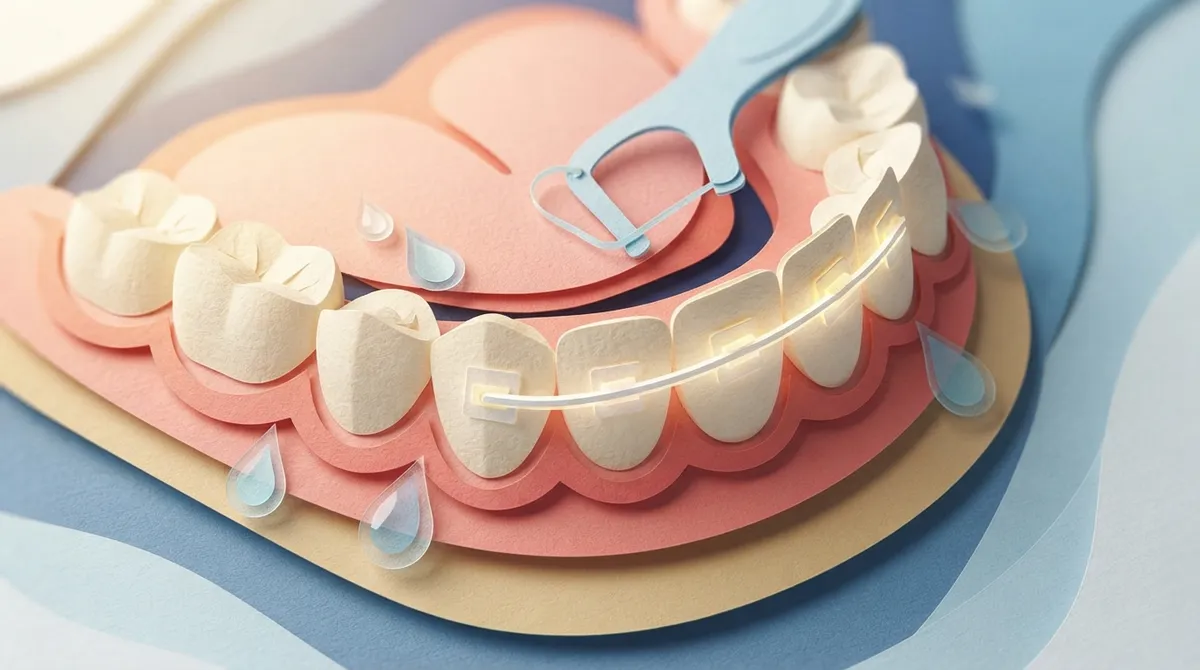
Fixed retainers require extra flossing care using threaders or water flossers, but most patients find this minor effort worthwhile for reliable, long-term tooth position protection.
-
Patients with significant crowding history, closed gaps, impacted canines, or previous relapse benefit most from fixed retainers as a dependable long-term solution.
-
Fixed retainers can last decades with proper care and regular orthodontist checkups, though the wire and bonding may occasionally loosen or need repairs if you bite hard objects.
-
Combining a fixed retainer on lower front teeth with a removable retainer on top provides optimal protection where relapse risk is highest while maintaining treatment flexibility.
So you finally got your braces off, or you just finished your last Spark™ clear aligner tray. Congratulations! That new smile deserves a round of applause. But here’s a little secret from Dr. Brockway: the real work of keeping your smile straight is just beginning. That’s where fixed retainer orthodontics comes in, and it’s one of the most trusted tools we use here at Brockway Orthodontics in Clearwater to protect your results for years to come.
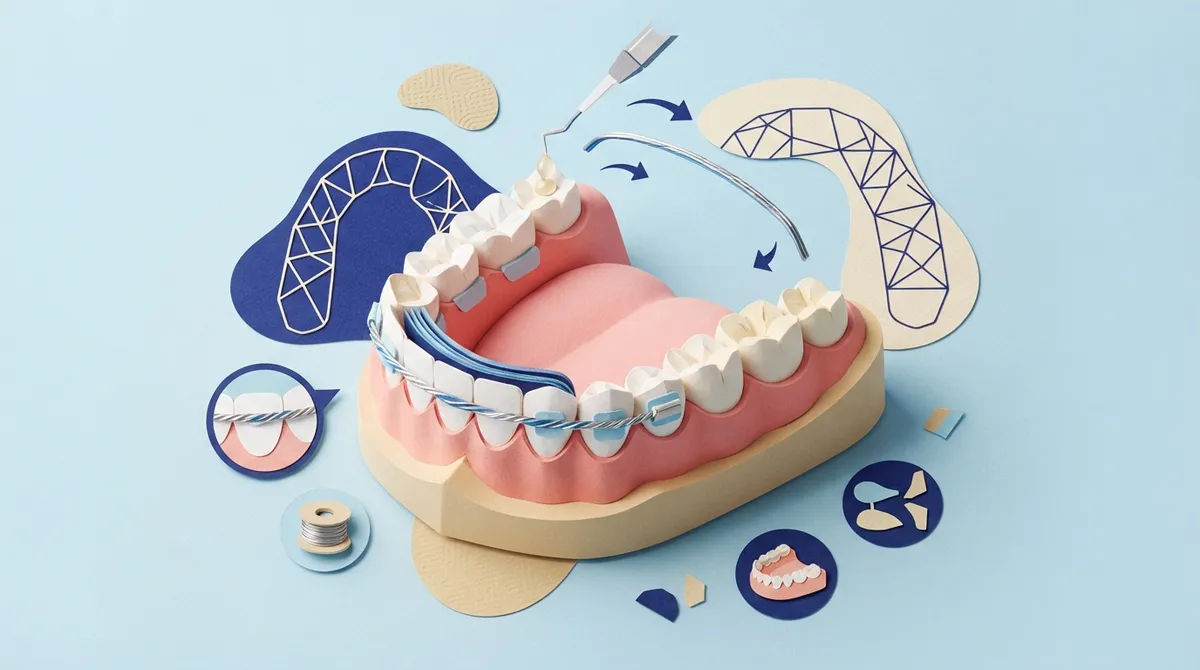
A fixed retainer is a thin wire bonded behind your front teeth. It quietly holds your smile in place without you having to think about it every day. If you’re a parent watching your teen finish treatment, an adult who just invested in a straighter smile, or someone who had braces years ago and worries about relapse, this guide is for you. Let’s walk through everything you need to know about fixed retainers, straight from a practice that treats families throughout Clearwater every single day.
1. What Exactly Is a Fixed Retainer?
A fixed retainer, sometimes called a bonded or permanent retainer, is a small wire attached to the back of your teeth. It usually sits on the inside surface of your bottom front teeth, though it can also go on top. Because it’s glued in place with a strong dental resin, you don’t take it in and out like a removable retainer.
This little wire works around the clock to stop your teeth from drifting back to their old positions. Most patients forget it’s even there after a few days. That’s actually the whole point. To learn more about how retention fits into your overall treatment plan, visit our retainers page.
2. Why Fixed Retainers Are So Popular in Orthodontic Care
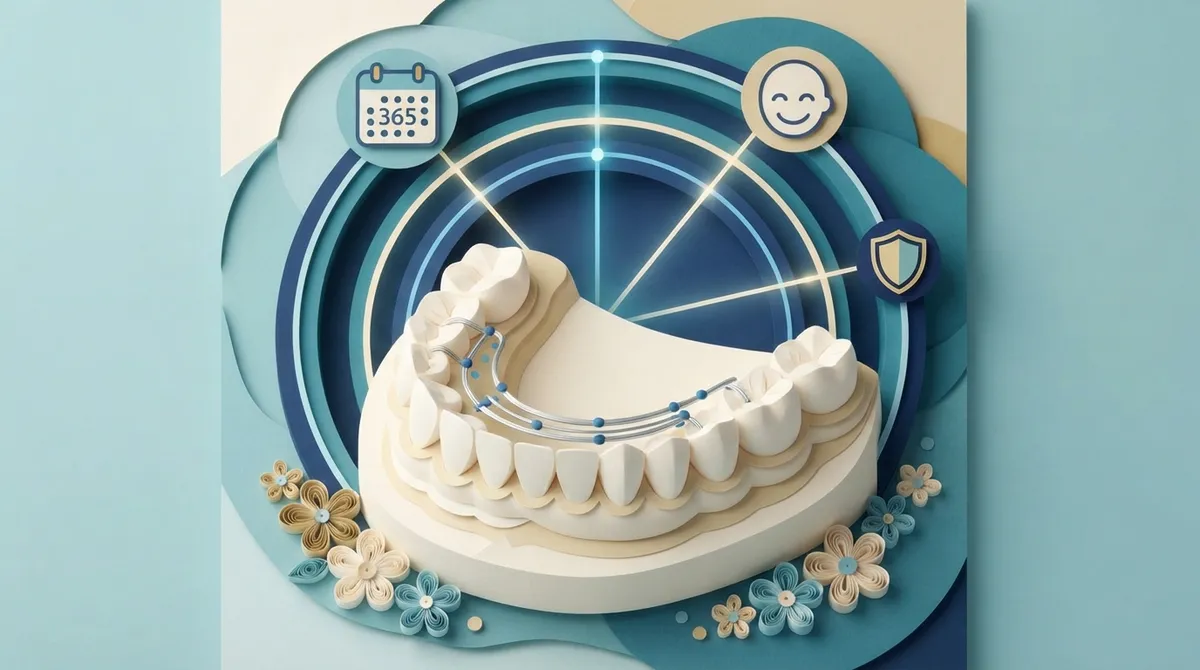
Here’s the honest truth: teeth want to move. Even after months or years of braces or clear aligners, your teeth can slowly shift if they aren’t held steady. A fixed retainer removes the guesswork because it doesn’t rely on you remembering to wear it.
- It stays in place 24 hours a day, so there’s no risk of losing it
- It’s nearly invisible since it sits behind your teeth
- It doesn’t affect your speech the way a removable retainer sometimes can
- It offers steady, long-term support for your front teeth
- It’s a great option for patients who struggle with compliance
This no-fuss reliability is a big reason so many parents and adult patients choose fixed retention after finishing treatment with braces or clear aligners.
3. How Fixed Retainers Compare to Removable Retainers
Both fixed and removable retainers can do a great job, but they work a little differently. Choosing the right one often comes down to your lifestyle, your bite, and what your orthodontist recommends for your specific smile.
| Feature | Fixed Retainer | Removable Retainer |
|---|---|---|
| Compliance needed | None, it stays in place | High, must be worn as directed |
| Visibility | Hidden behind teeth | Can be clear or visible depending on type |
| Cleaning | Requires extra flossing steps | Easy to remove and clean |
| Risk of loss | Very low | Higher, can be misplaced |
| Best for | Lower front teeth, high relapse risk | Overall bite retention, flexible wear |
Research reviewed in a 2023 evidence summary found there isn’t enough proof to say one method is better for every patient. That’s why Dr. Brockway personalizes retention plans instead of using a one-size-fits-all approach.
4. Who Benefits Most From Fixed Retention
Not every patient needs a fixed retainer, but some cases benefit greatly from this extra layer of support. During your first visit and throughout treatment, our team evaluates your bite to decide what’s best for you.
- Patients who had significant crowding before treatment
- People who had a noticeable gap, like a median diastema, closed during treatment
- Patients with previously impacted canines
- Anyone with periodontal concerns where tooth movement needs to be minimized
- Teens and young adults who may forget to wear a removable retainer consistently
- Adults returning after relapse who want a more dependable solution
If any of these sound like your situation, a fixed retainer might be the smart long-term choice for you.
5. How Long Do Fixed Retainers Actually Last?
Many patients are surprised to learn that fixed retainers can last for years, sometimes even decades, with good care. A 2019 review described them as suitable for lifelong retention in the right patients. That said, the wire and bonding material aren’t indestructible.
Regular checkups help us catch small issues before they become bigger ones. Dr. Brockway recommends periodic visits so we can inspect the wire and bonding, even if you feel like everything is fine.
6. What the Research Says About Fixed Retainer Success
Evidence continues to support fixed retainers as a strong option for keeping lower front teeth aligned. A 2023 review found that after four years, fixed retainers outperformed vacuum-formed removable retainers at maintaining lower front tooth alignment, although some shifting happened in both groups.
Another key finding: a canine-to-canine fixed retainer, which spans from one canine tooth to the other, tends to provide more stability than a shorter retainer that only touches the canines. This is one reason our team carefully plans retainer length based on your specific smile.
7. The Pros and Cons of Bonded Retainers
Like any dental appliance, fixed retainers have real advantages and a few trade-offs. Knowing both sides helps you make a confident, informed decision alongside your orthodontist.
Advantages
- Continuous protection without daily effort
- Discreet placement behind the teeth
- No worries about forgetting it at home or losing it
- Strong option for long-term stability of front teeth
Considerations
- Requires extra care when flossing
- Can make plaque control slightly trickier around the wire
- May occasionally come loose and need a repair visit
- Doesn’t correct movement in back teeth or bite issues
Most patients find the extra flossing effort is a small price to pay for such reliable results.
8. How to Clean Around a Fixed Retainer
Good oral hygiene keeps your fixed retainer working well and your gums healthy. It does take a little extra attention compared to brushing alone.
- Use a floss threader or orthodontic floss pick to get under the wire
- Consider a water flosser for an easier daily routine
- Brush gently along the back of your teeth where the wire sits
- Use fluoride toothpaste to protect enamel around the bonded area
- Schedule regular cleanings with your dentist to catch buildup early
According to the American Dental Association, consistent daily hygiene habits are essential for anyone with fixed dental appliances, including bonded retainers.
9. Signs Your Fixed Retainer May Need Attention
It’s important to know the warning signs of a retainer problem so you can get it fixed quickly. Waiting too long can allow your teeth to shift.
- A sharp or poking feeling on your tongue
- Visible gap between the wire and a tooth
- The wire feels loose when you touch it with your tongue
- You notice slight shifting or new spacing between teeth
- Discomfort or unusual pressure near the bonded area
If you notice any of these signs, don’t wait. Reach out to contact our team so we can take a look before small issues turn into bigger ones.
10. Can a Fixed Retainer Break or Come Loose?
Yes, it can happen, especially if you bite into something hard or apply too much pressure with your tongue. A loose retainer isn’t usually an emergency, but it should be checked soon.
Our guide on what to do if your retainer breaks walks through simple steps to protect your smile until your appointment. Never try to fix or remove the wire yourself.
11. Fixed Retainers After Braces or Spark Clear Aligners
Whether you finished treatment with traditional braces or Spark™ Clear Aligners, a fixed retainer can be a great next step. Many of our patients love that they can move seamlessly from active treatment into a low-maintenance retention phase.
Dr. Brockway often recommends pairing a fixed retainer on the lower front teeth with a removable retainer for the top arch. This combination gives you the best of both worlds: dependable protection where relapse risk is highest, plus flexibility elsewhere. Learn more about your options on our Spark Clear Aligners page.
12. Fixed Retainers for Relapse Patients
If you had braces years ago and your teeth have shifted again, you’re not alone. Orthodontic relapse is common, especially for patients who stopped wearing their retainer too soon. The good news is a fixed retainer can be part of your fresh start.
Adults returning for retreatment often appreciate the low-maintenance nature of bonded retainers the second time around. After investing in a new smile, many patients tell Dr. Brockway they never want to go through relapse again, and a fixed retainer offers real peace of mind.
13. Choosing the Right Orthodontist for Your Retention Plan
Not every orthodontic office treats retention with the same level of care. At Brockway Orthodontics, we believe your retainer plan deserves just as much attention as your active treatment. Dr. Brockway takes time to explain your options clearly so you always know what to expect.
Our Clearwater practice uses modern technology, including digital impressions and 3D imaging, to design retainers that fit precisely and comfortably. You can read what real patients say by visiting us on Instagram or checking out Facebook for updates from our office. You can also visit us on Google — Brockway Orthodontics to see what our patients are saying about their experience.
A Few More Common Questions About Retention
Many families ask us how retention fits into the bigger picture of orthodontic care. Whether you’re exploring adolescent treatment for your teen or considering adult treatment for yourself, retention planning should always be part of the conversation from day one. Groups like the Florida Association of Orthodontists also emphasize that proper retention is just as important as the active phase of treatment.
We always encourage patients to ask questions early. Understanding your retention options before treatment even starts helps you feel confident about the whole journey, from your very first consultation through years down the road.
Your Smile Deserves Long-Term Protection
A beautiful, straight smile is worth protecting for the long haul. Fixed retainer orthodontics offers a dependable, low-effort way to keep your teeth exactly where they belong after braces or clear aligners. Whether you’re a parent planning ahead for your teen, an adult protecting your investment, or someone getting back on track after relapse, Dr. Brockway and our Clearwater team are here to guide you every step of the way.
Ready to talk about your retention options or start your smile journey? Book your appointment online today and let’s keep your smile looking its best for years to come.
FAQs
Q: What is a fixed retainer in orthodontics?
A: A fixed retainer is a thin wire bonded to the back of your front teeth to hold them in place after braces or clear aligners. It works quietly in the background, so you never have to remember to put it in or take it out.
Q: How long do fixed retainers last?
A: Many fixed retainers last for years, and some patients keep them for decades with good care. Regular checkups with your orthodontist help make sure the wire and bonding stay strong over time.
Q: Are fixed retainers better than removable retainers?
A: It really depends on your smile and lifestyle. Fixed retainers are great because they don’t rely on you remembering to wear them, but removable retainers offer more flexibility, and your orthodontist can help you decide which fits best.
Q: How do you clean around a fixed retainer?
A: You’ll want to use floss threaders, orthodontic floss picks, or a water flosser to clean under the wire each day. A little extra effort goes a long way in keeping your gums and teeth healthy around the bonded area.
Q: Can a fixed retainer break or come loose?
A: Yes, it can happen if you bite something hard or apply too much pressure with your tongue. If your retainer feels loose or you notice a poking wire, give your orthodontist a call so it can be fixed quickly.
Our Service Area