Key Takeaways
-
Schedule an orthodontic check-up by age 7 as a diagnostic evaluation, not an automatic start to braces treatment; many children require only monitoring or no treatment at all.
-
Avoid waiting until all baby teeth are gone before evaluation; the mix of baby and adult teeth around age 7 provides a critical window to assess bite development and guide growth.
-
Early interceptive treatment is only for specific problems like crossbites, jaw shifts, or severe crowding—not routine use for every child.
-
Straight-looking teeth can hide serious bite problems like crossbites or jaw shifts; a professional exam reveals issues invisible to the naked eye.
-
Maintain regular dental visits and teach proper oral hygiene alongside orthodontic treatment; braces create additional spaces where food accumulates, increasing cavity risk.
-
Wear retainers consistently after treatment ends to prevent teeth from drifting back; retention is a critical final phase, not optional.
Every parent wants to do right by their child’s smile. But with so much advice floating around, it’s easy to trip up. Maybe you’ve heard that braces should wait until the teen years. Maybe a friend told you every seven-year-old needs an expander. Both ideas can lead families astray.
Here’s the good news: child orthodontics doesn’t have to feel confusing. It simply means checking and guiding how your child’s teeth, bite, and jaws grow. When you know what to do (and what to skip), you can save time, stress, and money.
In this friendly guide, we’ll walk through 13 common mistakes parents make with child orthodontics, plus what to do instead. Whether your little one just lost a first tooth or your tween is already in a mouthful of mixed teeth, you’ll find clear, simple answers here. And remember, you’re not expected to figure this out alone. That’s what an orthodontic team is for!
What Is Child Orthodontics, Really?
Child orthodontics is the care of growing smiles. An orthodontist looks at tooth alignment, bite, and jaw growth while your child’s face and teeth are still developing. The goal is to spot small problems early and choose the right timing for treatment.
The American Association of Orthodontists (AAO) recommends a first orthodontic check-up by age 7, or sooner if you or your dentist notice a concern. That is an evaluation, not a promise of braces. After the exam, the plan might be to do nothing, watch and wait, or begin early treatment.
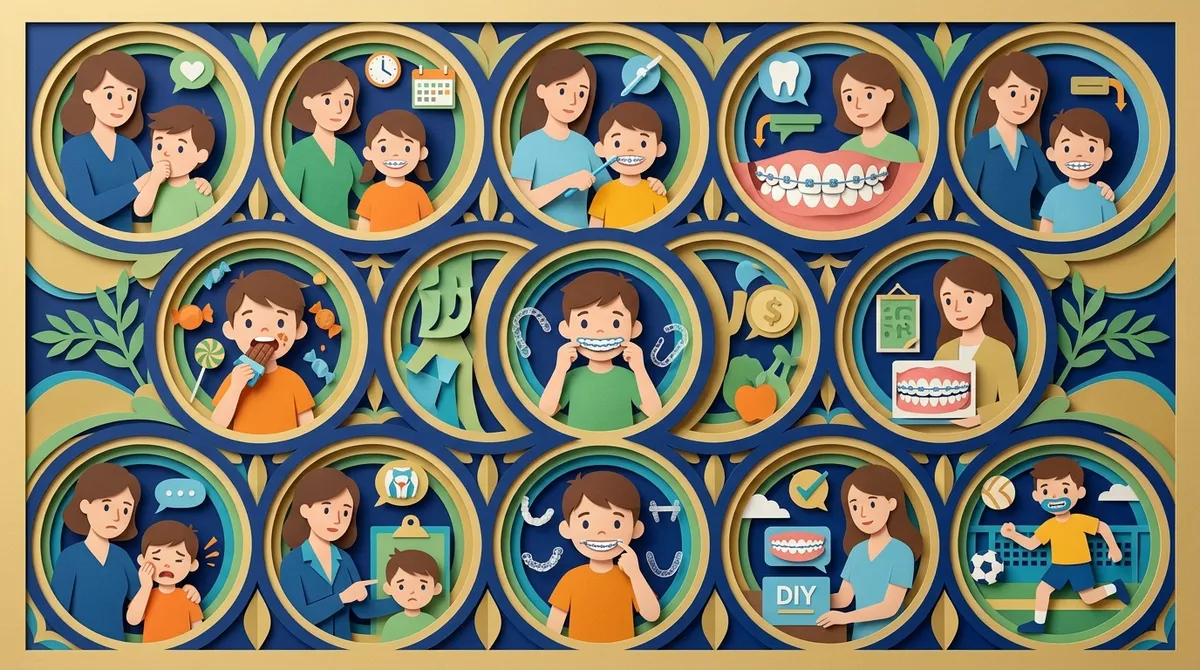
13 Mistakes to Avoid With Child Orthodontics
1. Assuming Age 7 Means Braces Right Away
This is the biggest myth out there. A check-up at age 7 is a look-see, not a start date. Many kids leave that first visit with no treatment at all, just a friendly plan to monitor growth. At your first visit, we focus on listening, examining, and explaining your options in plain language.
2. Waiting Until Every Baby Tooth Is Gone
Some parents wait for all the permanent teeth to arrive before booking anything. But around age 7, many kids have a mix of baby and adult teeth. That mix gives an orthodontist a helpful window into how the bite is developing. Some issues are easier to guide while a child is still growing. If you want the full picture on timing, our guide on when your child should first see an orthodontist breaks it down.
3. Treating Every Child the Same Way
Your child is one of a kind, and so is their treatment plan. The American Academy of Pediatric Dentistry (AAPD) also stresses diagnosis, growth stage, and a plan made just for the child. A cookie-cutter approach rarely works. Your neighbor’s kid may need an expander while yours needs only a watchful eye.
4. Ignoring Habits That Shape the Jaw
Thumb sucking, long-term pacifier use, and mouth breathing can affect how teeth and jaws develop. Most kids outgrow these habits without trouble. But if they continue, mention them at your visit. Early support can make a real difference. Gentle encouragement works better than scolding, so keep it positive!
5. Skipping the Check-Up Because Teeth Look Straight
Straight-looking teeth can still hide bite problems. A child might have a crossbite, a jaw shift, or an unseen eruption issue that isn’t obvious from a smile in the mirror. A quick exam can reveal what the eye can’t. Not sure what to look for? Here are 9 signs your child needs braces that parents often notice.
6. Thinking Early Treatment Is Always Needed
On the flip side, early treatment is not for everyone. Interceptive treatment is meant for selected problems, not routine use. It may be a good fit for things like:
- Certain crossbites or underbites
- Jaw shifts that affect how the teeth meet
- Severe crowding
- Missing or misplaced (ectopic) teeth
- Harmful oral habits that affect the teeth or jaw
If your child doesn’t have these concerns, waiting is often perfectly fine. Learn more about when it helps on our early treatment page.
7. Confusing Phase 1 and Phase 2
Some children benefit from treatment in phases. Phase 1 usually happens while baby and adult teeth are mixed, and it targets specific problems like narrow jaws or a bite shift. Phase 2 comes later, once the permanent teeth are in, and fine-tunes the final alignment. A rest period often sits between the two. The key is to avoid nonstop active treatment from early childhood through the teen years when possible.
| Feature | Phase 1 (Early) | Phase 2 (Comprehensive) |
|---|---|---|
| Typical timing | Mixed baby and adult teeth | Mostly or all permanent teeth |
| Main goal | Guide jaw growth, fix specific problems | Align teeth and perfect the bite |
| Common tools | Expanders, space maintainers, partial braces | Braces or clear aligners |
| Needed for every child? | No, only selected cases | Many children, but not all |
8. Overlooking the Importance of Records and Diagnosis
A good plan starts with a good exam. Your orthodontist may use a clinical exam and diagnostic records, which can include X-rays, to understand what’s happening beneath the gums. Skipping this step is like driving without a map. If you’re curious how this looks in real life, see what to expect during your orthodontic exam.
9. Believing Braces Are the Only Option
Child orthodontics includes more than braces. Treatment may use fixed or removable appliances, space maintenance, or expansion. For older kids and teens, clear aligners can also be a great choice. We offer Spark™ Clear Aligners as a budget-friendly alternative, along with metal and ceramic braces. Not sure which is right? Our guide to braces vs. clear aligners for kids can help.
10. Dropping Regular Dental Visits
An orthodontic evaluation does not replace routine dental care. Your child still needs cleanings and check-ups with the dentist. Keep those visits on the calendar, and keep brushing twice a day. Orthodontic work and general dental care are teammates, not rivals.
11. Forgetting That Hygiene Gets Harder With Appliances
Braces and appliances create extra nooks where food likes to hide. If your child skips careful brushing, they risk stains and cavities. Show them how to brush around brackets, use floss threaders, and rinse well. Our tips on how to brush teeth with braces make this easy to teach. Pro tip: a fun timer or favorite song makes brushing feel less like a chore.
12. Skipping the Retainer Stage
After treatment, teeth like to drift back. Retention is a normal and important part of the process, and an observation period may follow a treatment phase. If your child wears a retainer, make sure they actually wear it as directed. You can read more about retainers and why they protect all that hard work.
13. Letting Cost Worries Stop You From Asking
Many families delay a visit because they fear the price tag. But a consultation is simply a chance to learn what, if anything, your child needs. Costs vary from case to case, so there’s no single price to quote. The best move is to ask. Our team can walk you through financing and insurance options so there are no surprises.
A Quick Parent Checklist for Child Orthodontics
Not sure where to start? Use this simple list to guide your next steps.
- Book an orthodontic check-up by age 7, or sooner if something seems off.
- Tell the orthodontist about habits like thumb sucking or mouth breathing.
- Ask whether your child needs treatment now, later, or just monitoring.
- Keep up with regular dental cleanings alongside orthodontic visits.
- Teach good brushing and flossing habits early.
- Ask about retainers and what happens after treatment ends.
Signs It May Be Time for an Evaluation
You don’t need to be an expert to notice red flags. Watch for these clues:
- Teeth that seem crowded or crooked
- Baby teeth that come out very early or very late
- Trouble biting or chewing
- A jaw that shifts or clicks when your child opens and closes
- Upper and lower teeth that don’t meet the way they should
- Ongoing thumb sucking past the toddler years
If you spot any of these, it’s worth a visit. AAO patient guidance notes that orthodontic treatment most often begins between ages 9 and 14, though some specific problems may call for earlier care. So if your child is a bit older, there’s no need to panic. It’s rarely too late to ask questions.
Why Families Choose Brockway Orthodontics
Here at Brockway Orthodontics, we love working with families in Clearwater, Florida. Dr. Brockway takes time to listen to your concerns and explain things in a friendly, easy way. She wants parents and kids to feel comfortable from the very first hello.
Our practice uses modern tools like digital impressions (no messy molds!) and 3D imaging to plan care with precision. In certain cases, we can even offer same-day treatments, which is a lifesaver for busy families juggling school and sports. Take a peek at our office to see the welcoming space for yourself.
Curious what other parents think? You can visit us on Google — Brockway Orthodontics to read reviews from our Clearwater families. We also love sharing smile stories on Instagram.
How Long Does Child Orthodontic Treatment Take?
This depends on the child and the problem. A simple Phase 1 appliance may stay in for several months, while comprehensive treatment with braces often takes longer. Your orthodontist can give you a realistic estimate after the exam. Be wary of anyone who promises one fixed timeline for every child.
Wondering about comfort? Many kids feel mild soreness for a few days after getting braces or adjustments. Soft foods and a little patience usually do the trick. Most children adjust quickly, and many are proud to show off their new gear!
Reliable Resources for Parents
Good information makes better decisions. The Florida Association of Orthodontists shares helpful guidance for local families, and the American Dental Association offers solid advice on overall oral health. Use them alongside your orthodontist’s personal recommendations.
Ready to Give Your Child a Healthy, Happy Smile?
Child orthodontics is really about timing, teamwork, and a plan made just for your kid. Skip the myths, avoid these 13 mistakes, and you’ll be well on your way. Whether your child needs early help, a watchful eye, or nothing at all right now, getting answers is the smartest first step.
Ready to take that step? Book an appointment online and let’s chat about your child’s smile. Have questions first? Just contact us, and our friendly team will be happy to help.
FAQs
Q: When should a child first see an orthodontist?
A: The American Association of Orthodontists recommends a first check-up by age 7, or sooner if you or your dentist spot a concern. Think of it as a friendly look-around, not a sign your child needs braces right away.
Q: Does every 7-year-old need braces or orthodontic treatment?
A: Nope! Many kids leave their first visit with no treatment at all. After an exam, the orthodontist may suggest simply monitoring growth, waiting until later, or starting early care for specific problems.
Q: What is the difference between Phase 1 and Phase 2 orthodontic treatment?
A: Phase 1 happens while your child still has a mix of baby and adult teeth and targets certain problems, like a narrow jaw or crossbite. Phase 2 comes later, once most permanent teeth are in, and fine-tunes the final alignment with braces or aligners.
Q: Are braces or orthodontic appliances painful for children?
A: Most kids feel mild soreness for a few days after getting braces or an adjustment, and then it fades. Soft foods and a little patience usually help, and most children adjust quickly.
Q: How much does child orthodontic treatment cost, and does insurance cover it?
A: Costs depend on your child’s needs and the type of treatment, so there’s no one-size-fits-all price. The best way to know is to schedule a consultation, where our team can review financing and insurance options with you.
Our Service Area