Key Takeaways
-
New or widening gaps in adults can signal gum disease, which damages bone supporting teeth; always get professionally evaluated before attempting cosmetic fixes, as treating gum health must come first.
-
Each gap has a different cause (genetics, oversized frenum, tongue thrust, etc.), so DIY treatments are risky; a professional orthodontist must examine your bite, take digital scans, and check for missing/extra teeth or bone loss.
-
Teeth naturally drift back after treatment, so consistent long-term retainer use is essential to prevent gaps from reopening; skipping your retainer routine is one of the most common and frustrating post-treatment mistakes.
-
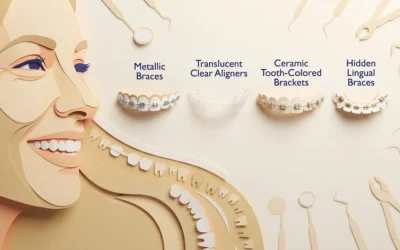
Treatment method varies by gap size and complexity: braces work for larger gaps and bite issues, clear aligners suit mild-moderate gaps, bonding/veneers work for small gaps with healthy alignment, and frenectomy only if frenum is confirmed as the cause.
-
Timeline varies based on gap width, tooth root angles, gum/bone health, consistency with treatment, and retention needs; expecting overnight results sets you up for disappointment, so patience with proper professional guidance pays off.
-
Many childhood gaps close naturally once permanent teeth erupt, but professional monitoring during checkups is crucial to catch problems early; for adolescents, avoid rushing treatment without confirming it's medically necessary.
Noticing a gap between your front teeth? You’re definitely not alone, and here’s some good news: you have more options than you might think. Gapped teeth, known in dental terms as diastema, can happen to kids, teens, and adults alike. Some gaps close on their own. Others need a little help from an orthodontist. The tricky part is that many people make avoidable mistakes when trying to fix their smile, which can waste time, money, and even affect their oral health along the way.
At Brockway Orthodontics in Clearwater, we’ve helped countless patients close gaps safely and confidently. This friendly guide walks you through the most common missteps people make with gapped teeth treatment, so you can skip the guesswork and get straight to a smile you’ll love. Let’s dig in together!
What Exactly Is a Gapped Tooth Situation?
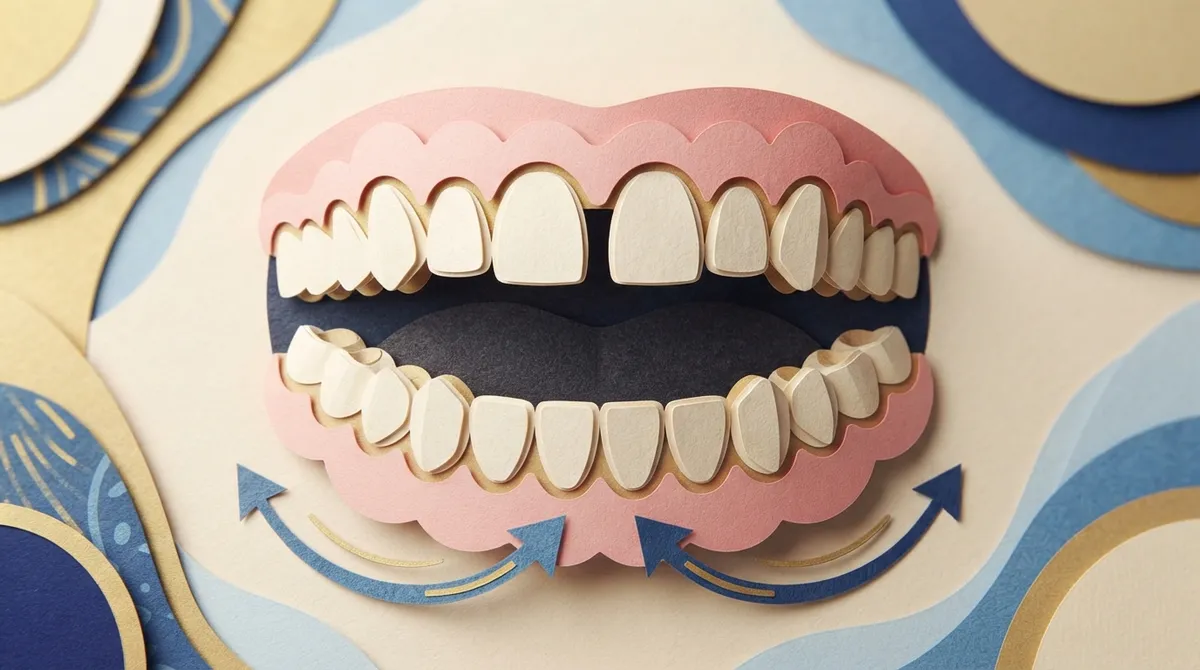
A diastema is simply a visible space between two teeth. It’s most common between the upper front teeth, but gaps can pop up anywhere in your mouth. Some gaps involve just one space; others include several teeth with spacing throughout.
Doctors often define a true gap as a space larger than about 0.5 millimeters between the upper central incisors, though this can vary. Whatever the size, understanding the cause is the first step toward the right fix.

13 Mistakes to Avoid When Treating Gapped Teeth
1. Ignoring a New or Widening Gap in Adulthood
If you’re an adult and suddenly notice a gap forming or growing wider, don’t brush it off as a cosmetic quirk. This can be an early warning sign of gum disease, which slowly damages the bone that holds your teeth in place. Skipping a checkup here is a big mistake because treating gum health always comes first, before any cosmetic fix.
2. Assuming All Gaps Have the Same Cause
Not every gap is created equal. Common causes include:
- Mismatched tooth and jaw size passed down through genetics
- Undersized or missing teeth
- An oversized or misplaced piece of tissue called the labial frenum
- Tongue thrust or resting your tongue against your front teeth
- Childhood thumb-sucking habits
- Bite problems or teeth that lean the wrong way
One research review found imperfect fusion at the midline accounted for about 32.9% of cases, an enlarged frenum for 24.4%, natural growth spacing for 23.2%, missing lateral incisors for 11%, extra teeth for 3.7%, and small teeth for 2.4%. Since causes vary so much, a proper exam matters more than guessing.
3. Skipping the Professional Evaluation
DIY gap-closing gadgets you find online might seem tempting, but they can cause real harm. A trained orthodontist will check your bite, take digital scans, and sometimes X-rays to look for missing teeth, extra teeth, or bone loss. This step protects your long-term dental health, not just your smile’s appearance.
4. Rushing to Blame the Frenum
Many people assume an enlarged frenum (that little strip of tissue between your gum and upper lip) is automatically the cause of their gap. That’s not always true. A frenectomy, the procedure to trim this tissue, should only happen after a full exam confirms it’s actually contributing to the space. It’s usually paired with orthodontic treatment rather than done alone.
5. Choosing Cosmetic Fixes Without Checking Alignment
Bonding and veneers can absolutely close small gaps by adding width to your teeth. But if your bite or tooth alignment is off, these methods might not last, and they don’t fix the underlying issue. Combining cosmetic dentistry with orthodontic care, like braces or clear aligners, often gives the best long-term result.
6. Believing Every Gap Needs Fixing
Here’s a refreshing truth: not every gap is a problem. If your teeth and gums are healthy and you’re happy with your smile, treatment isn’t medically necessary. This decision is personal, and a good orthodontist will never pressure you into fixing something that doesn’t bother you.
7. Letting Kids’ Gaps Go Unmonitored
On the flip side, parents sometimes worry too much about a young child’s gap. Many gaps between baby teeth close naturally once the permanent canine teeth come in. The mistake isn’t waiting, it’s failing to have a professional monitor the situation during early treatment checkups to catch anything that needs attention.
8. Picking the Wrong Treatment Method
Not every gap responds the same way to every tool. Here’s a simple breakdown to help you understand your choices:
| Treatment Option | Best For | What It Does |
|---|---|---|
| Traditional Braces | Larger gaps, multiple spacing issues, bite correction | Gradually moves teeth using brackets and wires |
| Clear Aligners | Mild to moderate gaps, adults and teens wanting discretion | Custom trays slowly shift teeth into place |
| Composite Bonding | Small gaps, minor tooth-size differences | Adds tooth-colored material to widen teeth |
| Porcelain Veneers | Cosmetic gaps with healthy alignment | Thin shells placed over the front of teeth |
| Frenectomy | Cases with confirmed frenum involvement | Removes or repositions the frenum tissue |
Our team walks through the pros and cons of each orthodontic service during your consultation so you pick what truly fits your needs.
9. Forgetting About Retention After Treatment
Closing a gap feels amazing, but teeth naturally want to drift back to where they came from. Skipping your retainer routine is one of the most common (and frustrating) mistakes. Wearing your retainer as directed, sometimes long-term, keeps your new smile exactly where it belongs.
10. Underestimating Treatment Time
There’s no universal timeline for closing a gap. Duration depends on several things:
- How wide the gap is
- The angle of the tooth roots
- Your gum and bone health
- Whether other bite issues need correcting
- How consistently you wear aligners or keep appointments
- Your retention plan after active treatment ends
Expecting an overnight fix sets you up for disappointment. Patience pays off with a lasting result.
11. Not Asking About Cost and Financing Upfront
Treatment costs vary widely based on the method and complexity of your case. Avoid the mistake of skipping this conversation early on. Ask about financing and insurance options right from your first visit so there are no surprises later.
12. Overlooking Tongue Habits and Bite Function
Tongue thrusting, where your tongue pushes against your front teeth when you swallow or talk, can undo even great orthodontic work if it’s not addressed. The same goes for lingering thumb-sucking habits in kids. A thorough evaluation should always check for these functional causes, not just measure the visible gap.
13. Choosing Convenience Over Experience
It’s tempting to pick the closest office or the cheapest listed price without checking credentials. Gapped teeth treatment works best when it’s guided by someone who understands your whole bite, not just the space between two teeth. Dr. Brockway and her team take time to listen to your goals and build a plan that fits your life, not a one-size-fits-all approach.
Steps to a Confident, Gap-Free Smile
Ready to get started? Here’s what the process typically looks like at our Clearwater practice:
- Schedule your first visit for a full exam and digital scans
- Discuss your goals, concerns, and lifestyle with our team
- Review your personalized treatment options together
- Begin treatment with braces, aligners, or a combined approach
- Attend regular checkups to track your progress
- Transition into a retainer routine once your gap has closed
This approach keeps things simple and stress-free, whether you’re a parent bringing in a teen or an adult ready to finally close that gap you’ve had since childhood.
Gapped Teeth Across Different Life Stages
Parents and Adolescent Patients
If your child has a noticeable gap, don’t panic. Many gaps close naturally as adult teeth come in. Our adolescent treatment options are designed to monitor growth and step in only when truly needed.
Adult Professionals and Busy Lifestyles
Adults often prefer discreet options that fit a demanding schedule. Spark™ Clear Aligners offer a nearly invisible way to close gaps without disrupting your professional life, and they’re a more affordable alternative many patients love.
Orthodontic Relapse Patients
If a gap has reopened years after braces, you’re not starting from scratch, but you do need a fresh evaluation. Our adult treatment programs are built to address relapse with efficient, targeted care.
According to the American Dental Association, maintaining consistent dental checkups is key to catching bite and spacing changes early. The Florida Association of Orthodontists also emphasizes that a qualified specialist should always guide orthodontic decisions, especially when gum health is a factor.
Why Clearwater Families Choose Brockway Orthodontics
We believe every patient deserves a plan built just for them. Our practice combines modern technology, like digital impressions and 3D imaging, with a warm, welcoming atmosphere where questions are always encouraged. We even offer same-day treatment in certain cases, so you’re not stuck waiting weeks just to begin.
Curious what other patients think? You can visit us on Google — Brockway Orthodontics to read real reviews from families across Clearwater. You can also follow along on Instagram or connect with us on Facebook for smile transformations and helpful tips.
Your Next Step Toward a Gap-Free Smile
Gapped teeth treatment doesn’t have to be confusing or stressful. By avoiding these common mistakes and working with an experienced team, you’ll be on the fastest, safest path to a smile you’re proud of. Whether you’re a parent watching a child’s smile develop, a teen preparing for graduation photos, or an adult finally ready to invest in yourself, there’s a treatment plan waiting for you.
Ready to talk about your options? Book appointment online today and let Dr. Brockway and our friendly Clearwater team help you close that gap with confidence. Or if you have questions first, feel free to contact us, we’re always happy to chat!
FAQs
Q: What is the best treatment for gapped front teeth?
A: It really depends on the cause and size of the gap! Braces or clear aligners work great for most cases, especially when bite alignment is involved. For smaller gaps with healthy alignment, bonding or veneers might do the trick. The best way to know for sure is to come in for a friendly consultation so we can build a plan just for you.
Q: Can braces or clear aligners close a gap between teeth?
A: Absolutely, yes! Both braces and clear aligners like Spark™ are excellent at gradually moving teeth together while also fixing related bite or crowding issues. Which one is right for you depends on your gap size, lifestyle, and personal preference. We’ll happily walk you through both options at your visit.
Q: Will a gap between baby teeth close naturally?
A: Often, yes! Many gaps in young children shrink or close completely once the permanent canine teeth come in. That said, it’s still smart to have it checked during regular visits so we can catch anything that might need a little extra help along the way.
Q: Can gum disease cause teeth to become gapped?
A: It sure can, and this is why we always recommend getting new or widening gaps checked promptly. Gum disease can damage the bone supporting your teeth, causing them to shift or drift apart. Treating the gum issue always comes first, before any cosmetic gap-closing treatment begins.
Q: Will teeth gaps reopen after orthodontic treatment?
A: They can, if you skip wearing your retainer! Teeth naturally want to shift back over time, so consistent retainer use, sometimes long-term, is the secret to keeping your smile exactly where you love it. We’ll make sure you have a clear, easy retention plan before you leave our office.
Our Service Area