Key Takeaways
-
Schedule your child's first orthodontic check-up by age 7 to catch potential problems early while jaw growth can still be guided, though early evaluation doesn't mean immediate braces.
-
You don't need a dentist referral to see an orthodontist—call directly to book an appointment, and watch for warning signs like crowded teeth, mouth breathing, or improper bite that warrant earlier evaluation.
-
Most active orthodontic treatment begins between ages 9-16 depending on development; adults have no age limit and should compare credentials, ask specific consultation questions, and understand retention is essential after treatment.
-
Compare treatment options (braces vs. clear aligners) based on lifestyle and case complexity, discuss costs and insurance coverage upfront, and choose a provider who listens clearly and explains treatment steps transparently.
Trying to figure out when to see an orthodontist can feel confusing. Should your child go now, or wait a few years? Do you need a referral, or can adults just walk in? If you’ve ever typed “orthodontist recommendations” into a search bar late at night, you’re definitely not alone. Parents, teens, and adults all have questions, and the good news is the answers are simpler than you think.
At Brockway Orthodontics in Clearwater, we get these questions every single day. Dr. Brockway and her team believe every patient deserves clear, friendly guidance, not confusing dental jargon. This guide breaks down 13 real, practical orthodontist recommendations backed by the American Association of Orthodontists. Whether you’re a parent, a teen dreaming of a graduation-ready smile, or an adult professional finally ready for treatment, you’ll find something useful here.
1. Schedule Your Child’s First Check-Up By Age 7
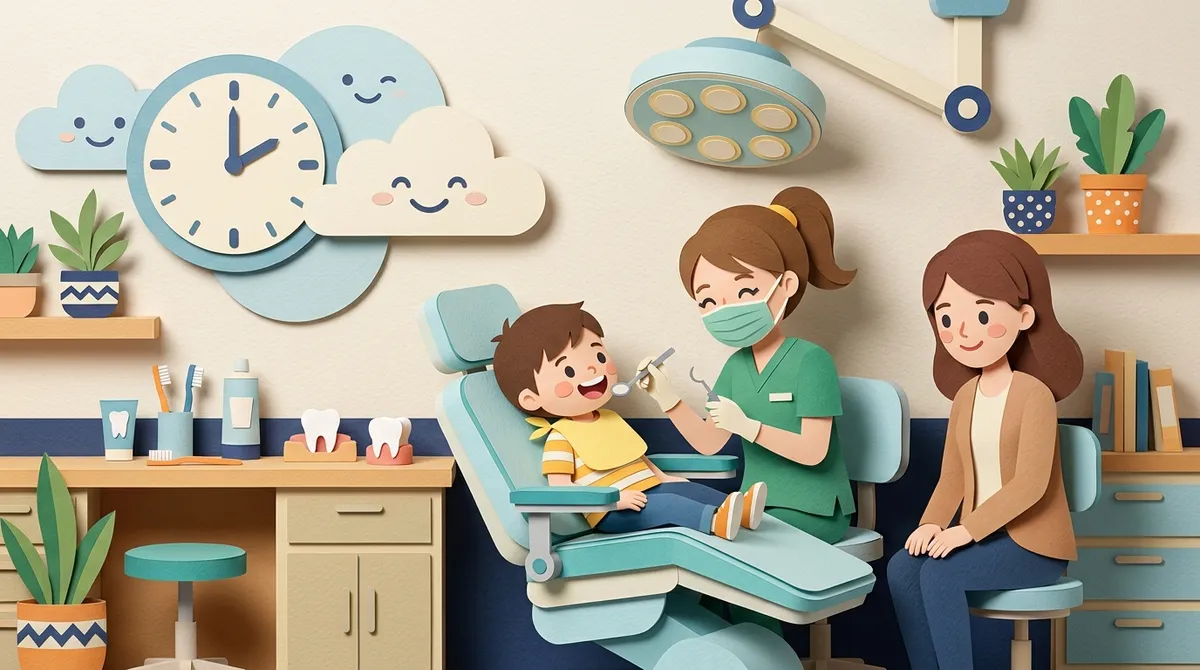
The Florida Association of Orthodontists and the AAO both recommend that every child get an initial orthodontic check-up by age 7. This might sound early, but it’s not about getting braces right away. It’s about catching potential problems while there’s still time to guide growth.
At age 7, kids usually have a mix of baby teeth and permanent teeth. This mix gives an orthodontist a clear picture of how the bite and jaw are developing. Learn more about early treatment options available for young patients.
2. Know That Age 7 Doesn’t Mean Immediate Braces
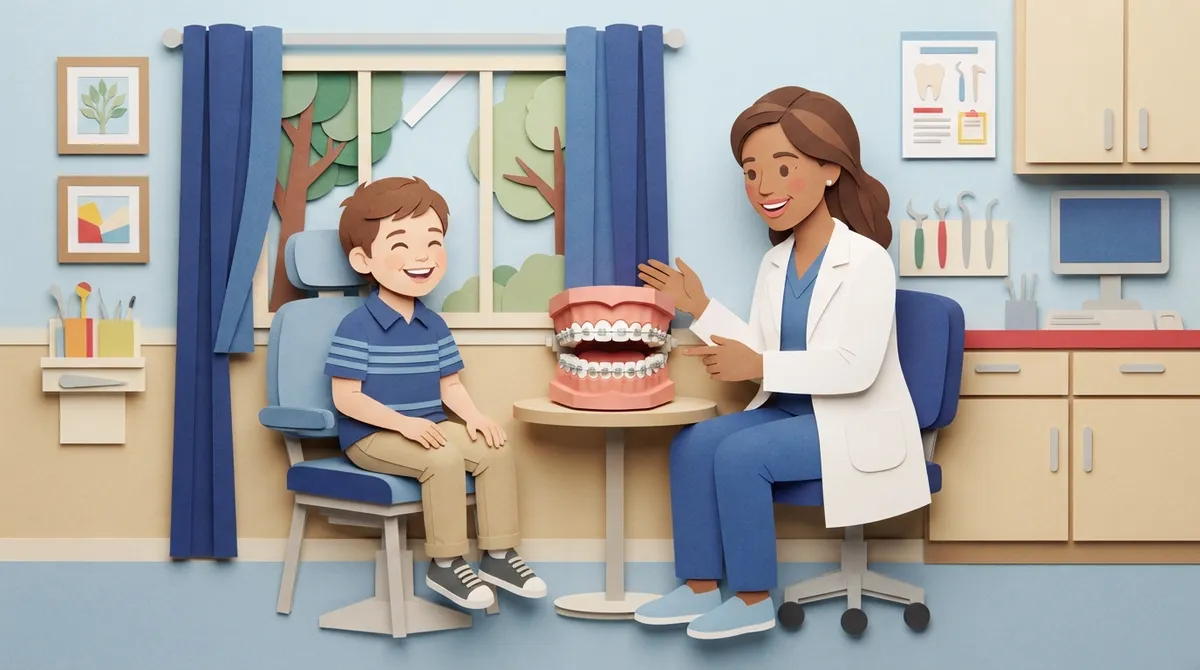
Here’s a common worry parents have: “Will my 7-year-old need braces right now?” Usually, the answer is no. An early check-up is simply a screening visit.
Many kids just need periodic monitoring for a few years. Others may benefit from a small, early intervention to guide jaw growth before all the adult teeth come in. The goal is prevention, not rushing into treatment too soon.
3. You Don’t Need a Dentist Referral
Many families think they need a referral from their family dentist before seeing an orthodontist. That’s simply not true. You can call or book directly with an orthodontic office whenever you’re ready.
That said, dentists often spot early warning signs during regular cleanings and will suggest an evaluation. Either way works! Families can also book appointment online without waiting on anyone else’s paperwork.
4. Watch for These Common Warning Signs
Not sure if your child needs an evaluation sooner than age 7? Here are signs that mean it’s time to schedule a visit:
- Crowded, overlapping, or crooked teeth
- Noticeable gaps or spacing between teeth
- Difficulty chewing or biting food
- Mouth breathing or snoring at night
- Thumb or finger sucking past age 5
- Teeth that don’t meet correctly when the mouth closes
- Jaws that shift or make sounds when opening
- Losing baby teeth very early or very late
If you notice any of these, don’t wait for the age-7 mark. Reach out sooner rather than later.
5. Understand the Typical Treatment Age Range
Most active orthodontic treatment, like full braces or clear aligners, begins somewhere between ages 9 and 16. This range depends on how a child’s jaw and teeth are developing, not just their birthday.
Some kids need two phases of treatment: an early phase to guide growth, followed by a second phase once all adult teeth arrive. Others only need one phase during the teen years. Every smile is different, which is why personalized adolescent treatment plans matter so much.
6. Remember That Adults Can Get Treatment Too
There’s no upper age limit for orthodontic care. More adults than ever are choosing to finally straighten their teeth, whether for confidence, comfort, or health reasons.
Adult treatment does require a bit more thought around gum health, bone support, and any previous dental work. A thorough evaluation helps determine the safest, most effective path forward. Explore adult treatment options designed with busy professionals in mind.
7. Compare Credentials Before Choosing a Provider
Not every dental provider has the same orthodontic training. Here’s a simple checklist to compare providers:
- Confirm they completed an accredited orthodontic residency program
- Check their state licensing status
- Ask how many years they’ve treated cases like yours
- Look at real patient reviews and before-and-after photos
- Ask if they use modern imaging and digital scanning technology
- Find out about emergency availability
- Compare treatment timelines and retention plans
Dr. Brockway’s training and dedication to ongoing education make her a trusted choice for families across Clearwater. You can meet Dr. Brockway and learn about her approach to personalized care.
8. Ask the Right Questions During Your Consultation
A good consultation should feel like a conversation, not a sales pitch. Bring these questions with you:
- What’s causing my (or my child’s) specific orthodontic issue?
- What treatment options do you recommend, and why?
- How long will treatment realistically take?
- What happens if I miss appointments or don’t wear aligners as directed?
- What does retention look like after treatment ends?
- What’s included in the total cost?
Your first visit should leave you feeling informed, not overwhelmed.
9. Get a Second Opinion for Complex Cases
If your treatment plan involves surgery, extractions, or a lengthy timeline, it’s completely reasonable to get a second opinion. Trustworthy orthodontists won’t be offended by this request.
A second opinion can confirm your original plan or reveal a simpler, less invasive option. Either way, you’ll move forward with more confidence.
10. Compare Braces and Clear Aligners Honestly
One of the biggest questions patients ask is whether to choose braces or clear aligners. Here’s a quick comparison table to help:
| Feature | Traditional Braces | Clear Aligners (like Spark™) |
|---|---|---|
| Visibility | Visible metal or ceramic brackets | Nearly invisible trays |
| Removability | Fixed, cannot remove | Removable for eating and brushing |
| Best For | Complex bite issues, younger patients | Mild-to-moderate cases, busy adults |
| Maintenance | Requires special brushing tools | Simple cleaning routine |
| Diet Restrictions | Avoid sticky, hard foods | Remove trays to eat anything |
Both options work well. It really depends on your lifestyle, budget, and the complexity of your smile. Learn more about Spark™ Clear Aligners or all about braces to decide what fits you best.
11. Understand Costs and Insurance Coverage
Cost is often the biggest hesitation for families considering treatment. Here’s a simple breakdown of what impacts pricing:
| Factor | How It Affects Cost |
|---|---|
| Treatment Type | Metal braces are often more affordable; clear aligners vary by case |
| Case Complexity | Longer or more complex cases may cost more |
| Insurance Coverage | Many plans cover a portion, especially for dependents under 18 |
| Payment Plans | Monthly financing can make treatment more manageable |
Our team walks every family through financing and insurance options so nothing feels like a surprise.
12. Don’t Skip the Retention Phase
Finishing active treatment is exciting, but it’s not the finish line. Retainers keep your teeth from shifting back to their old positions.
Ask your provider clearly how long you’ll need to wear retainers and how often. Skipping this step is one of the most common reasons people need retreatment later. Check out our retainers page for guidance on keeping your smile in place for good.
13. Choose a Provider Who Feels Like Family
At the end of the day, the best orthodontist recommendation is simple: choose someone who listens, explains things clearly, and treats you like a person, not a case number.
Dr. Brockway and her Clearwater team pride themselves on building real relationships with every patient. From same-day treatment options to friendly explanations of every step, we want you to feel confident from your very first visit. You can also visit us on Google — Brockway Orthodontics to see what our patients and their families have to say.
Why Following These Recommendations Matters
Following solid orthodontist recommendations helps you avoid wasted time, unnecessary costs, and treatment regrets. It also gives you peace of mind knowing you’re making informed decisions for yourself or your child. The American Dental Association also encourages regular dental checkups alongside orthodontic care to support overall oral health.
Whether you’re a parent scheduling that first age-7 visit, a teenager excited for straighter teeth before prom season, or an adult professional finally ready to invest in your smile, these 13 recommendations give you a clear roadmap. Every smile journey looks a little different, and that’s exactly why personalized care matters so much.
Ready to Take the Next Step?
If you’ve been putting off that first orthodontic visit, now’s a great time to change that. Our friendly Clearwater team is ready to answer your questions and create a treatment plan that fits your life. Book appointment online today, or contact us to learn more about how Brockway Orthodontics can help your whole family smile with confidence. You can also follow along with patient stories and smile transformations on our Instagram and Facebook pages.
FAQs
Q: At what age should a child first see an orthodontist?
A: The AAO recommends an initial check-up by age 7, but honestly, earlier is fine if you notice any concerns. This early visit is just a friendly screening, not a commitment to braces right away!
Q: Do I need a dentist referral to see an orthodontist?
A: Nope, you don’t need one at all! You can call our Clearwater office directly and schedule a consultation whenever you’re ready, no referral required.
Q: Does every child who sees an orthodontist at age 7 need braces?
A: Not at all. Most kids just need monitoring for a few years. The early visit helps us catch potential issues early, so we can plan the best timing if treatment is ever needed.
Q: Can adults get braces or clear aligners?
A: Absolutely! There’s no age limit for a great smile. Many adults choose Spark™ Clear Aligners for a more discreet option that fits busy professional schedules.
Q: How much does orthodontic treatment cost, and does insurance cover it?
A: Costs vary based on treatment type and case complexity, but many insurance plans help cover part of the expense, especially for kids. Our team is happy to walk you through financing options so there are no surprises.
Our Service Area