Key Takeaways
-
Most orthodontic emergencies are not truly life-threatening; manage minor issues like poking wires with wax and a pencil eraser, and call your orthodontist only if irritation persists.
-
Distinguish between urgent appliance problems requiring same-day orthodontist contact (severe pain, swelling, infection signs, difficulty eating/speaking) and those manageable at home until your next visit.
-
Never attempt DIY fixes for broken appliances, damaged aligners, or misaligned wires; bring broken pieces to your appointment and let trained professionals handle repairs.
-
Prevent emergencies by attending every scheduled appointment, avoiding hard/sticky/crunchy foods, wearing sports mouthguards with braces, and practicing proper oral hygiene around appliances.
-
For lost or cracked aligners, switch back to your previous tray and contact your orthodontist immediately rather than skipping ahead, as this can derail your treatment plan.
-
Go to the ER only for heavy bleeding, breathing difficulty, or suspected jaw trauma; use warm saltwater rinses for mouth sores and know your orthodontist’s after-hours contact method.
Picture this: it’s a Sunday evening, your teen bites into popcorn, and suddenly a wire is poking their cheek. Panic sets in, and you’re not sure whether to rush to the ER or wait until Monday. Here’s the good news: most orthodontic emergencies are far less scary than they feel in the moment, and knowing what to do (and what not to do) makes all the difference.
At Brockway Orthodontics in Clearwater, we’ve helped countless families navigate these bumps in the road. Whether you’re a parent managing your child’s braces, a busy professional with clear aligners, or an adult back in treatment after years away, understanding orthodontic emergencies helps you stay calm and act smart. This guide walks through the most common mistakes people make and how to avoid them, so you can protect your smile and your treatment timeline.
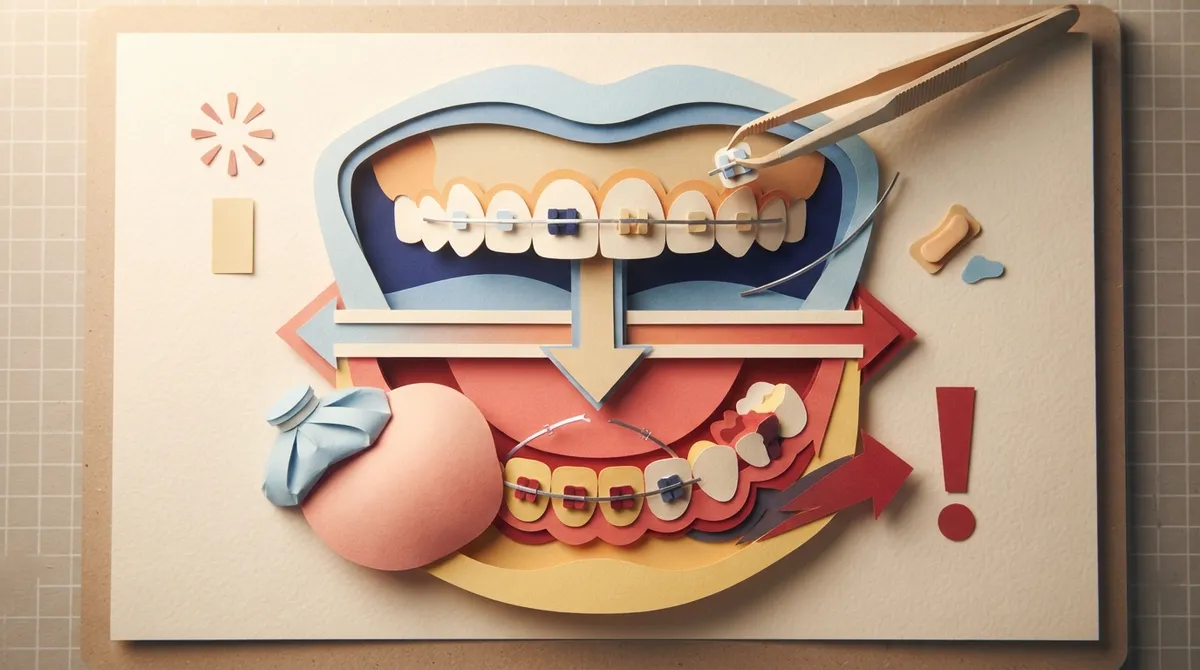
What Counts as an Orthodontic Emergency, Really?
An orthodontic emergency is any sudden problem with your braces, aligners, or other appliance that needs attention sooner than your next scheduled visit. That said, most of these situations are urgent, not truly life-threatening. Knowing the difference helps you respond appropriately instead of overreacting or underreacting.
According to the American Association of Orthodontists, true emergencies are rare, but appliance issues that cause pain or interfere with eating and speaking still deserve prompt care. A 2020 clinical review even found that phone or video triage with photos can resolve many cases without an in-person visit right away.
Mistake 1: Assuming Every Problem Is a True Emergency
Not every poking wire or loose bracket requires a midnight trip to urgent care. Most appliance issues can wait until the next business day if you manage discomfort at home first. Save the panic for situations involving heavy bleeding, trouble breathing, or suspected jaw trauma.
Mistake 2: Ignoring Real Warning Signs
On the flip side, don’t brush off symptoms that are genuinely serious. Watch for these red flags that mean you should call right away:
- Severe or worsening pain that doesn’t improve with basic care
- Noticeable swelling in the face, gums, or jaw
- Bleeding that won’t stop with gentle pressure
- Signs of infection, like fever or pus
- Difficulty eating, speaking, or opening your mouth fully
Common Braces-Related Emergencies (And How to Handle Them)
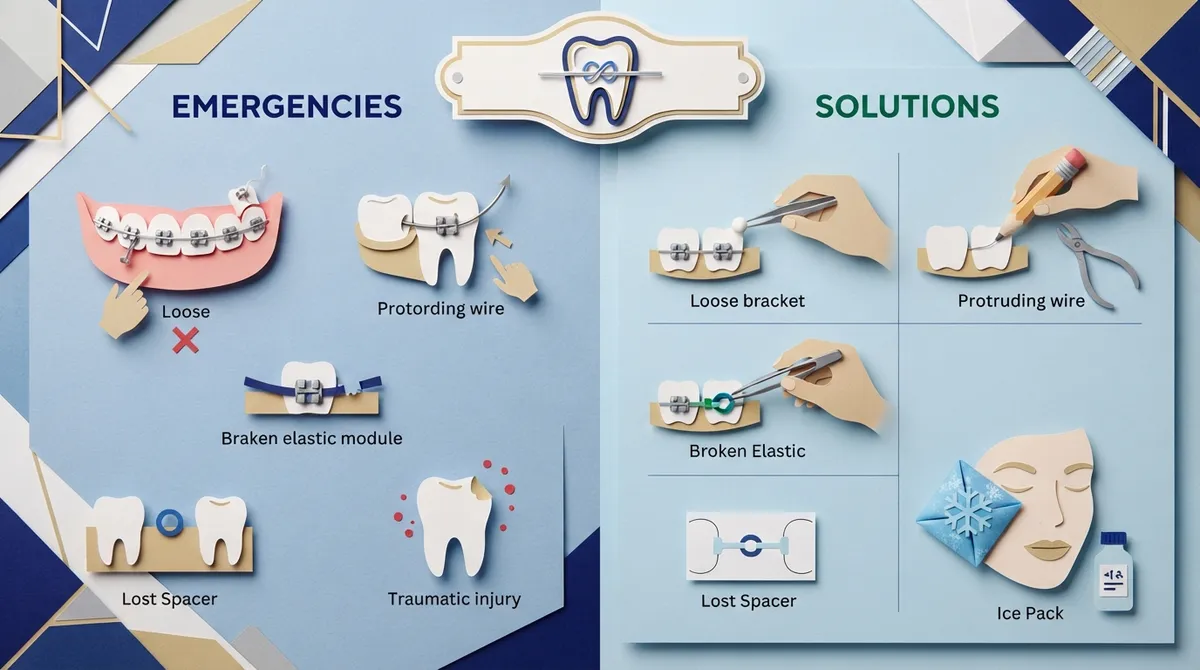
Braces are durable, but they’re not indestructible. Here are the most frequent issues we see at our Clearwater orthodontic practice and simple ways to manage them until you can be seen.
Mistake 3: Leaving a Poking Wire Untreated
A wire poking your cheek or gum is uncomfortable, but it’s rarely dangerous. Use the eraser end of a pencil to gently push the wire flat, then cover the area with orthodontic wax. If the irritation continues, call our office for guidance.
Mistake 4: Panicking Over a Loose Bracket
A loose bracket can feel alarming, but it’s usually just a minor setback. Cover any sharp edges with wax and avoid chewing on that side of your mouth. Contact your orthodontist to schedule a repair rather than waiting for your next routine visit.
Mistake 5: Trying to Fix a Broken Appliance Yourself
It’s tempting to grab pliers and attempt a DIY fix, but this often makes things worse. Broken expanders, detached bands, or snapped wires should be handled by trained hands. Bring the broken piece with you to your appointment if possible.
Mistake 6: Skipping Saltwater Rinses for Sores
Braces can rub against soft tissue, causing sores or ulcers. A warm saltwater rinse several times a day speeds healing and reduces discomfort. This simple step is often overlooked but works wonders.
| Appliance Problem | Home Care Step | Call Orthodontist? |
|---|---|---|
| Poking wire | Wax + pencil eraser trick | Yes, if irritation persists |
| Loose bracket | Cover with wax | Yes, for repair scheduling |
| Broken expander | Avoid touching it | Yes, promptly |
| Mouth sores | Saltwater rinse | Only if severe or infected |
| General soreness | OTC pain reliever, soft foods | Not usually needed |
Clear Aligner Emergencies: Yes, They Happen Too
Many people assume clear aligners like Spark™ Clear Aligners are emergency-proof. That’s mostly true, but aligner wearers face their own set of unique issues.
Mistake 7: Wearing a Cracked or Damaged Aligner
A cracked aligner might not seem urgent, but continuing to wear it can cause uneven pressure on your teeth. Switch back to your previous set of aligners if you have one, and reach out to your orthodontist right away. Never try to glue or repair a broken aligner yourself.
Mistake 8: Losing an Aligner and Doing Nothing
If you lose a tray, don’t just skip ahead to the next one without guidance. This can shift your treatment plan off course. Call your provider so they can advise whether to move forward or make a temporary replacement.
Mistake 9: Forcing an Aligner That Doesn’t Fit
If a new aligner feels painfully tight or won’t seat properly, forcing it can cause real damage to your teeth and gums. Give it a day or two of gentle wear, but if it still doesn’t fit, call your orthodontist. This is a common concern we address for patients transitioning between trays.
Steps to Take During Any Orthodontic Emergency
When something unexpected happens, following a clear process helps you stay calm and get the right care quickly.
- Assess the situation calmly and check for the true emergency warning signs listed above.
- Apply temporary home care, like wax, saltwater rinses, or over-the-counter pain relief as directed.
- Take a photo of the issue if possible, especially for aligner or bracket problems.
- Contact your orthodontist’s office to describe the issue and ask for guidance.
- Follow their instructions, whether that means waiting for your next visit or coming in sooner.
- If bleeding is heavy, breathing is difficult, or you suspect a broken jaw, go to the emergency room immediately.
Mistakes That Make Emergencies Worse
Beyond the specific appliance issues, there are broader habits that turn a minor problem into a bigger one.
Mistake 10: Skipping Regular Checkups
Routine visits catch small issues before they become emergencies. Missing appointments means loose wires or shifting trays go unnoticed longer. Staying on schedule with your orthodontic visits is one of the best forms of prevention.
Mistake 11: Eating Foods That Damage Appliances
Sticky candy, hard nuts, and crunchy ice are notorious for breaking brackets and bending wires. Sticking to orthodontist-approved foods protects your appliances and your treatment timeline. This is especially important for teens who may be tempted by snacks at school events.
Mistake 12: Poor Oral Hygiene During Treatment
Neglecting brushing and flossing around braces or aligners increases the risk of gum irritation, cavities, and infections. Good hygiene habits reduce the odds of a painful emergency down the road. The American Dental Association recommends brushing after every meal when wearing braces.
Mistake 13: Ignoring Sports Safety
Athletes need mouthguards designed to work with braces or aligners. Skipping this step increases the chance of trauma to the teeth, lips, or appliances during physical activity. This is a simple prevention step many families overlook until it’s too late.
Mistake 14: Waiting Too Long to Call
Some patients try to tough out pain or wait weeks before mentioning an issue. Delaying communication can lengthen treatment time and cause unnecessary discomfort. Reach out as soon as something feels wrong, even if it seems minor.
Mistake 15: Not Knowing Who to Call After Hours
Emergencies don’t always happen during office hours. Know your orthodontist’s after-hours contact process ahead of time so you’re not scrambling to find help at 9 p.m. on a Friday.
When to Call an Orthodontist vs. Head to the ER
This is one of the most common questions patients ask, and it deserves a clear answer.
| Situation | Best Action |
|---|---|
| Poking wire, loose bracket, minor soreness | Call orthodontist for guidance |
| Cracked or lost aligner | Call orthodontist, use previous tray temporarily |
| Severe swelling or infection signs | Call orthodontist same day |
| Heavy bleeding, breathing trouble, jaw trauma | Go to the emergency room |
General dentists can sometimes help stabilize a situation when your orthodontist isn’t immediately available, especially for pain control. But for anything appliance-specific, your orthodontist is the best resource because they know your treatment plan.
How Brockway Orthodontics Supports Families Through Emergencies
Dr. Brockway and her team understand that emergencies happen at the most inconvenient times, and that’s exactly why we make ourselves accessible to our Clearwater patients. From same-day treatment options to friendly, judgment-free guidance over the phone, we’re here to help you through every bump along your smile journey. Our office proudly serves families across Clearwater and Pinellas County with personalized, caring service.
We also believe prevention starts with education. That’s why we walk every patient through proper care for their retainers, braces, or aligners from day one, so surprises are rare. You can learn more about our approach on our services page, or see what real patients say by checking Brockway Orthodontics reviews on Google.
Preventing Orthodontic Emergencies Before They Start
The best emergency is the one that never happens. Here are some simple habits that go a long way:
- Attend every scheduled appointment, even when things feel fine
- Avoid hard, sticky, or crunchy foods that stress your appliances
- Wear a mouthguard during sports and physical activities
- Keep orthodontic wax and a small emergency kit at home
- Follow your orthodontist’s aligner-wearing schedule exactly
- Call promptly whenever something feels off, rather than waiting
For families in Pinellas County, staying connected with a trusted local practice makes prevention easier. Learn more from the Florida Association of Orthodontists about finding qualified care in your area.
Your Next Step Toward a Worry-Free Smile Journey
Orthodontic emergencies don’t have to derail your treatment or your peace of mind. With the right knowledge, a little preparation, and a trusted team by your side, most issues are simple to manage. Dr. Brockway and her Clearwater team are proud to support families through every twist and turn of their orthodontic journey, from the very first consultation to the final reveal of a beautiful new smile.
If you’re dealing with an appliance issue right now, or simply want peace of mind before treatment begins, don’t wait. Book your appointment online today, or get in touch with our friendly team for guidance whenever you need it. You can also follow our journey and patient stories on Facebook and Instagram for tips and smile inspiration.
FAQs
Q: What is considered an orthodontic emergency?
A: It’s any sudden problem with your braces, aligners, or appliances that needs attention before your next scheduled visit. Most of these are urgent appliance fixes, like a poking wire or broken bracket, rather than true medical emergencies. If you’re ever unsure, just give our office a call and we’ll help you figure out the next step!
Q: What should I do if a wire is poking my cheek or gums?
A: Grab a pencil eraser and gently push the wire flat against your tooth, then cover it with a bit of orthodontic wax. This little trick works wonders for temporary relief. If the poking continues or the wax doesn’t help, give us a call so we can get you in for a quick fix.
Q: Is a loose bracket an orthodontic emergency?
A: It’s more of an urgent issue than a true emergency, so try not to panic. Cover any sharp edges with wax and avoid chewing on that side until you can be seen. We recommend calling to schedule a repair rather than waiting for your regularly scheduled visit.
Q: When should I call my orthodontist versus go to the ER?
A: Call your orthodontist for wire pokes, loose brackets, or general soreness, since these can usually wait a day or two. Head straight to the ER if you notice heavy bleeding, trouble breathing, or suspect a broken jaw. When in doubt, we’re always happy to help you figure out which option makes the most sense.
Q: Can clear aligner problems be considered orthodontic emergencies?
A: Yes, cracked, lost, or ill-fitting aligners definitely count as urgent issues worth addressing quickly. Wearing a damaged aligner can throw off your treatment progress, so it’s best to switch to a previous tray and call us right away. We’ll help you get back on track without missing a beat.
Our Service Area