Key Takeaways
-
Digital scans require professional orthodontist review—98% AI accuracy still needs human clinical judgment to decide what treatment is appropriate for your specific bite, jaw growth, and root positions.
-
Remote monitoring apps cannot replace in-person visits; use them between appointments to flag issues, but continue scheduled office exams for bite changes, hygiene checks, and X-rays that photos cannot capture.
-
CBCT scans use ionizing radiation and should only be ordered when clinically necessary (impacted teeth, airway concerns, complex cases), not routinely, as overuse adds radiation exposure without improving results.
-
Ask your orthodontist three critical questions before treatment: who personally reviews your digital plans, what in-person visits are required, and why any CBCT scan is medically justified for your case.
-
AI tools for treatment planning show promise (70-90% accuracy in studies) but have moderate bias risk and limited real-world testing outside research settings, requiring experienced orthodontist oversight.
-
Choose practices that explain technology clearly, balance modern tools with personalized care, and prioritize your compliance and biology—fancy scanners cannot force aligner wear or replace clinical experience.
Shopping for orthodontic care in 2026 can feel a little overwhelming. Between scanners, 3D printers, and AI software, it seems like every practice claims to have the newest gadget in town. But here’s the friendly truth: not all advanced orthodontist technology is used the right way, and some patients end up making choices that actually slow down their treatment or cost them more money. Whether you’re a parent exploring braces for your child, a busy professional considering clear aligners, or someone returning for retreatment after a relapse, understanding how to use this technology wisely can save you time, stress, and cash.
At Brockway Orthodontics in Clearwater, we believe technology should make your journey smoother, not more confusing. Dr. Brockway combines modern tools with genuine, personal care so every patient feels informed and comfortable. In this article, we’ll walk through the three biggest mistakes people make with advanced orthodontic technology, plus what the latest research says about digital scans, AI planning, and remote monitoring. Let’s get your smile on the right track.
What Counts as Advanced Orthodontist Technology?
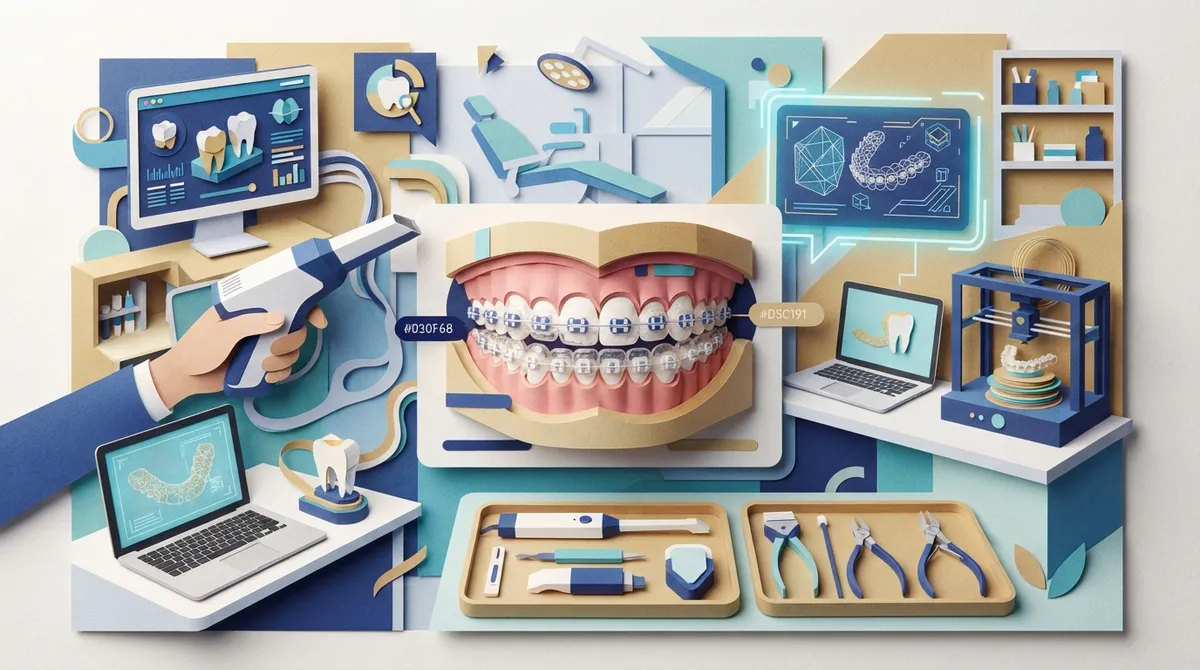
Advanced orthodontic technology covers a wide range of digital tools. These tools help your orthodontist diagnose problems, plan treatment, and track your progress. Here are the main categories you’ll likely hear about during your visits:
- Intraoral scanners that create digital models of your teeth
- 3D imaging software for viewing teeth, jaws, and roots
- Cone-beam computed tomography (CBCT) for detailed bone and airway views
- Artificial intelligence (AI) tools for treatment planning and monitoring
- 3D printing for retainers, aligners, and surgical guides
- Smartphone-based remote monitoring apps
These tools work together to make your care more personalized. But they work best when a licensed orthodontist reviews every step. Technology is a helper, not a replacement for real clinical judgment.
Mistake 1: Trusting Digital Scans Without Professional Review
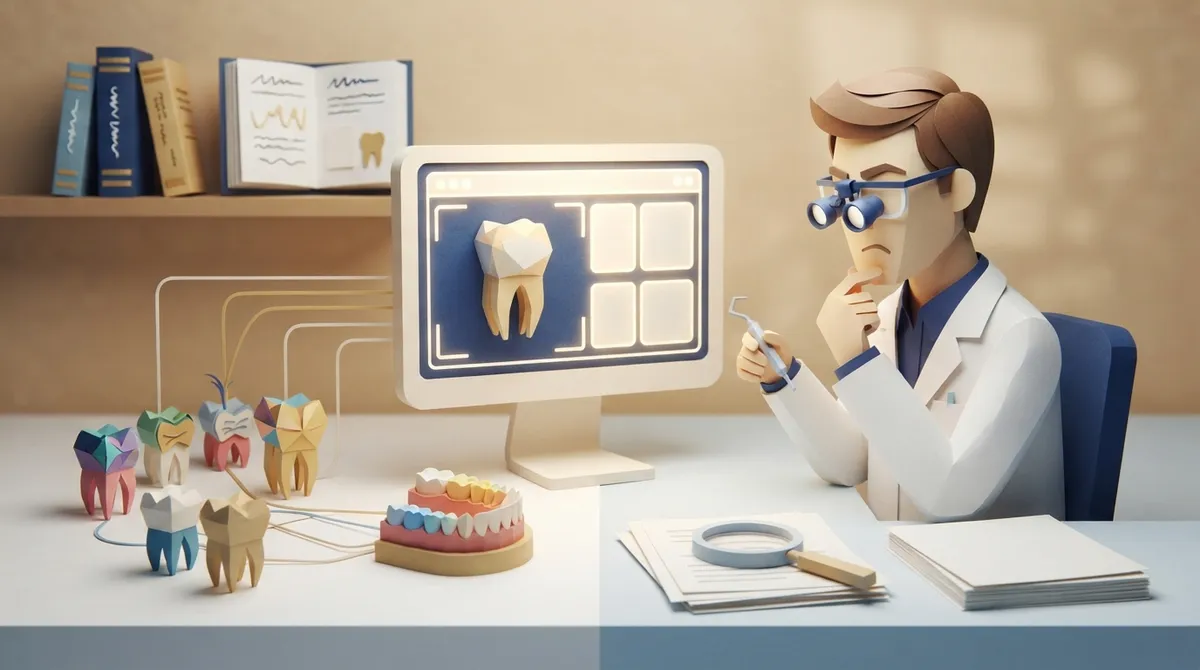
Digital impressions have replaced the old goopy molds most of us remember from childhood. An intraoral scanner takes clear, detailed pictures of your teeth in just a few minutes. It’s faster, more comfortable, and often more accurate than traditional methods.
But here’s the mistake many patients make: they assume a scan alone is enough to design a full treatment plan. That’s simply not true. A 2025 scoping review looked at 41 studies on AI in clear-aligner therapy. It found that AI-based tooth segmentation reached about 98% accuracy. That sounds impressive, but the same review noted that most commercial software had limited independent clinical testing. In other words, the tech is promising, but it still needs a trained eye behind it.
Why Human Review Still Matters
Out of 13 clear-aligner software programs studied, only one showed full automation of the digital workflow. And even full automation doesn’t remove the need for orthodontist supervision. Your bite, jaw growth, and root positions are complex. A scan shows what’s there, but only an orthodontist can decide what should be done about it.
This is exactly why Dr. Brockway reviews every digital scan personally before creating your Spark™ Clear Aligners treatment plan or recommending traditional braces. Technology speeds up the process, but your care is never left to a computer alone.
Mistake 2: Skipping In-Person Visits for Remote Monitoring Alone
Remote monitoring apps let you snap photos of your teeth from home. The software checks for issues like poor aligner fit, broken brackets, or slow tooth movement. It sounds convenient, especially for busy adults juggling work and family life.
The mistake happens when patients think remote monitoring can fully replace regular office visits. It can’t. These apps are helpful add-ons, not stand-ins for hands-on exams. Photos can’t catch everything a real check-up can, like subtle bite changes or hygiene concerns hiding beneath brackets.
How to Use Remote Monitoring the Smart Way
- Use monitoring apps between scheduled appointments, not instead of them
- Report any pain, looseness, or breakage right away, even if the app doesn’t flag it
- Keep all in-person visits your orthodontist recommends, especially for X-rays
- Ask your provider how often photos should be submitted
- Confirm a licensed orthodontist reviews every remote submission
If you’re weighing adult treatment options because of a packed schedule, remote check-ins can definitely help. Just don’t let them replace your regular visits with your orthodontist in Clearwater.
Mistake 3: Assuming CBCT Scans Are Always Necessary
Cone-beam computed tomography, or CBCT, gives an incredibly detailed 3D view of your teeth, jaw, and airway. It’s a powerful tool for spotting impacted teeth or planning complex cases. But CBCT uses ionizing radiation, so it shouldn’t be used for every single patient.
Some patients mistakenly believe more scans mean better care. That’s not accurate. The American Dental Association and orthodontic specialists agree that imaging should be selective and based on actual clinical need, not routine habit. Overusing CBCT adds unnecessary radiation exposure without improving your results.
When CBCT Actually Makes Sense
| Situation | Is CBCT Typically Needed? |
|---|---|
| Routine braces or aligner case | Usually not needed |
| Impacted canine or extra tooth | Often recommended |
| Suspected airway or jaw joint issue | Sometimes recommended |
| Complex surgical orthodontics | Frequently recommended |
| Simple crowding or spacing | Rarely needed |
A trustworthy orthodontist explains exactly why a scan is needed before ordering one. If you’re unsure, don’t hesitate to ask questions during your first visit.
How AI Is Changing Orthodontic Treatment Planning
Artificial intelligence is a big buzzword right now, and for good reason. A 2025 review of AI research found 286 studies published just through March of that year. That’s a massive jump in interest and testing. AI is now being studied for landmark identification, growth prediction, malocclusion classification, and even facial asymmetry assessment.
Here’s a quick breakdown of where AI is showing real promise, based on recent studies:
- Tooth segmentation accuracy around 98% in controlled studies
- Treatment planning accuracy often above 80%, sometimes over 90%
- Extraction-risk prediction with 70% sensitivity and 90% specificity across 6,261 patients
- Facial and airway analysis for growth assessment
- Progress tracking during clear-aligner therapy
These numbers sound great, but researchers are quick to point out limitations. A 2025 systematic review on AI extraction predictions found substantial differences between studies. Another review on AI treatment planning noted moderate-to-serious bias risk and limited testing outside original research settings. Translation? AI is a helpful assistant, but it’s still learning, and human orthodontists remain essential.
Comparing Traditional Methods to Advanced Technology
It helps to see the differences side by side. Here’s how traditional methods stack up against today’s digital tools:
| Feature | Traditional Method | Advanced Technology |
|---|---|---|
| Dental impressions | Physical molds with putty | Digital intraoral scans |
| Treatment visualization | 2D X-rays and photos | 3D imaging and simulations |
| Appliance manufacturing | Manual lab fabrication | 3D printing |
| Progress tracking | In-office visits only | In-office visits plus remote photos |
| Treatment planning | Manual measurements | AI-assisted analysis with orthodontist review |
Notice a pattern? Advanced technology adds speed and precision, but it doesn’t remove the orthodontist from the equation. That balance is what makes treatment both efficient and safe.
Questions to Ask Before Starting Treatment
Before committing to any orthodontic office, it’s smart to ask a few key questions. This helps you understand exactly how technology will be used in your care.
- What technology do you use for scans and imaging?
- How is my health data and image information protected?
- Does a licensed orthodontist review every digital plan personally?
- What in-person visits are required during my treatment?
- How are emergencies or unexpected changes handled?
- Will I need a CBCT scan, and why?
- How does remote monitoring fit into my overall care plan?
A good practice will answer these questions clearly and patiently. If you’d like personalized answers for your own situation, you can always contact us to discuss your smile goals.
Why Personalized Care Still Comes First
Even with all this incredible technology, one thing hasn’t changed: your results depend on your biology, your compliance, and your orthodontist’s clinical judgment. A fancy scanner can’t force you to wear your aligners 22 hours a day. AI software can’t replace years of hands-on training and experience.
This is why Dr. Brockway pairs modern tools with genuine, personal attention. Families throughout Clearwater trust her because she takes time to explain every step, whether it’s early treatment for kids or retainer care after braces come off. Technology helps her work faster and more precisely, but her care remains personal every single time.
Curious what other families think? You can see what our Brockway Orthodontics patients say on Google by visiting Visit us on Google — Brockway Orthodontics. You can also connect with us on Facebook for updates on new technology and patient stories.
Making the Most of Modern Orthodontic Tools
So how do you avoid these three common mistakes? Keep these simple tips in mind:
- Always ask who reviews your digital scans and AI-generated plans
- Never skip in-person visits, even if remote monitoring feels convenient
- Question whether a CBCT scan is truly necessary for your case
- Choose a practice that explains technology in plain, simple language
- Remember that good outcomes depend on your orthodontist’s experience, not just gadgets
For more guidance on choosing the right provider, check out our guide on orthodontic services we offer, or explore how adolescent treatment plans use technology to track growth safely over time. You can also review Florida Association of Orthodontists resources for general guidance on choosing qualified specialists in your area.
Bringing It All Together
Advanced orthodontist technology has truly transformed the way smiles get straightened. Digital scans replace messy molds. AI tools help spot problems faster. Remote monitoring keeps you connected between visits. But none of these tools work in isolation. They work best when guided by a skilled, caring orthodontist who puts your needs first.
At Brockway Orthodontics, we’re proud to combine the newest technology with old-fashioned, genuine care for families across Clearwater, Florida. Whether you’re considering braces for your teenager, exploring clear aligners as a busy professional, or returning for retreatment after a relapse, we’re here to guide you every step of the way. Ready to see how modern technology and personal care come together? Book appointment online today and let’s start planning your best smile yet.
FAQs
Q: What is advanced orthodontic technology?
A: It’s a mix of digital tools like intraoral scanners, 3D imaging, AI software, and 3D printers that help orthodontists diagnose and plan treatment. These tools make care more precise and comfortable, but they always work alongside your orthodontist’s clinical judgment, never replacing it.
Q: How do digital orthodontic scans differ from traditional dental impressions?
A: Digital scans use a small wand to capture detailed images of your teeth in minutes, no goopy putty required. They’re faster, more comfortable, and can be used to design aligners, retainers, and other custom appliances right away.
Q: Can remote orthodontic monitoring replace in-person appointments?
A: Not quite! Remote monitoring is a wonderful tool for checking progress between visits, but it can’t catch everything an in-person exam can. Think of it as a helpful sidekick, not a full replacement for your regular check-ups.
Q: When is a CBCT scan needed during orthodontic treatment?
A: CBCT scans are typically reserved for complex cases, like impacted teeth or airway concerns, since they involve more radiation than regular X-rays. A caring orthodontist will only recommend one when it truly benefits your treatment plan.
Q: How accurate are AI-generated clear-aligner treatment plans?
A: Recent studies show AI can reach impressive accuracy, sometimes over 90% for certain tasks like tooth segmentation. That said, researchers still recommend orthodontist review for every plan, since AI is a helpful assistant rather than a stand-alone decision maker.
Our Service Area