Key Takeaways
-
A permanent retainer is a thin wire bonded to the back of your teeth that prevents relapse (teeth shifting back), especially beneficial for patients who struggle with removable retainer compliance or have experienced previous orthodontic relapse.
-
Most orthodontists recommend wearing both a fixed retainer and a removable retainer together, since the permanent wire typically only covers front teeth while a removable retainer protects your entire smile for comprehensive stability.
-
Cleaning around a permanent retainer requires extra care using floss threaders, orthodontic floss picks, or water flossers to prevent plaque buildup and cavities, making daily maintenance more important than with traditional brushing alone.
-
Retention is a lifelong commitment with teeth capable of shifting at any age; many fixed retainers last for years or decades with proper care, requiring indefinite nighttime wear of removable retainers alongside the bonded wire.
So you just finished your Invisalign treatment, and your smile looks amazing! But here’s a little secret nobody tells you enough: the real work of keeping that smile straight starts now. If your orthodontist mentioned an Invisalign permanent retainer, you might be picturing something scary or uncomfortable. Don’t worry, friend. We’re here to break it all down in simple, friendly terms so you know exactly what to expect.
At Brockway Orthodontics, we love helping patients in Clearwater protect their new smiles for good. Whether you’re a busy parent, a teen fresh out of aligners, or an adult who finally got that confident smile you always wanted, understanding your retainer options matters. Let’s dig into the four biggest facts about permanent retainers after Invisalign, so you can feel calm, informed, and ready for what’s next.
What Exactly Is an Invisalign Permanent Retainer?
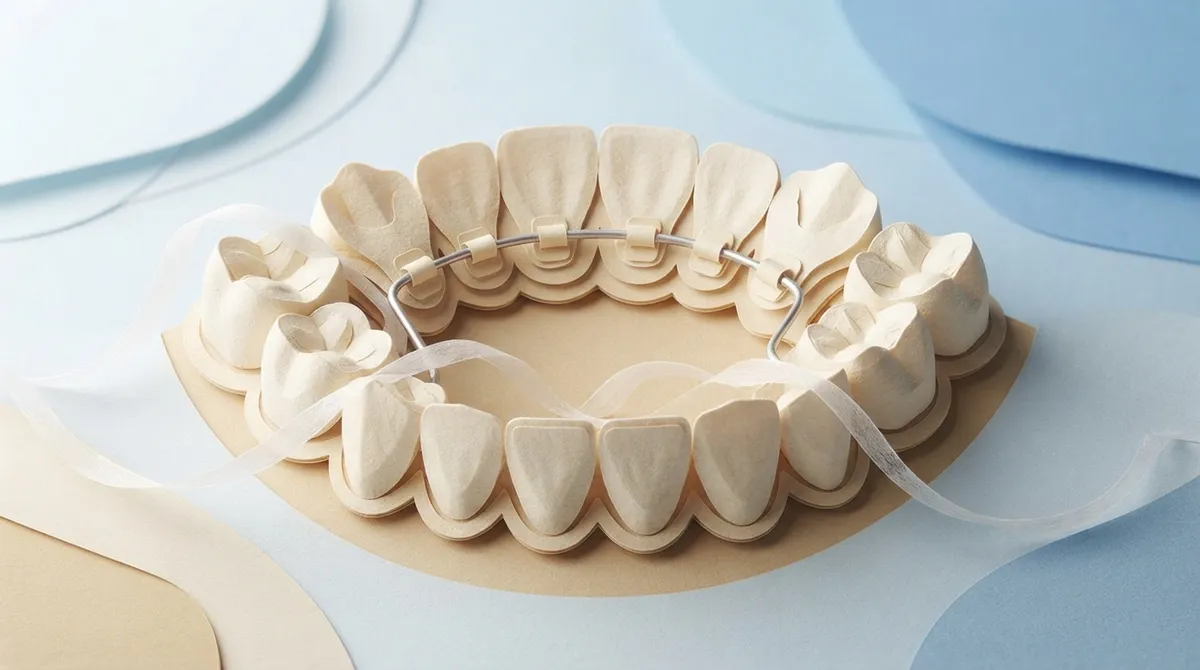
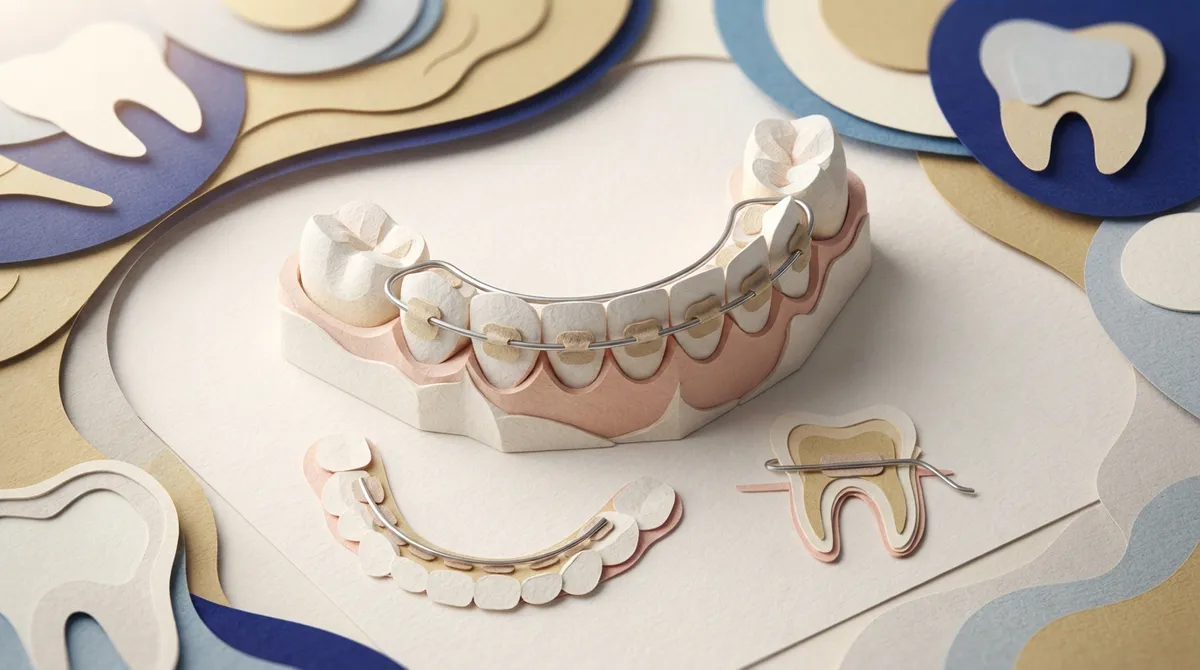
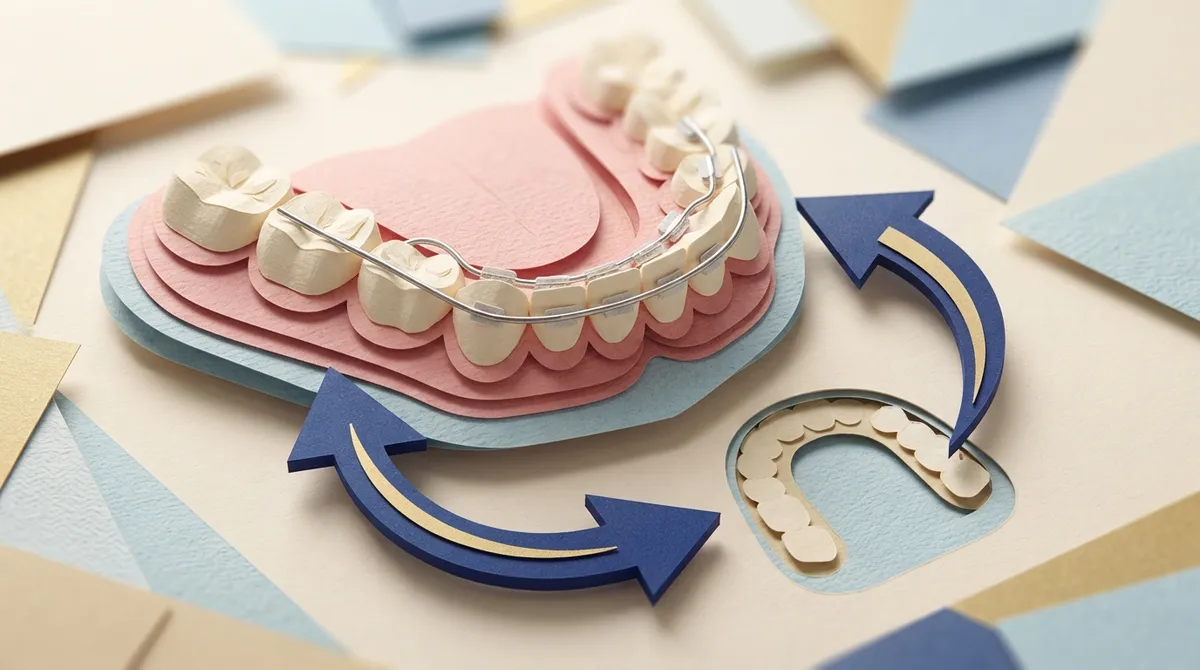
A permanent retainer, also called a bonded or fixed retainer, is a thin wire. It gets bonded to the back of your teeth using dental adhesive. Unlike your clear aligner trays, you can’t take this one out yourself.
Invisalign describes these retainers as tools that help preserve your results after treatment. They’re often made of stainless steel or another sturdy metal. Some are even tooth-colored, so they blend right in and stay discreet.
Think of it like a tiny safety net behind your smile. It quietly holds your teeth in place while everything settles. This matters because teeth naturally want to drift back to where they started, a process called relapse. Nobody wants that after all the hard work of straightening!
Fact 1: Fixed Retainers Prevent Relapse Long-Term
Relapse is the term orthodontists use when teeth slowly shift back toward their old positions. It happens because the bone and tissue around your teeth need time to stabilize after movement.
Invisalign notes that retainers help hold teeth steady while this healing process happens. A permanent retainer gives that extra layer of protection, especially for people who struggled to keep up with removable retainer wear in the past.
Here’s why this fact matters so much for different patients:
- Teens who forget to wear removable retainers get built-in backup protection.
- Busy professionals don’t have to remember a nightly routine.
- Orthodontic relapse patients get extra insurance against losing progress again.
- Parents worry less about lost or broken retainer trays.
If you’ve been through orthodontic treatment before and experienced shifting teeth, you already know how frustrating relapse can feel. A fixed retainer is one strong way to fight back against it.
Fact 2: Wear Time and Timelines Still Matter
Even with a permanent retainer, your orthodontist will likely suggest additional steps early on. Many orthodontic care guidelines recommend full-time retainer wear for the first three to six months after treatment.
Some practices even suggest 20 to 22 hours a day during that early phase, whether that’s through a removable retainer paired with your fixed wire or just diligent care of the bonded retainer itself. After that window, most patients shift toward nighttime wear for any removable piece.
Here’s a simple breakdown of a typical retention timeline:
| Time After Treatment | Recommended Retainer Wear |
|---|---|
| First 3-6 months | Full-time wear (20-22 hours/day) if using removable retainer alongside fixed wire |
| 6 months to 1 year | Nighttime wear for removable retainer |
| Long-term | Indefinite nighttime wear, plus fixed retainer stays in place |
Retention is often described as a lifelong commitment. Teeth can shift at any age, even years after treatment ends. That’s simply how our mouths work as we grow older.
Fact 3: Cleaning Around a Permanent Retainer Takes Extra Care
Let’s be honest, cleaning around a fixed wire is a little trickier than brushing normally. But it’s totally manageable once you get the hang of it!
Since the retainer is bonded to the back of your teeth, food particles and plaque can get stuck around the wire. Good oral hygiene becomes even more important to avoid cavities or gum irritation.
Here are our top tips for keeping your smile healthy with a permanent retainer:
- Use a floss threader or orthodontic floss pick to get under the wire.
- Try a water flosser for an easier, faster clean.
- Brush gently around the retainer with a soft-bristle toothbrush.
- Schedule regular cleanings with your dentist to catch anything you might miss.
- Ask your orthodontist to check the retainer at your follow-up visits.
The American Dental Association recommends daily flossing for everyone, and it’s especially important when you have a bonded retainer. A few extra minutes each day goes a long way in protecting your investment.
Fact 4: Fixed Retainers Aren’t Always a Solo Solution
Here’s something that surprises a lot of patients. A permanent retainer usually doesn’t replace a removable retainer completely. Many orthodontists recommend wearing both for the best results.
Why? Because a fixed wire on your lower front teeth (where they’re most common) doesn’t cover your back teeth or upper arch. A removable retainer, like a Vivera-style tray, helps keep your entire smile stable, not just the front section.
Let’s compare the two retainer types so you can see how they work together:
| Feature | Permanent (Fixed) Retainer | Removable Retainer |
|---|---|---|
| Removable by patient? | No | Yes |
| Coverage area | Usually front teeth only | Entire arch |
| Daily maintenance | Careful flossing required | Easy to clean, but must remember to wear it |
| Long-term durability | Can last many years if cared for | May need replacing over time |
| Best for | Patients prone to relapse | Overall retention support |
If you’re not sure which combination is right for you, that’s exactly what a consultation is for. Our team can walk you through the retainer options that fit your smile goals and lifestyle.
Common Concerns About Permanent Retainers
We hear a lot of the same questions from patients across all our audiences, from parents to teens to adults returning for retreatment. Let’s tackle a few worries head-on.
Can a Permanent Retainer Break or Come Loose?
Yes, it can happen, though it’s not super common. Hard foods, grinding your teeth, or an accident can loosen the bond. If you ever feel your retainer wiggling or notice it’s come off one tooth, call your orthodontist right away.
Waiting too long could allow your teeth to start shifting again. It’s always better to get it checked quickly rather than hope it fixes itself.
Does It Hurt to Get One Placed?
Not at all! The process is quick and painless. Your orthodontist simply bonds the wire to the back of your teeth using a safe dental adhesive. Most patients say they forget it’s even there after a few days.
How Long Does a Permanent Retainer Actually Last?
Many patients keep their fixed retainer for years, sometimes even decades, especially with proper care. Since teeth can shift throughout your entire life, some orthodontists describe retention as a lifelong commitment rather than a temporary phase.
Why Choose Brockway Orthodontics for Your Retainer Needs
Dr. Brockway and our Clearwater team believe your retention plan should feel just as personalized as your original treatment. We take time to explain exactly why we recommend a fixed retainer, a removable one, or both, based on your unique smile and habits.
We also offer Spark™ Clear Aligners as an affordable alternative for patients still considering treatment, along with traditional and ceramic braces options for every age and need. Whatever path brought you to us, our goal is the same: a smile you’ll love keeping for life.
Curious what other Clearwater families and patients think? You can visit us on Google — Brockway Orthodontics to read real reviews from our community. We’re proud of the relationships we’ve built here, one smile at a time.
Tips for Making Your Retention Journey Smooth
Before we wrap up, here’s a quick list of friendly reminders to help you succeed with your new retainer:
- Avoid biting into hard foods like ice or hard candy that could loosen the wire.
- Keep up with regular dental cleanings every six months.
- Don’t skip your orthodontic check-ins, even after treatment ends.
- Reach out immediately if something feels off or uncomfortable.
- Remember that retention is a lifelong habit, not a one-time task.
For more guidance specific to your situation, check out our page on what to do if your retainer breaks. It’s packed with helpful, easy steps for common retainer hiccups.
Ready to Protect Your New Smile?
Your Invisalign journey doesn’t end when the last aligner tray comes off. Protecting your results with the right retainer plan is just as important as the treatment itself. Dr. Brockway and our caring Clearwater team are here to guide you every step of the way, from your very first consultation to years down the road.
If you’re ready to talk retainers, ask questions, or start your smile journey with us, feel free to book your appointment online today. We can’t wait to help you keep that beautiful smile shining for years to come. You can also follow along with our patient stories and smile transformations on Instagram for a little daily inspiration.
FAQs
Q: What is an Invisalign permanent retainer?
A: It’s a thin wire bonded to the back of your teeth after Invisalign treatment. It stays in place around the clock to help stop your teeth from shifting back to their old positions.
Q: How is a bonded retainer different from a removable retainer after Invisalign?
A: A bonded retainer stays fixed to your teeth and you can’t take it out yourself, while a removable retainer pops in and out like your old aligner trays. Many patients actually use both for the best protection!
Q: Do you need a permanent retainer after Invisalign?
A: It depends on your case, but many orthodontists recommend one to help prevent relapse. Your orthodontist will look at your smile and habits to decide what’s best for you.
Q: How long does a permanent retainer last after Invisalign?
A: Many fixed retainers last for years, even decades, with good care. Since teeth can shift at any age, some patients keep their retainer as a lifelong tool for a stable smile.
Q: How do you clean teeth with a permanent retainer?
A: Floss threaders, orthodontic floss picks, or a water flosser make it much easier to clean around the wire. A little extra effort each day keeps your smile healthy and cavity-free.
Our Service Area