
Key Takeaways
-
Treatment timeline varies significantly: single gaps close in 3-6 months, generalized spacing takes 6-12 months, and severe cases can require 18-30 months with braces or clear aligners.
-
Clear aligners (Spark™) work well for mild to moderate spacing but require 20-22 hours daily wear commitment; dental bonding is faster (one visit) but doesn’t address underlying causes and works only for small cosmetic gaps.
-
Gapped teeth tend to relapse after treatment, making fixed retainers bonded to the back of front teeth essential for permanent results; skipping retainer wear even briefly risks spaces reopening.
-
A thick labial frenum (tissue between front teeth) may require a frenectomy procedure alongside orthodontic treatment to prevent gap relapse and ensure long-term success.
-
Children should have their first orthodontic evaluation by age 7 to catch spacing early; adults can pursue treatment at any time, often with faster results using clear aligners designed for busy schedules.
-
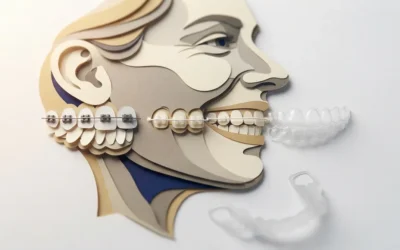
Four main treatment options exist: traditional metal braces (works for any gap size), clear aligners (invisible but requires discipline), dental bonding (quick and affordable for small gaps), and porcelain veneers (cosmetic, long-lasting solution).
Got a gap between your front teeth that you’ve always wanted gone? You’re not alone, and good news: you have more choices than ever in 2026. Whether it’s a small space that bugs you in photos or a wider gap that affects how you chew, teeth spacing treatment can bring your smile together beautifully. At Brockway Orthodontics in Clearwater, we’ve helped countless patients close gaps and finally feel confident showing off their smile.
Here’s the thing about gapped teeth (dentists call this a diastema): it’s incredibly common, and it’s very treatable. The tricky part is figuring out which option fits your life, your budget, and your goals. That’s exactly what we’re going to break down today. We’ll walk through the four main paths to a gap-free smile, how long each one takes, and what to expect along the way. Grab a cup of coffee and let’s get started!

Why Do Teeth Develop Gaps in the First Place?
Before we jump into solutions, let’s talk about causes for a second. Spacing happens when your jaw has more room than your teeth actually need to fill it. Think of it like a bookshelf with too few books — there’s extra space between them.
Some common reasons gaps show up include:
- Missing or undersized teeth that leave extra room in the arch
- A thick piece of tissue between your front teeth (called a labial frenum)
- Gum disease that causes teeth to shift and drift apart
- Childhood habits like tongue thrusting or thumb sucking
- Genetics — sometimes it simply runs in the family
Figuring out the cause matters a lot. It helps Dr. Brockway and her team build a plan that actually works long-term, not just a quick fix. That’s why every treatment plan at our Clearwater office starts with a thorough exam. Curious what that visit looks like? Check out your first visit details before you come in.

4 Teeth Spacing Treatment Options Worth Knowing About
Not every gap needs the same fix. Some respond well to quick cosmetic solutions, while others need real tooth movement to correct properly. Here are the four main approaches orthodontists and dentists use today.
1. Traditional Metal Braces
Metal braces remain one of the most reliable ways to close gaps, especially larger or multiple spaces. They apply steady, gentle pressure that guides teeth exactly where they need to go. This method works well no matter how big or small your gap is, which makes it a great all-purpose option.
Braces are especially helpful when spacing shows up alongside other issues, like a bite problem or crowding elsewhere in the mouth. If you want to learn more about how this classic treatment works, our All About Braces page covers everything from wires to brackets in simple terms.
2. Clear Aligners (Like Spark™)
If you want something nearly invisible, clear aligners are a fantastic choice for mild to moderate spacing. These custom, removable trays gradually shift your teeth without any metal in sight. At Brockway Orthodontics, we offer Spark™ Clear Aligners, which give you a more affordable path to a straighter smile compared to some other aligner brands.
The catch? You need discipline. Clear aligners only work if you wear them 20 to 22 hours a day. That means taking them out to eat, brushing your teeth, and popping them right back in. For busy professionals or teens juggling social plans, this level of commitment pays off with a smile nobody will even know was in treatment.
3. Dental Bonding
For small, single gaps, bonding can be a speedy alternative. A dentist applies tooth-colored resin to the edges of the teeth next to the gap, essentially building them out until the space disappears. This doesn’t move your teeth at all — it just changes their shape.
Bonding is often done in one visit and costs less upfront. However, it doesn’t fix the underlying reason your teeth spaced out in the first place, so it’s best for cosmetic cases rather than functional bite issues.
4. Porcelain Veneers
Veneers are thin shells placed over the front of your teeth to change their size, shape, and appearance. Like bonding, they close gaps cosmetically without any tooth movement. Many adults choose veneers when they want fast results and don’t mind a bigger investment for a long-lasting look.
Keep in mind veneers are usually considered a dental (not orthodontic) service, and they work best on teeth that are otherwise healthy and well-positioned.
Comparing Your Options at a Glance
| Treatment | Best For | Typical Timeline | Moves Teeth? |
|---|---|---|---|
| Metal Braces | Gaps of any size, plus bite issues | 6 to 30 months | Yes |
| Clear Aligners | Mild to moderate spacing | 3 to 18 months | Yes |
| Dental Bonding | Small, single gaps (cosmetic) | 1 visit | No |
| Porcelain Veneers | Cosmetic gap closure, healthy teeth | 2 to 3 visits | No |
How Long Does Teeth Spacing Treatment Actually Take?
This is probably the question we hear most often. The honest answer: it depends on your specific case. Here’s a general breakdown based on current orthodontic guidelines:
- Single front gap: Usually closes in 3 to 6 months with braces or aligners.
- Generalized spacing (gaps between several teeth): Typically takes 6 to 12 months.
- Moderate spacing cases: Often need 12 to 18 months for full correction.
- Severe spacing with missing teeth or multiple large gaps: Can take 18 to 30 months.
If your spacing comes with a bite problem, like an overbite or crossbite, treatment can stretch to 12 to 18 months even for smaller gaps. That’s because your orthodontist isn’t just closing space — they’re also making sure your teeth fit together properly when you bite down. To see how bite correction fits into the bigger picture, take a look at our full range of services.
What Happens After Treatment? The Retention Phase
Here’s something a lot of people don’t expect: gapped teeth love to relapse. Spaces that were closed with braces or aligners have a sneaky tendency to try and reopen if you skip retainer wear.
This is why fixed, or permanent, retainers are so often recommended after spacing treatment. A thin wire gets bonded to the back of your front teeth, holding them in place around the clock. It’s a small step that makes a huge difference in keeping your results for good.
Some patients also wear removable retainers at night in addition to the fixed one. Either way, retention isn’t optional — it’s part of the treatment. Learn more about your options on our retainers page.
Common Reasons Gaps Come Back
- Skipping retainer wear, even for a few weeks
- An untreated tongue thrust habit pushing teeth forward
- Gum disease that wasn’t fully addressed before treatment
- A thick frenum that wasn’t corrected with a small procedure
Do You Need a Frenectomy Too?
Sometimes the tissue between your two front teeth (the labial frenum) is thicker than normal and pushes teeth apart. If this is the cause of your midline diastema, closing the gap with braces alone might not be enough.
In these cases, a simple procedure called a frenectomy may be recommended. This removes or reshapes the extra tissue so it stops interfering with your smile. Sometimes this is done before orthodontic treatment, and sometimes during, depending on your specific situation. Dr. Brockway will let you know if this step makes sense for you during your consultation.
Teeth Spacing Treatment for Kids: When Should Parents Worry?
Parents often ask us if a gap in their child’s smile is something to fix right away or just watch. According to guidelines from the American Dental Association, children should have their first orthodontic evaluation by age 7. This gives us a chance to catch spacing issues early, before they become bigger problems.
Here are signs it’s worth scheduling a visit sooner rather than later:
- A noticeable gap remains after all baby teeth fall out
- Your child has a habit of thumb sucking or tongue thrusting past age 5 or 6
- You notice gaps getting wider over time, not smaller
- Your child seems self-conscious about their smile at school
- Schedule a consultation so Dr. Brockway can examine your smile and take digital images
- Discuss the cause of your spacing and which treatment fits your goals
- Review a custom treatment plan, including timeline and cost
- Begin treatment with braces, Spark™ aligners, or a referral for cosmetic bonding
- Attend regular check-ins to track your progress
- Transition into retainer wear once your gap is fully closed
If any of this sounds familiar, our early treatment and adolescent treatment pages have great info on what to expect at each age.
Teeth Spacing Treatment for Adults: It’s Never Too Late
If you’re an adult who’s lived with a gap for years (or decades), we want you to know something important: it’s absolutely not too late to fix it. Many of our adult patients come in feeling a little embarrassed, worried they’ve “waited too long.” That couldn’t be further from the truth.
Adult spacing treatment often moves faster than you’d think, especially with clear aligners designed to fit into busy work schedules. Plenty of professionals choose treatment right before a big career milestone, wedding, or simply because they finally have the time and means to invest in themselves. Our adult treatment page walks through exactly what that journey looks like.
Steps to Get Started With Teeth Spacing Treatment
Ready to close that gap for good? Here’s what the process typically looks like at our Clearwater office:
We also offer flexible options to make treatment fit your budget. Our financing and insurance page explains payment plans available to patients throughout Clearwater and Pinellas County.
Why Choose Brockway Orthodontics for Your Spacing Treatment?
Dr. Brockway isn’t just skilled — she genuinely cares about the story behind every smile. She takes time to listen to your concerns, answer every question, and make sure you feel comfortable at each step. Our office uses modern tools like digital impressions and 3D imaging, so you skip the messy molds and get a more precise, comfortable plan from day one.
We’re proud to be a trusted name for families across Clearwater, and we love being part of this community. If you’d like to hear directly from patients, visit us on Google — Brockway Orthodontics to read real reviews. You can also find helpful tips and behind-the-scenes moments by following us on Instagram or connecting with us on Facebook.
For more general guidance on orthodontic best practices, the Florida Association of Orthodontists offers helpful resources for patients across our state.
Ready to Close Your Gap?
Teeth spacing treatment isn’t just about looks (though a gap-free smile sure feels great in photos). It’s about giving your teeth the support they need to function well for years to come. Whether you’re a parent watching your child’s smile develop, a teen prepping for graduation photos, or an adult finally ready to invest in yourself, there’s a path here for you.
Dr. Brockway and our team would love to meet you and map out a plan that fits your life. Ready to see your options? Book your free consultation online today, or feel free to reach out to our friendly team with any questions. Your gap-free smile is closer than you think!
FAQs
Q: How long does it take to fix gapped teeth with braces?
A: It really depends on your gap! A single small gap can close in as little as 3 to 6 months, while more spread-out spacing might take 6 to 12 months. Larger or more complex cases can run 18 to 30 months, but Dr. Brockway will give you a personalized timeline at your consultation.
Q: Can Invisalign or Spark clear aligners close gaps between teeth?
A: Absolutely! Clear aligners like our Spark™ system work great for mild to moderate spacing. Just remember, you’ll need to wear them 20 to 22 hours a day for the best results, so consistency really is key here.
Q: What’s the difference between dental bonding and braces for spacing?
A: Bonding reshapes your existing teeth to fill in the gap without moving anything, and it’s often done in a single visit. Braces (or aligners) actually shift your teeth into a new position, which takes longer but often gives more stable, long-term results.
Q: Why do my teeth gaps come back after orthodontic treatment?
A: This usually happens when retainer wear gets skipped. Gaps have a sneaky tendency to reopen, which is why a fixed retainer is often recommended after spacing treatment. Sticking with your retainer schedule is honestly the best insurance for your new smile.
Q: At what age should a child be evaluated for teeth spacing?
A: We recommend a first orthodontic checkup by age 7. This lets us catch any spacing issues early, while there’s still plenty of time to guide healthy growth and plan treatment if it’s needed down the road.
Our Service Area