
Key Takeaways
-
Accelerated orthodontic treatment can reduce timeline from 18-36 months to 6-12 months by stimulating bone remodeling, but surgical methods (50%+ reduction) are more effective than non-invasive options like laser therapy (20-50% with mixed evidence).
-
Adults with fully developed jaws respond exceptionally well to minimally invasive methods like micro-osteoperforations (MOPs), which reduce treatment time by up to 50% with less discomfort than surgical alternatives.
-
Skipping a thorough consultation and choosing based on price alone are costly mistakes; working with an experienced, qualified provider using proven technology is essential to avoid complications, relapse, and wasted money.
-
Different acceleration methods suit different lifestyles: surgical corticotomy for maximum speed, MOPs for adults balancing speed and comfort, and non-invasive options for those avoiding downtime despite less predictable results.
Waiting two or three years for a straighter smile sounds exhausting, doesn’t it? The good news is that accelerated orthodontic treatment can shrink that timeline dramatically, sometimes cutting months or even years off your journey. But here’s the catch: not every fast-track method is created equal, and choosing the wrong approach (or the wrong provider) can lead to disappointing results, unnecessary discomfort, or wasted money. Whether you’re a busy professional eyeing a big promotion, a parent trying to fit braces around soccer practice, or someone who had braces years ago and is dealing with relapse, understanding accelerated orthodontics can save you time, stress, and cash. At Brockway Orthodontics in Clearwater, we’ve seen firsthand how the right accelerated approach transforms smiles faster without cutting corners on safety. Let’s walk through the five biggest mistakes people make when considering accelerated orthodontic treatment, so you can avoid them and get your best smile sooner.

What Is Accelerated Orthodontic Treatment, Anyway?
Accelerated orthodontic treatment combines your regular braces or clear aligners with special techniques that speed up tooth movement. These methods work by gently stimulating the bone around your teeth, which is called bone remodeling. Bone breaks down on one side of the moving tooth and rebuilds on the other side, letting teeth shift into place much faster than usual.
Traditional orthodontic treatment often takes 18 to 36 months. With accelerated methods, many patients finish in just 6 to 12 months, and some simpler cases wrap up in as little as 3 to 9 months. That’s a game changer for anyone eager to see results before a wedding, graduation, or big job interview.
Mistake 1: Assuming All Acceleration Methods Are the Same
One of the biggest mistakes patients make is thinking every “fast braces” option works the same way. In reality, accelerated orthodontics falls into three main categories, and each has different levels of evidence behind it.
- Surgical methods like corticotomy and Periodontally Accelerated Osteogenic Orthodontics (PAOO)
- Minimally invasive options like micro-osteoperforations (MOPs) and piezocision
- Non-invasive techniques like low-level laser therapy and vibration devices
Surgical techniques have the strongest research behind them, sometimes cutting treatment time by more than 50%. Minimally invasive MOPs can reduce treatment time by up to 50% too, while also easing discomfort for adults with fully developed jaws. Non-invasive options like laser therapy show mixed results, with some studies showing only modest benefits compared to the cost. Knowing the difference helps you set realistic expectations before committing.
| Method Type | Examples | Typical Time Reduction | Invasiveness Level |
|---|---|---|---|
| Surgical | Corticotomy, PAOO | Over 50% | Invasive |
| Minimally Invasive | MOPs, Piezocision | Up to 50% | Low |
| Non-Invasive | Laser therapy, vibration | 20-50% (mixed evidence) | None |
Mistake 2: Skipping a Proper Consultation
It’s tempting to jump straight into treatment once you hear “faster braces,” but skipping a thorough exam is a costly mistake. Not everyone is a good candidate for accelerated methods, and your orthodontist needs to check your bone health, gum condition, and bite alignment first.
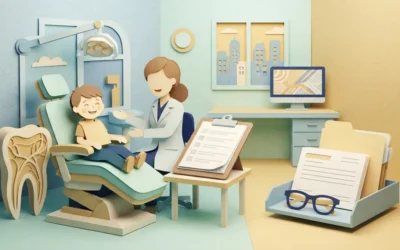
During your first visit, Dr. Brockway will use digital imaging and 3D scans to map out exactly how your teeth need to move. This step matters because accelerated techniques rely on precise planning. Without it, you risk uneven results or a longer road to correction later.
We recommend scheduling a full evaluation before assuming you qualify for any speed-focused option. You can easily book appointment online to get started with a no-pressure consultation.
Mistake 3: Ignoring Age and Case Complexity
Both teenagers and adults can benefit from accelerated orthodontics, but the ideal approach often depends on your age and how complex your case is. Adults with fully developed jaws tend to respond especially well to methods like MOPs, since their bone density is more stable and predictable.
Teens going through growth spurts may need a different strategy altogether, since their jaws are still developing. Parents exploring adolescent treatment options should discuss timing carefully with their orthodontist. Meanwhile, adults considering adult treatment often find accelerated options especially appealing because they don’t want to wear visible braces for years while managing a career.
- Schedule a consultation to assess your bone density and gum health.
- Discuss your daily schedule and how much flexibility you need.
- Review whether braces or Spark™ Clear Aligners fit your lifestyle better.
- Ask about combining accelerated techniques with your chosen treatment type.
- Set a realistic timeline based on your specific case.
Mistake 4: Underestimating Discomfort and Recovery
Some patients assume accelerated treatment means zero downtime or discomfort, which isn’t always true. Surgical methods like corticotomy involve a short recovery period, though studies show no major complications or lasting damage to gum tissue when performed correctly.
Minimally invasive MOPs tend to cause less discomfort than surgical options while still speeding things up significantly. Non-invasive methods like vibration devices are the gentlest, though their results can be less predictable. Being upfront with your orthodontist about your pain tolerance and lifestyle needs helps you choose the right balance between speed and comfort.
- Ask about numbing options for minimally invasive procedures
- Plan for a few days of soft foods after certain treatments
- Keep up with your oral hygiene routine to avoid extra soreness
- Communicate any unusual pain right away to your orthodontic team
Mistake 5: Choosing Based on Price Alone
We get it, orthodontic care is an investment, and it’s natural to compare costs. But choosing accelerated treatment purely based on the lowest price tag can backfire. Cheaper, unproven methods (especially some non-invasive gadgets) may not deliver the results you’re hoping for, meaning you spend more time and money correcting issues later.
Instead, focus on providers with proven experience, honest communication, and technology that supports safe, predictable results. Our team offers flexible financing and insurance options so you don’t have to sacrifice quality for affordability. According to the American Dental Association, choosing a qualified provider matters just as much as the technique itself when it comes to long-term oral health.
| Consideration | Why It Matters |
|---|---|
| Provider Experience | Reduces risk of complications and relapse |
| Technology Used | Improves precision and comfort |
| Treatment Plan Customization | Ensures your specific case is addressed properly |
| Follow-Up Care | Keeps results stable long-term |

How Accelerated Orthodontics Fits Different Lifestyles
Life doesn’t slow down just because you’re getting orthodontic care, and that’s exactly why accelerated treatment has become so popular. Busy professionals love that they can finish treatment faster and get back to feeling confident in meetings and interviews. Teens and young adults often want speedy results before prom, graduation, or their first year of college.
Parents juggling school schedules appreciate shorter treatment windows too, since fewer appointments mean less time away from work or class. And for adults who had braces years ago but are now dealing with shifting teeth, accelerated methods offer a faster way to fix relapse without starting from square one. If you’re curious about how bite issues develop over time, our article on how braces fix a deep overbite explains the process in simple terms.
Is Accelerated Orthodontics Right for You?
Here’s a quick checklist to help you decide if accelerated treatment might be a good fit:
- You have a busy schedule and want to minimize total treatment time.
- You’re an adult with fully developed jaw bone.
- You’ve had orthodontic relapse and want faster correction.
- You’re comfortable with a short recovery period for certain procedures.
- You want to combine speed with proven, safe methods.
If most of these sound like you, it’s worth exploring your options with a trusted orthodontist like Dr. Brockway, who can walk you through which method fits your case best.
Why Choose Brockway Orthodontics in Clearwater
Dr. Brockway and her team are passionate about giving Clearwater families personalized, modern orthodontic care. We use digital impressions and 3D imaging to plan every treatment with precision, whether you’re considering traditional braces, Spark™ Clear Aligners, or an accelerated approach. In select cases, we even offer same-day treatment starts, so you don’t have to juggle multiple appointments just to begin.
We also believe education is empowering. That’s why we take time to explain your full range of services in a friendly, easy-to-understand way, so you always know what’s happening and why. Curious what other Clearwater patients think? You can visit us on Google — Brockway Orthodontics to read real reviews from our community. You can also follow along on Instagram or connect with us on Facebook for smile transformation stories and helpful tips.
Bringing It All Together
Accelerated orthodontic treatment can genuinely transform your experience, cutting months off your journey to a healthier, more confident smile. But success depends on avoiding common mistakes: assuming all methods are equal, skipping proper evaluation, ignoring your age and case complexity, underestimating recovery needs, and choosing based on price alone. The Florida Association of Orthodontists emphasizes that working with a qualified specialist is key to safe, effective treatment, no matter how fast you want results.
Ready to see how accelerated orthodontics could work for your smile? Our friendly Clearwater team is here to answer every question and create a plan tailored just for you. Contact us today to start your journey toward a faster, more confident smile.
FAQs
Q: How does accelerated orthodontics work biologically?
A: Accelerated orthodontics speeds up your body’s natural bone remodeling process. Bone breaks down on one side of the moving tooth and rebuilds on the other, allowing teeth to shift into place much faster than with traditional treatment alone.
Q: Is accelerated orthodontics safe for adults?
A: Yes! Adults are actually great candidates since their jaw bones are fully developed. Studies show minimally invasive methods like micro-osteoperforations are safe and effective, with no major complications reported when done by an experienced provider.
Q: How much faster is accelerated orthodontics compared to traditional braces?
A: Traditional treatment usually takes 18 to 36 months, but accelerated methods can shrink that down to 6-12 months, and sometimes even 3-9 months for simpler cases. The exact timeline depends on your specific technique and case.
Q: Does accelerated orthodontics cause more pain or discomfort?
A: It depends on the method. Surgical options may involve a short recovery period, while minimally invasive techniques like MOPs typically cause less discomfort. Non-invasive methods are the gentlest but may show more mixed results.
Q: Who is a good candidate for accelerated orthodontic treatment?
A: Both teens and adults can benefit, but adults with fully developed jaws often see the best results. A thorough consultation with your orthodontist helps determine if your bone health, gum condition, and case complexity make you a good fit.
Our Service Area