Key Takeaways
-
An expander widens the upper jaw and is most often recommended for growing children when the upper arch is too narrow, which can cause crossbites or crowding.
-
A posterior crossbite is one of the most common reasons for expansion, and correcting it during growth may help prevent uneven tooth wear and other bite problems.
-
Timing depends on dental development and skeletal maturity rather than age alone; the AAO suggests an orthodontic check-up by age 7 to spot concerns early.
-
An expander is not a universal solution: not every child needs one, and it often serves as the first step in a broader plan that may still include braces or aligners.
-
Expansion should not be presented as a cure for sleep apnea or breathing disorders; symptoms of airway problems should be discussed with a medical professional.
-
Adults can be evaluated for expansion, but mature bone means slower results or different approaches such as surgically assisted or implant-supported expansion, requiring individual assessment.
If your child’s orthodontist has mentioned the word “expander,” you might feel a little overwhelmed. Maybe you pictured something bulky and uncomfortable. Maybe you wondered if it was really necessary. Those are fair thoughts, and you are not alone. Many parents in 2026 have the same questions.
Here is the good news: understanding why an orthodontist might recommend an expander makes the whole thing much less scary. An expander is a simple appliance that gently widens the upper jaw. It is not for every child, and it does not guarantee that other treatment will be avoided. But for the right patient, it can solve real problems early.
In this friendly guide, we will walk through the most common reasons for an expander. We will also point out five mistakes families often make along the way, so you can feel prepared and confident. Let’s get started!
What Does a Palate Expander Actually Do?
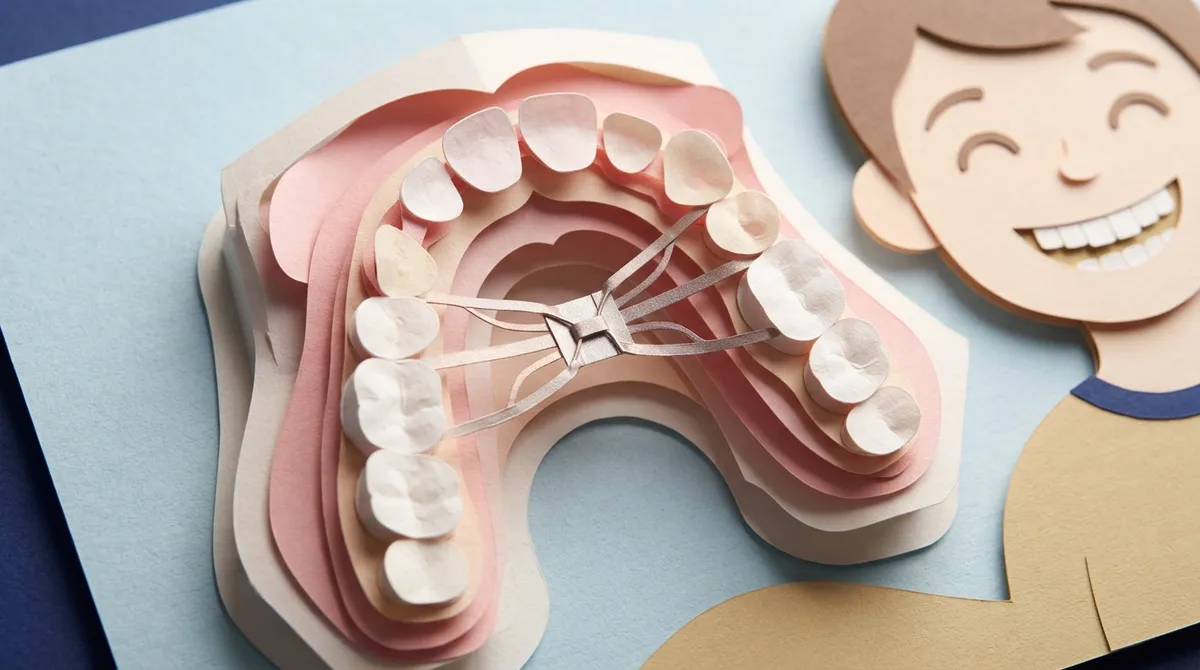
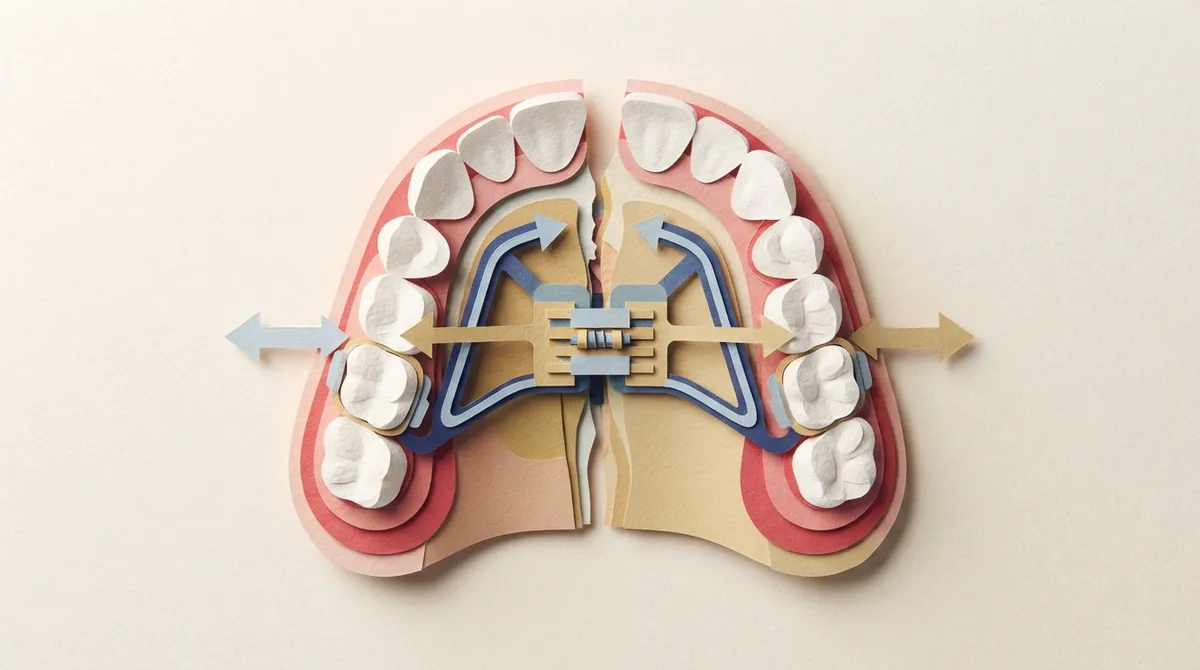
A palate expander is an orthodontic appliance that widens the upper jaw (the maxilla). Think of it like making a little more room in a crowded closet. When the upper arch is too narrow, the teeth do not have enough space to line up well.
Most expanders sit on the roof of the mouth and attach to the upper back teeth. Many rapid expanders have a small screw in the middle. Your orthodontist will show you how and when to turn it, if that applies to your child’s design.
Here is a quick look at the basics:
- Goal: widen the upper arch so it fits better with the lower arch
- Common types: fixed expanders (attached to teeth) and removable appliances
- Typical patients: growing children and young teens
- Plan: chosen by the orthodontist after an exam
The type of expander, the schedule, and the timeline all depend on the individual. That is why a personal exam matters so much.
Why an Orthodontist Might Recommend an Expander
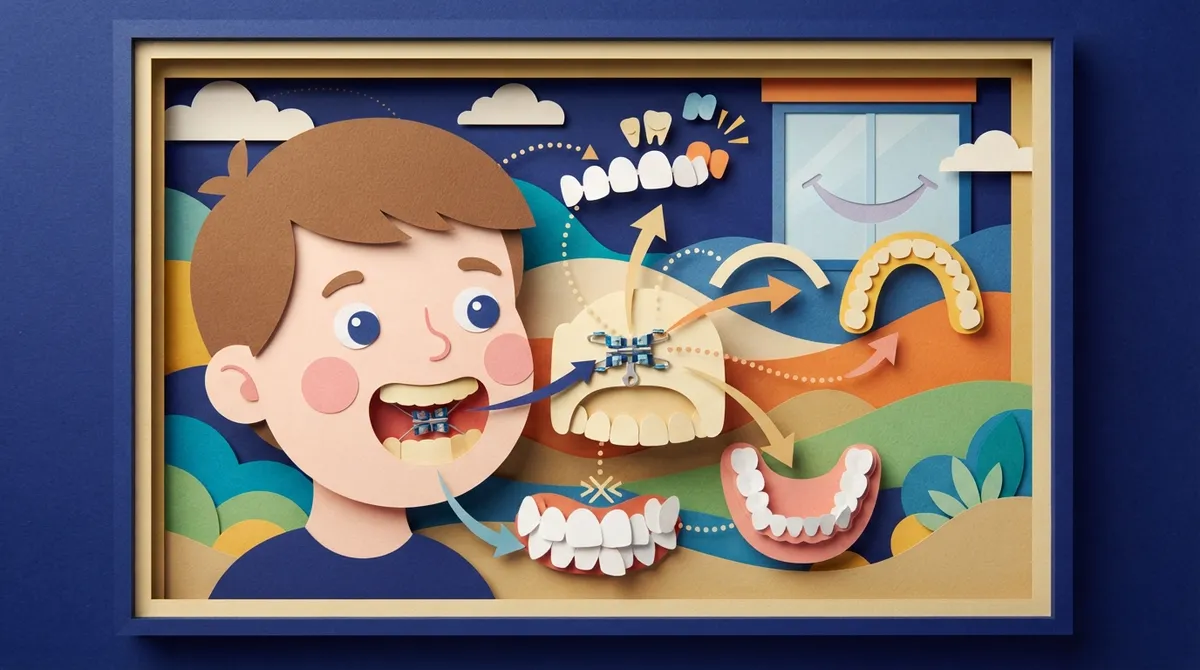
There are a few main reasons. Each one comes down to the same idea: the upper jaw is too narrow for the lower jaw or for the teeth that need to fit inside it.
1. A Narrow Upper Jaw
An orthodontist may recommend a palatal expander when the upper jaw is too narrow compared to the lower jaw. This is called a transverse (side-to-side) problem. Widening the upper arch can fix the mismatch and create space for teeth.
2. A Posterior Crossbite
This is one of the most common reasons. In a crossbite, some upper back teeth bite inside the lower teeth instead of outside. Fixing a crossbite while a child is still growing may help prevent uneven tooth wear and other bite-related problems. You can learn more in our guide on how crossbite correction works.
3. Crowding and Limited Space
Sometimes the upper jaw is so narrow that permanent teeth have no room to come in. An expander can open up space. It may be one part of a bigger plan. Still, it does not promise that extractions or other treatment will be unnecessary.
4. Guiding Healthy Jaw Development
Orthodontists look at how the jaws are growing together. When a narrow upper jaw is spotted early, an expander can help guide growth in a helpful direction. If you are curious about this topic, take a peek at how orthodontics shapes healthy jaw development.
When Do Expanders Work Best? Age and Growth
Expanders are most often used in growing children and young teens. The reason is simple. Younger patients have jaws that are still developing, so widening is usually easier.
But here is something many parents miss. Timing depends on dental development and skeletal maturity, not age alone. Two children who are both 9 years old can be at very different stages.
The American Association of Orthodontists recommends that children have an orthodontic check-up no later than age 7. That is an evaluation guideline. It does not mean treatment must begin at 7. It just gives the orthodontist a chance to spot developing concerns early. Our early treatment page explains what that first look involves.
A 2023 scoping review of orthodontic treatment timing found that early intervention was not generally better than later treatment in effectiveness, appliance time, or cost-benefit. The takeaway? Early treatment is best saved for selected cases where it targets a specific problem. An expander is a great example of a targeted tool.
5 Expander Mistakes to Avoid
Now for the part we promised. These five mistakes are common, but they are easy to dodge once you know about them.
- Waiting too long for a first check-up. If a crossbite or narrow jaw goes unnoticed, you may lose the best window for easy expansion. A visit by age 7 can catch things early. Here is a helpful read on when your child should first see an orthodontist.
- Assuming every child needs an expander. Many kids do not. Your orthodontist decides based on an exam, not on a one-size-fits-all rule.
- Believing an expander replaces all other treatment. It does not. Many children still need braces or aligners later. Think of the expander as step one, not the whole story.
- Skipping the cleaning routine. Food can collect around a fixed appliance. Careful brushing and rinsing help keep teeth and gums healthy.
- Treating it as a cure for breathing problems. Expansion can widen the nasal floor, but it should not be presented as a stand-alone fix for sleep apnea or other medical breathing disorders. If you notice airway symptoms, talk with a medical professional. Our overview of airway orthodontics explains where orthodontic care fits in.
Types of Expanders at a Glance
Not all expanders look or work the same. Here is a simple comparison to help you picture the options.
| Type | How It Works | Common Use |
|---|---|---|
| Fixed (rapid) expander | Attached to upper back teeth; adjusted with a small screw | Crossbite, narrow upper jaw in growing patients |
| Removable expander | Worn in the mouth and taken out as directed | Milder cases, as chosen by the orthodontist |
| Surgically assisted or implant-supported | Uses a different approach for mature bone | Select adult cases after careful assessment |
Your orthodontist picks the appliance and the activation plan for your child. There is no single best choice for everyone.
What About Adults?
Adults can ask about expansion too. However, adult bones are more mature, so widening may be slower or need a different approach. In some adult cases, surgically assisted or implant-supported expansion may be discussed.
Whether that is a good fit takes an individual assessment. If you are an adult wondering about options, our adult treatment page is a friendly place to start.
One interesting research note: a 2021 systematic review of miniscrew-assisted rapid maxillary expansion reported a midpalatal suture separation rate of 79.53% across 215 patients in the included data. That result is about one specific technique and sample. It should not be applied to every expander or every patient.
What to Expect: Comfort, Side Effects, and Care
Let’s be honest. Getting an expander is a new experience. Most families find it manageable, and kids often adapt faster than adults expect.
Here are some temporary effects you may notice:
- Pressure or mild soreness after placement or after adjustments
- A temporary gap between the front teeth as the jaw widens (this is often a normal sign of progress)
- Speech changes, like a slight lisp, that usually settle with time
- Extra saliva in the first days
A few simple habits help a lot:
- Brush carefully around the appliance after meals.
- Follow the turning schedule exactly as your orthodontist explains.
- Avoid very sticky or hard foods that could loosen the appliance. This list of foods that work well with braces is a handy reference, and much of it applies here too.
- Keep every follow-up visit so progress can be monitored.
As for how long an expander stays in, that varies. The active widening phase is often shorter than the time spent holding the new width in place. Your orthodontist will give you a plan that fits your child.
How an Expander Fits Into the Bigger Treatment Plan
Many families ask, “Will we still need braces?” It is a great question. An expander often prepares the way for the next phase. Some children go on to braces later. Others may be candidates for clear options. Either way, expansion is one tool in a larger toolbox.
Teens may move into a second phase once more permanent teeth have arrived. Our adolescent treatment page shows what that next step can look like. Meanwhile, if you want a deeper dive into this appliance, our palatal expander guide covers it in more detail.
At Brockway Orthodontics in Clearwater, Dr. Brockway takes time to listen first. She explains every option in plain language, so you always know what to expect. We also use modern technology, like digital impressions and 3D imaging, to plan treatment precisely and keep visits comfortable. You can meet Dr. Brockway and learn how she works with families.
Preparing for Your Child’s First Visit
Feeling nervous about the appointment? A little prep goes a long way. Write down any concerns, like a bite that looks off or teeth that seem crowded. Note any habits, such as thumb sucking or mouth breathing. Bring questions about timing, cost, and comfort.
Not sure what happens at that first appointment? Here is a walkthrough of your first visit. And if cost is on your mind, our financing and insurance page explains the options available. For general oral health guidance, the American Dental Association is a trusted resource. Orthodontic families in our state may also like the Florida Association of Orthodontists for more information.
If you are nearby and want a friendly local opinion, you can see what families say when you visit us on Google — Brockway Orthodontics. We love hearing how our Clearwater families feel about their care.
Conclusion: A Little Room Can Make a Big Difference
So, why might an orthodontist recommend an expander? Usually because the upper jaw is too narrow. That can cause a crossbite, crowding, or limited space for permanent teeth. Expansion during growth can help address these issues early, as one part of a broader plan.
Remember, not every child needs one, and an expander does not guarantee that other treatment will be avoided. The best next step is a personal exam with an orthodontist who listens and explains. If you are in the Clearwater area and want answers, book a free consultation online with our team. We would love to meet you and your family and help you feel confident about every step.
FAQs
Q: What does a palate expander do?
A: A palate expander gently widens the upper jaw so the upper and lower arches fit together better. It can help with crossbites and create more room for teeth. Your orthodontist chooses the right type for your child.
Q: Can an expander fix a crossbite?
A: Yes, it often can, especially when a child is still growing. Widening the upper arch helps the upper back teeth bite properly over the lower ones. Every case is different, so an exam is the best way to know for sure.
Q: Are palate expanders painful?
A: Most kids feel pressure or mild soreness for a short time after placement or adjustments. You may also notice extra saliva, a small speech change, or a temporary gap between the front teeth. These effects usually fade as your child gets used to it.
Q: Can adults get palate expanders?
A: Adults can be evaluated for expansion, but their bones are more mature, so the approach may be slower or different. Some adult cases may involve surgically assisted or implant-supported options. Only an individual assessment can tell you what fits.
Our Service Area