Key Takeaways
-
Palatal expanders work best in children ages 7-12 when jaw bones are most flexible, with fastest results during this window; early treatment by age 7 can prevent more serious bite problems later.
-
The expansion process involves turning a tiny screw daily to gently widen the upper jaw over 2 weeks to 6 months, followed by a stabilization period where the appliance remains in place to solidify new bone growth.
-
Palatal expanders cause mild pressure and tightness rather than sharp pain, with most children adjusting within days; temporary lisping and a gap between front teeth are normal expected outcomes.
-
Maintain strict oral hygiene by brushing after meals, using water flossers, and attending regular check-ups to prevent plaque buildup; avoid hard, sticky, and crunchy foods that can damage the appliance.
-
Palatal expanders and braces work together rather than replace each other—expansion typically comes first to widen the jaw, then braces or aligners follow to straighten individual teeth for stable results.
-
Adults can still benefit from palatal expansion through slower approaches or surgically assisted methods, so narrow bite or crowding isn’t limited to children; schedule an evaluation to determine your options.
Has your child’s dentist mentioned a narrow upper jaw or crowded teeth? You might be hearing the words “palatal expander” for the first time, and that’s okay! This handy little appliance has helped thousands of kids (and some adults, too) get roomier, healthier smiles. At Brockway Orthodontics in Clearwater, we love walking families through exactly what a palatal expander does, why it works, and how simple it is to care for. Let’s break it all down together, in plain language, so you can feel confident and calm about this step in your orthodontic journey.
What Is a Palatal Expander, Really?
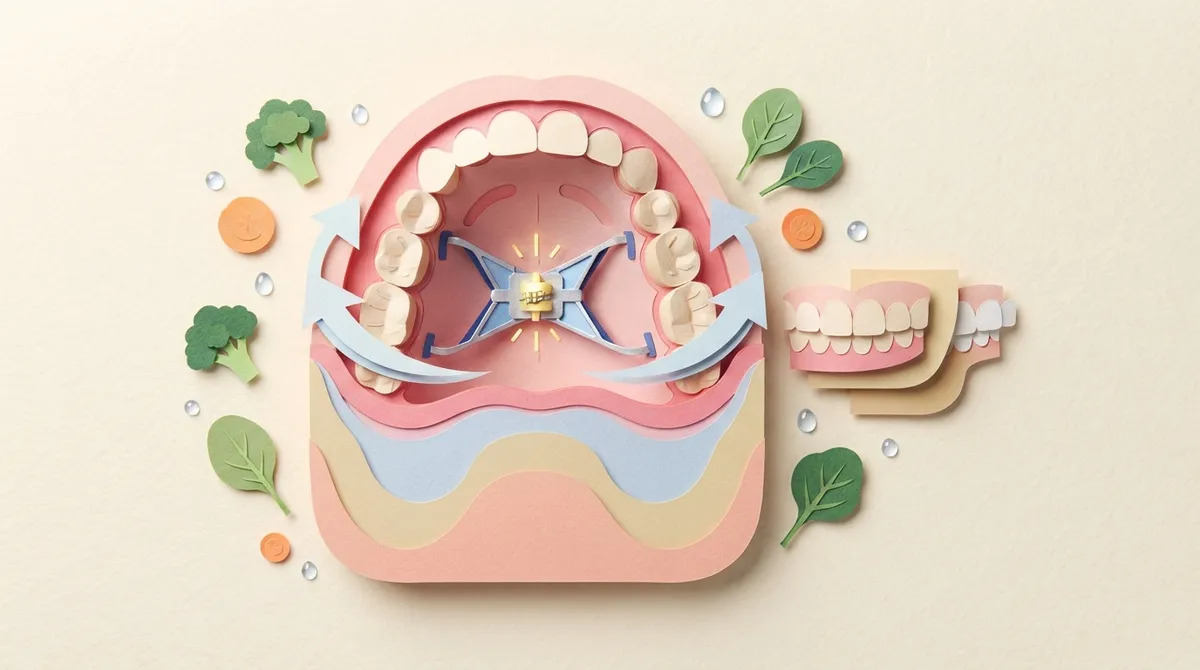
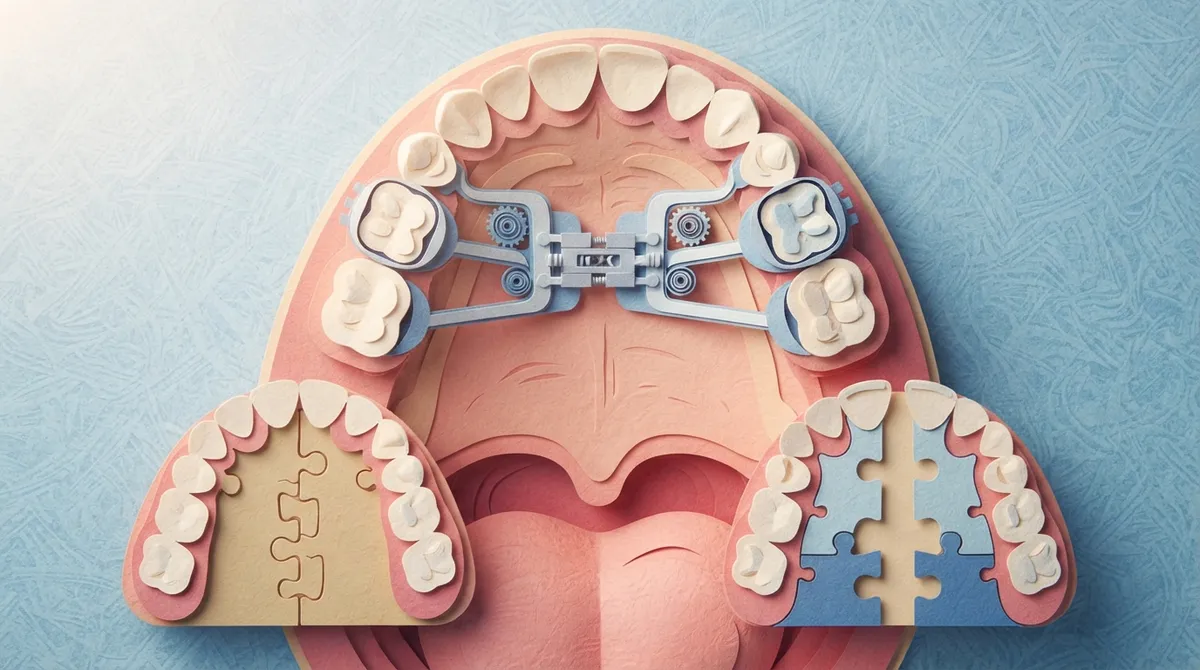
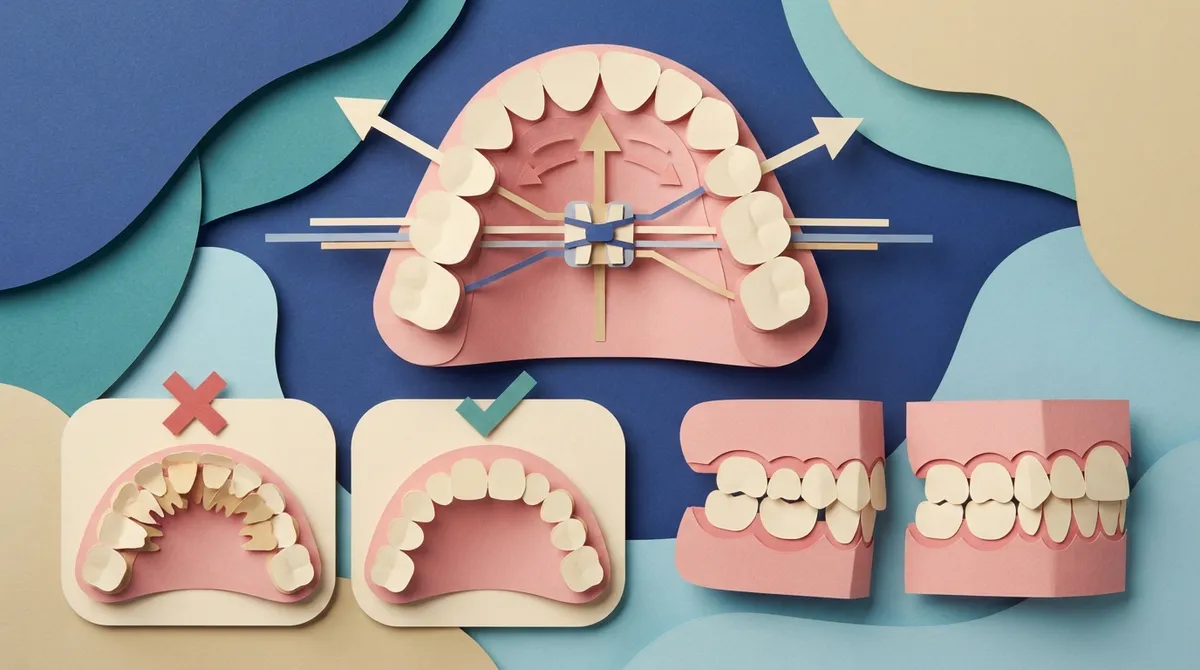
A palatal expander is a small device that widens the upper jaw, also called the maxilla. It sits on the roof of the mouth and usually attaches to the upper back teeth. Most designs include a tiny screw that gets turned a little bit each day to gently push the jaw wider over time.
Think of it like slowly stretching a shoe that’s too tight. The pressure is gentle but steady, giving the bones on either side of the palate room to grow apart and fill in with new bone. This process is called suture expansion, and it’s most successful while a child’s jaw is still developing.
Why Would Someone Need One?
Not every patient needs a palatal expander, but for those who do, it can make a huge difference in how their bite and smile turn out. Here are the most common reasons Dr. Brockway may recommend one:
- Crossbite, where the upper teeth sit inside the lower teeth instead of outside
- Overcrowded teeth caused by a narrow arch with not enough space
- Difficulty breathing through the nose due to a tight upper jaw
- Preparing space before braces or Spark™ Clear Aligners begin their work
- Correcting an asymmetrical bite pattern
According to the Florida Association of Orthodontists, catching these issues early can prevent more serious bite problems down the road. That’s part of why early treatment visits matter so much for growing kids.
At What Age Does It Work Best?
Timing really matters with palatal expanders. Here’s a simple breakdown of how age affects treatment:
| Age Group | Bone Flexibility | Typical Outcome |
|---|---|---|
| Children (ages 7-12) | Very flexible, suture not fully fused | Fastest, most predictable results |
| Early Teens (13-16) | Moderately flexible | Still effective, may take longer |
| Adults (18+) | Fused suture, less flexible | May need surgical assistance for larger changes |
This is exactly why the American Association of Orthodontists recommends an orthodontic check-up by age 7. Catching a narrow palate early means simpler, gentler treatment. If your child hasn’t had their first visit yet, learn more about your first visit to our Clearwater office.
How the Expansion Process Works
Wondering what actually happens day to day? Here’s a simple step-by-step look at the typical palatal expander journey:
- Dr. Brockway takes digital impressions and images to design a custom-fit expander.
- The appliance is bonded or cemented onto the upper back teeth.
- Parents or patients turn the screw using a small key, usually once or twice a day.
- The jaw gradually widens over roughly two weeks to a few months, depending on the case.
- Once the desired width is reached, the expander stays in place for several months to help new bone solidify.
- The expander is removed, and treatment often moves into braces or clear aligners to finish aligning the teeth.
Treatment duration commonly ranges from about two weeks to six months of active turning, followed by a stabilization period. Every smile is different, so Dr. Brockway will map out a timeline specific to your child during your first visit.
Does It Hurt? What to Expect
This is probably the question parents ask the most, and it’s a fair one! The honest answer is that a palatal expander causes mild pressure, not sharp pain. Here’s what patients commonly notice:
- A feeling of tightness or pressure across the roof of the mouth, especially right after a turn
- Temporary lisping or slight changes in speech for the first week or so
- Extra saliva production as the mouth adjusts to the new appliance
- A small gap forming between the front teeth as the jaw widens (totally normal and expected)
- Mild soreness that fades within an hour or two after each turn
Most kids adjust within a few days and barely notice the appliance after that first week. If discomfort ever feels severe, it’s always worth a quick call to our office.
Caring for a Palatal Expander: Hygiene Tips
Good oral hygiene becomes extra important with a palatal expander in place, since food can easily get trapped underneath. The American Dental Association emphasizes thorough daily cleaning around any fixed orthodontic appliance to prevent plaque buildup. Here are our top hygiene tips:
- Brush gently but thoroughly around and underneath the appliance after every meal.
- Rinse with water right after eating to loosen trapped food particles.
- Use a water flosser to reach tricky spots the toothbrush can’t access.
- Try an interdental brush for tight areas around the bands or wires.
- Keep up with regular check-ups so we can monitor progress and hygiene together.
Sticking to this routine helps prevent bad breath, cavities, and gum irritation while the expander does its job.
Foods to Avoid While Wearing a Palatal Expander
Just like with braces, certain foods can damage or dislodge a palatal expander. Following a soft-diet period, especially right after placement, protects your investment in treatment. Foods to steer clear of include:
- Hard candies, nuts, and ice
- Sticky treats like caramel, taffy, or gum
- Crunchy snacks such as chips or popcorn
- Whole apples or raw carrots (cut into small pieces instead)
- Chewy bread like bagels or thick crusts
Soft foods like yogurt, pasta, scrambled eggs, and smoothies are great go-to options during the adjustment period. For more food guidance during orthodontic treatment, check out our tips on good foods for braces.
Palatal Expander vs. Braces: What’s the Difference?
Families often wonder how a palatal expander compares to braces. They actually work together rather than replace one another. Here’s a quick comparison:
| Feature | Palatal Expander | Braces |
|---|---|---|
| Main Goal | Widen the upper jaw | Straighten and align individual teeth |
| Placement | Roof of the mouth | Front surface of teeth |
| Typical Timing | Often used first, in younger patients | Follows expansion or used independently |
| Daily Care | Screw turned by parent or patient | Adjusted by orthodontist at visits |
Many patients move from a palatal expander straight into braces or clear aligners once the jaw has reached the right width. This combination approach often leads to more stable, lasting results.
Can Adults Get a Palatal Expander?
It’s a common myth that palatal expanders are only for kids. While it’s true that treatment is easiest before the palatal suture fully fuses (usually in the mid-teens), adults still have options. Some adults benefit from a slower expansion approach, while others may need a surgically assisted expander for more significant changes.
If you’re an adult dealing with a narrow bite or crowding, don’t assume you’re out of luck. Our team offers thorough adult treatment evaluations to determine the best path forward for your unique smile.
Why Families in Clearwater Choose Brockway Orthodontics
Dr. Brockway genuinely loves helping families through every stage of orthodontic care, from a child’s very first palatal expander to a teen’s adolescent treatment plan. Our Clearwater office uses modern technology like digital impressions and 3D imaging, so your child skips the messy molds and gets a more precise, comfortable fit from day one.
We also know life is busy. That’s why we offer same-day treatment options whenever possible, so your family isn’t stuck scheduling endless separate visits. Curious what other Clearwater families think? You can visit us on Google — Brockway Orthodontics to read real reviews from patients just like you. You can also follow along with patient stories and smile transformations on our Instagram and Facebook pages.
Signs Your Child Might Need a Palatal Expander
Not sure if this treatment applies to your family? Watch for these common signs:
- Upper teeth that sit noticeably inside the lower teeth when biting down
- Crowded or overlapping front teeth, even at a young age
- Mouth breathing or snoring that seems related to a narrow airway
- A noticeably narrow, high-arched roof of the mouth
- An orthodontist or dentist mentioning “crossbite” during a check-up
If any of these sound familiar, it’s worth scheduling an evaluation sooner rather than later. Early treatment tends to be simpler, faster, and more comfortable for growing kids.
Ready to Learn More About Palatal Expanders?
A palatal expander might sound intimidating at first, but it’s really just a gentle, proven way to give your child’s smile the room it needs to thrive. With the right care, guidance, and a friendly team behind you, this part of the orthodontic journey can be smooth and even a little exciting to watch unfold. Dr. Brockway and our Clearwater team are here to answer every question, big or small, and to make sure your family feels supported the whole way through.
If you think your child (or you!) might benefit from a palatal expander, don’t wait to find out. Book appointment online today, or feel free to contact us with any questions. We can’t wait to help your family start this exciting step toward a healthier, more confident smile.
FAQs
Q: What does a palatal expander do in orthodontics?
A: A palatal expander gently widens the upper jaw to fix a narrow palate, crossbite, or crowded teeth. It creates extra room so teeth can come in straighter, and it often sets the stage for braces or clear aligners afterward.
Q: At what age is a palatal expander most effective?
A: Palatal expanders work best in growing children, often between ages 7 and 12, while the palate’s suture is still flexible. That said, our team can still help teens and adults explore expansion options during an evaluation.
Q: How long do you have to wear a palatal expander?
A: Active expansion usually takes about two weeks to six months, depending on how much widening is needed. After that, the appliance typically stays in place for several more months to help the new bone stabilize.
Q: Does a palatal expander hurt?
A: It shouldn’t cause real pain, just some mild pressure or tightness, especially right after a turn. Most kids adjust within the first week and barely notice it after that.
Q: What foods should you avoid with a palatal expander?
A: Steer clear of hard, sticky, or super chewy foods like nuts, caramel, and crunchy chips, since they can dislodge the appliance. Soft foods like pasta, yogurt, and smoothies are much safer choices, especially early on.
Our Service Area