Key Takeaways
-
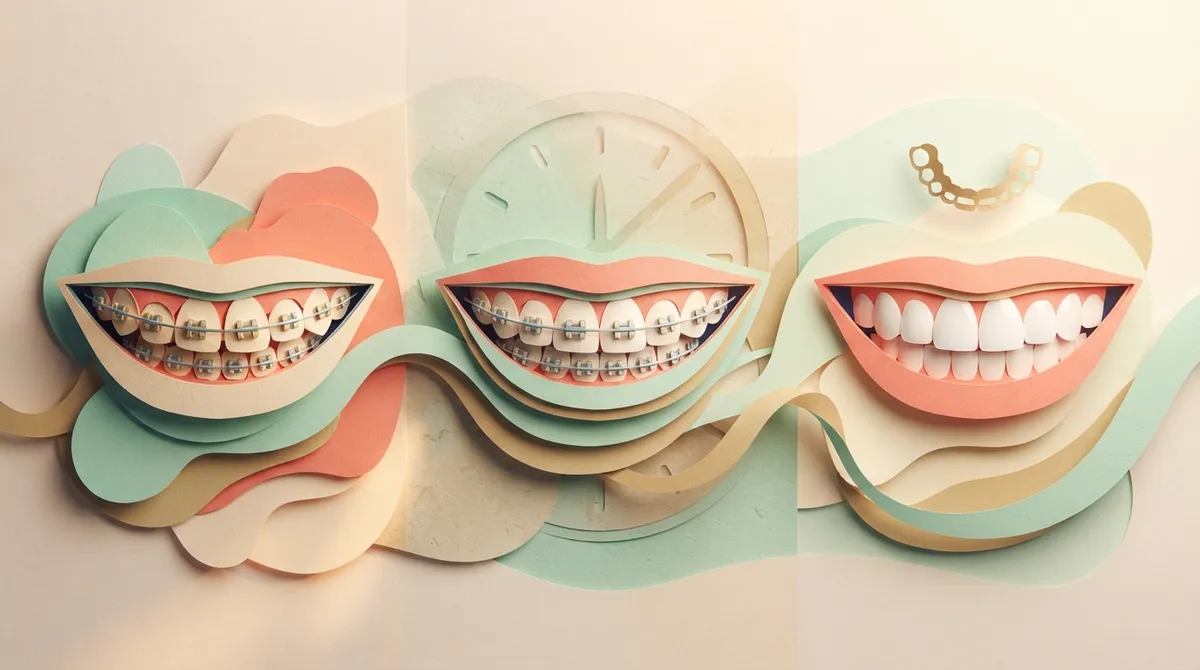
Most people wear braces for 12-24 months, but your exact timeline depends on case complexity: minor corrections take 6-12 months, moderate cases 12-24 months, and complex corrections 24-36 months.
-
Patient compliance directly affects treatment length—missed appointments, broken brackets, and inconsistent elastic wear are the most common reasons treatment extends beyond initial estimates.
-
Age influences treatment speed: children and teens benefit from ongoing jaw growth, while adults with fully developed bone may need slightly longer, but consistent habits keep adults on schedule.
-
Retainer wear after braces is critical to protect results; many patients wear them full-time initially, then nightly long-term, since skipping retainers is a top reason teeth shift back.
If you or your child just got braces, you’re probably asking one big question: how long will I have braces? It’s the question we hear most often at our Clearwater office, and honestly, it’s a great one to ask. Knowing what to expect helps you plan for school photos, graduations, and all those smile-worthy moments ahead. The good news? Most people wear braces for about 12 to 24 months, and your Meet Dr. Brockway team will give you a personalized timeline right from your first visit.
Every smile is different, so there’s no single answer that fits everyone. Some patients finish in under a year, while others with more complex bites need a bit longer. In this article, we’ll break down the five biggest factors that decide your braces timeline. We’ll also cover appointment schedules, what happens if you miss a visit, and why retainers matter just as much as the braces themselves. Let’s get into it!
1. Your Case Complexity Sets the Foundation
The single biggest factor in how long will I have braces comes down to how complex your case is. Simple crowding or small gaps often move faster than a full bite correction. Severe crowding, impacted teeth, or jaw discrepancies naturally take more time to fix properly.
According to the American Dental Association, orthodontic treatment length varies widely based on the specific issues being corrected. Here’s a quick breakdown of common case types and their typical timelines:
| Case Type | Typical Treatment Time | Common Issues |
|---|---|---|
| Minor Correction | 6 to 12 months | Small gaps, mild crowding |
| Moderate Correction | 12 to 24 months | Crowding, overbite, underbite |
| Complex Correction | 24 to 36 months | Severe crowding, impacted teeth, jaw issues |
A systematic review of orthodontic studies found the average fixed-braces treatment lasted about 19.9 months. That number lines up nicely with what most patients experience. If you want a clear picture of your own case, our Your First Visit page explains exactly what happens during your evaluation.

2. Age Can Change Your Treatment Speed
Age plays a real role in how braces work. Kids and teens are still growing, which actually helps guide teeth and jaws into better positions. Adults have fully developed bone, so tooth movement can take a little more patience and time.
This doesn’t mean adults can’t get fast, beautiful results. It just means your orthodontist may adjust the plan to work with mature bone structure. Here’s how age groups generally compare:
- Children (ages 7-11): Early treatment often focuses on guiding jaw growth
- Teens (ages 12-18): Braces typically last 18 to 24 months on average
- Adults (25+): Treatment may run slightly longer due to denser bone
- Adults with prior orthodontics: Often need retreatment for relapse issues
Whether you’re scheduling care for your teenager or exploring options for yourself, our Adolescent Treatment and Adult Treatment pages walk through what each age group can expect.
3. How Well You Follow Instructions Matters
Here’s something many patients don’t realize: your daily habits directly affect your braces timeline. Skipping appointments, breaking brackets, or forgetting to wear elastics can slow everything down. Good habits, on the other hand, keep your treatment moving right on schedule.
Steps to Keep Your Treatment on Track
- Attend every scheduled adjustment appointment, even if teeth feel fine
- Wear rubber bands or other appliances exactly as instructed
- Brush and floss carefully around brackets and wires every day
- Avoid sticky, hard, or chewy foods that can damage brackets
- Call your orthodontist right away if a wire or bracket breaks
Missed visits and broken appliances are one of the most common reasons treatment runs longer than planned. If something happens between visits, don’t wait it out. Our Get in touch with our team option makes it easy to get help fast, and we often offer same-day fixes for broken brackets or poking wires.
4. Regular Adjustment Visits Keep Things Moving
Braces don’t work on their own. Regular adjustment appointments are what actually guide your teeth into place. During these visits, your orthodontist tightens wires, swaps out bands, and checks your progress against your treatment plan.
Most patients come in every 4 to 10 weeks, though the exact interval depends on your appliance and treatment stage. Skipping these visits can quietly add months to your overall timeline. Here’s what typically happens at each type of visit:
| Visit Type | Frequency | What Happens |
|---|---|---|
| Standard Adjustment | Every 4-8 weeks | Wire tightening, progress check |
| Elastic Check | Every 6-8 weeks | Rubber band replacement, bite evaluation |
| Mid-Treatment Review | Every 3-4 months | Photos, X-rays, plan adjustments |
Consistent visits are one of the easiest ways to stay on schedule. If you’re ready to get started or need to book your next adjustment, you can book your appointment online in just a few clicks.
5. Retainers Are the Final (and Ongoing) Step
Getting your braces off is exciting, but it’s not quite the finish line. Retainers are what keep your new smile in place after active treatment ends. Skipping retainer wear is one of the top reasons teeth shift back over time.
Many patients wear retainers full-time at first, then switch to nighttime wear only. Some orthodontists recommend long-term or even lifelong nighttime retainer use, since teeth can naturally drift with age. Here are a few retainer facts every patient should know:
- Retainers prevent relapse, which is when teeth shift back toward their original position
- Fixed retainers are bonded behind teeth and stay in place permanently
- Removable retainers need consistent, disciplined wear to work properly
- Retainer checks are usually part of your follow-up care schedule
- Lost or broken retainers should be replaced quickly to avoid shifting
We take retention just as seriously as active treatment. Learn more about your options on our Retainers page, so you can protect your results for years to come.
What Makes Treatment Take Longer Than Expected
Sometimes patients start treatment expecting one timeline, only to find it stretches longer. This isn’t unusual, and it’s rarely anyone’s fault. Understanding the common culprits can help you avoid unnecessary delays.
The Florida Association of Orthodontists notes that patient cooperation is one of the most influential factors in treatment length. Here are the most frequent causes of extended treatment:
- Missed or rescheduled adjustment appointments
- Broken brackets or wires that go unrepaired
- Inconsistent elastic or appliance wear
- Poor oral hygiene leading to gum issues that pause treatment
- Unexpected complications like impacted teeth or jaw growth changes
- Ignoring dietary guidelines and repeatedly damaging appliances
The best way to avoid these setbacks is simple: stay consistent and communicate with your orthodontic team. Our Services page outlines the full range of care we provide to help keep your treatment on track from start to finish.
Braces vs. Clear Aligners: Does It Change the Timeline?
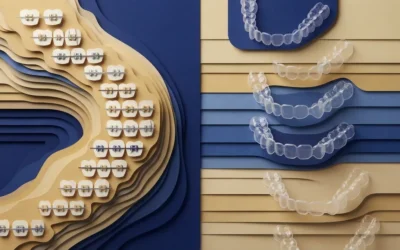
Many patients wonder if clear aligners move faster than traditional braces. The truth is, timelines are often similar, though each option has its own advantages depending on your case. Here’s a quick side-by-side look:
| Feature | Traditional Braces | Spark Clear Aligners |
|---|---|---|
| Average Treatment Time | 12-24 months | 12-18 months (varies by case) |
| Visibility | Visible metal or ceramic | Nearly invisible |
| Removable | No | Yes, for eating and brushing |
| Best For | Complex bite issues | Mild to moderate corrections |
Both options can deliver excellent results when used correctly. If you’re weighing your choices, our Spark™ Clear Aligners page and All About Braces guide can help you compare features side by side before your consultation.
Why Clearwater Families Trust Brockway Orthodontics
Dr. Brockway and her team genuinely care about making your treatment journey smooth and predictable. We use modern technology, including digital impressions and 3D imaging, to plan your care with precision from day one. This means fewer surprises and a timeline you can actually count on.
We also understand busy family schedules, which is why we offer same-day treatment options whenever possible. Curious what other patients say about their experience? You can visit us on Google — Brockway Orthodontics to read real reviews from our Clearwater community. We’re proud to be a trusted part of this area, and we’d love to welcome your family too.
Whether you’re a parent scheduling care for your child, a professional wanting a discreet option, or an adult returning for retreatment, we tailor every plan to your life. Our Financing And Insurance page can also help you plan for costs without added stress.
Ready to Get Your Personalized Timeline?
So, how long will I have braces? The honest answer depends on your unique smile, but most patients finish somewhere between 12 and 24 months. The best way to get a real answer is a consultation with an experienced orthodontist who can map out your exact plan.
Dr. Brockway and her team are ready to guide you through every step, from your first appointment to the day your retainer keeps your smile shining for good. Ready to find out your personal timeline? Book your appointment online today and take the first step toward the confident smile you deserve.
FAQs
Q: How long do braces usually stay on?
A: Most patients wear braces for about 12 to 24 months. Simpler cases can finish in as little as 6 months, while more complex bites might take up to 30 to 36 months. Your orthodontist will give you a personalized estimate at your first visit.
Q: Can braces come off in less than a year?
A: Yes, for minor corrections like small gaps or mild crowding, some patients finish in as little as 6 to 12 months. It really depends on how much movement your teeth need. A quick consultation can tell you if you’re a candidate for a shorter timeline.
Q: Do adults have braces longer than teenagers?
A: Sometimes, yes. Adult bones are fully developed, which can make tooth movement a bit slower compared to teens who are still growing. That said, plenty of adults finish treatment right on schedule with good habits and regular visits.
Q: Do broken braces or missed appointments delay treatment?
A: Absolutely, this is one of the most common reasons treatment runs longer than expected. Broken brackets, skipped visits, and inconsistent elastic wear can all add extra months. Staying consistent with appointments really pays off in the long run.
Q: How long do I need to wear a retainer after my braces come off?
A: Many patients wear retainers full-time at first, then switch to nighttime-only wear. Some orthodontists recommend continuing retainer use long-term, even for life, since teeth can shift naturally over time. Think of your retainer as the final step that protects all your hard work.
Our Service Area