Key Takeaways
-
Teeth can shift throughout your entire life, so retainer wear is typically a long-term or lifelong commitment, with about 50% of all relapse occurring in just the first two years after treatment ends.
-
Three main retainer types exist—Hawley (durable with visible wire), clear removable (nearly invisible), and fixed bonded (permanent wire behind teeth)—and your orthodontist will recommend the best option based on your bite, relapse risk, and lifestyle.
-
Removable retainers require specific care: rinse with lukewarm water, brush gently with nonabrasive cleaners, store in a case when not worn, and never eat or drink anything but water while wearing them to prevent damage.
-
Warning signs like unusual tightness, cracks, loose fixed retainers, or persistent pain mean you should contact your orthodontist immediately—never attempt DIY repairs as this can cause more damage to your teeth and retainer.
-
Fixed retainer bond-failure rates vary widely (3.5% to 53%), so use floss threaders or water flossers daily to clean underneath the wire and attend regular dental checkups to catch loosening or calculus buildup early.
-
Most patients follow a schedule of full-time wear for several months after braces come off, then transition to nighttime-only wear as teeth settle, with many continuing indefinite nighttime wear to protect their orthodontic investment.
So your braces are finally off, or your last clear aligner tray is done. Congratulations! That new smile deserves a huge celebration. But here’s a friendly secret Dr. Brockway wants every patient to know: the real work of keeping your smile straight is just getting started. Your orthodontic retainer is the quiet hero that protects all the progress you worked so hard to achieve. Skip it, and your teeth may slowly drift back to where they started.
We know retainers can feel confusing. Which type is best? How long do you really need to wear one? What happens if it cracks or feels tight? This friendly guide answers those questions and more, using the latest research and Dr. Brockway’s years of experience helping Clearwater families keep their smiles straight for life. Let’s walk through the five things you truly need to know about orthodontic retainers in 2026.
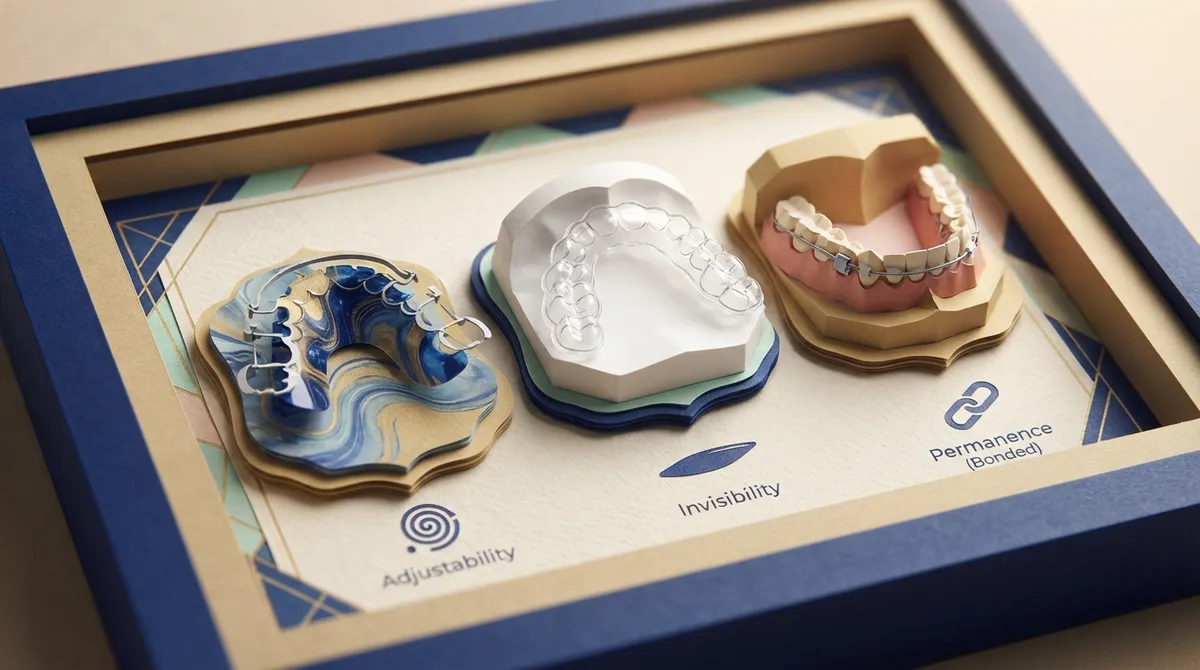
1. Retainers Come in Three Main Types
Not all retainers look or work the same way. Understanding your options helps you feel confident about your treatment plan.
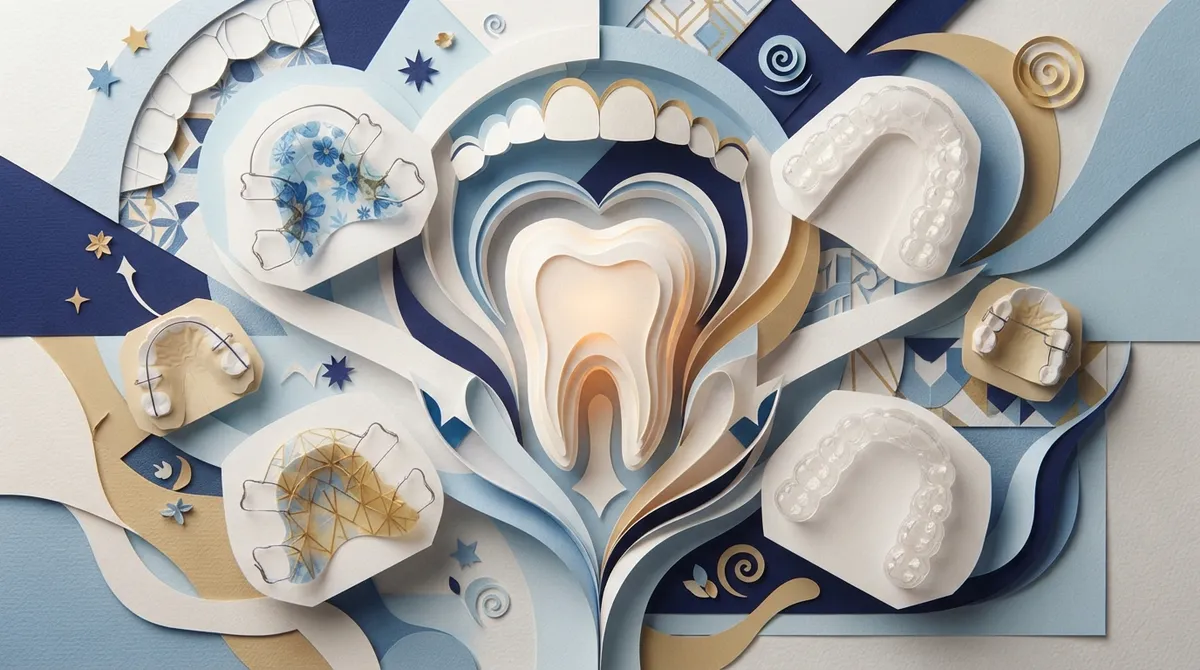
- Hawley retainers: These classic appliances combine a pink acrylic base with a metal wire that wraps around your front teeth. They’re durable and adjustable.
- Clear removable retainers: Made from transparent plastic, these trays fit snugly over your teeth and are nearly invisible. Many patients love them because they look similar to clear aligners.
- Fixed bonded retainers: A thin wire is bonded directly to the back of your teeth, usually the lower front teeth. You can’t take these out, which makes them a “set it and forget it” option.
Some patients even use a combination, like a fixed retainer on the bottom and a removable one on top. Your orthodontist will look at your original bite, your relapse risk, and your lifestyle before recommending the best fit. If you’re curious which option suits your smile, our retainer options page breaks down the details further.
Hawley vs. Clear vs. Fixed: A Quick Comparison
| Retainer Type | Removable? | Visibility | Best For |
|---|---|---|---|
| Hawley | Yes | Noticeable wire | Durability, easy adjustments |
| Clear (vacuum-formed) | Yes | Nearly invisible | Patients wanting a discreet look |
| Fixed bonded | No | Hidden behind teeth | Long-term stability without daily wear habits |
Research shows no single retainer wins for every patient. A 2020 meta-analysis found small average changes in tooth alignment during retention, about 0.72 mm for lower removable retainers and 0.48 mm for upper ones. In simple terms, all major retainer types can do a good job keeping your smile in place when used correctly.

2. Wearing Your Retainer Is a Long-Term Commitment
Here’s the part nobody loves to hear, but it’s important. Teeth can shift throughout your entire life. Your gums, jawbone, and bite naturally change as you age, so retention is usually a long-term or even lifelong habit.
Most patients follow a schedule like this:
- Full-time wear for the first several months after braces or aligners come off, removing the retainer only to eat and clean your teeth.
- Gradual transition to nighttime-only wear as your teeth settle into their new positions.
- Indefinite nighttime wear, often for years or even the rest of your life, to protect your investment.
A 2023 review of retention research noted that about half of all relapse happens in just the first two years after treatment. This is exactly why the early months matter so much. Your periodontal tissue, the gums and bone that hold your teeth, can take up to 12 months to fully adapt after your teeth move. Staying consistent with your retainer during this window gives your new smile the best chance to stick around for good.
Every patient’s mouth is different, so please follow the exact schedule your orthodontist gives you rather than a generic timeline you found online. If you’re unsure what your schedule should look like, our team is happy to help. You can always Contact us with questions about your specific retention plan.
3. Cleaning and Caring for Your Retainer Matters More Than You Think
A retainer that’s dirty or damaged can’t do its job properly. Good habits keep your appliance working well and your mouth healthy.
Removable Retainer Care Tips
- Rinse with lukewarm water after removing it, never hot water. Heat can warp the plastic and ruin the fit.
- Brush gently with a soft toothbrush and a nonabrasive cleaner made for retainers or dentures.
- Avoid bleach, alcohol, or harsh chemicals, which can damage the material over time.
- Store it in its case whenever it’s out of your mouth. Loose retainers get lost, chewed by pets, or thrown away with napkins more often than you’d think!
- Never eat or drink anything besides water while wearing a removable retainer.
Fixed Retainer Care Tips
Fixed retainers need extra attention around the bonded wire. Food particles and plaque can build up in that area if you’re not careful. Use floss threaders or a water flosser to clean underneath the wire daily. Regular dental checkups are also essential since fixed retainers can loosen or accumulate calculus over time. The American Dental Association recommends routine dental visits to catch these small issues before they become bigger problems.
According to a systematic review, fixed retainer failure rates run around 40% after two years in some studies, with bond-failure ranges as wide as 3.5% to 53% depending on the design used. This wide range simply reflects differences in materials, bonding technique, and how well patients care for their retainers. That’s exactly why we use trusted techniques and check your fixed retainer at every visit.
4. Watch for Warning Signs of Trouble
Your retainer should feel comfortable once it’s properly seated. If something feels off, don’t ignore it. Here are signs that mean it’s time to call your orthodontist:
- The retainer feels unusually tight or hard to seat, which may mean your teeth have shifted.
- You notice cracks, warping, or a piece that has broken off.
- A fixed retainer feels loose or you can wiggle the wire with your tongue.
- You’ve misplaced your retainer entirely (it happens to almost everyone at some point!).
- You feel pain, soreness, or irritation that doesn’t go away after a day or two.
Never try to bend, adjust, or repair your retainer yourself. This can cause more harm than good and may even damage your teeth. Instead, reach out to your orthodontic team right away. If you’re a current patient of ours, our quick guide on what to do if your retainer breaks walks you through immediate next steps while you wait for your appointment.
It’s worth noting that retainers are meant to hold your smile in place, not fix major shifts that have already happened. If your teeth have moved quite a bit, your orthodontist may suggest a replacement retainer, a short round of aligners, or limited retreatment to get your smile back on track.
5. Cost, Insurance, and Choosing the Right Provider
Many patients want to know what a retainer will cost and whether insurance helps. The answer depends on your specific treatment plan, the retainer type you choose, and your insurance coverage. Some dental insurance plans cover retainers as part of orthodontic treatment, especially when they’re included in your original braces or aligner package. Replacement retainers, however, are sometimes billed separately.
The best way to get clear answers is to ask your orthodontic office directly about your specific plan. Our financing and insurance page explains how we help make treatment affordable for Clearwater families, and we’re always happy to walk you through your options during a visit.
Choosing the right orthodontist matters just as much as choosing the right retainer. You want a provider who takes time to explain your options, checks your fit carefully, and stays available if problems come up. Dr. Brockway has built her practice in Clearwater around exactly that kind of personal, caring approach. Whether you need traditional braces, Spark™ Clear Aligners, or retainer care after treatment, our team treats every patient like family.
Why Clearwater Families Trust Brockway Orthodontics for Retainer Care
Dr. Brockway believes your orthodontic journey doesn’t end when your braces come off. It simply moves into a new phase. That’s why our team uses modern digital scanning to create retainers that fit precisely and comfortably, without messy molds. We also offer same-day service in certain cases, so you’re not stuck waiting weeks for a replacement retainer if yours gets lost or damaged.
Our practice proudly serves patients of every age, from teens finishing up their braces treatment to adults returning for a tune-up after years without a retainer. We also welcome new patients exploring adult orthodontic treatment for the first time. According to guidance from the Florida Association of Orthodontists, consistent retention care is one of the most important factors in long-term treatment success, and we build that philosophy into everything we do.
Curious what other patients say about their experience? You can visit us on Google — Brockway Orthodontics to read real reviews from our Clearwater community. You can also follow along with smile transformations and helpful tips on our Instagram and Facebook pages.
Keep Your Smile Beautiful for Years to Come
Your retainer might be small, but its job is mighty. It stands guard over every hour you spent in braces or aligners, protecting your investment one night at a time. Whether you need your very first retainer, a replacement, or just want a checkup to make sure everything still fits well, our team at Brockway Orthodontics is here for you.
Ready to protect your smile for the long haul? Book appointment online today and let Dr. Brockway’s caring team help you keep that beautiful Clearwater smile shining for years to come.
FAQs
Q: How long do you need to wear an orthodontic retainer after braces?
A: Most patients wear their retainer nearly full-time for the first few months, then switch to nighttime wear. Many people continue wearing a retainer at night indefinitely since teeth can shift throughout life. Your orthodontist will give you a personalized schedule based on your smile.
Q: Do I have to wear my retainer forever?
A: In most cases, yes, at least part-time! Teeth naturally want to shift as we age, so nighttime retainer wear is often a lifelong habit. Think of it as a small nightly favor to your future smile.
Q: What is the difference between a Hawley, clear, and fixed retainer?
A: A Hawley retainer uses acrylic and a metal wire, a clear retainer is a see-through plastic tray, and a fixed retainer is a thin wire bonded permanently behind your teeth. Each type works well when cared for properly, so your orthodontist will help pick the best match for your bite and lifestyle.
Q: What should I do if my retainer feels tight or no longer fits?
A: Don’t panic, but don’t ignore it either! A tight retainer can mean your teeth have shifted slightly, so give your orthodontist a call right away. Never try to force it into place or bend it yourself.
Q: How much do orthodontic retainers cost and does insurance cover them?
A: Retainer costs vary depending on the type and whether it’s part of your original treatment or a replacement. Some dental insurance plans help cover the cost, so it’s worth asking your orthodontic office about your specific coverage and payment options.
Our Service Area