
Key Takeaways
-
Most people wear braces for 12-30 months, but your starting point matters most: mild crowding needs 12-18 months while severe bite issues, impacted teeth, or significant crowding can require 24-36+ months.
-
Your cooperation directly controls treatment length—skipping rubber bands, eating forbidden foods, or missing appointments can add unwanted months, while consistent care keeps progress on schedule.
-
Missing regular appointments (typically every 6-8 weeks) causes teeth to stall or shift backward, significantly extending treatment; broken brackets from accidents also delay progress until repairs are made.
-
After braces come off, retainer wear is essential long-term (many orthodontists recommend nightly wear for life) to prevent teeth from shifting back and undoing months or years of treatment.
If you or your child just got braces (or are about to), one question probably keeps popping up: how long do braces stay on? It’s totally normal to want a straight answer, and we get it! Waiting for a beautiful new smile can feel like forever when you don’t know the timeline. The good news is that most people wear braces for somewhere between 12 and 30 months, and we’re here to break down exactly what affects that number.
At Brockway Orthodontics, we’ve helped countless families across Clearwater, Florida understand what to expect from their orthodontic journey. Dr. Brockway believes that knowledge is comfort, so let’s walk through the five biggest factors that determine how long your braces will stay on, plus what you can do to keep your treatment on track. Grab a cup of coffee (or let your teen grab a snack that’s braces-friendly), and let’s dive in together.
1. Your Starting Point Matters Most
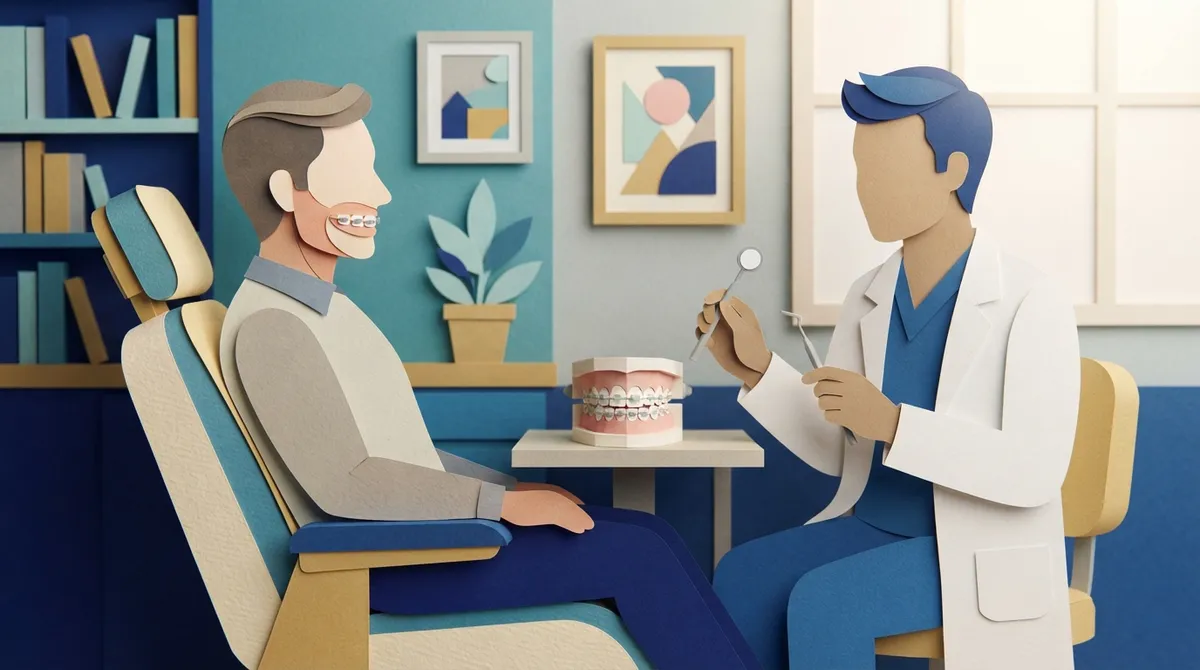
The single biggest factor in how long braces stay on is where your teeth start. Think of it like a road trip: a quick drive across town takes less time than a cross-country journey. Mild crowding or small gaps might only need 12 to 18 months of treatment. But if you have significant crowding, an overbite, underbite, or crossbite, your journey might stretch to 24 or even 36 months.
According to NHS orthodontic guidance, treatment commonly lasts anywhere from 12 months to 2.5 years, though many patients see great results within 6 to 30 months depending on their specific case. There’s no shame in needing more time. Every smile is different, and that’s exactly why your first visit with Dr. Brockway includes a thorough evaluation to give you a realistic timeline from day one.
Common Bite Issues That Extend Treatment
- Severe overbites or underbites requiring extra tooth movement
- Impacted teeth that haven’t fully erupted yet
- Significant jaw discrepancies that may need extra support
- Extreme crowding where teeth barely have room to shift
- Cases involving missing teeth or the need for space closure
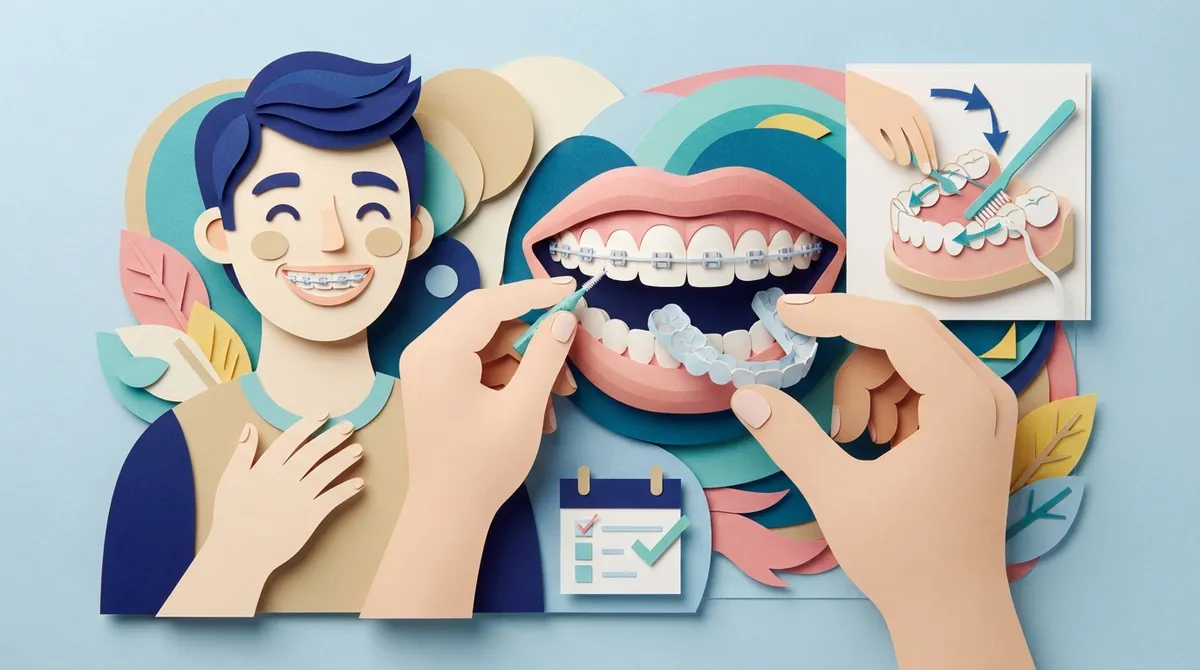
2. How Well You Follow Instructions Changes Everything
Here’s something we love telling our patients: you actually have a lot of control over how long do braces stay on! Your cooperation plays a huge role in keeping treatment on schedule. Skipping rubber bands, eating foods you were told to avoid, or missing appointments can all add unwanted months to your treatment plan.
Think about it this way. Every adjustment your orthodontist makes is planned around consistent progress. When you skip elastics or snack on something crunchy that snaps a bracket, you’re essentially pausing the process until repairs are made. We always say the fastest path to a beautiful smile is teamwork between you and our office.
Simple Habits That Keep Treatment Moving Forward
- Wear your rubber bands exactly as instructed, even on weekends
- Avoid sticky, hard, or chewy foods that can damage brackets and wires
- Brush and floss carefully around brackets to prevent decay or gum issues
- Attend every scheduled appointment, even when things feel fine
- Speak up immediately if something feels loose, sharp, or broken
Good oral hygiene isn’t just about comfort. The American Dental Association notes that plaque buildup around brackets can lead to decay, which may complicate or delay your treatment. Our All About Braces page has more tips on caring for your smile throughout treatment.
3. Regular Appointments Keep Things on Track
Most patients come in every 4 to 10 weeks, with many offices (including ours) using a comfortable 6 to 8 week schedule. These visits aren’t just quick check-ins. They’re when Dr. Brockway adjusts wires, swaps out bands, and makes sure your teeth are moving exactly where they should.
Missing appointments is one of the sneakiest ways treatment gets extended. When you skip a visit, your teeth might sit still (or worse, shift backward) instead of progressing. It’s kind of like skipping workouts and expecting the same results. Staying consistent with your visits is one of the easiest ways to make sure how long do braces stay on stays as short as possible for your case.
| Appointment Frequency | Typical Interval | Purpose |
|---|---|---|
| Standard adjustment visits | Every 6-8 weeks | Wire changes, monitoring progress |
| Complex case check-ins | Every 4-6 weeks | Closer monitoring for bite correction |
| Emergency visits | As needed | Broken brackets, poking wires, discomfort |
| Retention checks | Every 6-12 months | Confirming retainer fit after braces |
4. Breakages and Repairs Add Time You Didn’t Plan For
We totally understand that accidents happen. Life is busy, and sometimes a bracket pops off or a wire pokes at the worst moment. But every time this happens, it can add a little extra time to your overall treatment. That’s because your orthodontist needs to fix the issue before your teeth can keep moving as planned.
The best move? Call us right away if something feels off. Waiting it out only delays your progress further. Whether you’re dealing with a loose bracket or an emergency, our team is ready to help. You can always get in touch with our team to schedule a quick repair visit and get your treatment back on schedule.
What Causes Most Breakages?
- Eating hard foods like ice, nuts, or hard candy
- Biting into whole apples or crunchy vegetables instead of cutting them up
- Playing contact sports without a mouthguard
- Chewing on pens, pencils, or fingernails out of habit
The Florida Association of Orthodontists emphasizes that consistent care and quick repairs help keep treatment timelines predictable. If you’re ever unsure whether something counts as an emergency, our office is always just a phone call away.
5. Retainers Are Part of the Journey Too
Here’s a fun fact many patients don’t expect: getting your braces off isn’t really the finish line. It’s more like crossing into the next phase! After active treatment, retainers are essential to help your teeth settle into their new positions permanently. Skipping this step can undo months (or years) of hard work.
Research on retention, including a 2020 review of retainer types, found that both fixed and removable retainers work well to maintain results, though consistent wear matters most. Many orthodontists recommend nighttime retainer wear for life, which sounds like a lot, but it becomes second nature pretty quickly. Check out our retainers page for more details on keeping that smile exactly where you want it.
Types of Retainers We Offer
- Removable clear retainers for a nearly invisible look
- Fixed bonded retainers for consistent, hands-off retention
- Hawley retainers, a classic option that’s easy to adjust
Whether you finished treatment with traditional metal braces or our popular Spark™ Clear Aligners, retention is the secret to keeping your results looking great for years to come.
Braces Timeline at a Glance
| Case Complexity | Typical Treatment Length | Example Situations |
|---|---|---|
| Mild | 12-18 months | Minor crowding, small gaps |
| Moderate | 18-24 months | Noticeable crowding, mild bite issues |
| Complex | 24-36+ months | Severe bite problems, impacted teeth, jaw discrepancies |
Every patient is different, which is why we never rely on generic timelines. Dr. Brockway creates a personalized plan for every smile, whether you’re exploring adolescent treatment, considering options as an adult, or coming back after a bit of relapse from years past.
Why Choose Brockway Orthodontics for Your Journey
Located right here in Clearwater, Florida, our practice is built around personalized care and modern technology. We use digital impressions and 3D imaging so your treatment plan is as precise as possible from day one. This means fewer surprises and a more predictable path toward your best smile.
We also know families are busy, which is why we sometimes offer same-day treatment options to help you get started without multiple visits. Dr. Brockway takes time to explain your services and answer every question, whether you’re a parent bringing in your first grader or an adult professional ready for a discreet smile makeover. Curious what our patients think? You can visit us on Google — Brockway Orthodontics to read real reviews from our Clearwater community.
We also love connecting with our community online. Follow along on Instagram or catch updates on Facebook for smile transformations, office news, and helpful tips.
Ready to Start Your Smile Journey?
Understanding how long do braces stay on helps you feel prepared and confident about what’s ahead. While every case is unique, following your orthodontist’s instructions, attending appointments, and wearing your retainer faithfully are the best ways to stay on schedule. If you’re ready to find out exactly what your timeline looks like, we’d love to meet you. Book your appointment online today and let’s start planning your best smile together, right here in Clearwater, Florida!
FAQs
Q: How long do braces usually stay on for adults?
A: Adults typically wear braces for the same range as anyone else, about 12 to 30 months, though bite complexity plays a bigger role than age. Many adults do great with treatment lasting around 18 to 24 months, especially with consistent care and attendance at appointments.
Q: Can braces come off sooner than expected?
A: Sometimes, yes! If your teeth respond well to treatment and you stay consistent with elastics and appointments, your orthodontist might be able to remove braces a bit earlier than originally planned. It really depends on how your individual case progresses.
Q: What makes orthodontic treatment take longer?
A: Missed appointments, broken brackets, poor oral hygiene, and skipping elastics are the biggest culprits. Complex bite issues like impacted teeth or significant jaw discrepancies can also naturally require more time to correct properly.
Q: How often do you need appointments when you have braces?
A: Most patients visit their orthodontist every 6 to 8 weeks, though some cases may need visits every 4 weeks or up to 10 weeks apart. These regular check-ins let your orthodontist adjust wires and track your progress closely.
Q: How long do you have to wear a retainer after braces are removed?
A: Retainers are typically needed long-term, and many orthodontists recommend nighttime wear indefinitely to prevent your teeth from shifting back. Think of it as ongoing maintenance that protects all the hard work you put into your new smile.
Our Service Area