Key Takeaways
-
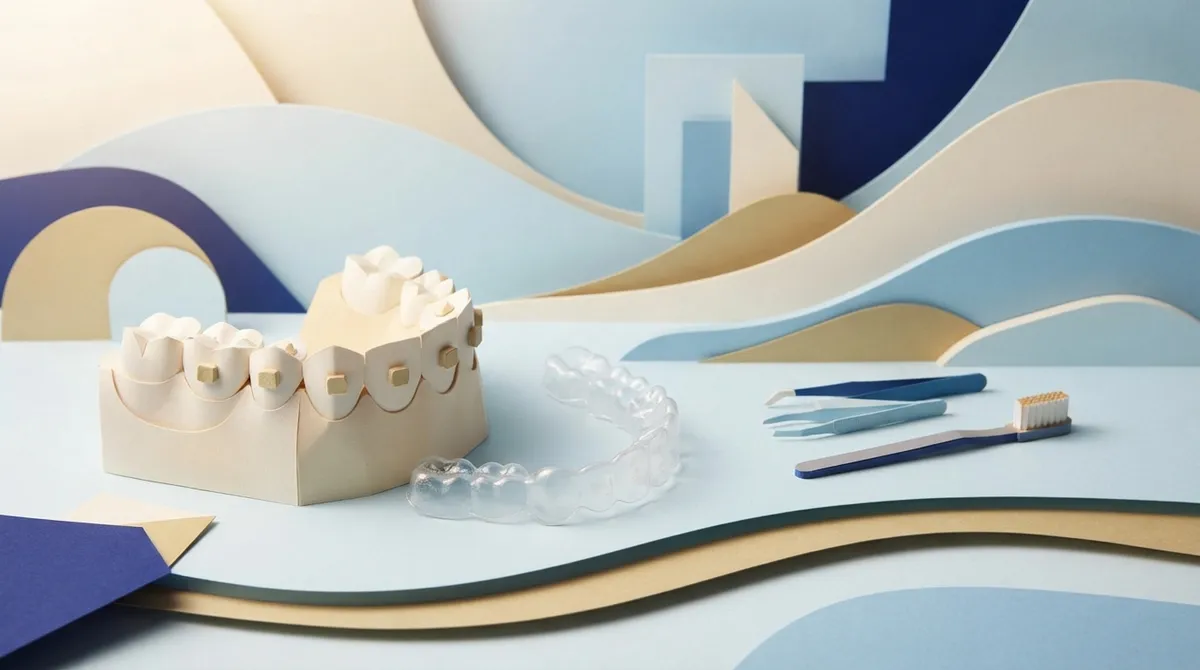
Clear aligner attachments are small, tooth-colored composite resin bumps bonded to selected teeth so aligners can grip better and apply more precise, planned forces.
-
Attachments may help with rotation, extrusion, root torque, and mesiodistal movement, but research shows their benefit varies by movement type and no single design is proven best for everyone.
-
Not every patient needs attachments; mild cases may finish with smooth aligners alone, while complex cases or relapse retreatment often require more.
-
Never try to remove or reglue an attachment at home; if one falls off, call your orthodontist, since removal and placement should be done by a dental professional.
-
Brush thoroughly around each attachment, floss daily, and avoid hard foods like ice to prevent chipping or food trapping during treatment.
-
Attachments are placed in minutes using a template and curing light, are typically hard to see with aligners in, and usually cause only brief tongue awareness or pressure.
Have you ever looked at a clear aligner and wondered how a thin piece of plastic can turn your teeth in just the right direction? Here is a little secret: sometimes it gets a helping hand from tiny bumps on your teeth. If you are asking, what are clear aligner attachments, you are in good company. Almost every new aligner patient wonders the same thing.
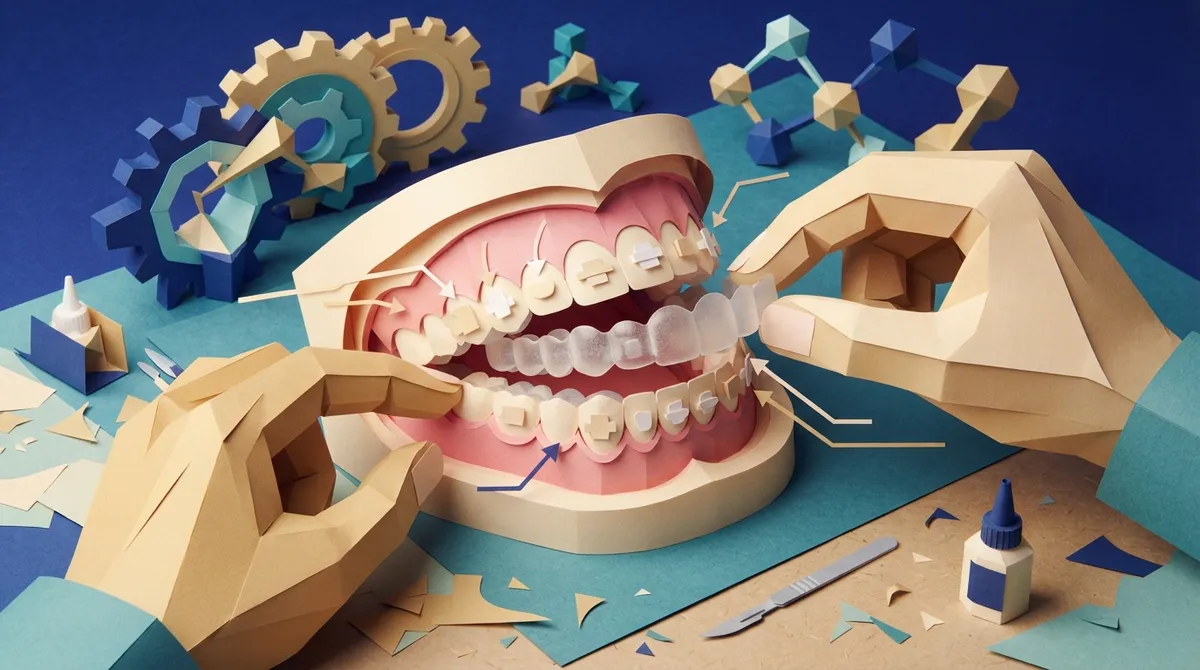
Clear aligner attachments are small, tooth-colored bumps, usually made of dental composite resin. Your orthodontist bonds them to selected teeth so the aligner can grip better and push with more control. They sound like a big deal, but they are really just small tools with a big job.
Whether you are a parent helping your teen choose a treatment, a busy professional who wants something discreet, or an adult returning for a second round of care, this guide is for you. We will keep it simple, friendly, and honest, and we will share what the research actually says.
1. What Clear Aligner Attachments Actually Are
Think of attachments like tiny handles on your teeth. A smooth tooth is a bit like a slippery bar of soap. An aligner has a hard time getting a good hold on it. A small bump gives the aligner something to push against.
Here are the key facts:
- Material: Most attachments are made from tooth-colored dental composite resin, the same type of material often used for dental bonding.
- Size: They are small, usually just a few millimeters wide.
- Shape: They come in different forms, such as rectangles, ovals, or wedges, depending on the movement your teeth need.
- Placement: They go on selected teeth only, not every tooth.
- Purpose: They help the aligner hold on and deliver planned forces more precisely.
The aligner fits snugly over each bump. As you move from one tray to the next, the bump helps the plastic apply gentle pressure where your orthodontist planned it.
2. How Attachments Help Move Your Teeth
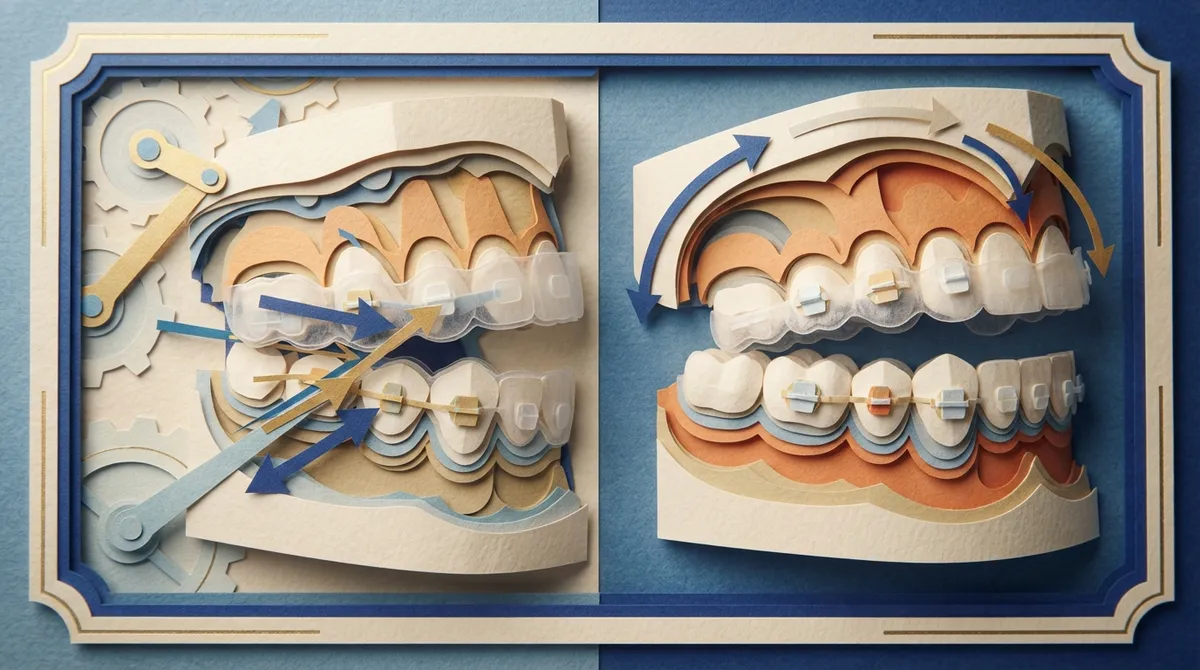
A smooth aligner can do a lot. It is great at tipping teeth and closing small gaps. But some tooth movements are trickier. That is where attachments can help.
Based on current research, attachments may support movements like these:
- Rotation: Turning a twisted tooth back into position.
- Extrusion: Gently lifting a tooth so it sits at the right height.
- Root torque: Moving the root of a tooth, not just the crown.
- Mesiodistal movement: Shifting teeth forward or backward along the arch.
- Retention: Helping the aligner stay seated on the teeth.
Your treatment plan decides if you need them, how many, and which shapes work best. No two smiles are the same, so no two attachment plans are the same either.
What does the research say?
It is worth being honest here. Studies suggest attachments can improve how aligners work, but results depend on the type of movement.
| Finding | What It Means for You |
|---|---|
| A 2022 systematic review found attachments may improve anterior root torque, rotation, mesiodistal movement, and posterior anchorage. | Some movements may benefit more than others. |
| One study in that review reported 88.4% movement accuracy with attachments and 86.9% without. The difference was not considered clinically significant. | Attachments are not magic. Results vary by case. |
| A 2025 meta-analysis found no statistically significant difference between optimized and conventional attachments for several movements. | No single attachment design has been proven best for everyone. |
| A 2023 review found evidence for extrusion was insufficient or inconsistent. | Some movements are still being studied. |
The takeaway? Attachments can be a helpful tool, but your orthodontist’s plan and experience matter most.
3. Do Everyone’s Aligners Need Attachments?
Nope! Not every patient needs them. Some people have mild crowding or small gaps and can finish with smooth aligners alone. Others need several attachments to reach their goals.
Here is a quick look at how needs may differ:
- Mild cases: Few or no attachments may be needed.
- Moderate cases: A handful of attachments on specific teeth may help.
- Complex cases: More attachments, or special shapes, may be part of the plan.
- Retreatment after relapse: Teeth that shifted years ago may need targeted support to move back.
At Brockway Orthodontics, Dr. Brockway builds each plan around you. During your visit, she explains if attachments are part of your plan and why. If you want to see how this works with our Spark™ Clear Aligners, just ask! Spark is a more affordable option than other well-known clear aligner brands, and our team loves helping patients understand every step.
4. How Attachments Are Put On and Taken Off
Good news: getting attachments is quick, and it should not hurt. Most people compare it to getting a tiny dental filling, minus the drill and the numbing.
Step-by-step: getting attachments placed
- Teeth are cleaned and prepped. Your orthodontist gets the surface ready for bonding.
- A template is fitted. This is a clear tray with small openings in the shape of each planned attachment.
- Composite is added. The tooth-colored material is placed into the openings.
- The template goes on your teeth. It positions each bump exactly where it should be.
- A curing light hardens the material. This takes just seconds per tooth.
- The template comes off. Any extra material is trimmed and polished smooth.
Then you get your first set of aligners, and you are on your way!
Removing attachments at the end
When treatment is done, your orthodontist removes the attachments and smooths your teeth. This should always be done by a dental professional. Please do not try to pick or scrape them off at home, since that can damage your enamel.
Many patients tell us this is the best appointment of all. It is the moment the bumps disappear and the smooth, straight smile is all you see.
5. Living With Attachments: Looks, Comfort, and Care
Let’s talk about the real-life stuff. How do attachments look and feel day to day?
Are they noticeable?
Attachments are tooth-colored, so they blend in well. When your aligners are in, they are usually hard to spot. When your aligners are out, you may see small bumps on some teeth. For teens heading into photo day or professionals with big meetings, that is usually a small trade-off for the results.
Are they uncomfortable?
You may notice them with your tongue at first. Some people feel a little extra pressure or a snug fit during the first few days of a new tray. Most patients say it fades quickly as they get used to them.
Can you eat and brush normally?
Yes, with a few simple habits. Always take your aligners out to eat, then brush before putting them back in. Food can get trapped around attachments, so a gentle, thorough brushing routine matters. Floss every day, too. If you want more tips, our guide on clear aligner food mistakes is a handy read.
Here are a few simple care tips:
- Brush around each bump, not just the flat surfaces.
- Avoid biting hard foods like ice or hard candy, since they can chip attachments.
- Do not pick at attachments with fingernails or tools.
- Keep up with your scheduled checkups so your orthodontist can watch how they are holding up.
What if an attachment falls off?
It happens sometimes, and it is not a disaster. Attachments can loosen over time. If one comes off, do not try to glue it back yourself. Call your orthodontist and tell them. They can decide if it needs to be rebonded right away or at your next visit. Keep wearing your aligners as directed unless you are told otherwise.
If something breaks or feels off between visits, our team is only a call away. Here is more on emergency versus routine orthodontic care so you know what to expect.
Who Might Benefit From Attachments?
Attachments are not just for one type of patient. Here is how they can fit into different journeys:
- Teens and young adults: Many teens love aligners for the discreet look. Attachments help keep treatment on track for tricky movements. Learn more about our adolescent treatment options.
- Adult professionals: If you want a low-profile smile upgrade, aligners with a few well-placed attachments can fit your busy schedule. See our adult treatment page.
- Relapse patients: If your teeth shifted after braces long ago, attachments may help guide them back into place.
- Health-conscious patients: A customized plan can address both looks and function, including bite concerns.
If you are still weighing your options, our comparison of clear aligners versus braces can help you decide which path fits your life.
Why Choose Brockway Orthodontics in Clearwater
Choosing an orthodontist is a big decision, and you deserve someone who listens. At Brockway Orthodontics, Dr. Brockway takes time to hear your goals, explain your options in plain language, and build a plan that fits your smile and your schedule.
We also use modern technology like digital impressions and 3D imaging, so planning your attachments and aligners is precise and comfortable. No messy molds. In some cases, same-day treatment may even be possible. You can meet Dr. Brockway and learn more about her caring approach to families across our community.
Want to see what other patients think? Take a look at what our neighbors say and visit us on Google — Brockway Orthodontics to read reviews from local families.
For trusted background on oral health, the American Dental Association and the Florida Association of Orthodontists are great places to learn more. You can also read the research behind attachments in this systematic review on composite attachments.
Final Thoughts
So, what are clear aligner attachments? They are small, tooth-colored bumps that help your aligners grip and guide your teeth with more control. Not everyone needs them, they are placed and removed by a professional, and research shows they help some movements more than others. The most important thing is having a caring orthodontist who builds a plan around you.
Ready to find out if clear aligners are right for you? Book your appointment online and let Dr. Brockway walk you through your options. We cannot wait to meet you and help you smile with confidence!
FAQs
Q: What are clear aligner attachments made of?
A: Clear aligner attachments are usually made from tooth-colored dental composite resin. It is the same kind of material often used for tooth bonding, so it blends in nicely with your natural smile.
Q: Do all clear aligner patients need attachments?
A: Not at all! Some patients with milder concerns can finish with smooth aligners alone. Your orthodontist will decide how many attachments you need, if any, based on your personal treatment plan.
Q: What should I do if a clear aligner attachment falls off?
A: Give your orthodontist a call and let them know. Please do not try to glue it back on yourself. They can tell you if it needs to be rebonded right away or at your next visit.
Q: Can I eat and brush normally with attachments?
A: Yes! Just take your aligners out before eating, then brush and floss before popping them back in. Take a little extra time to brush around each bump so food does not get stuck.
Q: Are clear aligner attachments noticeable or uncomfortable?
A: They are tooth-colored, so they are usually hard to see when your aligners are in. You might feel them with your tongue at first, but most people get used to them within a few days.
Our Service Area