Key Takeaways
-
Most orthodontic problems like poking wires and loose brackets can be safely managed at home with simple tools (wax, pencil eraser, nail clippers) and a call to your orthodontist the next business day.
-
True orthodontic emergencies requiring ER visits are rare; distinguish between emergencies (severe swelling, difficulty breathing, continuous bleeding) and urgent issues (broken wire causing injury, severe pain) to avoid unnecessary ER trips.
-
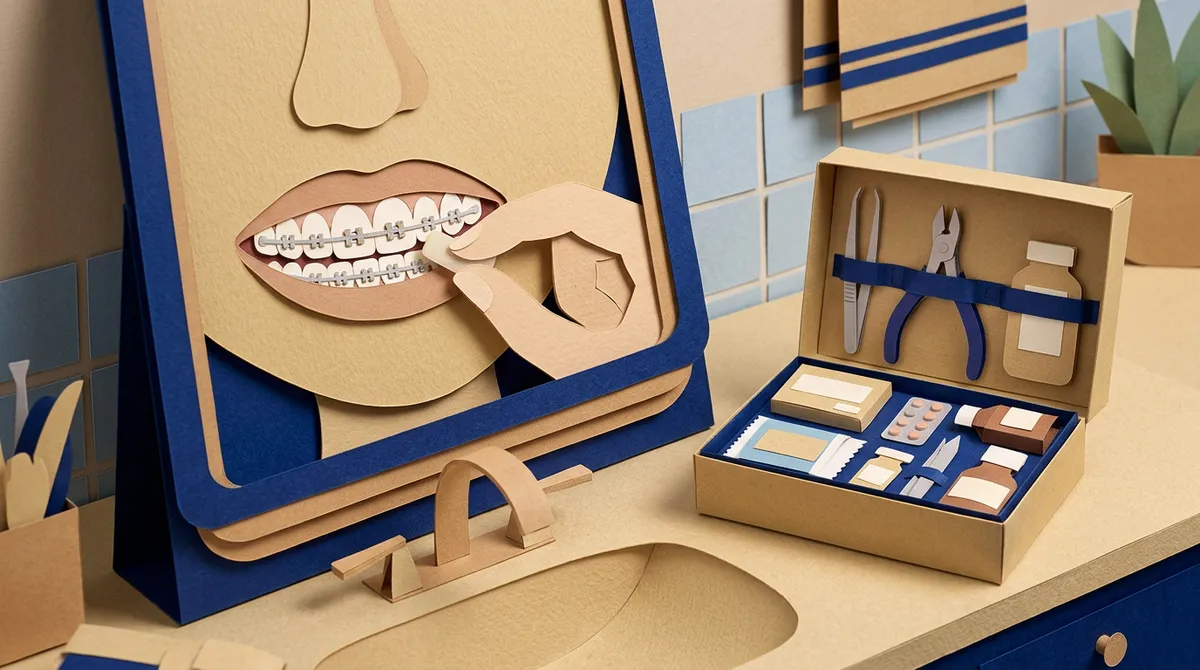
Build an emergency orthodontic kit with orthodontic wax, tweezers, small wire cutters, pain reliever, and your orthodontist's contact information saved in your phone for immediate access during problems.
-
Always call your orthodontist first for urgent issues—most practices offer after-hours voicemail guidance and prioritize same-day or next-day appointments to prevent treatment delays and tooth movement complications.
-
Ignoring broken wires or loose brackets can lead to soft tissue injury, extended treatment times, and unwanted tooth movement, so prompt action prevents these serious consequences.
-
For clear aligner users, a lost or damaged tray requires immediate orthodontist contact for guidance on whether to move to the next tray, return to the previous one, or order a replacement.
Picture this: It’s 9 PM, your child is crying, and there’s a sharp wire poking the inside of their cheek. Or maybe you’re an adult who just bit down hard on something and felt a bracket snap loose. Your heart races and one thought fills your mind — do I need emergency orthodontics near me, right now?
Take a deep breath. You’re not alone, and the situation is almost certainly manageable. One of the most important things orthodontic patients and their families can know is the difference between a true orthodontic emergency and a routine issue that can wait until your next appointment. Knowing that difference saves you stress, time, and possibly an unnecessary trip to the ER.
This guide will walk you through everything — from spotting a real emergency to handling common appliance problems at home. Whether you’re a parent of a teen in braces, a working professional with clear aligners, or someone revisiting orthodontic treatment, we’ve got you covered.
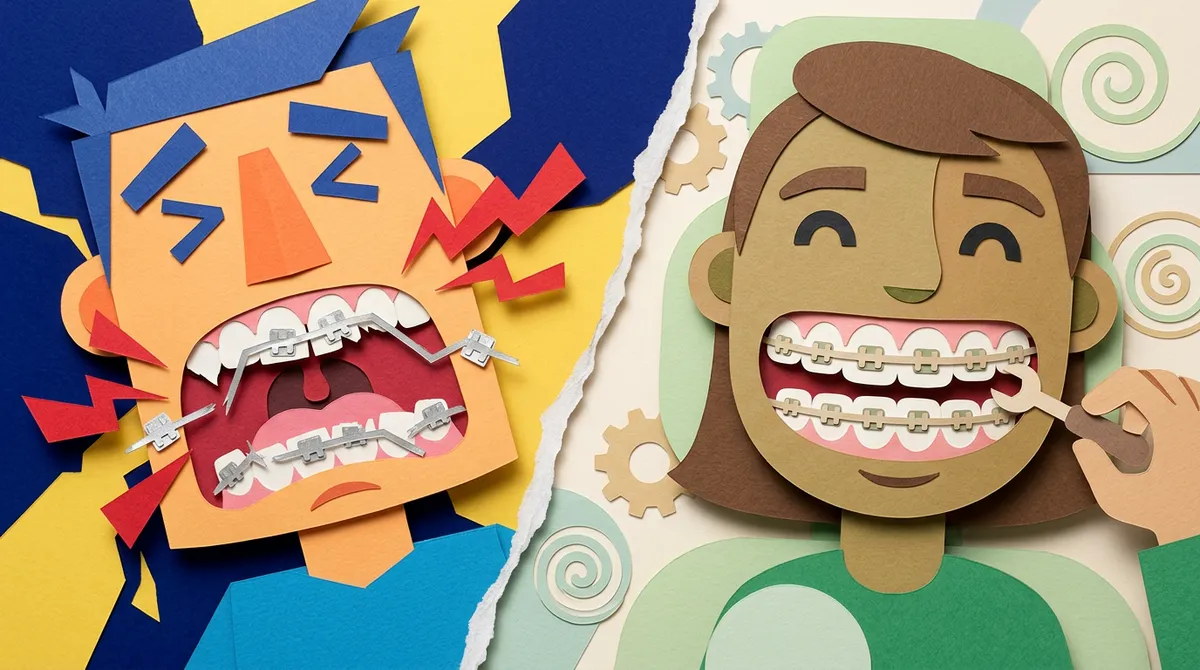
What Is an Orthodontic Emergency vs. a Routine Issue?
Not every orthodontic hiccup counts as an emergency. In fact, true orthodontic emergencies are rare. Most problems with braces or aligners can be managed temporarily at home and resolved at a scheduled appointment. The key is knowing which situation is which.
The American Dental Association distinguishes between urgent dental care (conditions requiring same-day or next-day attention) and dental emergencies (requiring immediate ER intervention). Orthodontic issues typically fall in the urgent — but not life-threatening — category.
| Issue Type | Examples | What To Do |
|---|---|---|
| True Emergency (Go to ER) | Severe swelling, difficulty breathing or swallowing, significant facial trauma, continuous bleeding | Call 911 or go to the nearest emergency room immediately |
| Urgent Orthodontic Issue (Call your orthodontist) | Severe pain from an appliance, broken wire causing injury, lost or broken retainer | Contact your orthodontist for a same-day or next-day appointment |
| Routine Discomfort (Manage at home) | Poking wire, loose bracket, mild soreness after adjustment, lost aligner tray | Use at-home remedies, then call your orthodontist at your convenience |
Understanding this framework puts you in control — no panic, just a clear plan of action.
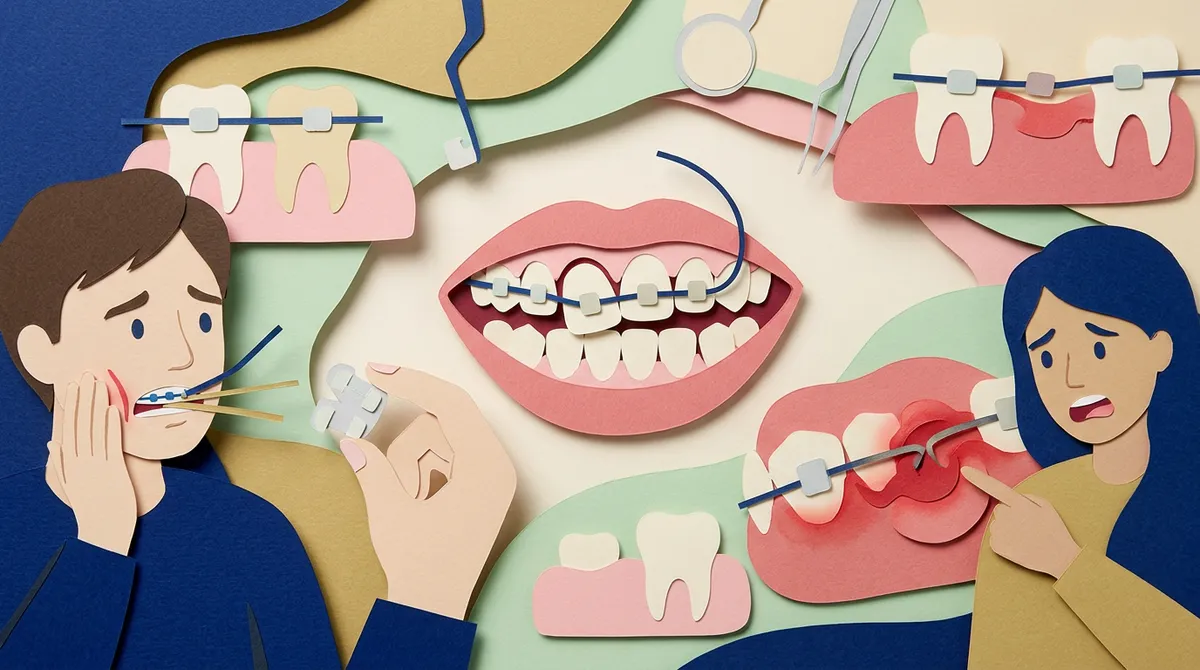
Signs You Truly Need Emergency Orthodontics Near Me
When searching for emergency orthodontics near me, it helps to know exactly what warrants an urgent call. Here’s what genuinely requires same-day orthodontic attention:
- A wire has broken and is actively cutting into your gum or cheek
- An appliance has completely detached and is causing severe pain
- You’ve experienced facial trauma that may have damaged your braces
- Significant swelling around a bracket or wire site
- Persistent pain that over-the-counter pain relievers cannot relieve
- A lost or cracked retainer that is leaving teeth unprotected
In these cases, call your orthodontist right away. Most practices — including Brockway Orthodontics — prioritize urgent appointments to make sure your treatment doesn’t get derailed. Many offices also offer after-hours phone guidance so you can get help even outside regular office hours.
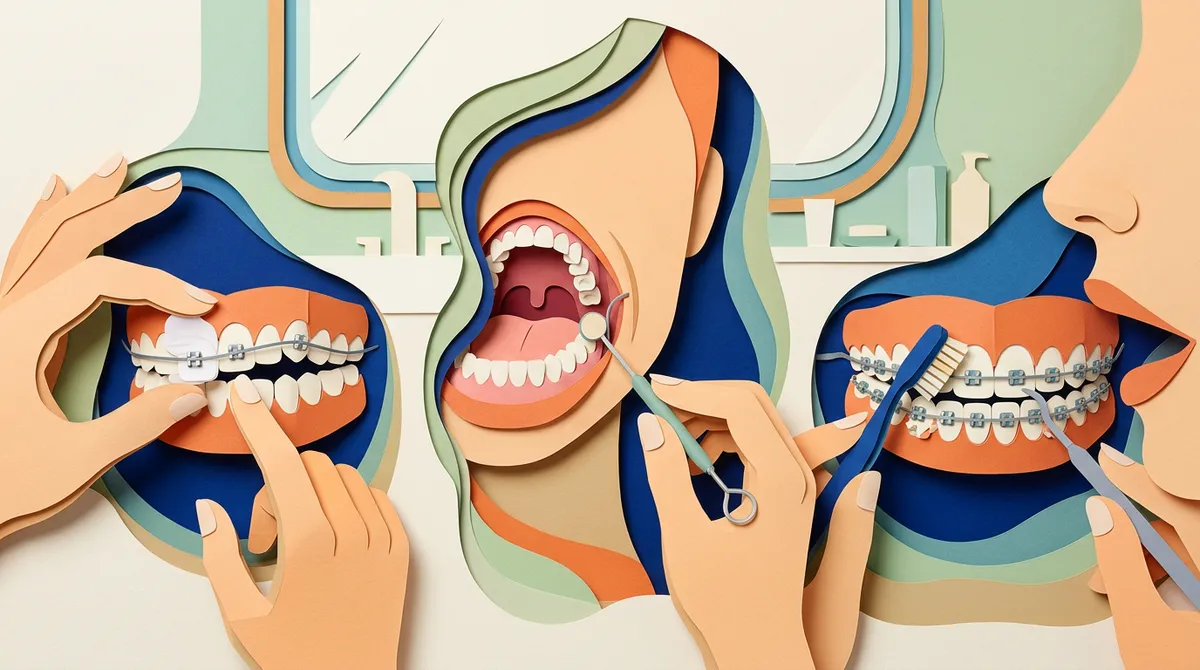
Common Orthodontic Problems You Can Handle at Home
Here’s some genuinely good news: most orthodontic problems that feel alarming in the moment can be managed safely at home with a few simple tools. This is true for patients with traditional braces and those using Spark™ Clear Aligners.
Problem 1: A Poking Wire
This is the most common orthodontic issue reported by patients. A wire can shift and start poking the inside of your cheek or gum. It’s uncomfortable but very fixable temporarily.
- Use a clean pencil eraser or cotton swab to gently push the wire flat against the tooth.
- If it won’t stay, apply a small piece of orthodontic wax over the sharp end.
- If the wire is long enough, use clean nail clippers or small wire cutters to trim the excess.
- Call your orthodontist the next business day to have it properly adjusted.
Problem 2: A Loose or Broken Bracket
A bracket that has come loose is annoying, but it’s rarely dangerous. Here’s how to handle it:
- Check if the bracket is still attached to the wire. If so, leave it in place and cover it with wax.
- If the bracket has fallen off completely, save it in a small bag and bring it to your appointment.
- Avoid eating sticky, hard, or chewy foods until the bracket is re-bonded.
- Contact your orthodontist to schedule a repair appointment as soon as possible.
Problem 3: Lost or Damaged Aligner Tray
If you use clear aligners and lose or crack a tray, don’t stress. Contact your orthodontist right away. They’ll advise whether to move on to the next tray, go back to the previous one, or order a replacement. For more on starting clear aligners in Clearwater, FL, we offer a free consultation to walk you through all your options.
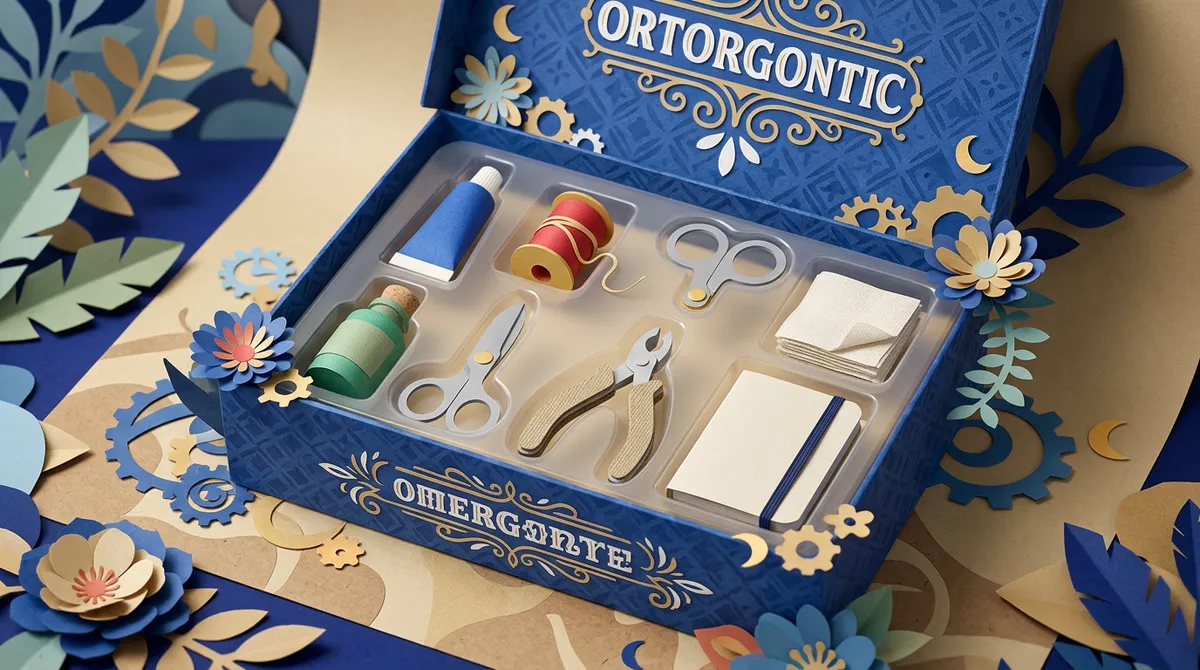
Emergency Orthodontic Kit: What to Have at Home
Being prepared makes all the difference. Whether you’re at home or traveling, a small emergency kit can help you manage minor issues until you see your orthodontist. The Florida Association of Orthodontists recommends that all patients in active treatment be equipped with basic emergency supplies.
| Item | Purpose | Where to Get It |
|---|---|---|
| Orthodontic Wax | Covers sharp wires and brackets | Pharmacy or your orthodontic office |
| Small Tweezers | Repositions displaced wires or bands | Pharmacy or drugstore |
| Small Wire Cutters / Nail Clippers | Trims a long or poking wire | Pharmacy or drugstore |
| Pencil Eraser | Pushes a wire back into position | Already in your home! |
| Pain Reliever (Ibuprofen or Acetaminophen) | Manages soreness and discomfort | Pharmacy (follow dosage instructions) |
| Orthodontist Contact Info | Quick access to professional guidance | Save in your phone and write it down |
Traveling? Pack your kit in your carry-on or travel bag. A poking wire in a different city is much less stressful when you have supplies and your orthodontist’s number handy.
Emergency vs. Routine: A Side-by-Side Comparison
Let’s make this really easy to visualize. Here’s a quick-reference comparison for common orthodontic situations:
| Situation | Emergency? | Recommended Action |
|---|---|---|
| Mild soreness after adjustment | No | Take OTC pain reliever, eat soft foods |
| Poking wire with minor irritation | No | Apply wax, call orthodontist next business day |
| Loose bracket, no pain | No | Cover with wax, schedule repair soon |
| Wire cutting into cheek or gum | Urgent – Yes | Attempt temporary fix, call orthodontist ASAP |
| Swelling or continuous bleeding | Yes – ER | Go to the ER immediately |
| Lost retainer | Urgent | Call orthodontist for replacement guidance |
| Cracked or lost aligner tray | Urgent | Contact orthodontist for next steps |
How to Find Emergency Orthodontics Near Me
When something goes wrong and you need help fast, knowing where to turn is crucial. Here’s a quick guide to finding emergency orthodontic care near you:
- Call your current orthodontist first. Most practices have after-hours voicemail prompts or on-call staff for urgent situations. They know your treatment history and can give the most personalized advice.
- Check your orthodontist’s website or patient portal. Many practices post emergency instructions and contact information specifically for after-hours issues.
- Contact your general dentist. If you can’t reach your orthodontist, your dentist may be able to help or refer you to an emergency dental service.
- Search for urgent dental care clinics. Some dental clinics offer same-day urgent care, though they may not specialize in orthodontics. They can at least help stabilize the situation.
- Visit the ER only for true emergencies. Remember, roughly 2 million ER visits in the US each year are for nontraumatic dental issues — but the ER is best suited for swelling, trauma, or conditions that affect breathing or swallowing.
If you’re in the Clearwater, FL area, visit us on Google to read patient reviews and find our contact information quickly. We’re always here to help our patients navigate any situation, big or small.
Special Considerations for Different Patient Groups
Parents and Kids
Children and teens are the most common patients to experience bracket or wire issues — usually from eating something they shouldn’t or from physical activity. Teaching your child what to do in the moment (apply wax, tell an adult, don’t panic) goes a long way. Check out our adolescent treatment options to learn more about what’s normal during teen orthodontic care.
Adults and Professionals
Adult patients, especially those using clear aligners, often worry about disruptions to their treatment timeline. A lost tray or cracked bracket can feel catastrophic when you’re working toward a deadline smile goal. The good news is that most issues are quickly resolved. Explore our adult orthodontic treatment options and learn how we build flexibility into treatment plans for busy lifestyles.
Orthodontic Relapse Patients
If you’re back in treatment after a previous orthodontic experience, you may be using a retainer or other appliance. A lost or damaged retainer is an urgent situation because teeth can shift quickly. Contact your orthodontist right away if this happens.
Why Prompt Action Always Pays Off
Here’s the bottom line: whether it’s an emergency or a routine inconvenience, acting quickly is always the right move. Ignoring a broken wire or loose bracket can lead to soft tissue irritation, extended treatment times, or even tooth movement in the wrong direction.
At Brockway Orthodontics, Dr. Brockway and the team are committed to being there for patients whenever they need support. We understand that life doesn’t always happen during office hours, and we do our best to make urgent situations as smooth as possible. You can also explore our frequently asked questions page for answers to common concerns anytime.
No matter your age, appliance type, or stage of treatment, knowing how to handle an orthodontic issue calmly and confidently is a superpower. And when in doubt? Always call your orthodontist. That’s what we’re here for.
Wrapping It Up: Be Prepared, Not Scared
Orthodontic hiccups happen to almost everyone at some point. The difference between a panicked night and a smooth resolution comes down to preparation and knowing who to call. True emergencies are rare, but routine issues like poking wires or loose brackets are easy to manage with the right tools and a quick call to your orthodontist.
Keep your emergency kit stocked, save your orthodontist’s number in your phone, and remember that help is always available. If you’re in the Clearwater area and looking for a trusted team to guide you through every step of treatment, we’d love to meet you. Schedule your free consultation today and let’s build a smile plan that works for your life — emergencies and all.
FAQs
Q: What counts as a true orthodontic emergency?
A: A true orthodontic emergency involves severe, uncontrollable pain, significant swelling, continuous bleeding, or facial trauma that may affect breathing or swallowing. For these situations, head to the ER right away. Most other orthodontic issues — like a poking wire or loose bracket — are urgent but manageable with a call to your orthodontist.
Q: How can I fix a poking wire from my braces at home?
A: Great news — this is one of the easiest issues to handle yourself! Use a clean pencil eraser or cotton swab to gently push the wire away from your cheek, then apply orthodontic wax over the sharp end. If the wire is long, carefully trim it with clean nail clippers. Then give your orthodontist a call the next business day to get it fixed properly.
Q: Do orthodontic offices offer after-hours emergency care?
A: Many orthodontic practices, including ours, offer after-hours guidance through voicemail prompts or on-call staff to help patients through urgent situations. While same-day walk-in appointments aren’t always available, most offices prioritize urgent cases and can get you in quickly. Always save your orthodontist’s phone number so you can reach out right away when something goes wrong.
Q: What should I do if my braces break while I’m traveling?
A: Pack a small emergency kit with orthodontic wax, tweezers, nail clippers, and your orthodontist’s contact number before any trip. If something breaks while you’re away, use your kit for a temporary fix and call your orthodontist for guidance. They can advise you on whether to find a local orthodontist or wait until you return home.
Q: How do I find emergency orthodontics near me quickly?
A: Start by calling your current orthodontist — even after hours, many practices have emergency contact options. If you can’t reach them, contact your general dentist for a referral. You can also search for urgent dental care clinics nearby, though the ER should only be your destination if you’re experiencing swelling, trauma, or difficulty breathing.