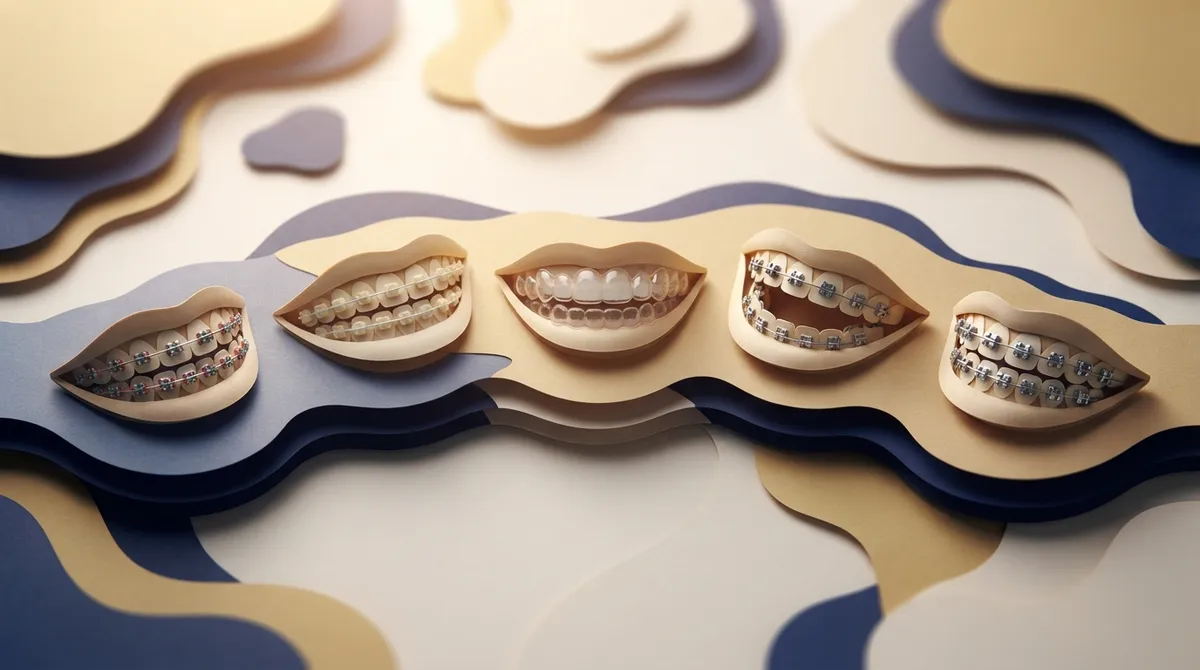
Key Takeaways
-
Metal braces remain the most affordable and durable option at £1,500-£3,500, making them ideal for kids and teens, while ceramic braces offer a more discreet alternative at £2,000-£4,500 for image-conscious patients.
-
Clear aligners require 20-22 hours daily wear and may not suit complex bite problems, but they offer removable convenience and nearly invisible appearance for disciplined teens and adults.
-
Lingual braces attach to the back of teeth for complete invisibility but are the most expensive option (£4,500-£10,000) and require an adjustment period for speech and comfort.
-
Self-ligating braces use built-in clips instead of elastic ties, potentially reducing appointment time and making cleaning easier, available in both metal and ceramic versions.
-
Your orthodontist should evaluate your specific bite complexity, jaw growth, gum health, lifestyle, and budget before recommending a brace type, as no single option works best for everyone.
-
Proper daily care including brushing after meals, using proxy brushes, and avoiding sticky foods is essential for all brace types to prevent cavities and enamel damage.
Staring down the idea of braces can feel overwhelming. With so many options on the market today, how do you know which one is right for you or your child? Here’s some good news: you have more choices now than ever before, and each one is designed to fit different lifestyles, budgets, and smile goals.
At Brockway Orthodontics in Clearwater, Florida, we’ve helped families, teens, and busy professionals find the perfect fit for their orthodontic journey. Whether you’re a parent researching options for your teenager, or an adult professional who wants a discreet solution, this guide breaks down the 5 main types of braces available in 2026. Let’s find the right match for your smile.
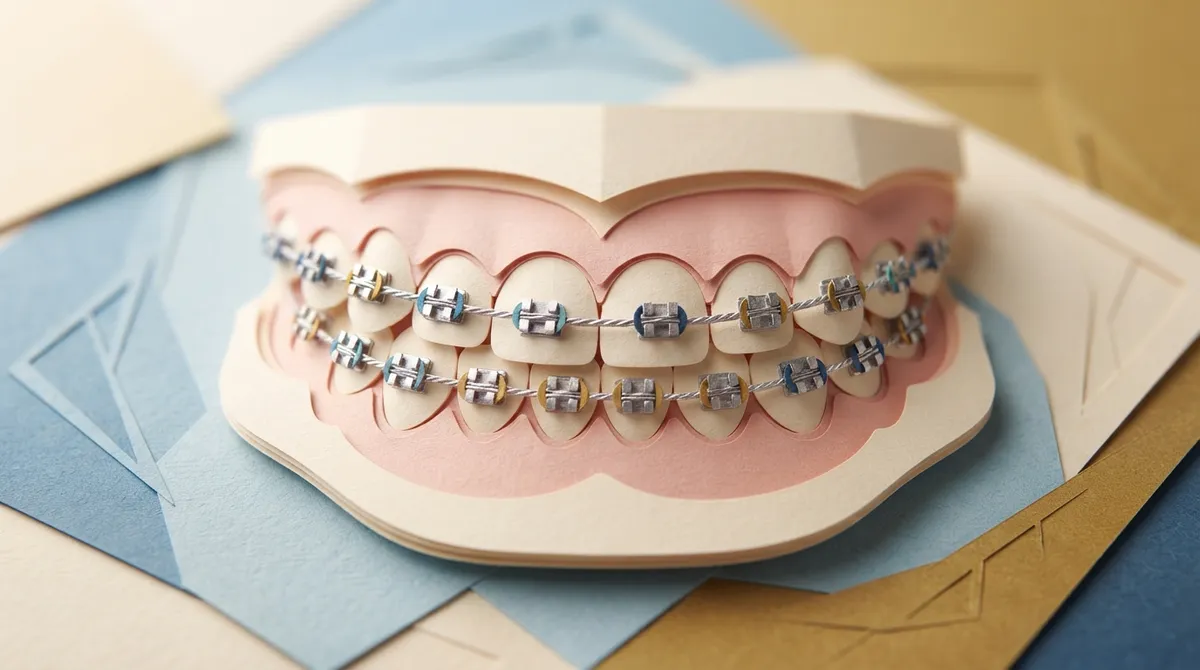
1. Traditional Metal Braces: The Reliable Classic
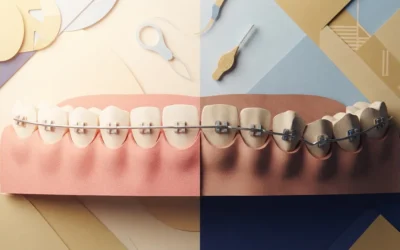
Metal braces have been around for decades, and they’re still one of the most popular choices today. They use small stainless-steel brackets that attach to the front of each tooth. A thin wire connects the brackets and gently guides your teeth into place over time.
These braces are tough, dependable, and often the most budget-friendly fixed-brace option. They work well for almost any bite problem, from crowding to gaps to more complex jaw alignment issues.
- Best for: Kids, teens, and anyone wanting a proven, affordable option
- Visibility: Most noticeable of all the options
- Durability: Very strong and rarely break
- Fun factor: Kids can pick colorful bands to express their personality
Many parents love metal braces because they’re a tried-and-true method with a long track record of success. If your child is nervous about getting braces, our adolescent treatment program makes the whole process fun and stress-free.
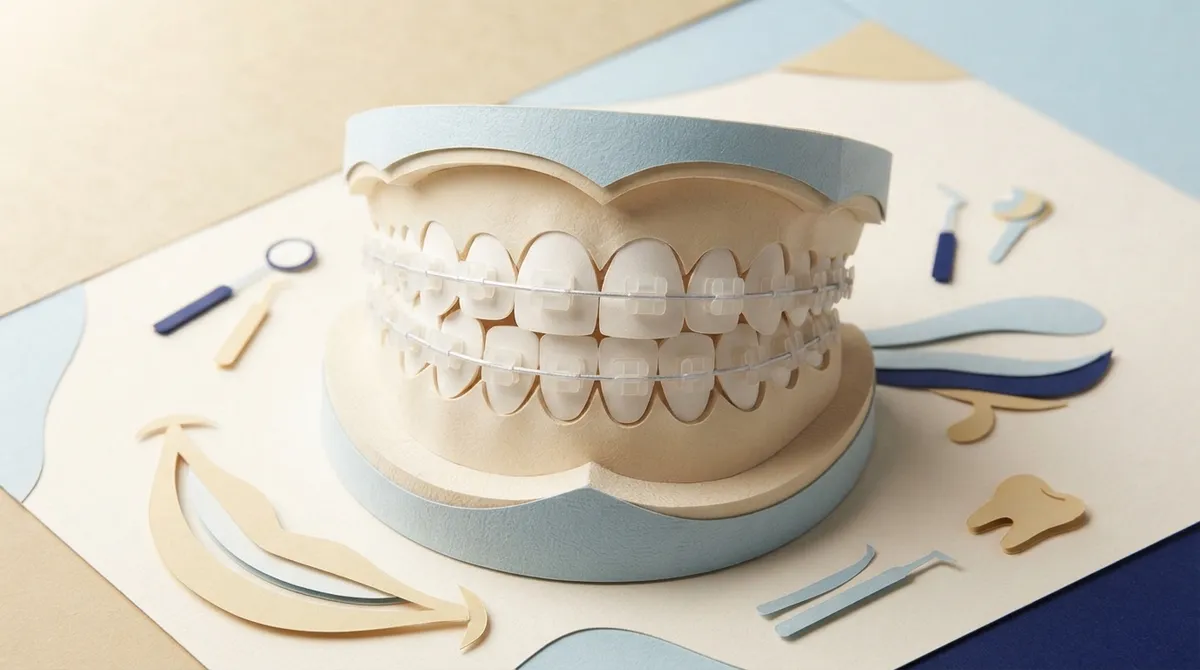
2. Ceramic or Clear Braces: A More Discreet Option
Ceramic braces work just like metal braces, but the brackets are tooth-colored or clear instead of silver. This makes them much less noticeable, which is a huge win for teens heading into school photos or adults who want a subtler look.
The wires can also be tooth-colored, blending in even more with your natural smile. Ceramic brackets are slightly more fragile than metal ones, so they may cost a bit more and require a little extra care.
Why People Choose Ceramic Braces
- Less visible than metal braces
- Work just as effectively for most bite issues
- Great for teens who want fixed braces but prefer a subtle look
- A popular choice for adults returning to treatment later in life
If you’re curious whether ceramic braces fit your lifestyle, our team walks you through the pros and cons during your first visit. Many patients in Clearwater choose ceramic options for that perfect balance of effectiveness and discretion.
3. Self-Ligating Braces: A Modern Twist on Fixed Braces
Self-ligating braces look similar to traditional braces, but they use a different bracket design. Instead of elastic ties holding the wire in place, these brackets have built-in clips or doors. This can make adjustments quicker and may reduce friction on the wire.
Self-ligating braces come in both metal and ceramic versions. It’s important to know that the “self-ligating” part refers to the bracket style, not a totally separate kind of treatment. They still move teeth using the same basic principles as traditional braces.
Potential Perks of Self-Ligating Braces
- Fewer elastic ties to replace at each appointment
- May be slightly easier to keep clean
- Some patients report shorter appointment times
- Available in both metal and tooth-colored options
As with any brace type, results depend on your specific case. Your orthodontist will help determine if this option makes sense for your treatment goals.
4. Lingual Braces: Hidden Behind Your Teeth
Lingual braces are fixed braces, but with a twist: they attach to the back (tongue-facing) side of your teeth instead of the front. This makes them nearly invisible when you smile, talk, or laugh.
Lingual braces can treat many of the same problems as traditional braces. However, they tend to be more expensive and technically demanding for the orthodontist to place. Some patients notice a temporary change in speech or tongue comfort as they adjust.
- Best for: Adults and professionals who want a completely hidden option
- Visibility: Virtually invisible from the front
- Adjustment period: May take a few weeks to get used to speaking comfortably
- Cost: Generally the most expensive fixed-brace option
This option is popular among adult professionals who don’t want their treatment to be obvious in meetings or social settings. If discretion is your top priority, lingual braces are worth discussing at your consultation.
5. Clear Aligners: The Removable, Nearly Invisible Choice
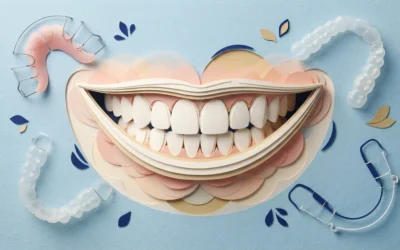
Clear aligners have become incredibly popular, and it’s easy to see why. Instead of brackets and wires, you wear a series of custom-made, clear plastic trays. Each tray gently shifts your teeth, and you switch to a new one every one to two weeks.
The biggest advantage? You can remove them to eat, drink, and brush your teeth like normal. That means no food restrictions and easier cleaning. At Brockway Orthodontics, we proudly offer Spark™ Clear Aligners, a comfortable and often more affordable alternative for teens and adults alike.
Things to Keep in Mind About Clear Aligners
- They require discipline. You must wear them 20-22 hours a day to stay on track.
- They may not be ideal for very complex bite or jaw problems.
- An orthodontist needs to confirm if your case is a good fit.
- They’re removable, discreet, and popular with busy professionals and image-conscious teens.
Curious if clear aligners could work for you? Our first visit includes a full evaluation so we can tell you honestly whether this option fits your smile goals.
Comparing the 5 Types of Braces at a Glance
Choosing between these options can feel like a lot to consider. Here’s a simple table to help you compare the basics side by side.
| Brace Type | Visibility | Typical Cost Range (Private) | Best For |
|---|---|---|---|
| Metal Braces | Most visible | £1,500–£3,500 | Kids, teens, budget-conscious families |
| Ceramic Braces | Subtle, blends in | £2,000–£4,500 | Teens and adults wanting a discreet fixed option |
| Self-Ligating Braces | Depends on material | £2,500–£5,000 | Patients wanting fewer adjustments |
| Lingual Braces | Hidden behind teeth | £4,500–£10,000 | Adults wanting total discretion |
| Clear Aligners | Nearly invisible | Varies by case | Teens and adults wanting removable comfort |
Keep in mind that prices vary widely depending on your case complexity, location, and the orthodontist you choose. These figures come from UK pricing data and serve as a general guide rather than an exact quote for Clearwater patients.
Other Appliances You Might Hear About
Beyond the 5 main types above, your orthodontist may also mention a few other appliances depending on your needs. These are usually part of a broader treatment plan rather than the main solution.
- Removable plates: Used for minor tooth movements or alongside fixed braces
- Functional appliances: Help guide jaw growth, especially useful for growing kids
- Headgear: Prescribed for specific bite or jaw growth concerns
These appliances aren’t stand-alone replacements for the main brace types. Instead, they work together with your treatment plan to achieve the best results.
How Your Orthodontist Picks the Right Brace for You
There’s no single “best” brace for everyone. Your orthodontist looks at several factors before recommending a treatment plan.
- Your bite and how your teeth fit together
- The amount of crowding or spacing you have
- Your jaw growth, especially important for kids and teens
- Your gum and tooth health
- Your lifestyle, age, and budget
- How well you can follow care instructions
This is why a proper exam matters so much. According to the American Dental Association, regular checkups and personalized treatment plans lead to better long-term outcomes. Our team at Brockway Orthodontics takes time to understand your goals before recommending any treatment path.
Caring for Your Braces: Simple Daily Habits
No matter which type of braces you choose, good habits matter. Fixed braces can trap food, which raises your risk of plaque buildup, cavities, and gum problems. Here’s a simple routine to follow.
- Brush after every meal, using a soft-bristled brush
- Use a proxy brush or floss threader to clean between wires
- Rinse with an antibacterial mouthwash daily
- Avoid sticky, hard, or chewy foods that can damage brackets
- Keep up with regular dental checkups alongside your orthodontic visits
Skipping these steps can lead to enamel decalcification or white spots on your teeth. A little extra care goes a long way in protecting your smile investment.
What Happens After Treatment Ends?
Once your active treatment is complete, your journey isn’t quite over. Teeth naturally want to drift back toward their original position, a process called relapse. That’s why retainers are so important.
Your orthodontist will let you know which type of retainer fits your case and how often to wear it. Skipping this step can undo months or years of hard work, so it’s worth taking seriously.
Why Choose Brockway Orthodontics in Clearwater?
Dr. Brockway isn’t just another orthodontist. She takes the time to listen to your concerns and dreams for your smile, making sure you feel comfortable and informed at every step. Our Clearwater office is equipped with modern technology, including digital impressions and 3D imaging, so your treatment plan is precise and comfortable from day one.
We proudly serve families throughout Clearwater and the surrounding Pinellas County area. Whether you need adult treatment or care for your growing kids, our team treats you like family, not just another patient on the schedule. In certain cases, we even offer same-day treatments so busy families don’t have to juggle multiple appointments.
Curious what other patients think? You can visit us on Google — Brockway Orthodontics to read real reviews from families just like yours. You can also connect with us on Facebook or follow along on Instagram for smile transformations and helpful tips.
Ready to Find Your Perfect Brace Type?
Choosing the right braces doesn’t have to be stressful. With so many options, from classic metal braces to nearly invisible clear aligners, there’s a solution that fits your life, your budget, and your smile goals. The team at Brockway Orthodontics is here to guide you every step of the way, just like we’ve done for so many families across Clearwater.
Not sure which option is right for you or your child? Our friendly team is ready to answer your questions and create a plan tailored just for you. Book appointment online today and take the first step toward a smile you’ll love. You can also contact us with any questions before your visit. For general guidance on orthodontic standards of care, the Florida Association of Orthodontists is also a great resource for patients in our state.
FAQs
Q: What are the different types of braces available today?
A: The main options are traditional metal braces, ceramic (clear) braces, self-ligating braces, lingual braces, and clear aligners like Spark™. Each one works a little differently, so it really comes down to your smile goals, budget, and lifestyle. Our team is happy to walk you through each option during your first visit!
Q: Are metal or ceramic braces better for adults and teenagers?
A: It really depends on your priorities. Metal braces are durable and budget-friendly, making them popular with teens, while ceramic braces blend in more naturally, which many adults and image-conscious teens prefer. Both work equally well for straightening teeth, so it often comes down to personal preference and cost.
Q: Are clear aligners suitable for severe crowding or bite problems?
A: Clear aligners work wonderfully for many cases, but very complex bite or crowding issues may need traditional braces instead. The good news is that an orthodontic exam can quickly tell you which option will give you the best results. We’re always honest about what will work best for your unique smile.
Q: How much do braces cost, and does it vary by type?
A: Yes, costs vary quite a bit! Metal braces tend to be the most affordable, while lingual braces are typically the priciest due to their complexity. The best way to get an accurate number for your situation is to schedule a consultation, where we’ll go over your options and any financing plans available.
Q: Will braces hurt, and what side effects should I expect?
A: Most people feel some soreness for a few days after getting braces or switching aligner trays, but it’s totally manageable and temporary. Think of it as your teeth settling into their new positions! Our team will give you simple tips to stay comfortable throughout your treatment.
Our Service Area