Key Takeaways
-
Uneven spacing between front teeth often has several contributing causes, such as a tooth-to-jaw size mismatch, missing or small teeth, an enlarged frenum, thumb sucking or tongue thrust, and gum disease.
-
A new or widening gap in an adult can signal gum disease or bone loss, so a dental professional should check gum health before treating the gap as purely cosmetic.
-
Gaps in children often close as permanent teeth come in, but an orthodontic check is the only reliable way to know whether watching and waiting is appropriate.
-
Treatment depends on the cause: braces suit complex spacing and bite issues, clear aligners suit mild to moderate cases, and bonding or veneers can address small or oddly shaped teeth.
-
Teeth can drift back after treatment, so a retainer plan is essential to keep a closed gap from reopening.
You smile in the mirror and notice it right away. One gap between your front teeth looks wider than the other, or the spaces just don’t match. If that sounds familiar, you are in good company. Uneven spacing between front teeth is one of the most common reasons people walk into an orthodontist’s office, and the good news is that it is very treatable.
Some gaps are simply part of growing up. Others point to something deeper, like the size of your teeth, the shape of your jaw, or the health of your gums. That is why the first step is always to find out why the spacing is there.
In this friendly guide, we will walk through what causes uneven spacing between front teeth, when it is normal, when it deserves a closer look, and which treatments can help. Whether you are a parent wondering about your child’s smile, a teen planning ahead for a big event, or an adult whose teeth have started to shift, you will find clear answers here.
What Is Uneven Spacing Between Front Teeth?
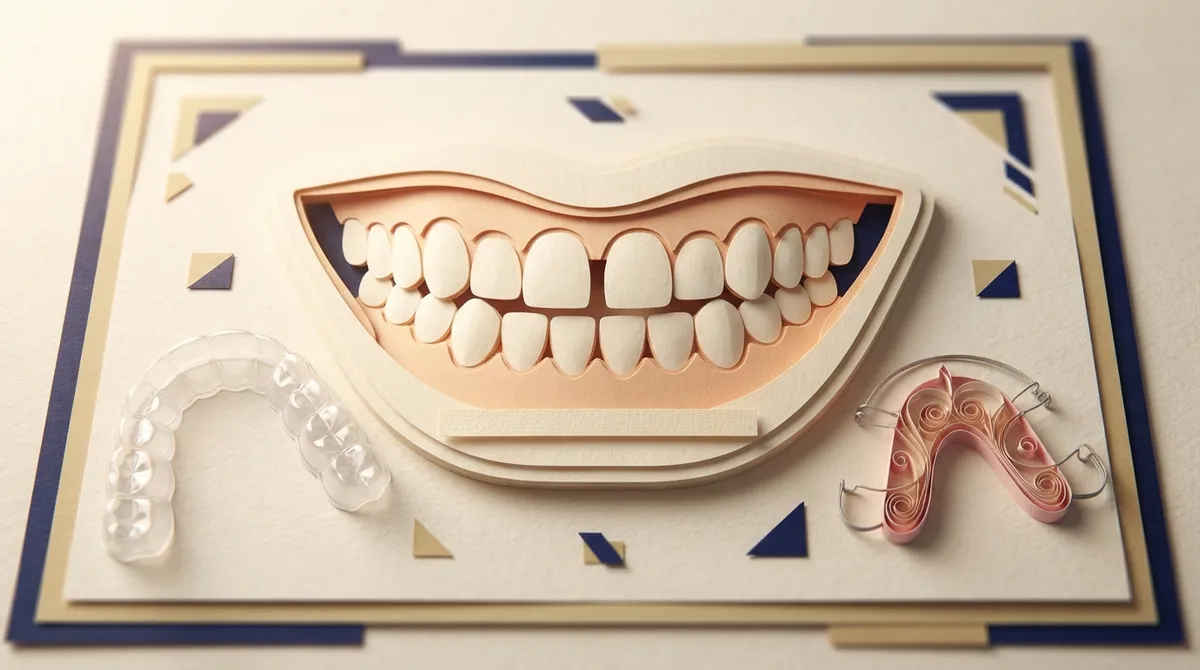
Dentists often call this dental spacing. When there is a gap between two teeth, it is called a diastema. The most common type is a gap between the two upper front teeth, known as a midline diastema.
Uneven spacing means the gaps are not the same size or shape. You might have a wide space between your top two teeth and a tiny one next to it. Or one front tooth may sit farther from its neighbor than the rest.
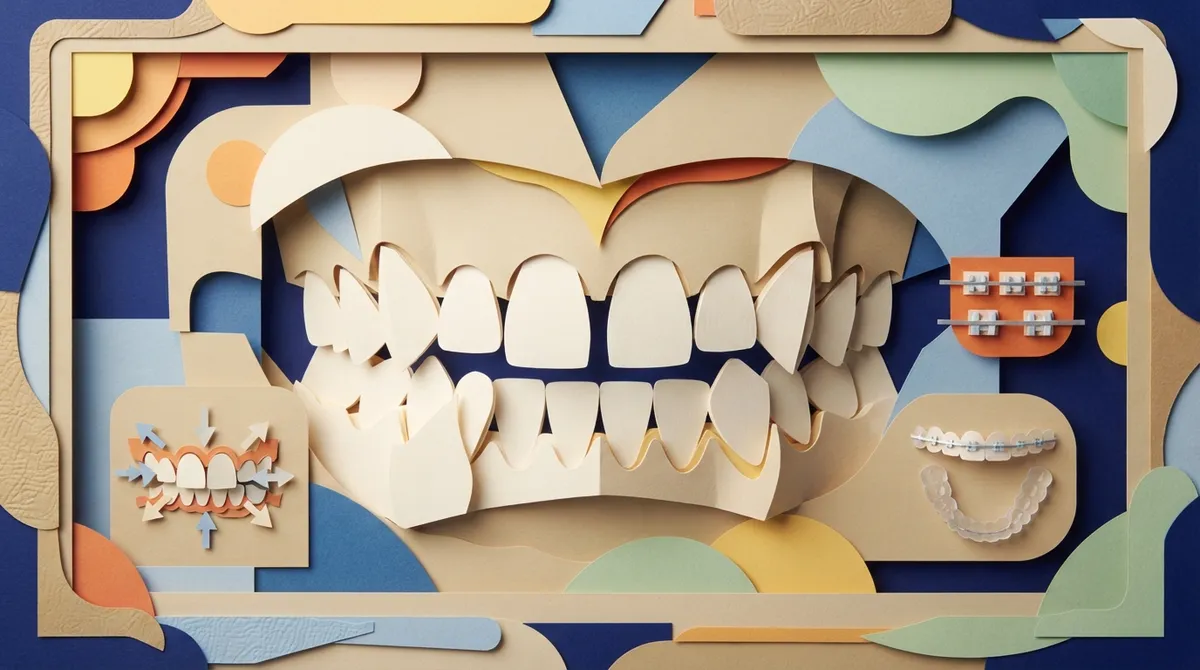
Spacing is different from crowding. Crowding means teeth are squeezed together with too little room. Spacing means there is extra room. If you want to dig into the difference, our post on spacing versus crowding in orthodontics explains it in plain language.
How common is it? One 2020 study of a specific patient group found a midline diastema in 23.2% of participants. Keep in mind that this number comes from one sample and should not be treated as a rate for the whole population. Still, it shows that gaps are far from rare.
Common Causes of Uneven Spacing Between Front Teeth
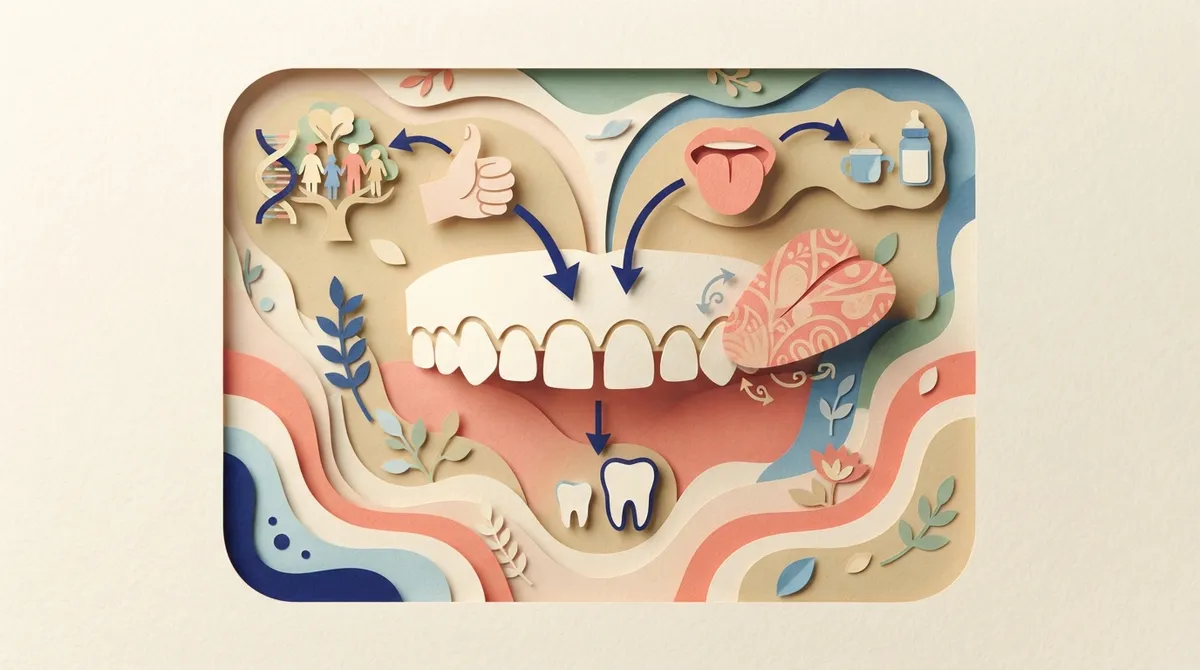
There is rarely just one cause. Often, a few factors work together. Here are the most common ones.
Tooth Size and Jaw Size Mismatch
Think of your teeth as guests and your jaw as the dinner table. If the table is large and the guests are small, there will be extra space. This mismatch between tooth size and jaw size is one of the top reasons for gaps.
Missing or Small Teeth
If a tooth never formed, or if a tooth is smaller than usual, the teeth around it can drift and leave gaps. Some people have small, peg-shaped side teeth, which can change how the front teeth line up. If you are curious about braces when a tooth is absent, see our guide on getting braces with missing teeth.
An Enlarged Frenum
The frenum is the small band of tissue that connects your upper lip to your gums. If it is large or attaches low, it can sit between the front teeth and hold them apart.
Habits and Forces
Thumb sucking and tongue thrust can push teeth forward and apart over time. Gentle but steady pressure adds up, especially in growing children.
Gum Disease
This one is important. If you are an adult and a gap is new or getting bigger, it could be linked to periodontal disease, which can cause loss of the bone and tissue that support your teeth. This is a health matter, not just a cosmetic one, so it deserves a professional check. Our article on why gum health matters before adult braces goes into more detail.
For a broader look at the topic, you can also read what causes gaps between teeth.
Quick Reference: Causes and What They Mean
| Possible Cause | What It Looks Like | Who It Often Affects |
|---|---|---|
| Tooth and jaw size mismatch | Even or uneven gaps across several teeth | Children, teens, and adults |
| Missing or small teeth | A gap near the missing or tiny tooth | All ages |
| Enlarged frenum | A gap between the two upper front teeth | Often noticed in childhood |
| Thumb sucking or tongue thrust | Front teeth that tip forward and spread | Children and some adults |
| Gum disease | New or widening gaps, possible loose teeth | Adults |
Is a Gap Normal in Children?
Often, yes. Kids go through an awkward stage while baby teeth are replaced by permanent ones. Many parents see a gap between the upper front teeth around ages 7 to 10 and worry. In some children, this space is part of normal development.
Will it close on its own? It depends on the child’s growth and what is causing the gap. Sometimes the space shrinks as the side teeth come in. Other times it stays. The only way to know is to have an orthodontist take a look.
If you are a parent, here are a few signs that a visit is a good idea:
- The gap is wide, or it is getting wider.
- Your child sucks a thumb or finger, or pushes the tongue against the teeth.
- Teeth seem to be erupting unevenly or in an odd order.
- A baby tooth was lost very early.
An early check is not the same as starting treatment. Many children simply get a plan to watch and wait. To learn more, see when a child should see an orthodontist and 8 things to know about spacing between children’s teeth.
When Uneven Spacing Needs a Closer Look
Not every gap is a problem. But some deserve attention sooner rather than later.
Gaps That Appear or Widen in Adulthood
If your teeth were fine for years and now a gap is showing up, do not brush it off. Shifting teeth can signal gum disease or bone loss. A dental professional should check your gums and bone support first.
Spacing After Past Orthodontic Treatment
Did you wear braces years ago and notice your front teeth drifting apart? Teeth can move after treatment, especially if a retainer was not worn as directed. This is called relapse, and it is more common than people think. Our post on orthodontic relapse warning signs can help you spot it early.
Spacing With Bite Trouble
If you have trouble chewing, or your front teeth stick out or do not meet well, the spacing may be part of a bigger bite issue. An orthodontist looks at the whole picture, not just the gap.
How Orthodontists Evaluate Your Gap
A good treatment plan starts with a good exam. Here is what that process often looks like.
- A conversation. We ask about your goals, your dental history, and any habits.
- A look at your teeth, gums, and bite. We check how your teeth meet and whether your gums are healthy.
- Imaging and scans. Digital scans and 3D imaging help us see what is happening below the gum line and plan precisely. Learn more in what orthodontic X-rays can help evaluate.
- A clear explanation. We walk you through the cause, your options, and what to expect.
If you are nervous about your first visit, take a peek at what to expect at your first orthodontist appointment.
Treatment Options for Uneven Spacing Between Front Teeth
The right fix depends on the cause. There is no one-size-fits-all answer, and that is a good thing, because your smile is not one-size-fits-all either.
Braces
Braces use gentle, steady pressure to move teeth into better positions. They are a strong choice for more complex spacing, bite issues, or when several teeth need to move. Brockway Orthodontics offers both metal braces and ceramic (clear) braces. Ceramic braces blend in with your teeth, which many teens and adults love. See metal vs. ceramic braces to compare.
Clear Aligners
Clear aligners are removable trays that gradually shift your teeth. They are popular with busy adults and teens who want a discreet option. At Brockway Orthodontics, we offer Spark™ Clear Aligners, a more affordable alternative to Invisalign. Learn how they work in our guide to Spark Clear Aligners.
Bonding or Veneers
If the spacing comes from small or oddly shaped teeth, a dentist can sometimes add material to change the tooth shape and close or disguise a space. This changes the look of the tooth rather than moving it. It can work well for the right case, and it may be done alongside orthodontic care.
Replacing Missing Teeth
When a missing tooth is behind the spacing, the plan may include replacing it. Often, orthodontic movement comes first to create the right amount of room.
Frenectomy
If an enlarged frenum is part of the problem, a small procedure called a frenectomy may be considered. It is usually coordinated with orthodontic treatment so the teeth can stay closed once they move together.
Treating Gum Health First
If gum disease is present, it needs attention before or alongside tooth movement. Moving teeth while disease is active will not solve the underlying problem. Our team works with your dentist or periodontist so your treatment is safe and lasting.
Braces vs. Aligners for Front Tooth Gaps
Both can close gaps well. Which one is better depends on your teeth, your bite, and your lifestyle.
| Factor | Braces | Clear Aligners |
|---|---|---|
| Best for | Complex spacing and bite problems | Mild to moderate spacing |
| Visibility | Metal is visible; ceramic blends in | Nearly invisible |
| Removable | No, fixed in place | Yes, for eating and cleaning |
| Responsibility | Less dependent on you | Requires wearing trays most of the day |
We have a deeper breakdown in braces vs. aligners for teeth gap closure, and a related read on which closes gaps best. If you want a gap-focused overview, check out gap teeth treatment too.
Will the Gap Come Back? The Role of Retainers
Here is something many people do not hear enough: teeth can shift after treatment. Closing a gap is only half the job. Keeping it closed is the other half.
That is where retainers come in. A retainer helps hold your teeth in their new spots while the bone and gums settle. The right retainer plan depends on your case. Some people wear a clear removable retainer. Others do well with a thin wire bonded behind the teeth. Often, a gap that closes easily is also a gap that likes to reopen, so retention matters a lot here.
Want to learn more? These guides can help:
- Fixed vs. removable retainers
- How to care for your dental retainer
- Why you still need retainers after aligners
Tips for Living With Uneven Spacing Until Treatment
While you plan your next step, a few simple habits can help protect your smile.
- Keep your gums healthy. Brush twice a day and floss daily. Gaps can trap food, so a little extra care goes a long way.
- Skip the chewing on hard objects. Pens, ice, and fingernails can push teeth around.
- Notice changes. If a gap grows or a tooth feels loose, call your dental team.
- Keep your regular dental visits. Your dentist can watch your gum health while you plan orthodontic care.
Teens and young adults: if you have a graduation, wedding, or big photo day coming up, bring it up at your visit. Timing can shape which treatment fits best. Our guide on planning orthodontic treatment before a wedding offers helpful ideas.
How Brockway Orthodontics Can Help
At Brockway Orthodontics in Clearwater, Florida, Dr. Brockway takes the time to listen to your concerns and your goals. She explains your options in easy words, so you always know what is happening and why.
We use modern tools like digital impressions instead of messy molds, plus 3D imaging to plan your care with precision. In certain cases, we can even offer same-day treatments, which helps busy families skip extra trips.
We treat the whole family, from kids with early spacing to adults who want a discreet fix, and from first-time patients to those returning after relapse. Curious about the practice? Read what makes Brockway Orthodontics a Clearwater favorite, or see what patients say when you visit us on Google — Brockway Orthodontics. You can also follow our community on Facebook.
For general oral health guidance, the American Dental Association is a trusted resource, and the Florida Association of Orthodontists offers helpful state-level information for patients.
Take the Next Step Toward a Smile You Love
Uneven spacing between front teeth can come from many places, including tooth size, a frenum, habits, missing teeth, or gum health. The best treatment starts with knowing the real cause. From there, braces, aligners, cosmetic shaping, or other care can close the gaps, and a good retainer plan helps keep them closed.
You do not have to figure it out alone. If you are ready to find out what is behind your gap and what your options are, book your consultation online. Have questions first? Just contact us and our friendly team will be happy to help.
FAQs
Q: What causes uneven spacing between the front teeth?
A: Common causes include a mismatch between tooth and jaw size, missing or small teeth, an enlarged frenum, habits like thumb sucking or tongue thrust, and gum disease. More than one factor can play a part, so a quick exam helps find the real reason.
Q: Can a gap between front teeth close on its own?
A: Sometimes, especially in children as permanent teeth come in. But it depends on the cause and the child’s growth, so an orthodontic check is the best way to know. In adults, gaps rarely close without treatment.
Q: How do orthodontists close a gap between front teeth?
A: Most often with braces or clear aligners that gently move teeth together. Depending on the cause, bonding or veneers, replacing a missing tooth, or a frenectomy may also be part of your plan.
Q: Can gum disease cause new gaps between teeth?
A: Yes. A new or widening gap in an adult can be linked to gum disease and loss of supporting bone. That is why a dental professional should check your gum health first, not just treat it as a cosmetic concern.
Q: Will a gap reopen after treatment, and do I need a retainer?
A: Teeth can shift after treatment, so retainers are commonly prescribed to hold your results. The right type and wear schedule depends on your case, and we will walk you through it.
Our Service Area