Key Takeaways
-
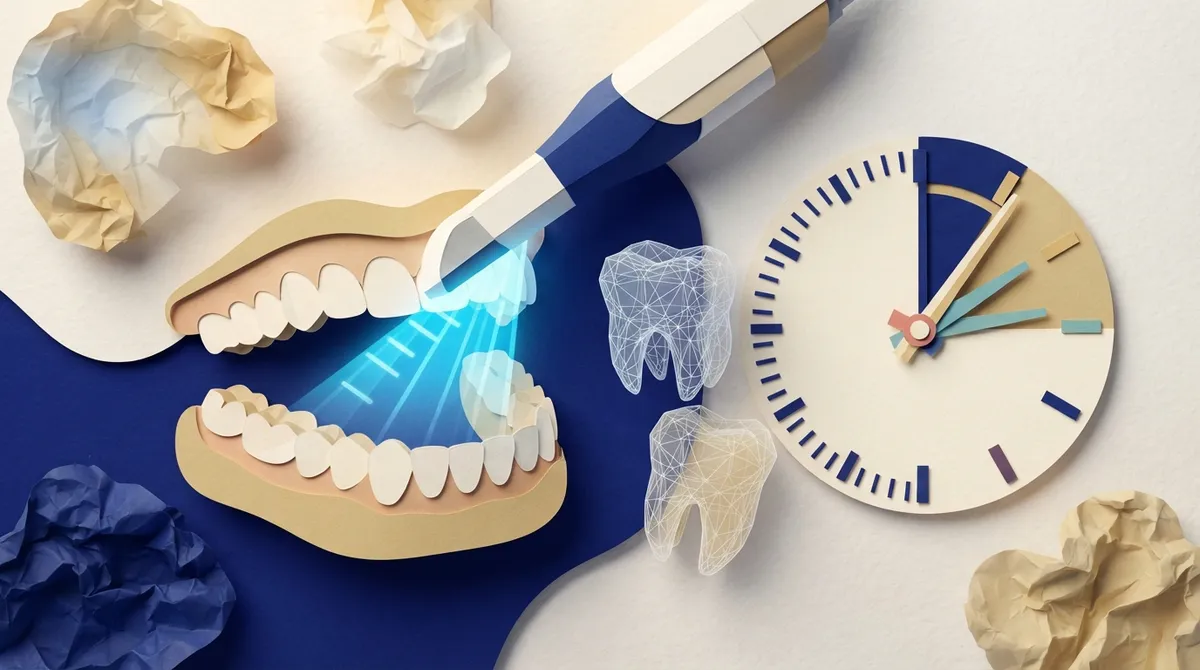
Digital impressions complete scans in 12 minutes versus 75.5 minutes for traditional putty molds, dramatically reducing chair time for busy patients and parents.
-
Digital scans achieve significantly higher comfort scores (9.03 vs 6.66) and eliminate gag reflex triggers by removing the need for messy putty trays entirely.
-
Digital impressions produce highly accurate 3D models that avoid shrinkage, warping, and air bubbles inherent in traditional molds, resulting in better-fitting aligners and fewer treatment adjustments.
-
Digital scans are not limited to clear aligners but support braces planning, custom appliance design, retainer fabrication, and progress tracking throughout entire orthodontic treatment.
-
Digital records stored electronically enable instant comparison of past and current scans for tracking tooth movement and supporting retreatment planning, unlike physical molds that can crack or get lost.
-
Ask your orthodontist directly whether they use digital scanning for all impressions, as this technology improves treatment accuracy, reduces appointments, and enhances patient comfort compared to outdated traditional methods.
Remember the days of biting into a tray of gooey, gaggy putty and holding still for what felt like forever? Good news: those days are fading fast. Today, digital dental impressions use a small wand-like scanner to capture a 3D picture of your teeth in just minutes. No mess, no gag reflex, and no waiting around wondering if the mold turned out right. At Brockway Orthodontics, we’ve seen firsthand how this technology makes treatment planning faster, more accurate, and honestly, a lot more pleasant for our patients in Clearwater, Florida.
But here’s the thing: not every practice uses this technology the same way, and not every patient knows what to ask for or expect. That’s where mistakes creep in. Whether you’re a parent booking your child’s first orthodontic visit, a busy professional squeezing in a lunchtime consult, or someone returning for retreatment after a relapse, understanding digital impressions helps you get the smoothest, smartest care possible. Let’s walk through six common mistakes people make with digital dental impressions, and how to avoid every single one of them.
Mistake 1: Assuming All Impressions Are Created Equal
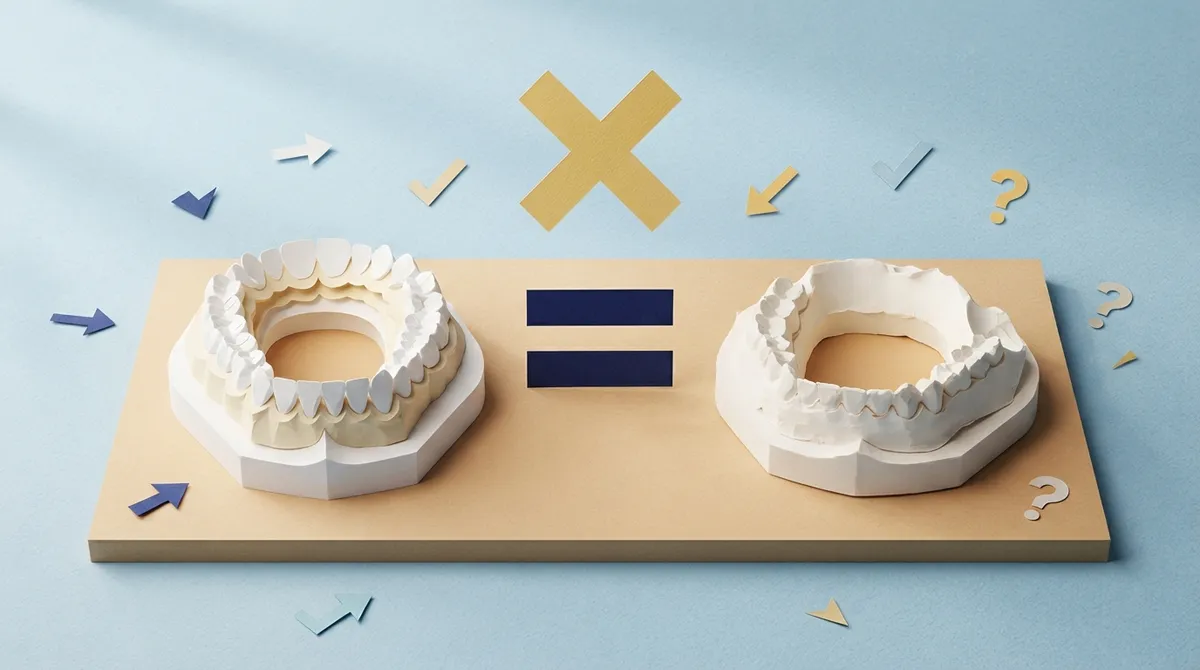
Some patients still think a mold is a mold, whether it’s digital or the old-school putty version. That’s simply not true. A recent review of digital impression technology found that intraoral scanners are now widely used in orthodontics because they produce highly precise 3D models of your teeth and bite. Traditional putty impressions can shrink, warp, or trap air bubbles, leading to less accurate models.
Digital scans avoid these pitfalls almost entirely. The scanner captures hundreds of images and stitches them into one seamless, exact replica of your mouth. If you’re comparing orthodontic offices, ask directly whether they use digital scanning for your clear aligner treatment or braces planning. The answer matters more than you might think.
Why Accuracy Matters So Much
- Precise scans mean better-fitting aligners and appliances
- Fewer remakes or adjustments down the road
- More reliable progress tracking throughout treatment
- Better communication between your orthodontist and the dental lab
Mistake 2: Not Realizing How Much Time Digital Scanning Saves
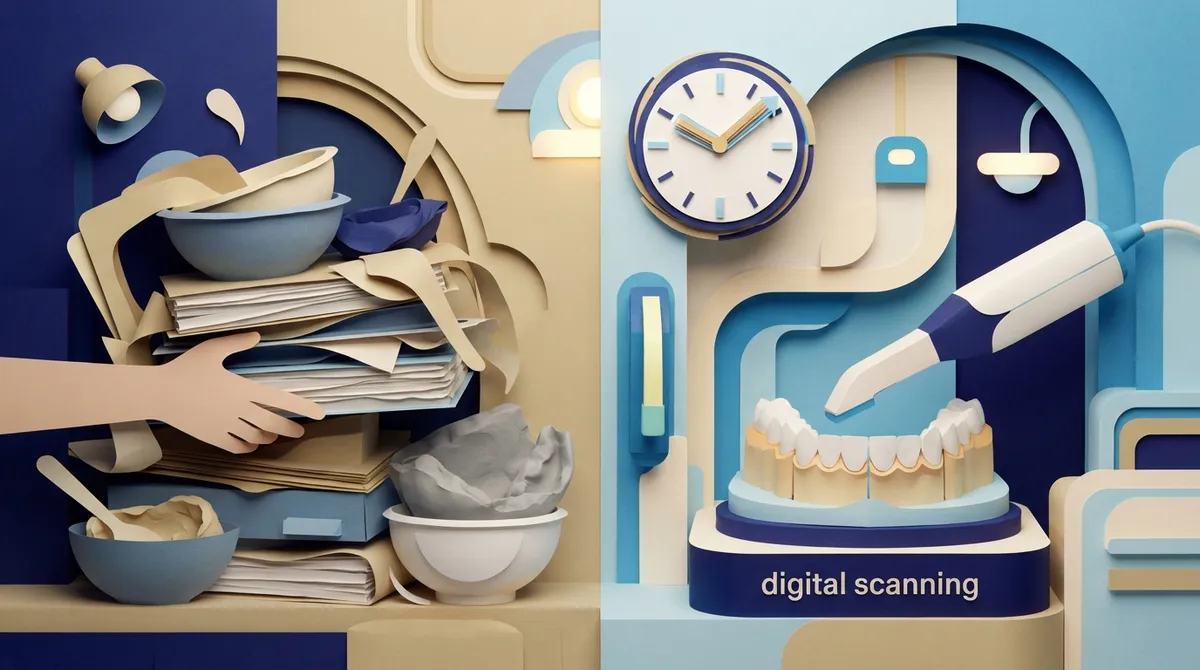
Here’s a fact that surprises a lot of people: one study measured total treatment time at 75.5 minutes for conventional impressions versus just 12 minutes for digital impressions. That’s a massive difference, especially if you’re a parent juggling school pickups or a professional squeezing in an appointment between meetings.
If your orthodontist’s office still relies heavily on traditional molds for every step, you might be spending far more time in the chair than necessary. Modern digital dental impressions cut down waiting and let you get back to your day faster.
- Traditional impressions require mixing putty and holding trays in place for several minutes
- Digital scans only need a few passes with a handheld wand
- Data transfers instantly to software for review
- Your orthodontist can start planning treatment almost immediately
Mistake 3: Underestimating the Comfort Factor
Nobody loves the feeling of a tray full of putty sitting in their mouth for minutes on end. It’s uncomfortable, sometimes triggers gagging, and can feel downright unpleasant for kids and adults alike. This is one of the biggest reasons digital impressions have become the preferred choice.
Research backs this up clearly. In one study, patient discomfort scores came in at 6.66 for conventional impressions compared to 9.03 for digital scanning on the study’s comfort scale. Higher numbers meant less discomfort, so digital scanning was the clear winner. Another study focused on younger patients found significantly higher overall acceptance of digital techniques over traditional molds.
| Factor | Traditional Impressions | Digital Impressions |
|---|---|---|
| Average Time | 75.5 minutes | 12 minutes |
| Comfort Score | 6.66 | 9.03 |
| Gag Risk | Higher | Lower |
| Redo Rate | Higher (due to material errors) | Lower |
If you or your child dread the idea of gagging on putty, ask about digital scanning options during your first visit. It could make a world of difference in how you feel about the whole process.
Mistake 4: Thinking Digital Impressions Only Work for Aligners
It’s true that digital impressions are especially valuable for clear aligner therapy, since precise 3D models are essential for creating each set of trays. But that’s far from the only use. Digital impressions also support:
- Custom appliance design for kids and teens
- Detailed treatment planning for traditional braces
- Fabrication of retainers after treatment
- Monitoring progress throughout your entire orthodontic journey
- Fixed retainer design and fitting
A narrative review on digital impressions noted that full-arch scans can provide sufficient accuracy for primary models, orthodontic model analysis, fixed retainers, and aligner therapy. In other words, this technology touches nearly every part of modern orthodontic care, not just one narrow use case.
Common Orthodontic Uses for Digital Scans
- Initial diagnosis and treatment planning
- Designing custom-fit aligner trays
- Creating models for braces bracket placement
- Building retainers that fit perfectly after braces come off
- Comparing scans over time to track tooth movement
Mistake 5: Ignoring the Record-Keeping Benefits
Here’s something a lot of patients overlook. Once your teeth are scanned digitally, that data gets stored electronically. This makes it incredibly easy for your orthodontist to pull up past scans and compare them to your current progress.
Think about it like a photo timeline of your smile’s journey. Instead of digging through old physical molds (which can crack, warp, or get lost), your orthodontist can instantly view how your teeth have shifted over months or even years. This is especially helpful for our adult patients returning for retreatment after a relapse, since we can compare current scans to older records if available.
Digital storage also makes life easier if you ever need records transferred, whether you’re moving, seeking a second opinion, or simply want a copy for your files. It’s one more reason digital dental impressions represent such a smart upgrade in orthodontic care.
Mistake 6: Not Asking Whether Traditional Molds Are Still Being Used Unnecessarily
To be fair, some sources note that conventional impressions are still used in certain orthodontic cases. There are situations where a traditional mold might still make sense. But digital impressions are now the more established choice for aligner-based and customized orthodontic therapies.
If you’re sitting in an orthodontic chair and being handed a tray of putty for something that could easily be scanned digitally, it’s worth asking why. A good orthodontist should be able to explain their reasoning clearly. At Brockway Orthodontics, we lean on digital tools whenever possible because we believe your comfort and accuracy both matter.
Questions Worth Asking Your Orthodontist
- Do you use digital scanning for most or all impressions?
- How does digital scanning improve my treatment plan?
- Will my records be stored digitally for future reference?
- Can digital impressions speed up my aligner or retainer fittings?
These questions help you feel confident that your care team is using the most efficient, comfortable tools available. Our team at Brockway Orthodontics is always happy to walk you through exactly how our technology supports your treatment, whether you’re exploring braces or clear aligners.
How Digital Scanning Fits Into Your Overall Orthodontic Experience
Digital dental impressions are just one piece of a much bigger, more comfortable orthodontic experience. When paired with 3D imaging and careful treatment planning, this technology helps your orthodontist create a plan that’s tailored specifically to your smile.
For families managing busy schedules, faster scanning means fewer long appointments. For teens excited about a new smile before graduation or a big event, quicker digital workflows mean treatment can often start sooner. And for professionals who value efficiency, less chair time is always a welcome bonus.
Here’s a quick summary of who benefits most from digital impressions:
| Patient Type | Key Benefit |
|---|---|
| Parents of Kids and Teens | Shorter appointments, less anxiety for young patients |
| Teenagers and Young Adults | Faster aligner production, modern experience |
| Adult Professionals | Efficient visits that fit busy schedules |
| Relapse Patients | Accurate comparison scans for retreatment planning |
| Health-Conscious Patients | Precise records supporting overall oral health goals |
The American Dental Association has long supported advancements in digital technology that improve patient comfort and treatment accuracy. Organizations like the Florida Association of Orthodontists also highlight the growing role of digital tools in modern orthodontic care across the state.
What This Means for Your Next Orthodontic Visit
If you’re getting ready for your first consultation, or you’re a parent scheduling for your child, it helps to know what to expect. Most modern orthodontic offices, including ours here in Clearwater, use digital scanning as a standard part of the first visit process.
You’ll sit comfortably while a small wand captures images of your teeth. There’s no tray, no goo, and no waiting for material to set. Within minutes, your orthodontist has a detailed 3D model ready for review. From there, treatment planning for adolescent treatment, adult care, or early treatment for younger kids can move forward quickly and confidently.
Curious what other patients think about their experience? Feel free to visit us on Google — Brockway Orthodontics to see real reviews from families and individuals across the Clearwater area. You can also follow along with our practice updates on Facebook or check out smile transformations on Instagram.
Final Thoughts on Choosing the Right Digital Impression Experience
Digital dental impressions have changed orthodontic care for the better, and honestly, we’re not going back. Faster appointments, better comfort, and more accurate treatment planning are just too valuable to ignore. Whether you’re exploring orthodontic services for the first time or coming back for a tune-up on your smile, knowing what good digital scanning looks like helps you make smarter choices.
At Brockway Orthodontics, we’re proud to bring this modern technology to families throughout Clearwater, Florida. Dr. Brockway and our team genuinely care about making every visit comfortable, efficient, and easy to understand. If you’re ready to experience the difference digital impressions can make, we’d love to see you. Book your appointment online today and take the first step toward a smile you’ll love, without the mess of old-fashioned molds.
FAQs
Q: What are digital dental impressions in orthodontics?
A: Digital dental impressions are 3D scans of your teeth and bite, captured with a small handheld scanner instead of messy putty trays. They give your orthodontist a precise digital model to use for planning braces, clear aligners, and other treatments. It’s faster, cleaner, and way more comfortable than the old-school method!
Q: Do digital impressions hurt or cause gagging?
A: Nope, not usually! One of the biggest perks of digital scanning is that it skips the gooey tray altogether, which means far less gagging. Studies even show patients report significantly higher comfort scores with digital scans compared to traditional molds.
Q: Can digital impressions be used for clear aligners?
A: Absolutely, and it’s actually one of their most common uses. Digital scans create the precise 3D models needed to design each custom aligner tray, which is essential for treatments like Spark™ Clear Aligners. This helps ensure your aligners fit snugly and work efficiently.
Q: How long does a digital dental scan take in orthodontics?
A: Digital scans are impressively quick, often taking just a few minutes. In fact, one study found total impression time averaged around 12 minutes for digital scanning compared to over 75 minutes for traditional molds. That’s a huge time-saver for busy patients.
Q: Are digital impressions better than traditional molds for braces?
A: In most cases, yes! Digital impressions tend to be more accurate, more comfortable, and much faster than traditional putty molds. That said, some cases may still use traditional methods, so it’s always worth asking your orthodontist which approach fits your specific needs.
Our Service Area