
Key Takeaways
-
Wear a Hawley retainer full-time for several months after braces, then transition to nighttime-only wear long-term, as teeth naturally shift throughout life and retention is recommended for nearly all orthodontic patients.
-
Hawley retainers allow your back teeth to settle naturally into a comfortable bite through posterior settling, which research suggests may improve how your teeth fit together compared to full-coverage clear retainers.
-
Unlike clear retainers, Hawley retainers can be adjusted or repaired by your orthodontist to encourage minor tooth movements or fix small cracks, making them a more cost-effective long-term investment.
-
Clean your Hawley retainer daily with a soft toothbrush and cool water, store it in a protective case, and never use hot water or expose it to pets to prevent warping or damage.
-
Research shows no definitive winner between Hawley and clear retainers—both work well—so your orthodontist should recommend based on your specific tooth movements, relapse risk, and lifestyle preferences.
-
Contact your orthodontist immediately if your retainer feels too tight or loose, shows cracks, or if your teeth feel like they're shifting, as early intervention prevents expensive relapse problems.
So you just got your braces off, or maybe you finished your Spark clear aligner treatment, and now your orthodontist mentioned a “Hawley retainer.” What in the world is that? Don’t worry, friend, we’ve got you covered! At Brockway Orthodontics in Clearwater, Florida, we talk about retainers with patients every single day, and we know how confusing all the options can feel. This little acrylic-and-wire device is actually one of the oldest, most trusted tools in orthodontic care, and it plays a huge role in keeping your new smile exactly where it belongs.
Whether you’re a parent whose teenager just finished treatment, an adult who invested in a straighter smile, or someone dealing with relapse after years without a retainer, this guide will walk you through everything you need to know. We’ll cover how Hawley retainers work, how they compare to other options, what the research actually says, and how to care for yours so it lasts. Let’s dig in!
What Exactly Is a Hawley Retainer?
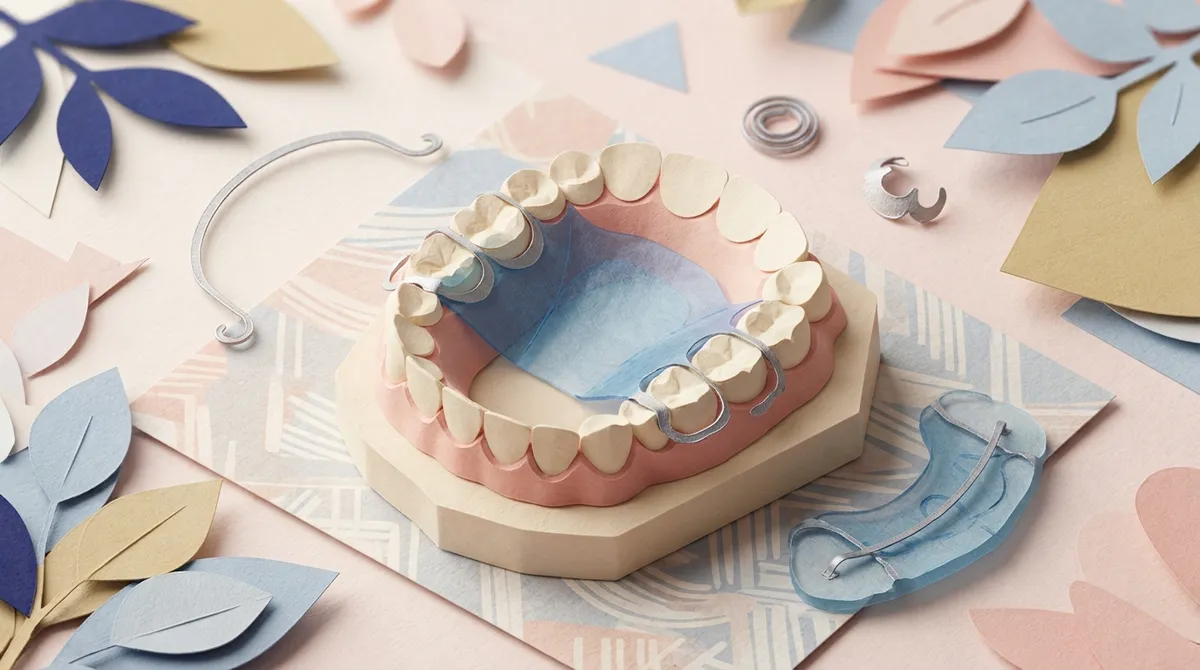
A Hawley retainer is a removable orthodontic appliance that has been around for almost a century. It’s made from three main parts working together to hold your teeth in place.
- An acrylic base plate that rests against the roof of your mouth or behind your lower teeth
- A thin metal wire, called a labial bow, that wraps around your front teeth
- Small metal clasps that hook onto your back teeth for a secure fit
Your orthodontist creates this retainer from a custom mold or digital scan of your teeth, so it fits your smile and only your smile. That’s part of why it feels so different from a store-bought mouthguard or a generic dental tray.
Why Retainers Matter So Much After Braces
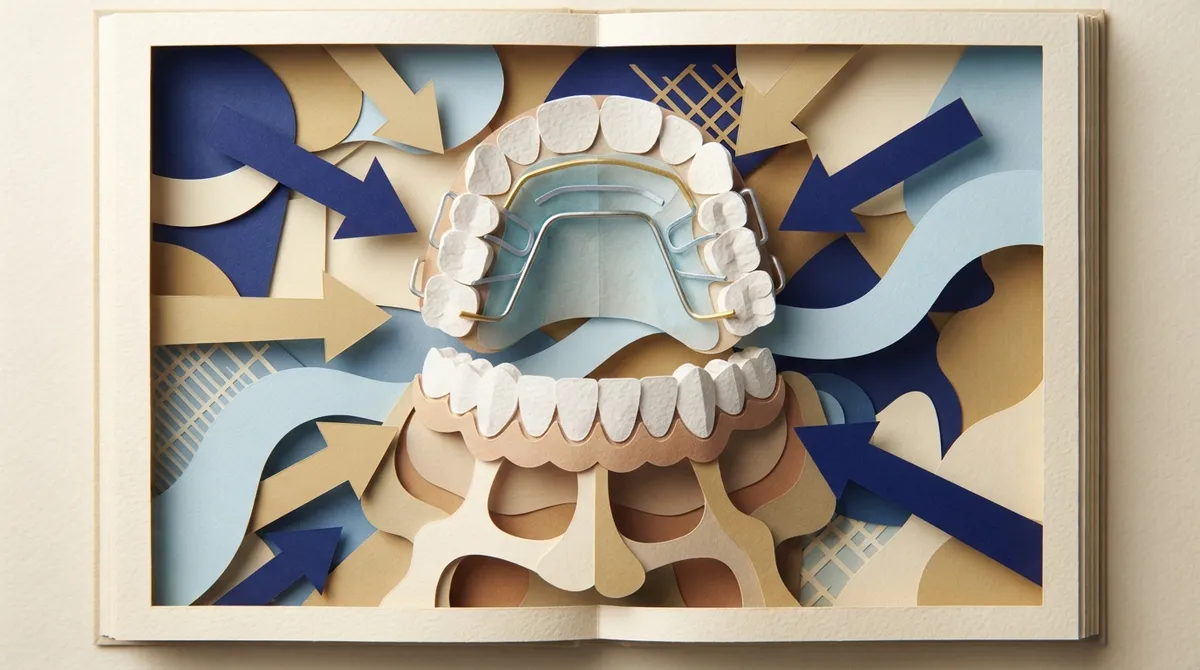
Here’s something a lot of patients don’t realize: braces or Spark™ Clear Aligners straighten your teeth, but your bone and gum tissue need time to adjust to their new positions. Teeth are surprisingly good at drifting back toward their old spots if you skip retainer wear.
According to the Florida Association of Orthodontists, retention is recommended for nearly every patient who completes active treatment, since natural tooth movement continues throughout life. This isn’t a scare tactic. It’s just how teeth behave, and it’s why your orthodontist keeps reminding you to wear your retainer.
1. Hawley Retainers Allow Your Bite to Settle Naturally
One of the coolest things about a Hawley retainer is how it’s designed. Because the acrylic only covers part of your palate or lower arch, your back teeth can still touch and settle into a comfortable bite. This is called posterior settling, and it can actually improve how your teeth fit together after braces come off.
A 2020 systematic review published in the Journal of Orthodontics looked at eight studies comparing Hawley-type retainers with other appliances, like clear overlay and bonded retainers. The review found that Hawley retainers may support better posterior occlusal settling, though results varied depending on the study.
2. They’re Adjustable and Repairable
Life happens. Maybe your retainer gets a small crack, or your orthodontist wants to nudge a tooth slightly. Because Hawley retainers are made of durable acrylic and metal, they can often be adjusted or repaired instead of replaced entirely. The labial bow can be bent slightly to encourage small tooth movements, which is something a thin plastic retainer simply can’t do.
3. Evidence Doesn’t Crown One Retainer as the Best
You might be wondering if Hawley retainers are simply better than clear plastic ones. The honest answer, based on current research, is that it depends on you.
A 2018 systematic review published in the European Journal of Orthodontics compared Hawley retainers to other removable retainers. It found few meaningful differences in dental arch measurements, occlusion, speech, side effects, and patient satisfaction. However, the researchers noted the overall quality of evidence was low, meaning more research is still needed.
A more recent 2023 critical review echoed this finding, stating there isn’t enough high-quality evidence to call Hawley retainers categorically superior to clear retainers. Your orthodontist should base the decision on your specific tooth movements, relapse risk, and lifestyle, not a one-size-fits-all rule.
Hawley Retainers vs. Clear Retainers: A Side-by-Side Look
Choosing between a Hawley retainer and a clear thermoplastic retainer is one of the most common questions we hear at our Clearwater office. Here’s a simple breakdown to help you understand the trade-offs.
| Feature | Hawley Retainer | Clear Retainer |
|---|---|---|
| Visibility | More visible metal wire | Nearly invisible |
| Durability | Very durable, repairable | Can crack or wear down over time |
| Adjustability | Wire can be adjusted for minor movement | Cannot be adjusted |
| Posterior settling | Allows back teeth to settle | Covers biting surfaces fully |
| Speech impact | May cause temporary lisp | Usually minimal speech impact |
| Lifespan | Often years with good care | Typically needs replacement sooner |
How Long Will You Actually Wear Your Hawley Retainer?
This is probably the question we get asked the most. The honest truth is that wear schedules vary from patient to patient, but there are some common patterns based on clinical guidelines.
- Full-time wear for the first several months after braces or aligners come off
- Gradual transition to nighttime-only wear as your teeth stabilize
- Long-term or even lifelong nighttime wear, since teeth can shift at any age
The British Orthodontic Society’s clinical retention guidance describes a common schedule of six months full-time wear followed by six months of nighttime wear, though your orthodontist will personalize this based on your original treatment. One study summarized in a 2019 clinical practice guideline even found that three months of full-time Hawley wear followed by three months of part-time wear produced better stability than a shorter thermoplastic schedule, though the evidence quality was rated low.
4. Caring for Your Hawley Retainer the Right Way
A well-cared-for Hawley retainer can last for years, which makes it a smart long-term investment in your smile. Here’s how to keep yours in great shape.
- Remove it before eating unless your orthodontist says otherwise
- Store it in its protective case whenever it’s out of your mouth
- Clean it daily with a soft toothbrush and cool or lukewarm water
- Never use hot water, since heat can warp the acrylic base
- Avoid chewing gum or biting down on it out of habit
- Keep it away from pets, who seem to love chewing on retainers
The American Dental Association recommends gentle daily cleaning of removable dental appliances to prevent bacterial buildup, which applies perfectly to Hawley retainers too.
5. Common Problems and When to Call Your Orthodontist
Even with great care, retainers sometimes need attention. Here are signs it’s time to reach out to your orthodontic team.
- The retainer feels too tight or too loose compared to before
- You notice a crack in the acrylic or a bent wire
- Your teeth feel like they’re shifting even with regular wear
- The retainer causes ongoing pain or irritation
- You’ve lost the retainer and need a replacement
If any of these happen, don’t wait it out. Small issues can turn into bigger, more expensive problems if teeth start moving again. Our retainer care team can usually get you in quickly to fix or replace your appliance.
6. Who Tends to Need a Hawley Retainer Most
While almost every orthodontic patient benefits from some form of retention, Hawley retainers are often recommended for specific situations.
- Patients who had significant rotation corrections during treatment
- Those who need an anterior bite plane for certain deep-bite cases
- Patients whose orthodontist wants the option for minor future adjustments
- Anyone whose teeth grinding might quickly wear through a thinner clear retainer
- Patients who previously experienced relapse and need a sturdier option
Speaking of relapse, if you’ve noticed your teeth shifting back after previous treatment, you’re definitely not alone. Many adults come to us years after finishing braces, wondering why their smile isn’t as straight as it used to be. This is incredibly common, and it usually just means it’s time for a retainer check or a refresher treatment plan with Dr. Brockway.
What Does a Hawley Retainer Cost?
Cost is always a fair question, and it varies based on your location, your orthodontist, and whether it’s part of your original treatment plan or a replacement. Many practices include the first retainer in the overall cost of braces or aligner treatment, while replacements are billed separately. We always encourage patients to ask about financing and insurance options so retainer care fits comfortably into your budget.
Why Choose Brockway Orthodontics for Your Retainer Care
Here in Clearwater, families trust Brockway Orthodontics because we take the time to explain every step of your care, including retention. Dr. Brockway believes that understanding your treatment builds confidence, and that includes knowing exactly why your Hawley retainer matters and how to care for it properly.
We also use modern technology like digital impressions and 3D imaging, so getting a new or replacement retainer is faster and more comfortable than old-school messy molds. Plus, our same-day treatment options mean you’re not always stuck waiting weeks for a simple fix.
Curious what other patients think? You can visit us on Google — Brockway Orthodontics to read real reviews from families just like yours. You can also follow along with smile transformations and office updates on our Instagram and Facebook pages, or connect with our team on LinkedIn.
Bringing It All Together
A Hawley retainer might seem old-fashioned compared to sleeker clear options, but its durability, adjustability, and ability to support natural bite settling make it a genuinely smart choice for many patients. There’s no single “best” retainer for everyone, and that’s exactly why personalized care matters so much.
If you’re finishing treatment soon, dealing with a lost or broken retainer, or noticing your smile isn’t quite as straight as it used to be, we’d love to help. Book your appointment online today and let’s talk about the retainer option that fits your smile and your life. Or if you have quick questions first, feel free to contact our friendly Clearwater team anytime. Your smile deserves to stay just as beautiful as the day your braces came off!
FAQs
Q: What is a Hawley retainer and how does it work?
A: A Hawley retainer is a removable appliance made from an acrylic base, a metal wire, and clasps that hold your teeth in their new positions after braces or aligners. It’s custom-molded to your smile and works by gently keeping your teeth from shifting back while your bone and gums adjust.
Q: How long do you need to wear a Hawley retainer after braces?
A: Most patients start with full-time wear for several months, then transition to nighttime-only wear. Many orthodontists recommend some level of nighttime retention for years, or even a lifetime, since teeth naturally shift as we age!
Q: Are Hawley retainers better than clear retainers?
A: Honestly, there’s no clear winner. Research shows both types work well, with Hawley retainers offering more durability and adjustability while clear retainers win on discreetness. Your orthodontist will help pick the best fit for your smile.
Q: Can you eat or drink while wearing a Hawley retainer?
A: Generally, you should take it out before eating to avoid damage or food getting stuck in it. You can usually drink plain water while wearing it, but it’s best to remove it for anything sugary or hot.
Q: What should you do if your Hawley retainer no longer fits?
A: Don’t panic, but don’t ignore it either! Give your orthodontist a call right away, since a loose or tight retainer can mean your teeth are shifting. Quick action usually means a simple fix instead of a bigger treatment down the road.
Our Service Area