Key Takeaways
-
Age matters in orthodontics because of dental development, jaw growth, and overall oral health, not a magic birthday, so a personal exam matters more than any age rule.
-
The AAO recommends an initial orthodontic check-up by age 7, which is a screening visit that often ends in monitoring rather than immediate braces.
-
Early (interceptive) treatment is reserved for specific problems such as certain crossbites, harmful habits like thumb sucking, ectopic teeth, or significant crowding.
-
Orthodontic treatment most often begins between ages 9 and 14, when growth can be guided and more permanent teeth allow one complete round of treatment.
-
For adults, planning focuses on current tooth positions and gum, bone, and existing dental work, since jaw growth is complete and cannot be guided as in childhood.
-
Teeth can shift at any age after treatment, so consistent retainer wear is essential to protect results and prevent the need for retreatment.
Is your child too young for braces? Are you too old? Here’s the good news: neither question has a simple yes-or-no answer, and that’s actually a good thing. Age matters in orthodontics, but not because of a magic birthday. It matters because of what’s happening inside your mouth, like which teeth have come in and whether the jaws are still growing.
Understanding how age affects orthodontic treatment planning helps you ask smarter questions and avoid common worries. Parents wonder if they’re starting too early or waiting too long. Teens want to know if braces will fit around prom or graduation. Adults ask if they’ve missed their chance. And patients who had braces years ago wonder why their teeth have shifted.
At Brockway Orthodontics in Clearwater, Dr. Brockway treats patients of all ages, so we see every stage up close. In this guide, we’ll walk through how planning changes from childhood to adulthood, what is and isn’t age-dependent, and how to know what’s right for you or your family.
Why Age Matters (and Why It Doesn’t)
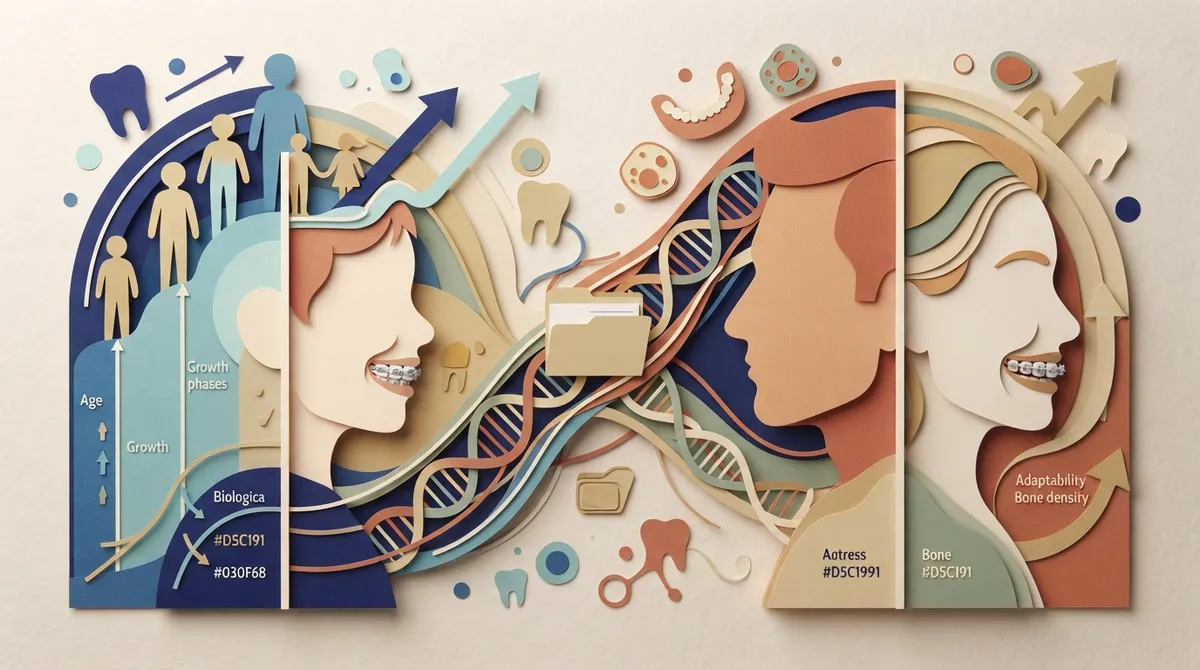
Let’s clear up a big myth first. There is no single perfect age for braces. Age influences orthodontic planning mostly through three things:
- Dental development: Which baby teeth are still in place and which adult teeth have come in.
- Jaw growth: Whether the face and jaws are still growing and can be guided.
- Overall oral health: The condition of the gums, bone, and any existing dental work.
Your orthodontist also looks at the type and severity of the bite problem, plus how well the patient can take part in care. A 10-year-old with a developing crossbite and a 45-year-old with crowded teeth need very different plans, even though both may benefit from treatment.
So when we talk about age, we’re really talking about stage. A child’s calendar age and their dental age don’t always match, which is why a careful exam beats any birthday rule.
Ages 6 to 8: The Early Check-Up Window
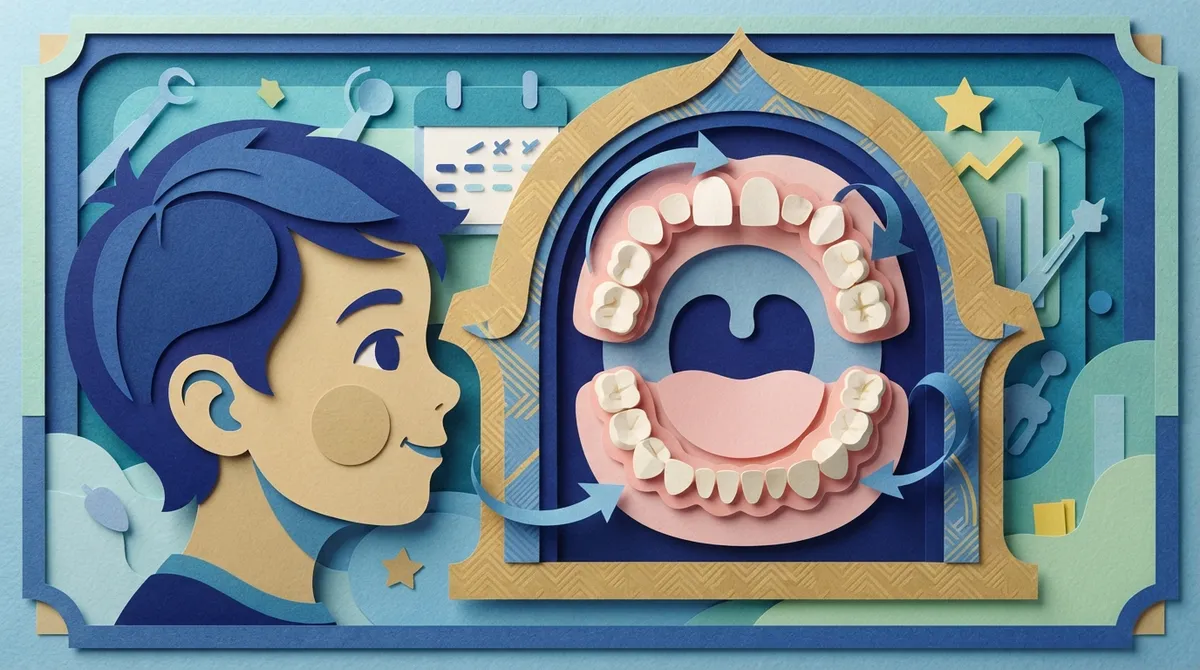
The American Association of Orthodontists (AAO) recommends an initial orthodontic check-up by age 7, or earlier if you notice a concern. This is a screening visit, not a signal that braces are coming. Many children are simply monitored for years.
Why age 7? By then, a mix of baby teeth and permanent teeth is usually present. The American Academy of Pediatric Dentistry (AAPD) describes this mixed dentition stage as beginning around age 6, though how long it lasts varies from child to child. This mix gives an orthodontist a helpful window to spot developing issues like crowding, bite problems, or jaw differences.
If you’re curious about the pros and cons of this first visit, our guide on age 7 vs. waiting breaks it down in a friendly way.
What the First Visit Usually Looks Like
For most kids, this visit is relaxed and quick. The orthodontist looks at how the teeth fit together, checks how the jaws line up, and reviews the pattern of tooth eruption. Then comes the answer most parents hope for: either “let’s watch and wait” or “here’s a specific concern we can address now.”
Early (Interceptive) Treatment: When It Makes Sense
Early treatment, sometimes called interceptive treatment, happens while some baby teeth remain. It is not necessary or helpful for every child. It’s reserved for specific developing problems where acting early may make things easier later.
Examples of concerns that may warrant early treatment include:
- Certain crossbites, where upper and lower teeth don’t line up properly
- Harmful oral habits, such as ongoing thumb sucking
- Ectopic teeth, which are teeth coming in the wrong spot
- Significant crowding
- Jaw growth that is heading in an unfavorable direction
Sometimes early treatment uses a simple appliance, like a palatal expander, to make room or improve how the jaws fit. You can learn more in our palatal expander guide. Some children who start early later need a second phase of treatment once more permanent teeth arrive. Our article on phase one vs. phase two orthodontics explains how that works.
The AAPD encourages weighing the problem, the developmental stage, growth, and the risks and benefits of treating now versus waiting. Family readiness matters too.
Ages 9 to 14: The Most Common Window for Braces
An AAO resource notes that orthodontic treatment most often begins between ages 9 and 14. Treat that as a general range, not a rule. Some kids are ready earlier, and others later.
Why does this window work so well? For many children, more permanent teeth have come in by now. That gives the orthodontist a clearer picture and often allows one complete round of treatment, rather than several stages. Our post on braces treatment with mixed dentition covers what changes while baby teeth are still falling out.
Growth Is a Helpful Tool
Here’s something many families don’t realize: growth can work in your favor. In children and teens, the jaws are still developing, so some treatments can guide that growth to improve how the bite fits together. Certain jaw-growth or eruption-related interventions are time-sensitive and may be less possible once facial growth is complete.
That’s one big reason we don’t suggest waiting until every permanent tooth has come in before getting a check-up. You may miss useful planning opportunities. If you’re a parent juggling this decision, our guide on when your child should get braces is a great next read.
The Teen Years: Style, Timing, and Cooperation
Teens often have all or most of their permanent teeth, and treatment can usually be fully mapped out. The planning conversation, though, goes beyond teeth. It includes lifestyle, school, sports, and how a teen feels about their appearance.
Teens may be motivated by big moments like graduation, school photos, or a new season of activities. Cooperation matters a lot at this age. Wearing elastics, keeping up with brushing, and showing up for visits all affect how smoothly treatment goes. Here are a few things we often discuss with teens and parents:
- Which option fits daily life? Braces and aligners each have strengths. See our comparison of braces vs. clear aligners.
- How reliable will wear time be? Aligners only work when worn, so honesty here helps.
- What’s on the calendar? Sports, music, and big events can shape the plan.
- How will oral hygiene be handled? Good habits protect teeth during treatment.
Teens may also love hearing that modern options exist. Brockway Orthodontics offers Spark™ Clear Aligners, a more affordable alternative to Invisalign, along with metal braces and ceramic (clear) braces. Curious teens will find answers in our list of 12 questions teens should ask their orthodontist.
Adults: It’s Never Too Late for a Better Smile
Adults absolutely can get orthodontic treatment, and more of them are choosing it every year. If you’ve been wondering, our article 14 facts that prove adults can get braces may put your mind at ease.
What’s different for adults? Because facial growth is complete, planning can’t rely on guiding ongoing jaw growth the way it can for children and teens. Instead, the plan focuses on the actual bite and tooth positions, along with the condition of the gums, supporting bone, existing dental work, and general oral health.
What We Check Before Adult Treatment
Healthy gums and bone are the foundation for moving teeth safely. Before starting, we often coordinate with your dentist to make sure things like cavities or gum concerns are handled first. Existing crowns, bridges, or implants also shape the plan, which is covered in our post about clear aligners and dental restorations.
Adult professionals often want something discreet and efficient. Options like clear aligners or ceramic braces can fit a busy career. For a closer look, see why invisible braces are so popular for adults.
Does Treatment Take Longer for Adults?
Not always, but it can. Adult teeth and bone are no longer growing, so movement may be a bit slower in some cases. Timing depends far more on the specific problem than on age alone. Our overview of what decides braces treatment time explains the main factors.
When Teeth Shift Years Later: Relapse and Retreatment
Some adults come to us because they already had braces years ago and notice their teeth have moved. This is more common than you might think, and it’s nothing to be embarrassed about. Teeth can shift over time, especially without consistent retainer wear.
Retreatment planning looks at what changed, why it changed, and what the best fix is today. Age plays a role here too, since your gums, bone, and dental history have all evolved. If this sounds familiar, our posts on orthodontic relapse warning signs and why retainers matter for life can help.
How Planning Changes Across Ages: A Quick Comparison
| Life Stage | Main Planning Focus | Typical Approach |
|---|---|---|
| Ages 6 to 8 | Spotting developing problems; monitoring eruption | Check-up, watch and wait, or early treatment for specific concerns |
| Ages 9 to 14 | Using growth; more permanent teeth present | Comprehensive treatment with braces or aligners; possible second phase |
| Teens | Full bite correction, lifestyle fit, cooperation | Braces or clear aligners tailored to daily life |
| Adults | Tooth positions, gum and bone health, existing dental work | Braces or aligners, often coordinated with a dentist |
| Retreatment patients | Cause of shifting, current oral health | Custom plan plus a long-term retention strategy |
What Stays the Same at Every Age
No matter your age, good orthodontic planning shares a few things in common:
- A careful exam: Records, photos, X-rays, and scans reveal what’s really going on. Modern tools like digital intraoral scanning make this more comfortable.
- An individual plan: Options may include observation, appliances, braces, aligners, coordination with other dental care, or referral for more evaluation.
- Clear communication: You should understand your options, the timeline, and what’s expected of you.
- Retention: Teeth can move after treatment at any age, so retainers protect your results.
Cost and timing questions come up at every age too. Our guides on how treatment length affects costs and braces monthly payment plans can help you plan ahead.
Why Waiting Isn’t Always the Wrong Move
Here’s a point that surprises some parents: an orthodontist may tell you to wait. That’s not brushing you off. If a child’s teeth and jaws are developing normally, or if treatment now wouldn’t offer a clear benefit, monitoring is often the smartest plan.
On the flip side, skipping the check-up altogether can mean missing a chance to make things simpler. That’s why regular follow-ups matter. Our post on why orthodontic checkups matter explains how monitoring protects your options.
How Brockway Orthodontics Plans for Every Age
At Brockway Orthodontics, we love working with whole families. Dr. Brockway takes time to listen to your concerns and goals, then explains your options in plain, friendly language. We use modern technology, including digital impressions instead of messy molds and 3D imaging, so planning is precise and comfortable. In certain cases, we can even offer same-day treatments for busy families.
Whether you’re a parent wondering about a seven-year-old, a teen eyeing clear aligners, or an adult ready for a change, we’ll build a plan around you. You can also read what our community thinks by checking out Brockway Orthodontics on Google. For background on professional standards in the field, the Florida Association of Orthodontists and the American Dental Association are helpful places to learn more.
Ready to Find Your Best Starting Point?
Age shapes orthodontic planning, but it never closes the door. Children benefit from early monitoring, teens from well-timed treatment, and adults from plans built around gum health and existing dental work. The key is a personal exam, not a guess based on a birthday.
If you’re ready to learn what’s right for you or your child, we’d love to meet you. Book your appointment online or contact our team with any questions. Your smile journey can start at any age, and we’re happy to walk it with you.
FAQs
Q: At what age should a child first see an orthodontist?
A: The American Association of Orthodontists recommends an initial check-up by age 7, or sooner if you notice a concern. Think of it as a friendly screening visit. Most kids won’t start treatment right away, but the exam helps us spot anything that needs watching.
Q: Does my child need braces at age 7?
A: Usually not! The age 7 visit is about checking development, not putting on braces. Early treatment is only recommended for certain concerns, like specific crossbites or harmful habits, and many children are simply monitored until the timing is better.
Q: When is the best age to start braces?
A: There’s no single best age. Treatment often begins between ages 9 and 14, but it really depends on the individual problem and how the teeth and jaws are developing. A personal exam gives you a much better answer than any birthday rule.
Q: Can adults get braces or clear aligners, and does age affect the result?
A: Yes, adults can absolutely get treatment! Because jaw growth is complete, adult plans focus on current tooth positions and the health of your gums, bone, and existing dental work. With the right plan, adults can enjoy great results at any age.
Q: Why might an orthodontist recommend waiting before starting treatment?
A: Sometimes waiting is the smartest choice. If a child’s teeth are developing normally, or if treating now wouldn’t offer a clear benefit, we may simply monitor progress and start when the timing is right. It helps avoid unnecessary treatment and gives better planning options later.
Our Service Area