
Key Takeaways
-
Non-extraction orthodontics uses a toolbox of techniques including arch expansion, interproximal reduction (IPR), distalization, and dental expansion that orthodontists mix based on individual needs rather than applying one-size-fits-all solutions.
-
Not every patient qualifies for non-extraction treatment; orthodontists must evaluate crowding severity, facial profile, jaw growth patterns, gum health, and tooth-to-jaw size ratios during a thorough consultation before recommending this approach.
-
A 2023 systematic review found non-extraction treatment was roughly 4.3 months faster than extraction treatment on average, though treatment time varies significantly based on individual starting points and case complexity.
-
Interproximal reduction (IPR) is a safe, research-backed technique when performed by trained orthodontists who carefully check enamel thickness first and provide proper post-procedure care instructions for long-term tooth health.
-
Relapse after treatment depends primarily on consistent retainer wear rather than extraction status; skipping retainer use is the main culprit behind teeth shifting back over time regardless of treatment method used.
-
In growing children, early evaluation allows orthodontists to guide natural jaw development and expansion, while in teens and adults, 'expansion' typically involves teeth tipping within existing bone rather than actual jaw widening.
Wondering if you or your child can straighten teeth without pulling any out? You’re not alone. Many parents, teens, and adults ask us this exact question at Brockway Orthodontics every week. The good news? Non-extraction orthodontics is often possible, and it might be the right path for your smile goals.
Non-extraction orthodontics means straightening your teeth without removing any permanent teeth. Instead, your orthodontist uses smart techniques like arch expansion, gentle reshaping between teeth, and careful tooth movement to create the space needed. It’s not magic. It’s science, planning, and skill working together.
Here at Brockway Orthodontics in Clearwater, Dr. Brockway looks at every smile as unique. Some patients are great candidates for non-extraction treatment. Others may need a different approach. This article breaks down six key facts to help you understand your options and feel confident walking into your next visit.
1. Non-Extraction Orthodontics Uses Several Smart Techniques
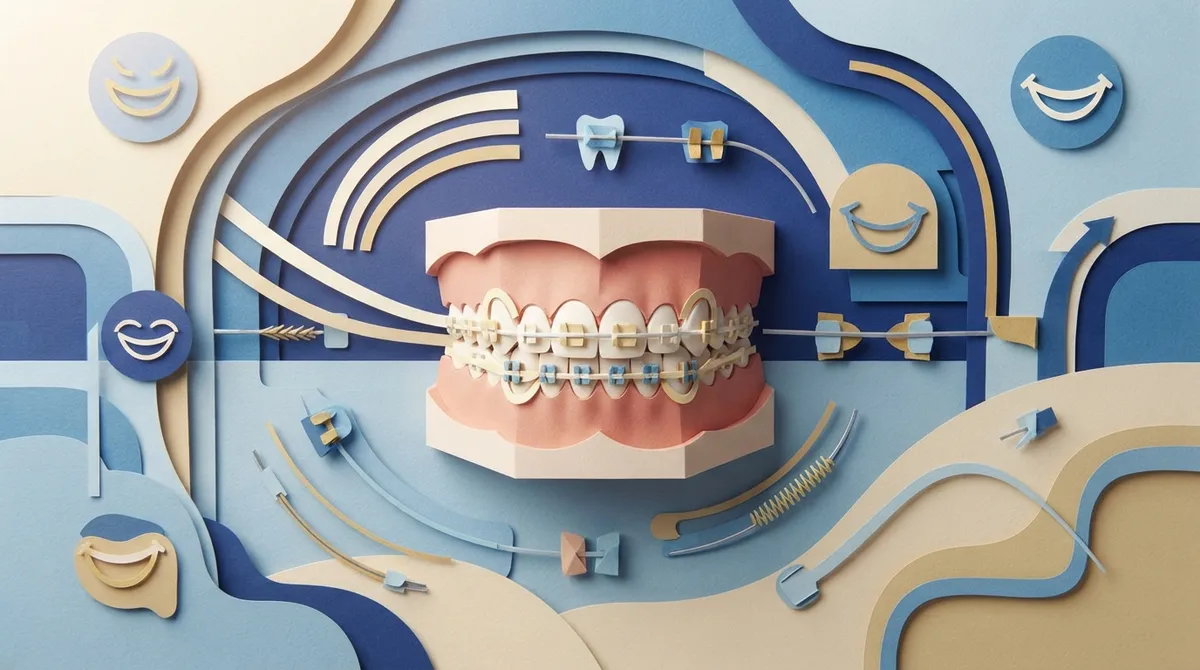
Non-extraction treatment isn’t just one method. It’s actually a toolbox of different techniques that orthodontists mix and match based on your specific needs. Understanding these tools helps you have better conversations with your care team.
- Arch development: Gently guiding the jaw and teeth to create more room naturally
- Interproximal reduction (IPR): Removing tiny amounts of enamel between teeth to create space
- Distalization: Moving back teeth further back in the jaw to open up room in front
- Dental expansion: Widening the arch using braces, aligners, or appliances
Most treatment plans combine two or more of these methods. Your orthodontist picks the right mix based on how much space you need and where your teeth currently sit. This is exactly why a thorough evaluation matters before starting any plan. Learn more about our orthodontic services to see how these techniques fit into real treatment plans.
2. Not Everyone Is a Good Candidate
Here’s something important to know upfront: non-extraction orthodontics doesn’t work for every single case. It sounds appealing to skip removing teeth, but your unique mouth structure decides what’s actually possible.
Several factors affect whether you’re a good fit for this approach. Your orthodontist will look closely at these before recommending a plan:
- How crowded your teeth currently are
- The shape and profile of your face
- Where your front teeth naturally sit
- Your jaw growth pattern (especially important for kids and teens)
- How healthy your gums and supporting bone are
- Whether your tooth sizes match up well with your jaw size
- Your bite depth and how your teeth overlap
- Any impacted or stuck teeth that need special handling
This is why a proper consultation matters so much. During your first visit, our team examines your teeth, takes digital scans, and sometimes uses X-rays to get the full picture. We won’t guess. We’ll give you real answers based on your actual mouth.
3. Expanding Your Teeth Isn’t the Same as Expanding Your Jaw
This is a fact that surprises a lot of patients. When people hear “expansion,” they often picture the jaw bone itself getting wider. But that’s not always what’s happening.
In growing children, special appliances can actually influence how the jawbone and palate develop. This is one reason early treatment can be so valuable timing really does matter for younger patients.
But in teens and adults, much of what looks like “expansion” is really the teeth tipping or shifting within the existing bone. This still works well for many patients. However, pushing expansion too far can cause problems. It may lead to gum recession or unstable results down the road. That’s why we never take a one-size-fits-all approach at Brockway Orthodontics.
4. Interproximal Reduction Is Safe When Done Correctly
IPR sounds a little scary when you first hear about it. Filing down enamel? Isn’t that permanent? Here’s the truth: when done properly, IPR is a safe and effective way to create small amounts of space.
Orthodontists only remove a very limited, controlled amount of enamel between select teeth. Research reviews have shown this technique works well as part of non-extraction treatment plans, as long as your orthodontist carefully checks your enamel thickness first. After IPR, teeth get smoothed and polished to protect them.
Good oral hygiene becomes even more important after IPR. We’ll walk you through exactly how to care for your teeth so this small procedure stays problem-free for years to come.
5. Non-Extraction Treatment May Be Slightly Faster, But Not Always
Here’s a fact backed by real data. A 2023 systematic review looking at 30 different studies found that non-extraction treatment had a mean time advantage of about 0.36 years, roughly 4.3 months, compared to extraction treatment involving four premolars.
That said, the researchers rated this evidence as “low level,” meaning we should treat this number as a general trend, not a guarantee. Your actual treatment time depends on your starting point, how well you follow instructions, and how complex your case is.
| Measurement | Extraction Treatment | Non-Extraction Treatment |
|---|---|---|
| Average Treatment Duration | Baseline | ~4.3 months shorter |
| Maxillary Inter-Molar Width | Narrower by ~2.03mm | Wider |
| Mandibular Inter-Molar Width | Narrower by ~2.00mm | Wider |
| Mandibular Intercanine Width | Narrower | Wider by ~0.68mm |
| Smile Aesthetics (PAR Score) | No significant difference | No significant difference |
Interestingly, the same review found no meaningful difference in smile aesthetics or a common orthodontic scoring system called PAR scores between the two approaches. This tells us that both extraction and non-extraction treatment can lead to great results when planned well.
6. Relapse Risk Isn’t Automatically Higher With Non-Extraction Care
A common worry is that teeth straightened without extractions will simply shift back over time. This isn’t entirely true, and it isn’t entirely false either. The real answer is that relapse depends heavily on retention, not on whether teeth were pulled.
Wearing your retainer as instructed is the single biggest factor in keeping your smile stable long after treatment ends. Whether you had extractions or not, skipping retainer wear is the real culprit behind most relapse cases we see.
Current evidence on this topic remains limited. Most available studies are retrospective, meaning researchers looked back at past cases rather than running new controlled trials. Because of this, treatment decisions should always be personalized rather than based on blanket rules about extraction versus non-extraction approaches.
How Non-Extraction Treatment Fits Different Life Stages
Non-extraction orthodontics looks a little different depending on your age and goals. Here’s a quick breakdown of how we approach it for different patients at our Clearwater practice:
- Kids and Young Teens: Early evaluation lets us guide jaw growth naturally, often reducing the need for future extractions. Check out our guide on adolescent treatment to learn about timing.
- Teens Seeking a Confident Smile: Many teens want discreet options for big moments like graduation photos. Spark™ Clear Aligners offer a nearly invisible way to straighten teeth without extractions in many cases.
- Busy Adult Professionals: Adults often prefer efficient, low-visibility treatment. We’ll walk through whether braces or clear aligners better suit your non-extraction plan.
- Patients Returning After Relapse: If your teeth shifted after previous treatment, we can reassess your case and discuss whether non-extraction retreatment makes sense for you now.
No matter your starting point, the goal stays the same: a healthy, confident smile built on a plan made just for you. Learn more about our approach to adult treatment if you’re considering starting your journey later in life.
Questions Worth Asking Before You Start Treatment
Feeling prepared for your consultation makes a huge difference. Here are smart questions to bring with you:
- How exactly will you create the space I need?
- Is the planned expansion dental, skeletal, or a mix of both?
- What are the risks to my gums and supporting bone?
- How will you help me keep my results stable after treatment?
- What trade-offs might come with avoiding extractions in my specific case?
A trustworthy orthodontist will welcome these questions and answer them clearly. According to the American Dental Association, patient education is a core part of quality orthodontic care, and we couldn’t agree more.
Why Local Expertise Matters for Your Smile
Choosing the right orthodontist means choosing someone who takes time to understand your unique situation. Dr. Brockway has built her Clearwater practice around exactly that kind of personalized attention. She listens first, then explains your options in plain language you can actually understand.
Our office uses modern technology like digital scans instead of messy molds, helping us plan your treatment with real precision. Whether you’re exploring non-extraction options for your child, yourself, or a family member, we’re here to guide you every step of the way. The Florida Association of Orthodontists emphasizes finding a qualified specialist for exactly this kind of nuanced treatment planning.
Curious what other Clearwater families think about their experience? You can visit us on Google — Brockway Orthodontics to read real reviews from real patients. We’re proud of the relationships we’ve built in this community, one smile at a time.
Ready to Explore Your Non-Extraction Options?
Non-extraction orthodontics can be a wonderful path for many patients, but it’s not a one-size-fits-all solution. The best way to know if it’s right for you is a thorough, honest evaluation with an experienced orthodontist who takes your unique smile seriously.
At Brockway Orthodontics, we love helping Clearwater families find the treatment path that fits their lives, budgets, and goals. Whether that means Spark™ Clear Aligners, traditional braces, or a customized non-extraction plan, we’re ready to guide you with warmth and expertise.
Ready to find out if non-extraction treatment fits your smile goals? Book appointment online today and take the first step toward a smile you’ll love showing off. Have questions before booking? Contact us anytime, we’re always happy to help. You can also follow our smile transformations on Instagram or connect with us on Facebook for tips and patient stories.
FAQs
Q: What is non-extraction orthodontic treatment?
A: It’s an approach to straightening teeth that doesn’t involve removing any permanent teeth. Instead, your orthodontist uses techniques like expansion, gentle enamel reshaping, and careful tooth movement to create the space your smile needs. It’s a great option for many patients, though not everyone qualifies.
Q: Can braces straighten crowded teeth without extractions?
A: Yes, in many cases! Braces combined with techniques like arch expansion or interproximal reduction can create enough room to fix crowding without pulling teeth. Whether this works for you depends on how severe your crowding is and your jaw structure, which we’ll assess during your consultation.
Q: Am I a candidate for non-extraction orthodontics?
A: It really depends on your unique smile! We look at things like crowding severity, your facial profile, jaw growth, and gum health before making a recommendation. The only way to know for sure is through a full evaluation, so come see us and we’ll figure it out together.
Q: Is dental expansion safe for adults?
A: It can be, when done carefully by an experienced orthodontist. Adult teeth mostly tip or shift within existing bone rather than truly widening the jaw, so there are biological limits we respect. Pushing expansion too far can risk gum health, which is why personalized planning matters so much.
Q: Do teeth relapse more often after non-extraction orthodontics?
A: Not necessarily! Relapse mostly comes down to how consistently you wear your retainer after treatment, not whether you had extractions. Sticking to your retainer schedule is truly the best way to protect your beautiful new smile for the long haul.
Our Service Area