
Key Takeaways
-
Palatal expanders work best between ages 7-14 while the jaw is still growing and bones haven’t fully fused, making early treatment crucial to avoid more complex surgical options in adulthood.
-
Six key signs your child may need expansion include visible crossbite, crowded teeth, mouth breathing/snoring, thumb sucking habits, difficulty chewing, and early orthodontist recommendations during routine visits.
-
Active expansion typically lasts 2 weeks to 6 months followed by 4-6 months of stabilization, with most children experiencing only mild pressure or tightness that fades within hours of adjustment.
-
Two main options exist: traditional fixed expanders (cemented to teeth, adjusted with a key) best for younger children, and removable options (like Invisalign Palatal Expander) for cooperative patients wanting discreet treatment.
-
Palatal expanders can correct crossbites, tooth crowding, impacted teeth, narrow dental arches, and breathing difficulties linked to constricted airways, addressing both functional and alignment issues.
-
Proper care requires thorough brushing after meals, use of water flossers for hard-to-reach areas, avoiding sticky/hard foods, and regular checkups to maintain comfort and keep treatment on schedule.
Does your child breathe through their mouth, snore at night, or have a crossbite that just doesn’t look right? These small clues might point to a narrow upper jaw, and a palatal expander could be the simple fix your family needs. Parents in Clearwater bring their kids to Brockway Orthodontics every week with these same worries, and we love helping families understand their options. This friendly guide breaks down everything you need to know about palatal expanders, from how they work to what to expect during treatment. By the end, you’ll feel confident about whether this treatment is right for your child, and you’ll know exactly where to turn for expert care in Clearwater.
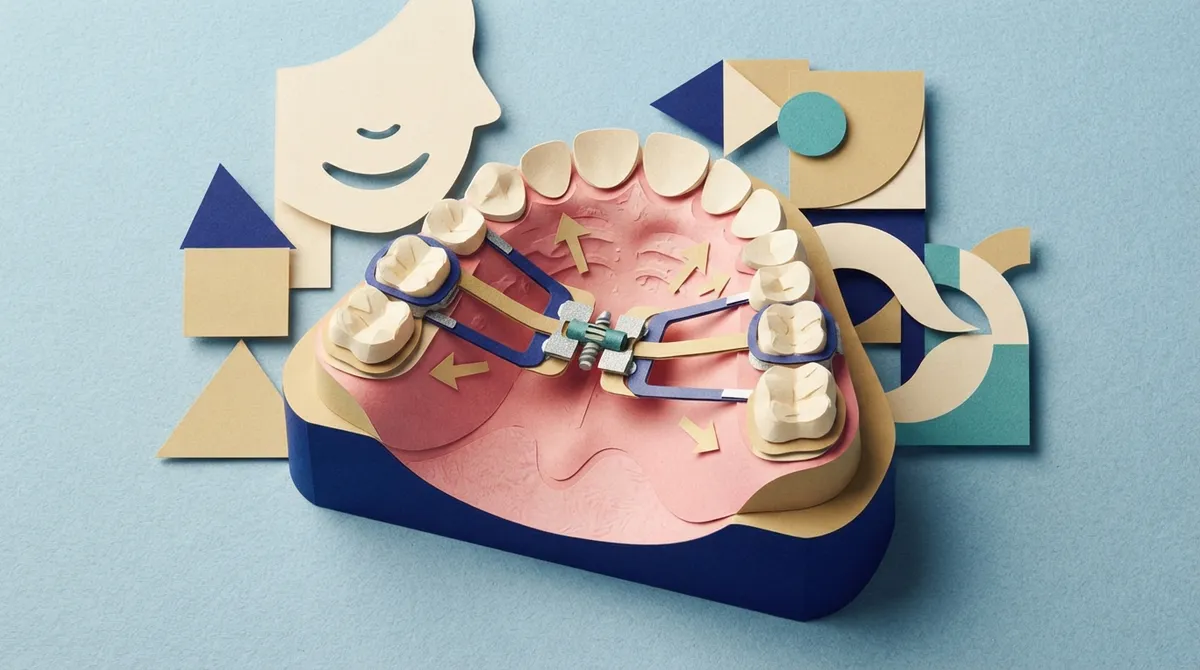
What Exactly Is a Palatal Expander?
A palatal expander is a small appliance that sits on the roof of your child’s mouth. It gently widens the upper jaw over time by separating the two halves of the bone. Think of it like slowly opening a door that’s been stuck shut. As the two sides of the jaw gradually spread apart, new bone fills in the gap, creating a wider, more balanced smile.
This process is incremental, not instant. The Cleveland Clinic explains that expanders move both halves of the jawbone apart little by little, which is why patience is key during this treatment.
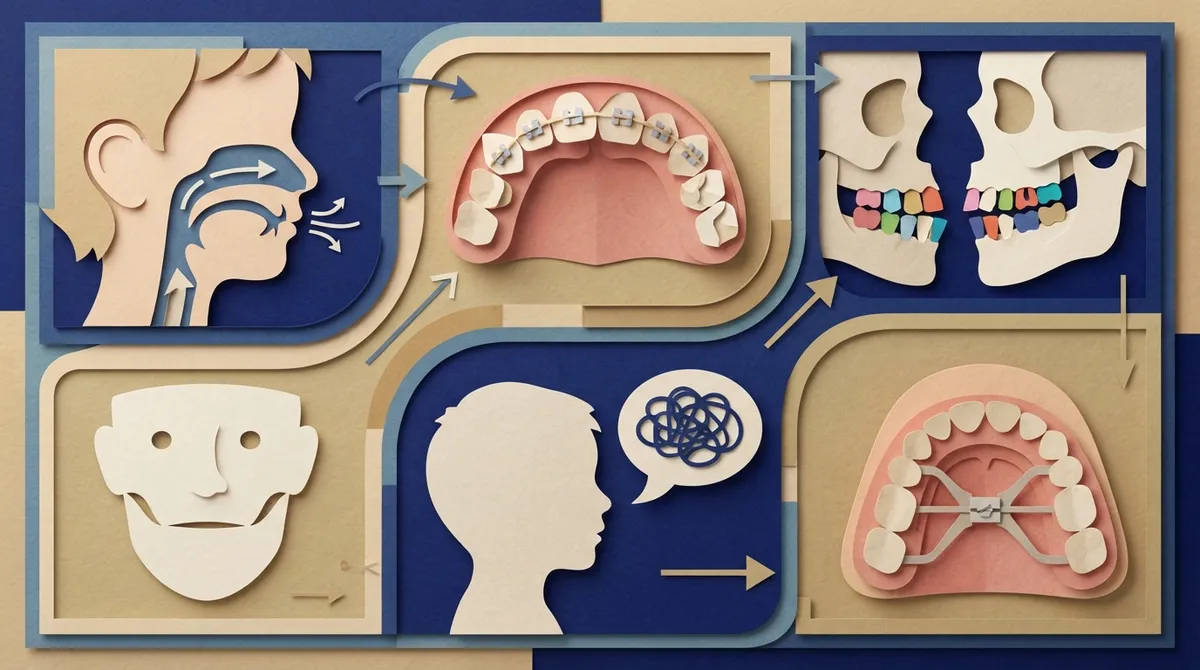
6 Signs Your Child May Need a Palatal Expander
Not sure if your child needs this treatment? Here are six common signs that Dr. Brockway looks for during a checkup:
- A visible crossbite: If your child’s upper teeth sit inside their lower teeth when they bite down, this often signals a narrow upper jaw.
- Crowded or overlapping teeth: When there isn’t enough room for teeth to come in straight, expansion can create the needed space.
- Mouth breathing or snoring: A narrow palate can affect the nasal airway, making it harder to breathe through the nose.
- Thumb sucking habits: Prolonged thumb or pacifier use can narrow the upper jaw over time.
- Difficulty chewing: If your child’s bite feels uneven or awkward, jaw width could be the culprit.
- Early orthodontist recommendation: Sometimes a dentist or orthodontist spots the issue before you do during a routine visit.
If any of these sound familiar, it might be time to schedule an appointment. Learn more about early treatment options designed just for growing smiles.
Why Timing Matters So Much
Palatal expanders work best while your child’s jaw is still growing. This usually means treatment happens sometime between ages 7 and 14, though every child develops differently. During these years, the bone in the upper jaw hasn’t fully fused, making it much easier to widen.
Waiting too long can make expansion more difficult, sometimes requiring surgery in adulthood. That’s why the Florida Association of Orthodontists encourages families to schedule an orthodontic checkup by age 7, even if braces aren’t needed yet.
- Growing jaws respond faster to gentle pressure
- Younger patients often need shorter treatment times
- Early correction can reduce the need for tooth extractions later
- Widening the palate can improve airway function and breathing
- Treating crossbites early prevents more complex issues down the road
Traditional Expanders vs. Newer Removable Options
Not all palatal expanders look the same. Depending on your child’s needs, Dr. Brockway may recommend one of two main types.
| Feature | Traditional Fixed Expander | Removable Expander (like Invisalign Palatal Expander) |
|---|---|---|
| Attachment | Cemented to back teeth | Removable, snaps in and out |
| Activation | Turned with a small key at home | Swapped for new expanders in a series |
| Visibility | Sits behind teeth, mostly hidden | Clear and discreet appearance |
| Compliance needed | Low, since it stays in place | Higher, since patient must wear consistently |
| Best for | Younger children, complex cases | Cooperative patients wanting discreet options |
Both options are effective when used correctly. Dr. Brockway will help you decide which choice fits your child’s lifestyle and treatment goals during your first visit.
How Long Does Treatment Take?
Many parents want a clear timeline before starting treatment. Here’s a simple breakdown of what to expect.
- Active expansion phase: This typically lasts anywhere from 2 weeks to 6 months, depending on how much widening your child needs.
- Stabilization period: After active expansion, the appliance usually stays in place for about 4 to 6 months. This allows new bone to fill in and harden.
- Follow-up orthodontic care: Many kids move on to braces or clear aligners after expansion to finish aligning their teeth.
Every child’s mouth is different, so these timelines can shift. Dr. Brockway will map out a personalized plan during your visit so you know exactly what to expect from start to finish.
Does a Palatal Expander Hurt?
This is probably the question we hear most from worried parents. The honest answer is that your child might feel some pressure, especially right after each adjustment. Many kids describe it as a tight or full feeling in the roof of the mouth.
This sensation usually fades within a few minutes to a few hours. Most children adjust quickly and go back to their normal routines, including eating and talking, within a day or two. Here are a few tips to ease any discomfort:
- Offer soft foods for the first day after each adjustment
- Try over-the-counter pain relief if recommended by your orthodontist
- Encourage extra water to help keep the mouth comfortable
- Remind your child that mild soreness means the expander is working
Caring for Your Child’s Palatal Expander
Good oral hygiene becomes even more important once an expander is in place. Food particles love to hide around the appliance, so a little extra care goes a long way.
- Brush thoroughly after every meal, paying close attention to the roof of the mouth.
- Use a water flosser or interdental brush to clean hard-to-reach spots.
- Avoid sticky candies and hard foods that could damage the appliance.
- Keep up with regular checkups so your orthodontist can track progress.
- Contact your orthodontic office right away if the expander feels loose.
Following these steps helps your child stay comfortable and keeps treatment on schedule. The American Dental Association also recommends consistent brushing habits to protect both teeth and any orthodontic appliances.
Can Adults Get a Palatal Expander Too?
While expanders work best in growing children, adults aren’t completely out of luck. Because adult jawbones have fully fused, expansion is more complex and sometimes requires a surgical approach called SARPE. However, some adults with less severe cases may still benefit from gentler expansion techniques.
If you’re an adult wondering about your options, it’s worth exploring our adult treatment page or scheduling a consultation to discuss your specific situation with Dr. Brockway.
What Problems Can a Palatal Expander Actually Fix?
Beyond just widening the jaw, this treatment can address several bite and alignment issues. Here’s what expanders commonly correct:
- Crossbites, where upper teeth sit inside lower teeth
- Crowding caused by a lack of space for teeth to erupt
- Impacted or blocked teeth that need room to come in
- Narrow dental arches that affect chewing and speech
- Breathing difficulties linked to a constricted nasal airway
The Florida Association of Orthodontists notes that palatal expanders are typically reserved for cases with real functional need, not just cosmetic preference. That’s why a thorough evaluation matters so much before starting treatment.
Why Choose Brockway Orthodontics for Palatal Expansion in Clearwater
Dr. Brockway believes every child deserves a comfortable, judgment-free experience at the orthodontist. Our Clearwater office uses modern digital imaging to plan treatment precisely, so there are no surprises along the way. We take time to explain each step clearly, answering every question you and your child might have.
We also know families lead busy lives. That’s why we offer flexible scheduling and, in certain cases, same-day appointments to get your child started without unnecessary delays. Explore our full range of services to see how we support smiles at every age and stage.
Curious what other Clearwater families think? You can visit us on Google — Brockway Orthodontics to read real reviews from parents just like you. We’re also active on Facebook and Instagram, where we share smile transformations and helpful orthodontic tips.
Getting Started with Your Child’s Treatment Plan
The first step is always a friendly, no-pressure consultation. Dr. Brockway will examine your child’s bite, take digital images, and discuss whether a palatal expander makes sense for their specific needs. If expansion isn’t necessary, we’ll walk you through other options like braces or Spark™ Clear Aligners, our more affordable alternative to Invisalign.
Here’s a quick rundown of what happens at your child’s first appointment:
- A friendly welcome and conversation about your concerns
- Digital images and a gentle exam of the teeth and jaw
- A clear explanation of findings, using simple language
- A personalized treatment plan with timeline and cost estimate
- Time for all your questions, answered patiently and honestly
We know choosing the right orthodontist for your child is a big decision. That’s why we invite you to learn more about Dr. Brockway and see why so many Clearwater families trust her with their kids’ smiles.
Ready to Take the Next Step?
If your child shows any signs of a narrow jaw or crossbite, don’t wait to get answers. Early treatment can make a real difference in your child’s long-term oral health and confidence. Our friendly team is ready to guide you through every step of the process, from that first exam to the final smile reveal.
Ready to see if a palatal expander is right for your child? Book appointment online today and let’s start this journey together. Have questions before scheduling? Feel free to contact us, and our Clearwater team will be happy to help.
FAQs
Q: What is a palatal expander used for in orthodontics?
A: A palatal expander widens a narrow upper jaw to correct crossbites, crowding, and eruption problems. It’s a gentle way to create more room for teeth and improve how the upper and lower jaws fit together.
Q: Does a palatal expander hurt?
A: Most kids feel a bit of pressure or tightness after each adjustment, but it’s usually mild and fades within a few hours. Think of it like a snug feeling rather than sharp pain, and it gets easier as treatment progresses.
Q: How long does palatal expander treatment take?
A: Active expansion typically takes 2 weeks to 6 months, followed by a 4 to 6 month stabilization period. Your Clearwater orthodontist will give you a personalized timeline based on your child’s specific needs.
Q: Can adults get a palatal expander?
A: Adults can sometimes be treated, but since their jawbones have fully fused, expansion is trickier and may require a surgical approach. We’re happy to evaluate your situation and discuss the best path forward during a consultation.
Q: What’s the difference between a traditional expander and the Invisalign Palatal Expander?
A: Traditional expanders are fixed to the teeth and adjusted with a small key at home, while the Invisalign Palatal Expander is removable and swapped out as part of a series. Both work well, and Dr. Brockway can help you choose the best fit for your child’s lifestyle.
Our Service Area