
Key Takeaways
-
Clear aligners are the most popular adult option because they’re nearly invisible, removable, and work well for mild to moderate cases, requiring 12-24 months of treatment with 20-22 hours daily wear.
-
Traditional metal braces remain the most effective and affordable option for complex dental cases, working 24/7 without patient compliance requirements, though they take 18-30 months.
-
Adult teeth move slower due to denser bone density, but acceleration techniques like microperforations and vibration devices can significantly reduce treatment time compared to traditional timelines.
-
Lingual braces offer completely invisible treatment for complex cases by being placed on the inside of teeth, though they cost more and require specialized placement and adjustment skills.
-
Before starting treatment, consider your lifestyle, budget, commitment level to wearing aligners, and existing dental health—cavities or gum disease may need addressing first.
-
Retention with a custom retainer after treatment is essential to prevent orthodontic relapse, as teeth can gradually shift back without consistent retainer wear.
More adults than ever are choosing to straighten their teeth — and honestly, it makes total sense. In 2026, nearly one in three orthodontic patients is an adult. Whether you had braces as a kid and your teeth shifted back, or you never got treatment at all, you deserve a smile you feel great about. The good news? You have more options than ever before.
Adult orthodontic treatment has come a long way. Today’s treatments are more discreet, more comfortable, and faster than they used to be. From clear aligners to high-tech braces, there’s something for every lifestyle, budget, and dental need. If you’ve been curious about the best way to straighten teeth for adults, this guide breaks it all down in a friendly, easy-to-follow way. Let’s dive in!

Why Adults Are Choosing Orthodontic Treatment in 2026
Adults seek orthodontic care for all kinds of reasons. Some want to feel more confident at work or in social settings. Others want to fix bite problems that cause jaw pain or difficulty chewing. And some are dealing with orthodontic relapse — teeth that shifted after previous treatment. According to the American Dental Association, straight teeth are also easier to clean, which can improve your overall oral health.
Whatever your reason, getting treatment as an adult is completely normal. If you’re considering your options, explore adult orthodontic treatment at Brockway Orthodontics to get a feel for what’s available for patients just like you.

7 Best Ways to Straighten Teeth for Adults
1. Clear Aligners
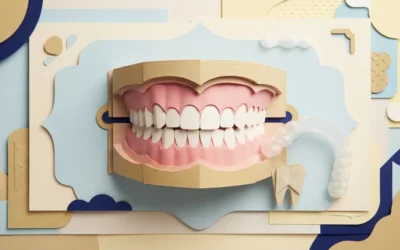
Clear aligners are the most popular option for adults right now — and it’s easy to see why. They’re nearly invisible, removable, and fit right into a busy lifestyle. You wear a series of custom-made plastic trays that gradually shift your teeth into place. Each set of trays is worn for about one to two weeks before moving to the next set.
Clear aligners work well for mild to moderate crowding, spacing, and bite issues. They’re a great fit for working professionals, parents on the go, or anyone who wants to avoid a mouth full of metal. Check out Spark™ Clear Aligners at Brockway Orthodontics to learn about one of the most advanced aligner systems available today.
- Nearly invisible — most people won’t notice them
- Removable for eating, brushing, and flossing
- Comfortable with smooth, custom-fit trays
- Great for mild to moderate cases
- Digital 3D planning lets you preview your results
2. Traditional Metal Braces
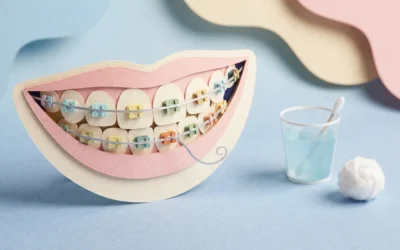
Don’t count out metal braces just yet. They remain the most effective option for complex cases — think severe crowding, significant bite problems, or major tooth movement. Metal braces use brackets and wires to guide teeth into their ideal positions. They’re also the most affordable option in most cases.
Today’s metal braces are smaller and more comfortable than older versions. They’re a reliable, time-tested solution. Learn everything you need to know by visiting All About Braces on the Brockway Orthodontics website.
- Most effective for complex dental issues
- Generally the most affordable option
- Works around the clock — no removing required
- Great for patients who want a reliable, proven method
3. Ceramic Braces
Ceramic braces work just like metal braces, but the brackets are made from a tooth-colored or clear ceramic material. This makes them much less noticeable. They’re a great middle ground between traditional braces and clear aligners — effective for complex cases while still being fairly discreet.
One thing to note: ceramic brackets can stain if you drink lots of coffee, tea, or red wine. But with a little care, they stay looking great throughout treatment.
4. Lingual Braces
Lingual braces are placed on the inside of your teeth, making them completely invisible from the outside. This is the ultimate discreet option for adults who need full braces but don’t want anyone to know. They work like traditional braces but are custom-made to fit the back surfaces of your teeth.
Lingual braces require more specialized skill to place and adjust, so they tend to cost more. But for adults who want completely invisible treatment for complex cases, they’re worth considering.
5. Hybrid Treatment (Braces + Aligners)
Sometimes the best approach combines both braces and aligners. A patient might start with braces to address complex bite issues, then finish with clear aligners for fine-tuning. This hybrid approach gives orthodontists more control and can lead to better results for certain cases.
AI-powered digital planning tools now make these hybrid treatments more precise than ever. Your orthodontist can map out your entire treatment journey with 3D imaging before you even begin. You can schedule your first visit to discuss whether a hybrid approach might work for you.
6. Temporary Anchorage Devices (TADs)
TADs are tiny, screw-like devices that are temporarily placed into the jawbone to act as anchors during orthodontic treatment. They help move teeth in ways that would otherwise be very difficult or require surgery. TADs expand options for adults dealing with jaw discrepancies or airway issues — all without major procedures.
Not everyone needs TADs, but for certain complex cases, they can make a huge difference. Your orthodontist will recommend them if they’re the right tool for your situation.
7. Acceleration Techniques
One of the biggest concerns adults have about orthodontic treatment is how long it takes. Adult bone density is higher than in teens, which can make tooth movement slower. But acceleration methods like microperforations or vibration devices (such as AcceleDent) can help reduce treatment time significantly.
Ask your orthodontist whether acceleration techniques are right for your case. Combined with the right treatment plan, these tools can help you reach your smile goals faster. The Florida Association of Orthodontists is a great resource for staying informed about the latest treatment advancements available in Florida.

Comparing Adult Orthodontic Options at a Glance
| Treatment Type | Visibility | Best For | Avg. Treatment Time |
|---|---|---|---|
| Clear Aligners | Nearly invisible | Mild to moderate cases | 12–24 months |
| Metal Braces | Visible | Complex cases | 18–30 months |
| Ceramic Braces | Low visibility | Moderate to complex cases | 18–30 months |
| Lingual Braces | Completely hidden | Complex cases, high aesthetics | 18–30 months |
| Hybrid Treatment | Varies | Complex multi-phase cases | 18–30 months |

How Long Does Adult Orthodontic Treatment Take?
Adult treatment typically takes between 18 and 30 months, depending on the complexity of your case and the method you choose. Adults have denser bone than teens, which means teeth move a bit more slowly. However, newer acceleration tools and AI-powered treatment planning are helping cut down treatment times.
The table below gives you a rough idea of timelines based on case complexity:
| Case Complexity | Estimated Treatment Time | Recommended Options |
|---|---|---|
| Mild | 6–12 months | Clear aligners, limited braces |
| Moderate | 12–18 months | Clear aligners, ceramic braces |
| Complex | 18–30 months | Metal braces, lingual braces, TADs |
What to Consider Before Starting Treatment
Before you choose the best way to straighten teeth for adults, here are some important things to think about:
- Your dental health: Cavities, gum disease, or existing dental work (like crowns or implants) may affect your treatment options. Get a dental checkup first.
- Your lifestyle: Do you travel frequently? Speak publicly? Work in a client-facing role? These factors might influence whether you prefer aligners or braces.
- Your budget: Treatment costs vary widely. Explore financing and insurance options to make treatment more affordable.
- Your commitment level: Clear aligners require discipline — you must wear them 20–22 hours per day. Braces work 24/7 without any effort on your part.
- Post-treatment retainers: After any orthodontic treatment, you’ll need a retainer to keep your teeth in place. Learn more about retainers and how they work.
Pros and Cons of the Top Adult Orthodontic Options
| Option | Pros | Cons |
|---|---|---|
| Clear Aligners | Discreet, removable, comfortable | Requires discipline, not ideal for very complex cases |
| Metal Braces | Most effective, affordable, works 24/7 | Visible, some dietary restrictions |
| Ceramic Braces | Less visible, effective for complex cases | Can stain, slightly more expensive |
| Lingual Braces | Completely invisible | Higher cost, harder to clean, tongue discomfort |
Tips for a Smooth Adult Orthodontic Experience
Starting orthodontic treatment as an adult is exciting — but it helps to go in prepared. Here are some practical tips to make the journey easier:
- Keep up with your regular dental cleanings throughout treatment
- Use a water flosser to clean around brackets and wires
- Wear your aligners as directed — consistency is key
- Attend all scheduled adjustment appointments
- Ask your orthodontist about remote monitoring to reduce office visits
- Wear your retainer faithfully after treatment ends
Remote monitoring technology is a game-changer for busy adults. Many orthodontic offices now use apps and digital check-ins so you don’t have to come in as often. It’s one of the many ways modern orthodontics is built around your schedule.
Why Choose Brockway Orthodontics for Adult Treatment?
At Brockway Orthodontics in Clearwater, Dr. Brockway and the team specialize in helping adults achieve their best smiles in a warm, welcoming environment. Whether you’re exploring clear aligners for the first time or considering retreatment after relapse, you’ll get a personalized plan built around your unique needs and lifestyle.
You can also check out our reviews on Google to see what real patients have to say about their experience. It’s always helpful to hear from people who’ve been in your shoes!
Want to explore your options even further? Check out this helpful guide on the best Invisalign alternatives for straightening your teeth to see the full picture of what’s possible.
Stay connected and get inspired by following us on Instagram where we share smile transformations, tips, and behind-the-scenes looks at our practice.
Steps to Get Started on Your Smile Journey
- Schedule a free consultation: Meet with an orthodontist to discuss your goals and get a full assessment of your teeth and bite.
- Review your treatment plan: Your orthodontist will present options with timelines and costs, so you can make an informed decision.
- Begin treatment: Whether you start with braces or aligners, your first appointment officially kicks off your smile transformation.
- Attend regular check-ins: Periodic appointments (or remote check-ins) keep your treatment on track.
- Celebrate your new smile: Once treatment is complete, you’ll wear a retainer to maintain your beautiful results.
Ready to Smile With Confidence?
Finding the best way to straighten teeth for adults doesn’t have to feel overwhelming. With so many great options available in 2026 — from clear aligners to lingual braces to acceleration technology — there’s truly something for everyone. The key is working with an experienced orthodontist who listens to your goals and creates a plan just for you.
You deserve a smile that makes you feel amazing — whether you’re in a board meeting, a family photo, or a first date. Don’t wait any longer to take that first step toward the confident, healthy smile you’ve always wanted.
Ready to find out which option is right for you? Book your free consultation at Brockway Orthodontics today and let’s make your smile goals a reality!
FAQs
Q: What is the most discreet orthodontic option for adults?
A: Lingual braces and clear aligners are the most discreet options available! Lingual braces sit on the inside of your teeth and are completely invisible, while clear aligners are nearly impossible to spot from a distance. Your orthodontist can help you decide which one fits your lifestyle and treatment needs best.
Q: How long does it take to straighten teeth with clear aligners as an adult?
A: Treatment time with clear aligners for adults typically ranges from 12 to 24 months, depending on the complexity of your case. Adults with mild issues may see results in as little as 6 to 12 months. Acceleration techniques can also help speed things up — ask your orthodontist about your options!
Q: Are clear aligners as effective as braces for adults?
A: Clear aligners work wonderfully for mild to moderate cases — and with today’s AI-powered planning, they’re more precise than ever. For complex bite issues or severe crowding, traditional or ceramic braces may be more effective. The best way to find out is to schedule a consultation with a qualified orthodontist.
Q: Can adults get orthodontic treatment if they have crowns or other dental work?
A: Yes, absolutely — many adults with existing dental work like crowns, bridges, or veneers can still pursue orthodontic treatment. Your orthodontist will evaluate your full dental history and tailor a plan that works with your existing restorations. It’s always best to get a thorough consultation before starting.
Q: What should adults do after orthodontic treatment to keep their teeth straight?
A: After completing treatment, wearing a retainer is essential to keeping your teeth in their new positions. Without a retainer, teeth can gradually shift back over time — a process called orthodontic relapse. Your orthodontist will provide a custom retainer and give you clear instructions on how and when to wear it.