Key Takeaways
-
Crowded teeth aren't just cosmetic—overlapping teeth are harder to clean, leading to cavities, gum irritation, uneven wear, and difficulty chewing. Early evaluation by an orthodontist can determine if your case needs treatment for function or appearance.
-
Multiple effective treatment options exist beyond traditional braces, including clear aligners for mild-moderate crowding, arch expansion for growing children, and interproximal reduction (enamel shaving) for mild cases without extraction.
-
Treatment duration typically ranges from 6 months to 3 years depending on crowding severity, age, appliance choice, and patient compliance. Most cases complete within 1-3 years according to the American Dental Association.
-
Teeth commonly shift back after orthodontic treatment if retainers are skipped—this relapse is one of the most frequent reasons patients need retreatment years later. Consistent retainer use is essential to protect your investment.
-
Crowding is caused by jaw-to-tooth size mismatch (often inherited), early baby tooth loss, odd tooth angles, habits like thumb sucking, and natural age-related changes. Early evaluation in children can catch problems before they worsen.
-
Self-directed tooth movement kits ordered online carry serious risks including damage to tooth roots and bone support that's hard to reverse. A proper orthodontist evaluation with X-rays and digital scans is always necessary before starting any treatment.
Do your teeth overlap, twist, or fight for space in your mouth? You’re not alone. Crowded teeth are one of the most common reasons people visit an orthodontist. The good news? You have more treatment options today than ever before. Whether you’re a parent watching your child’s smile change, a busy professional wanting a quiet fix, or someone whose teeth shifted years after braces came off, there’s a path forward that fits your life.
At Brockway Orthodontics in Clearwater, Florida, we see crowded teeth every single day. Dr. Brockway and her team have helped patients of every age find the right fix, from simple aligner trays to more involved treatment plans. In this guide, we’ll walk through seven proven ways to treat crowded teeth, backed by real dental research and years of hands-on experience.
What Causes Crowded Teeth in the First Place?
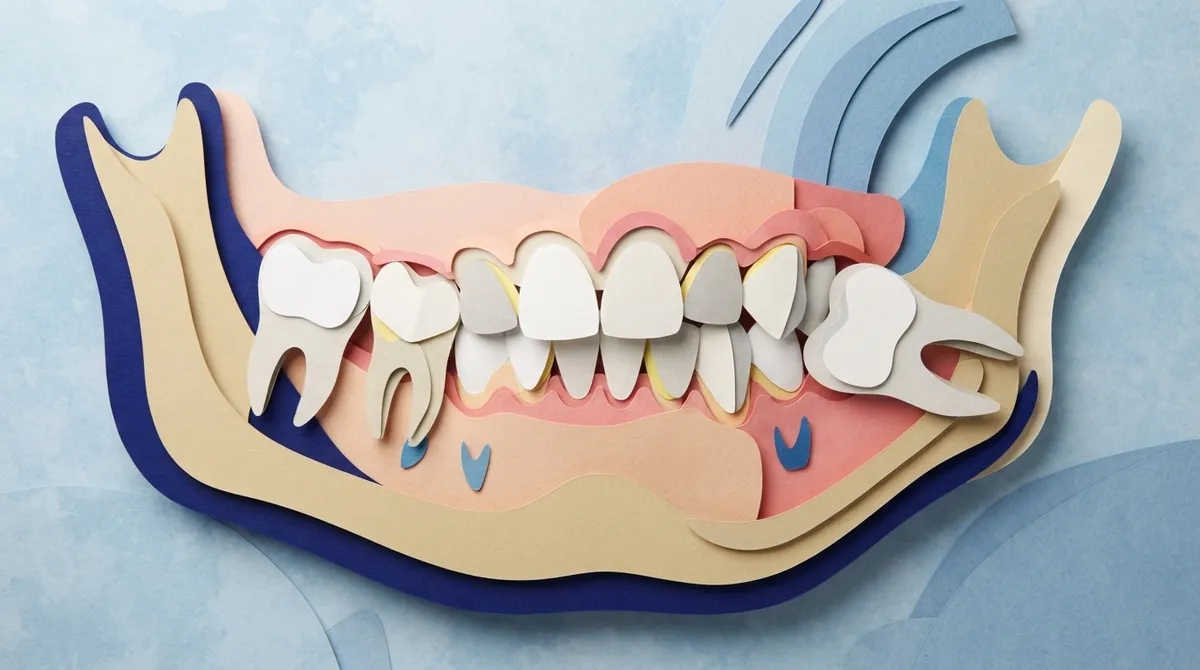
Crowding happens when your jaw simply doesn’t have enough room for all your teeth. Think of it like trying to fit too many people into a small elevator. Something has to give, so teeth overlap, rotate, or come in crooked.
Several things can cause this issue:
- A mismatch between tooth size and jaw size (often inherited from your parents)
- Losing baby teeth too early or keeping them too long
- Teeth growing in at odd angles
- Certain childhood habits, like prolonged thumb sucking
- Natural changes in your jaw and teeth as you age
Crowding often becomes more obvious when kids lose their baby teeth and adult teeth start coming in. It can also sneak up on adults over time, even years after wearing braces as a teen.
Why You Shouldn’t Ignore Crowded Teeth
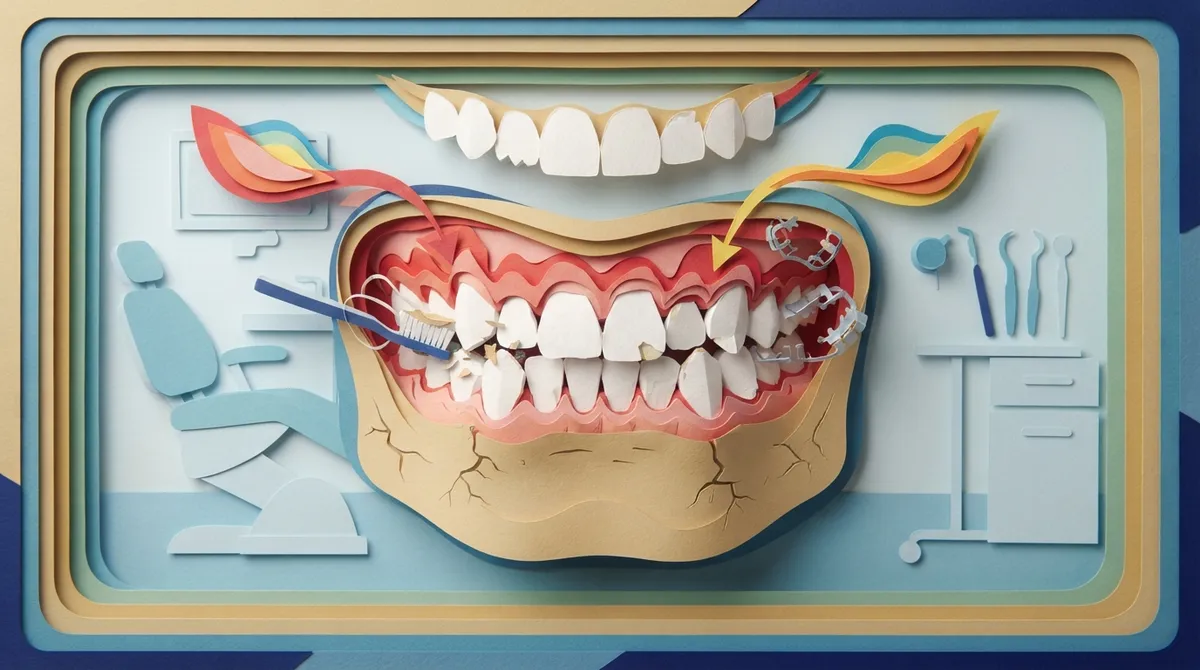
Crowded teeth aren’t just a cosmetic concern, though we totally understand wanting a smile you love. Overlapping teeth are harder to clean properly. That means more spots for plaque to hide, which can lead to cavities and gum irritation over time.
Crowding can also cause:
- Uneven wear on certain teeth
- Difficulty chewing comfortably
- A higher risk of chipping teeth that stick out
- Jaw discomfort in some cases
That said, not every case of crowding needs treatment right away. A thorough exam helps determine whether your case is more about appearance, function, or both. This is exactly why your first visit to an orthodontist involves more than just a quick look in your mouth.
How Orthodontists Measure and Diagnose Crowding
Before recommending any treatment, Dr. Brockway and her team take a close look at your whole smile. A proper assessment usually includes:
- A visual exam of how your teeth line up and how your bite comes together
- Photos of your smile from different angles
- Digital scans or impressions of your teeth (no messy goop required)
- X-rays to check tooth roots, jawbone, and any teeth still coming in
According to a widely used clinical scale referenced in a 2021 Cochrane review, crowding is generally sorted into three levels: mild (less than 4mm of extra space needed), moderate (about 4 to 8mm), and severe (more than 8mm). These numbers help guide treatment, but they’re not the only factor. Your bite, jaw growth, and gum health all play a role too.
7 Crowding Teeth Treatment Options Worth Knowing
Now let’s get into the good stuff. Here are seven treatment paths orthodontists commonly use, ranked roughly from least to most involved.
1. Watchful Waiting for Growing Kids
Sometimes the best treatment is simply keeping an eye on things. If a child’s jaw is still developing, early evaluation can catch problems before they get worse. This doesn’t always mean treatment starts right away. Instead, your orthodontist may check in every six months or so to track how the teeth and jaw are growing.
2. Interceptive (Early) Orthodontics
For children in that in-between stage of losing baby teeth and growing adult ones, interceptive treatment can make a big difference. This might involve holding space for teeth that haven’t come in yet, gently guiding new teeth into better positions, or removing certain baby teeth to make room. Learn more about how early treatment works and why timing matters so much for growing smiles.
3. Arch Expansion
An expander is a small device that gradually widens the upper jaw, creating more room for teeth to line up naturally. This is often used in children and younger teens whose jaws are still flexible enough to shift. It’s a great option before crowding becomes more severe.
4. Clear Aligners
For mild to moderate crowding, clear aligners have become a favorite among teens and adults alike. These clear, custom-made trays gradually shift teeth into place, and nobody has to know you’re even wearing them. At Brockway Orthodontics, our Spark™ Clear Aligners offer a more affordable path to a straighter smile, without sacrificing results.
5. Traditional or Ceramic Braces
When crowding is more complex, or when teeth need serious rotation, braces often work best. Metal braces are still incredibly effective, and today’s brackets are smaller and more comfortable than ever. If you want something more discreet, ceramic (clear) braces blend in with your natural tooth color. Check out all about braces to see which style might fit your lifestyle.
6. Interproximal Reduction (IPR)
In select mild cases, an orthodontist can shave a tiny bit of enamel between certain teeth to create extra space. This sounds more dramatic than it is. It’s a quick, painless way to make room without needing extraction, and it’s often paired with aligners or braces.
7. Extraction or Jaw Surgery for Severe Cases
For more severe crowding, your orthodontist may recommend removing one or more permanent teeth to create enough room for the rest to align properly. In rare situations involving a significant jaw mismatch, orthodontic treatment combined with jaw surgery may be the best long-term solution. These decisions are never made lightly and always follow a full diagnostic workup.
Comparing Your Crowding Treatment Options
| Treatment | Best For | Typical Duration | Visibility |
|---|---|---|---|
| Interceptive Orthodontics | Children in mixed dentition | Varies, often short-term | Low to moderate |
| Arch Expansion | Kids and younger teens | 3–12 months | Low (worn behind teeth) |
| Clear Aligners | Mild to moderate crowding | 6–18 months | Very low |
| Traditional Braces | Moderate to severe crowding | 12–30 months | Moderate to high |
| Ceramic Braces | Moderate crowding, discreet look | 12–30 months | Low to moderate |
| IPR | Mild crowding, small space needs | Same-day procedure | None |
| Extraction/Surgery | Severe crowding or jaw mismatch | 18–36 months | Varies by phase |
How Long Does Crowding Teeth Treatment Take?
This is one of the most common questions we hear at our Clearwater office. According to the American Dental Association, most orthodontic treatment takes about 1 to 3 years, followed by retainer use to keep everything in place. The UK’s National Health Service reports similar timelines, often around 6 to 30 months, depending on the severity of the case and how well patients follow instructions.
Several things affect your personal timeline:
- How severe the crowding is
- Your age and how your jaw is growing (or has finished growing)
- Which appliance you choose
- How consistently you wear aligners or keep up with appointments
- Your commitment to good oral hygiene throughout treatment
What Happens After Treatment Ends?
Here’s something a lot of people don’t expect: teeth can shift back after treatment if you skip your retainer. Research summarized in systematic reviews shows that the lower jaw’s dental arch can shorten over time, and crowding can return years later. This is exactly why retention is such a big deal.
Wearing a retainer as directed protects the investment you just made in your smile. Most patients wear retainers full-time at first, then transition to nighttime wear only. Skipping this step is one of the most common regrets we hear from patients who come back years later needing retreatment.
Crowding Treatment for Different Life Stages
For Parents of Kids and Teens
Watching your child’s smile change can bring up a lot of questions. The good news is that early evaluation doesn’t mean immediate treatment. It simply means staying ahead of potential problems. Our adolescent treatment options are designed to fit growing smiles and busy family schedules.
For Teens and Young Adults
Big life moments like graduation photos or prom often push teens toward wanting straighter teeth fast. Clear aligners and ceramic braces offer discreet options that don’t get in the way of confidence or social life.
For Busy Professionals
If you’re juggling a demanding career, the idea of metal brackets might not sound appealing. Clear aligners let you straighten your smile without drawing attention in meetings or on video calls. Our adult treatment plans are built around real, busy lives.
For Those Experiencing Relapse
If your teeth have shifted back after previous orthodontic work, you’re in good company. Relapse is common, and it doesn’t mean you did anything wrong. It just means it’s time for a fresh treatment plan, often faster than your first round since some structure is already in place.
Steps to Get Started With Crowding Treatment
- Schedule a consultation with a qualified orthodontist
- Get a full exam including X-rays, photos, and digital scans
- Review your treatment options together
- Choose a plan that fits your goals, budget, and lifestyle
- Begin treatment and attend regular check-ins
- Wear your retainer faithfully once active treatment ends
Skipping steps, especially self-directed tooth movement kits ordered online, can lead to serious problems. Moving teeth without checking root health, bone support, and your bite can cause damage that’s hard to reverse. A proper evaluation is always worth it. For guidance from a trusted source, the Florida Association of Orthodontists offers helpful information on finding qualified care in our state.
Why Choose Brockway Orthodontics for Crowding Treatment
Dr. Brockway has built her Clearwater practice around one simple idea: every patient deserves care that’s personal, honest, and comfortable. From digital scans that skip the messy molds to same-day treatment starts in certain cases, we use modern technology to make your experience smoother from day one.
We treat entire families, from a seven-year-old’s first evaluation to a parent finally getting the smile they’ve wanted for years. Explore our full range of services to see everything we offer under one roof. Curious what other patients think? You can visit us on Google — Brockway Orthodontics to read real reviews from our Clearwater community.
Follow along with patient stories and smile transformations on Instagram or connect with us on Facebook to see the difference personalized care can make.
Your Next Step Toward a Straighter Smile
Crowded teeth don’t have to be something you just live with. Whether you need a simple aligner tray or a more complete treatment plan, there’s a solution that fits your smile and your schedule. Dr. Brockway and her caring team are ready to walk you through every option, answer your questions, and help you feel confident about your choice.
Ready to see what’s possible for your smile? Book appointment online today and take the first step toward a smile you’ll love showing off.
FAQs
Q: What is the best treatment for crowded teeth?
A: It really depends on your unique smile! Mild crowding often responds well to clear aligners, while moderate to severe cases may need braces or even a bit more planning. The best way to know for sure is a friendly consultation with an orthodontist who can look at your specific situation.
Q: Can crowded teeth be fixed without braces?
A: Yes, many mild to moderate cases can be treated with clear aligners instead of traditional braces. Some very mild cases can even be helped with a small procedure called interproximal reduction. Your orthodontist will help you figure out which path fits your smile best.
Q: How long does treatment for crowded teeth take?
A: Most people finish active treatment somewhere between 6 months and 3 years, depending on how severe the crowding is. The American Dental Association notes many patients complete treatment within 1 to 3 years. Sticking to your appointments and wearing your aligners or retainer as directed really helps keep things on track.
Q: Will I need teeth removed to correct severe crowding?
A: Not always, but it’s sometimes necessary for more severe cases. Your orthodontist will do a full evaluation, including X-rays, before recommending extraction. This decision is never made lightly, and there’s always a clear reason behind it.
Q: Do teeth become crowded again after orthodontic treatment?
A: They can, which is exactly why retainers matter so much after treatment ends. Teeth naturally want to shift over time, and skipping your retainer is one of the biggest reasons people need treatment again later. Wearing it as directed is a small habit that protects your smile for years to come.
Our Service Area