
Key Takeaways
-
Braces are significantly more effective for severe cases like major crowding, significant gaps, and complex bite issues, while Invisalign works best for mild to moderate misalignment requiring patient commitment.
-
Invisalign requires 20-22 hours daily wear time for success, making it discipline-dependent, whereas braces work 24/7 automatically—an important factor for teens who may forget compliance.
-
Both treatments cost similarly (starting around $3,000 before insurance), with final pricing determined by case complexity rather than treatment type, making costs comparable for most patients.
-
Clear aligners offer easier oral hygiene since they’re removable for eating and brushing, while braces require more effort to clean around brackets but both require retainers permanently to prevent tooth drift.
Trying to choose between Invisalign and braces? You’re definitely not alone. This is one of the most common questions we hear at our Clearwater office, whether it’s a parent asking for their teen or a busy professional wondering how to fit treatment into a packed schedule. The good news? Both options work great, and picking the right one just comes down to your smile goals, your lifestyle, and a little guidance from a trusted expert.
At Brockway Orthodontics, we’ve helped families and adults across Clearwater find the perfect fit for their smile journey. Dr. Brockway takes time to really listen, so you’re never left guessing which path is right for you. In this article, we’ll break down seven key facts about invisalign vs braces so you can walk into your consultation feeling confident and informed. Let’s get started!

1. Braces Handle Complex Cases Better Than Invisalign
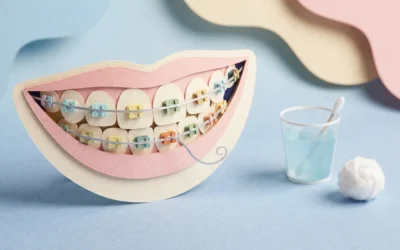
If you have severe crowding, major gaps, or a complicated bite issue, traditional braces are often the stronger choice. Metal or ceramic brackets apply constant, steady pressure on your teeth. This makes them incredibly effective for tricky orthodontic problems that clear aligners sometimes can’t fully correct.
Invisalign and similar clear aligners work wonders for mild to moderate misalignment. But when it comes to serious bite corrections, braces tend to win the race. That’s why an honest evaluation from your orthodontist matters so much before you decide.
When Braces Make More Sense
- Severe tooth crowding or overlapping
- Significant gaps between teeth
- Complex bite issues like deep overbites
- Cases requiring precise tooth rotation
- Younger patients still in active jaw growth
Curious if your case needs traditional treatment? Our All About Braces page walks you through exactly how they work.

2. Invisalign Offers a Discreet, Removable Option
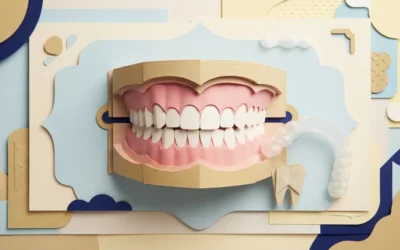
Clear aligners have become hugely popular, and it’s easy to see why. They’re nearly invisible, removable for meals, and don’t involve any metal brackets poking your cheeks. For teens heading into school photos or professionals attending client meetings, this discretion is a huge win.
At Brockway Orthodontics, we also offer Spark™ Clear Aligners, which give you that same clear, comfortable experience often at a more affordable price point than Invisalign. It’s a fantastic option worth discussing during your visit.
Who Benefits Most From Clear Aligners
- Adults who want a discreet treatment option
- Teens with mild to moderate misalignment
- Patients with busy social or professional schedules
- Anyone who wants to remove their appliance for eating
- People who prioritize easier daily oral hygiene
3. Treatment Time Varies Quite a Bit
One of the biggest questions we get is, “How long will this actually take?” The honest answer depends on your case. Here’s a simple breakdown based on current industry data.
| Treatment Type | Typical Timeline (Adults) | Best For |
|---|---|---|
| Traditional Braces | 18–24 months (sometimes up to 36) | Complex or severe cases |
| Invisalign / Clear Aligners | 6–18 months | Mild to moderate misalignment |
Keep in mind, these numbers can shift depending on how consistent you are with wear time and follow-up visits. Braces work around the clock without any effort on your part, while aligners depend on you wearing them as directed.
4. Cost Is Closer Than You Might Think
A common myth is that Invisalign is always pricier than braces. In reality, both treatments generally start around $3,000 before insurance, and the final cost depends heavily on how complex your case is, not just which appliance you choose.
We know navigating the financial side of orthodontic care can feel overwhelming. That’s why our team walks you through every option and works with you to build a plan that fits your budget. Visit our Financing And Insurance page to see how we make treatment accessible for Clearwater families.
Factors That Affect Your Total Cost
- Severity of your misalignment or bite issue
- Length of your treatment plan
- Type of braces or aligner system chosen
- Whether you need additional appliances
- Your insurance coverage and benefits
5. Oral Hygiene Is Easier With Removable Aligners
Since Invisalign trays come out for eating and brushing, keeping your teeth clean is generally simpler. Fixed braces require a bit more effort, since food particles can get stuck around brackets and wires.
That said, both options are manageable with the right habits. The American Dental Association recommends brushing after meals and flossing daily no matter which treatment you choose. Our team will show you exactly how to keep your smile healthy throughout your journey, whether you’re wearing braces or clear aligners.
Simple Hygiene Tips for Either Option
- Brush after every meal when possible
- Use a water flosser for hard-to-reach spots
- Rinse aligners daily with lukewarm water
- Avoid sugary drinks that can damage enamel
- Keep up with regular dental cleanings
6. Discipline Matters More With Invisalign
Here’s something people don’t always expect: Invisalign requires real commitment. You’ll need to wear your aligners 20 to 22 hours a day for them to work properly. Braces, on the other hand, do their job 24/7 without you having to remember a thing.
This is an important point for parents choosing treatment for teens. If your child tends to forget things or loses items easily, braces might actually be the more reliable option. For older teens and adults with strong follow-through, Invisalign can work beautifully.
Appointment Frequency Comparison
| Treatment | Visit Frequency |
|---|---|
| Braces | Every 4–6 weeks for adjustments |
| Invisalign | Every 6–8 weeks for check-ins |
Not sure which option fits your personality and lifestyle? Our Your First Visit page explains what to expect so you can plan ahead with confidence.
7. Retainers Are Required After Both Treatments
No matter which path you choose, your teeth will want to drift back over time. That’s just how teeth work! Wearing a retainer after treatment is the standard of care recommended across the orthodontic field, including guidance shared by the Florida Association of Orthodontists.
Skipping your retainer is one of the most common reasons people end up needing retreatment later in life. If that’s already happened to you, don’t worry. We help plenty of patients get their smile back on track. Check out our Retainers page for tips on keeping your results looking great for years to come.
Steps to Protect Your New Smile
- Wear your retainer exactly as instructed
- Clean your retainer regularly
- Bring it to every follow-up appointment
- Replace it promptly if it’s lost or damaged
- Schedule regular check-ins with your orthodontist
Which Option Is Right for Your Family?
Every smile is different, and that’s exactly why we don’t believe in one-size-fits-all treatment. Whether you’re a parent exploring Adolescent Treatment for your teen, or an adult professional considering Adult Treatment options, Dr. Brockway will guide you every step of the way.
We also love helping patients who had braces years ago but experienced some relapse. If that sounds familiar, our Services page shows the full range of treatments we offer to get your smile back where it belongs.
Want to see what real patients are saying? Feel free to visit us on Google — Brockway Orthodontics and read reviews from families right here in Clearwater. You can also follow along on Instagram or connect with us on Facebook for smile transformations and helpful tips.
Ready to Start Your Smile Journey?
Choosing between Invisalign and braces doesn’t have to feel stressful. With the right team by your side, it can actually be exciting! Dr. Brockway and our Clearwater team are here to answer your questions, ease your worries, and help you feel great about your decision.
Ready to find out which treatment fits your smile best? Book your free consultation online today and let’s start this journey together. Have questions before then? Reach out to our friendly team anytime. We can’t wait to meet you and help you smile with confidence!
FAQs
Q: Is Invisalign cheaper than braces for adults?
A: Not really! Both treatments usually start around $3,000 before insurance. The final price depends more on how complex your case is than which option you pick. We’re happy to walk you through the numbers during your free consult.
Q: Can Invisalign fix severe crowding or bite issues?
A: Invisalign works best for mild to moderate misalignment. For severe crowding or complex bite problems, traditional braces are usually the more reliable choice. Dr. Brockway can evaluate your smile and let you know exactly what will work best.
Q: How long does Invisalign take compared to braces?
A: Invisalign often takes 6 to 18 months for mild to moderate cases, while braces typically run 18 to 24 months, sometimes longer for complex cases. Your exact timeline depends on your unique smile goals.
Q: Which is better for oral hygiene: Invisalign or braces?
A: Invisalign tends to make hygiene easier since you can remove the trays to brush and floss like normal. Braces just require a bit more care around the brackets and wires, but both are totally manageable with good habits!
Q: Do I need to wear a retainer after Invisalign or braces?
A: Yes, absolutely! Retainers are essential after any orthodontic treatment to keep your teeth from shifting back. This is standard practice across the field, and we’ll make sure you know exactly how to care for yours.
Our Service Area