Key Takeaways
-
Lingual braces are custom-made brackets placed behind teeth for invisible orthodontic treatment, ideal for professionals and teens who want discreet smile correction without visible metal braces.
-
Treatment typically takes 12-24 months with initial tongue irritation and speech changes fading within 3-4 weeks; requires committed daily cleaning with floss threaders and careful food choices to avoid bracket damage.
-
Lingual braces cost more than traditional braces due to custom lab work and precision placement, but offer more control for complex bite issues compared to removable clear aligners.
-
Best candidates include adults in professional careers, motivated patients with good oral hygiene habits, and those with mild to moderate crowding or spacing issues needing fixed treatment.
Ever wished you could straighten your teeth without anyone noticing? You’re not alone. So many of our patients at Brockway Orthodontics ask about ways to fix their smile without flashing metal every time they laugh. That’s where lingual braces come into the picture, and honestly, they’re pretty amazing once you understand how they work.
Lingual braces are brackets and wires placed on the back of your teeth, facing your tongue. This means they hide behind your teeth instead of sitting in front for the world to see. If you’re a busy professional, a teen headed to prom, or someone who just wants a private way to fix a smile, this option might be your new best friend. Let’s walk through everything you need to know, from how they work to what daily life looks like once you have them.
1. What Are Lingual Braces and How Do They Work
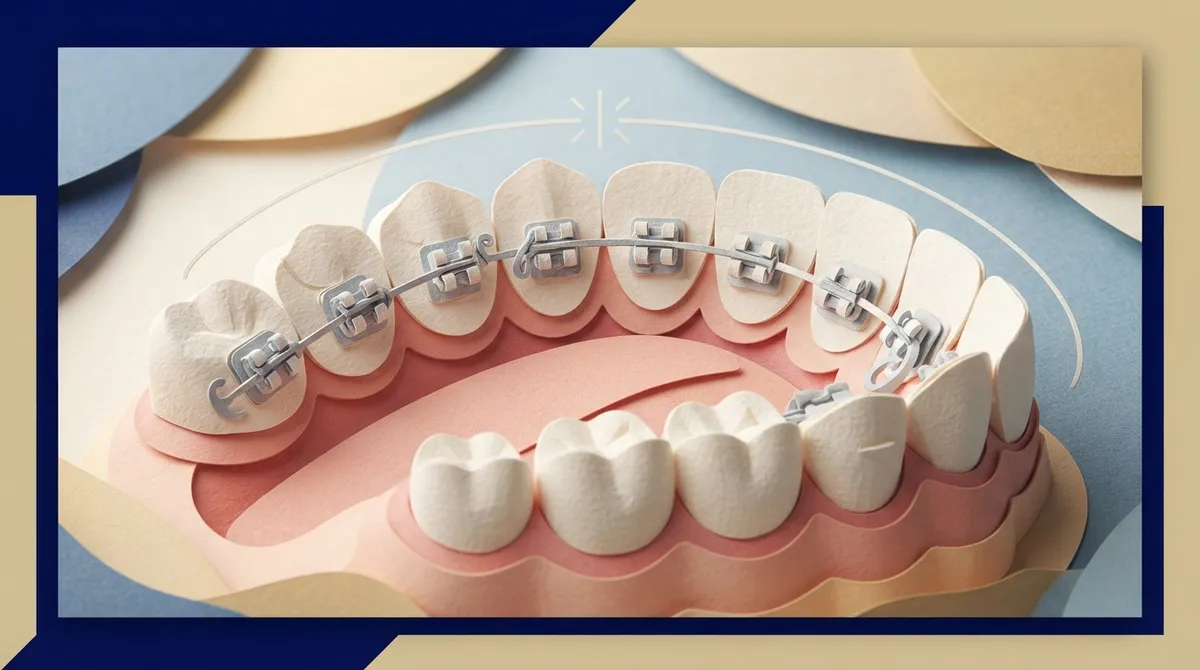
Lingual braces use the same basic idea as traditional braces. Brackets attach to your teeth, and a wire connects them all together. The wire gently pushes and pulls your teeth into better positions over time.
The big difference is placement. Instead of gluing brackets to the front of your teeth, your orthodontist attaches them to the back, or lingual, side. From the front, people barely notice you have braces at all. Learn more about how this compares to traditional braces options during your first visit with our team.
Because each mouth is shaped differently, lingual braces are often custom-made just for you. A lab creates brackets that fit the unique curves of your back teeth. This customization is part of why they’re considered a premium orthodontic choice.

2. Who Makes a Good Candidate for Lingual Braces
Not everyone is an automatic fit for lingual braces, but many people are! Here’s who tends to do especially well with this treatment:
- Adults in professional careers who want discreet treatment
- Teens with social events like graduation or homecoming coming up
- Patients with mild to moderate crowding, spacing, or bite issues
- People who already tried aligners but need more control over tooth movement
- Anyone motivated to keep up with extra cleaning steps
Since lingual braces sit close to your tongue, patients need good dedication to homecare. If that sounds like you, we’d love to chat about it during a first visit consultation at our Clearwater office.
3. How Lingual Braces Compare to Other Discreet Options
Lingual braces aren’t the only way to keep your treatment low-key. Here’s a quick comparison to help you understand your choices:
| Treatment | Visibility | Typical Comfort | Best For |
|---|---|---|---|
| Lingual Braces | Hidden behind teeth | More adjustment time needed | Complex cases needing full control |
| Clear Aligners | Nearly invisible | Generally comfortable | Mild to moderate cases, removable convenience |
| Ceramic Braces | Tooth-colored, visible up close | Similar to metal braces | Patients wanting fixed but subtle look |
| Metal Braces | Most visible | Familiar and effective | All ages, wide range of issues |
Curious about all your choices? Our Spark™ Clear Aligners are a wonderful, more affordable option many of our Clearwater patients love too.
4. What to Expect During Treatment
Getting lingual braces feels a bit different than getting traditional ones. Since the brackets sit against your tongue, your mouth needs time to adjust. Most people notice these changes early on:
- Some tongue irritation for the first week or two
- Temporary changes in speech, like a slight lisp
- Mild soreness after each adjustment appointment
- A learning curve for eating and talking comfortably
- Gradual improvement as your tongue gets used to the brackets
The good news? These effects almost always fade. Many patients say by week three or four, they barely notice their braces are there. Orthodontic wax can help ease any rubbing or soreness in the meantime.
5. How Long Does Treatment Take
Treatment length depends on your specific case, but lingual braces typically take about 12 to 24 months. Simple cases may finish sooner, while more complex bite issues can take longer.
Your orthodontist will map out a treatment plan and give you a realistic timeline at your consultation. During your journey, we’ll track your progress and make wire adjustments as needed. Want to fix an overbite, crowding, or spacing issues? Lingual braces can address deep overbite concerns and a wide range of alignment problems, similar to traditional braces.
6. Daily Care and Cleaning Tips
Cleaning lingual braces takes a little extra effort, but it’s totally doable once it becomes a habit. Here are the steps we recommend to keep your teeth and gums healthy during treatment:
- Brush your teeth after every meal, ideally three times a day
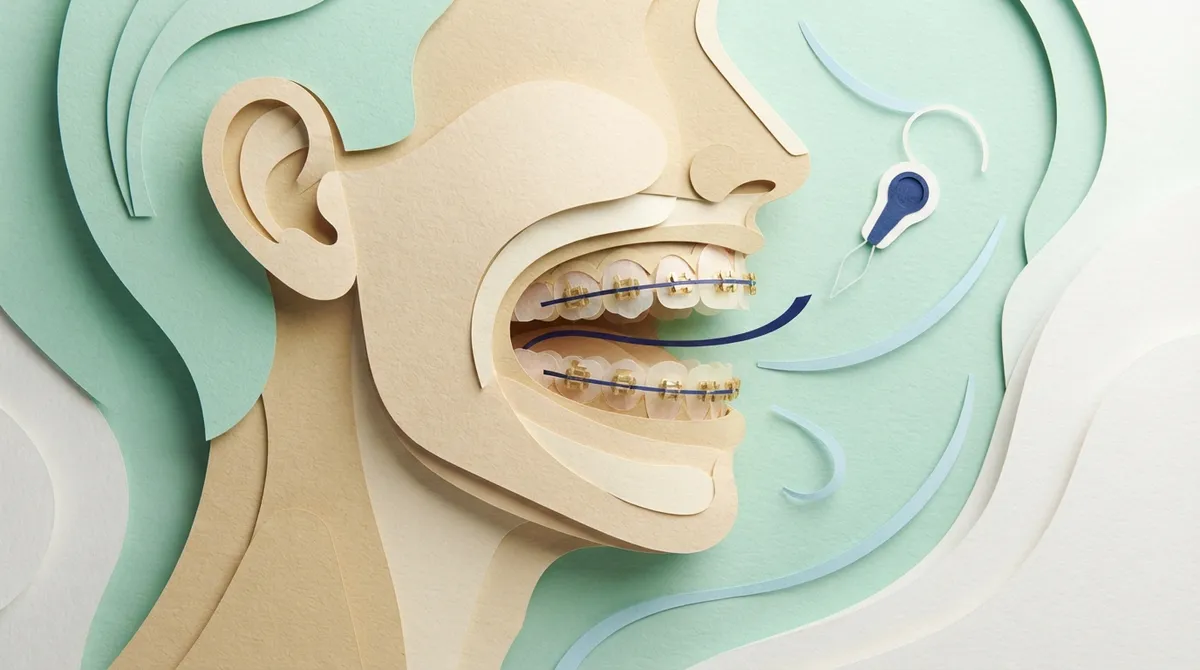
- Floss daily using a floss threader or water flosser to reach behind brackets
- Rinse with water or mouthwash if you can’t brush right away
- Use a small, angled toothbrush to reach tricky back-tooth spots
- Keep orthodontic wax handy for any irritation spots
- Schedule regular dental cleanings, at least every six months
- Attend all your orthodontic checkups so we can monitor your progress
Good hygiene habits protect your teeth and gums the whole time you’re in treatment. The American Dental Association recommends consistent brushing and flossing as a foundation for healthy teeth, especially important when you have braces of any kind.
7. Foods to Avoid and Comfort Tips
Just like traditional braces, lingual braces need some food precautions to avoid broken brackets or bent wires. Steer clear of these types of foods during treatment:
- Hard foods like nuts, ice, and hard candy
- Sticky foods such as caramel or taffy
- Chewy foods like bagels or tough meats
- Crunchy snacks like popcorn or chips
For the first few days after getting your braces or after an adjustment, stick to soft foods like yogurt, mashed potatoes, and soup. Most patients only need about three days of softer eating before things feel normal again.
Cost Considerations for Lingual Braces
Because lingual braces are custom-made for each patient, they often cost more than traditional braces. The lab work and precision placement take extra time and skill. That said, many patients feel the discreet results are worth the investment.
We always walk through your options and pricing clearly, with no surprises. Check out our financing and insurance options to see how we make treatment affordable for Clearwater families and individuals.
Lingual Braces vs Clear Aligners: Which Wins
This is one of the most common questions we hear! Both options offer discreet treatment, but they work differently. Lingual braces are fixed and can’t be removed, which means consistent, round-the-clock progress. Clear aligners are removable, offering more flexibility for eating and cleaning.
If you have complex bite issues, lingual braces might give your orthodontist more precise control. If convenience and comfort are top priorities, our Spark™ Clear Aligners might be the better fit. Either way, Dr. Brockway will help you choose the right path for your smile goals.
Why Choose Brockway Orthodontics for Lingual Braces in Clearwater
Dr. Brockway brings genuine care and years of training to every patient who walks through our doors. She takes time to listen to your goals and answer every question, so you always feel confident about your treatment plan.
Our Clearwater office uses modern technology, including digital impressions and 3D imaging, to plan your lingual braces treatment with precision. We also treat the whole family, from teens preparing for big milestones to adults wanting a professional, discreet smile transformation. Learn more about our approach on our services page or meet the team behind our care on the Meet Dr. Brockway page.
Curious what other patients say about their experience? You can visit us on Google — Brockway Orthodontics to read real reviews from our Clearwater community. We’re also proud members of the Florida Association of Orthodontists, staying current on best practices for patient care.
Ready to Start Your Discreet Smile Journey
Lingual braces offer a wonderful way to transform your smile without anyone knowing until you’re ready to reveal it. Whether you’re an adult professional, a teen with a big event coming up, or someone who simply wants privacy during treatment, this option deserves a serious look.
Our team at Brockway Orthodontics is here to guide you every step of the way, from your very first consultation to your final smile reveal. We’d love to answer your questions and help you figure out if lingual braces are right for you. Book your appointment online today and take the first step toward a smile you’ll love showing off. You can also follow our journey and see happy patient smiles on Instagram or connect with us on Facebook.
FAQs
Q: What are lingual braces and how do they work?
A: Lingual braces are brackets and wires placed on the back of your teeth, facing your tongue, so they’re hidden from view. They work just like traditional braces, gently guiding your teeth into place over time, just from a hidden angle!
Q: Do lingual braces hurt more than regular braces?
A: Lingual braces can feel a bit different at first since the brackets sit close to your tongue. Most patients notice some soreness or tongue irritation for the first week or two, but this typically fades quickly as your mouth adjusts.
Q: How much do lingual braces cost compared with traditional braces?
A: Because lingual braces are custom-made for each patient, they usually cost more than traditional braces. We’re happy to walk you through pricing and financing options so you can find a plan that fits your budget.
Q: How do you clean lingual braces properly?
A: Cleaning lingual braces takes a little extra care since brackets sit behind your teeth. We recommend brushing three times daily, flossing with a threader or water flosser, and keeping up with regular dental cleanings every six months.
Q: How long does treatment with lingual braces usually take?
A: Most patients wear lingual braces for about 12 to 24 months, though this depends on your specific case. Dr. Brockway will give you a personalized timeline based on your smile goals during your consultation.
Our Service Area