Key Takeaways
-
Early intervention for open bites, especially in children with thumb sucking or tongue thrusting habits, can stop damage before it worsens, guide jaw growth favorably, and reduce treatment complexity and cost later in life.
-
Open bites fall into three distinct categories—dental (tooth position), skeletal (jaw shape), or combination—and identifying which type you have is critical because it determines the appropriate treatment approach.
-
TADs (temporary anchorage devices) combined with braces can successfully treat even severe open bites in adults without surgery, offering a non-invasive alternative to jaw surgery for many patients.
-
Open bite cases have higher relapse rates than other orthodontic issues, so success requires addressing the root cause (habits, tongue posture, jaw growth), customized retention plans, and regular follow-up care.
-
Clear aligners like Spark can effectively treat mild to moderate open bites in teens and adults with a more discreet option than traditional braces, typically requiring 12-24 months of treatment.
-
Most open bite treatments take 12-36 months depending on severity and age, with children using habit-breaker appliances seeing results in 3-12 months, while severe skeletal cases in adults may require 24-36 months of surgery plus braces.
Ever notice your front teeth don’t quite touch when you bite down? Maybe you can slide a straw right between your top and bottom teeth even with your jaw closed tight. That’s called an open bite, and you’re definitely not alone in dealing with it. Here at Brockway Orthodontics in Clearwater, we see patients of every age walk through our doors with this exact concern, feeling a little worried and unsure of their options.
The good news? Open bite treatment has come a long way, and there are more solutions today than ever before. Whether you’re a parent noticing your child’s teeth don’t meet, a teen self-conscious about your smile, or an adult whose bite has shifted over time, this guide walks you through everything you need to know. We’ll cover causes, treatment options, timelines, and how to pick the right path for your smile. Let’s dig in!
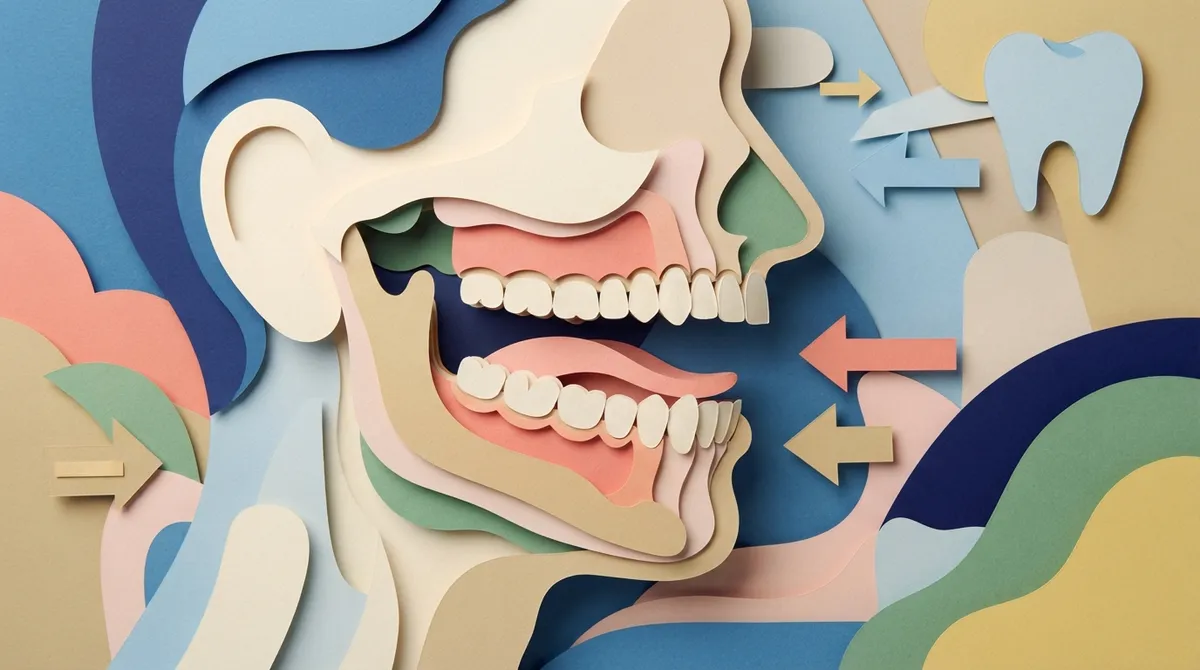
What Is an Open Bite, Exactly?
An open bite happens when your upper and lower teeth don’t meet when your jaws are closed. Usually this gap shows up in the front teeth, though it can sometimes affect the back teeth too. It’s one of several types of malocclusion, which is just a fancy word for a bite that doesn’t line up the way it should.
Some people have a small gap. Others have a noticeable space you can see even when they’re not talking or smiling. Either way, an open bite can affect more than just looks. It can make it harder to bite into food, cause speech issues, and even contribute to jaw discomfort over time.
Dental Open Bite vs. Skeletal Open Bite
Not all open bites are the same, and understanding the difference matters a lot for treatment planning.
- Dental open bite: This happens because of the position of the teeth themselves, often from habits like thumb sucking.
- Skeletal open bite: This is caused by the actual shape and growth pattern of the jaw bones, not just the teeth.
- Combination open bite: Sometimes both dental and skeletal factors are involved, which can make treatment a bit more complex.
During your first visit, our team will figure out exactly which type you’re dealing with using X-rays, photos, and a hands-on exam.
What Causes an Open Bite to Develop?
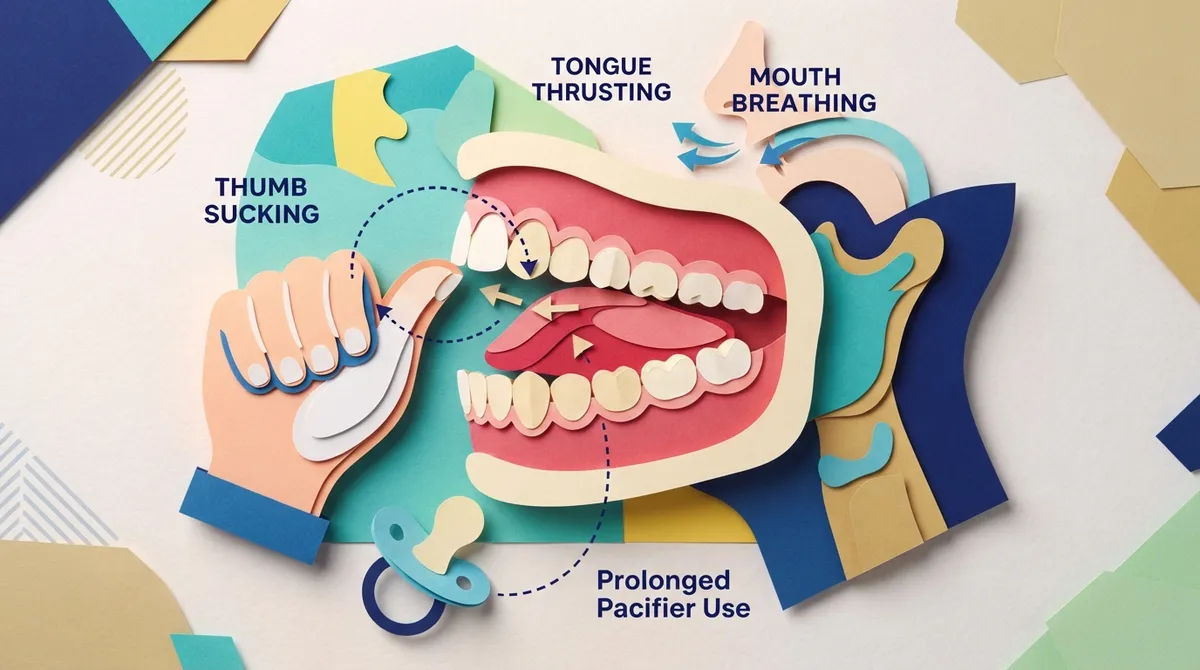
Open bites don’t just happen randomly. There are usually one or more specific reasons behind them. Knowing the cause helps us pick the best open bite treatment for you or your child.
- Thumb or finger sucking: Prolonged sucking habits in childhood can push teeth out of alignment.
- Tongue thrusting: Pushing the tongue against or between the teeth during swallowing or speech can slowly create a gap.
- Mouth breathing: Chronic mouth breathing, often from allergies or enlarged tonsils, can affect jaw and teeth development.
- Genetics and jaw growth: Some people simply inherit a jaw shape that leads to an open bite.
- Pacifier use beyond toddler years: Similar to thumb sucking, this can shift teeth over time.
The American Dental Association notes that early habits like these are some of the most common and preventable causes of bite problems in kids. Catching them early makes a real difference.
7 Open Bite Treatment Options We Offer
Here’s the part you’ve been waiting for. Below are seven proven ways to treat an open bite, ranked roughly from least to most involved. Your exact plan will depend on your age, the cause of your open bite, and how severe it is.
1. Habit-Breaking Appliances
For kids still working through thumb sucking or tongue thrusting, a simple appliance called a habit-breaker (sometimes called a tongue crib) can stop the behavior gently. This is often the very first step in early treatment for young children.
2. Traditional Braces
Braces remain one of the most reliable tools for closing an open bite. They allow precise control over tooth movement, especially when paired with elastics that pull the teeth into better alignment. Learn more about how braces work for correcting all sorts of bite issues, not just open bites.
3. Clear Aligners
For many teens and adults, clear aligners like Spark™ Clear Aligners can treat mild to moderate open bites without anyone even knowing you’re in treatment. These aligners are a more affordable option than some other clear aligner brands, and they work beautifully for patients who want a discreet path to a better bite.
4. Elastics (Rubber Bands)
Small elastic bands attached to braces or aligners apply gentle pressure to guide teeth into the right position. They’re often used alongside braces to close vertical gaps between the top and bottom teeth.
5. Temporary Anchorage Devices (TADs)
TADs are tiny, temporary miniscrews placed in the jaw to provide extra anchorage for tooth movement. Recent clinical case reports show that TADs combined with braces can successfully treat even severe open bites in adults without surgery, which is fantastic news for patients hoping to avoid more invasive options.
6. Headgear or Bite Blocks
For growing children with a skeletal open bite, headgear or bite blocks can help guide jaw growth in a healthier direction. These appliances work best when used early, while the jaw is still developing.
7. Orthognathic (Jaw) Surgery
In severe skeletal cases, especially in adults whose jaw growth is complete, surgery combined with orthodontic treatment is considered the gold standard. This approach repositions the jaw itself, not just the teeth, for a long-term fix. Surgery is typically reserved for the most significant cases after other options have been considered.
Comparing Open Bite Treatment Options
| Treatment | Best For | Typical Age | Estimated Timeline |
|---|---|---|---|
| Habit-breaking appliance | Kids with thumb sucking or tongue thrust | 4-10 years | 3-12 months |
| Traditional braces | Dental open bite, moderate cases | Any age | 18-30 months |
| Clear aligners | Mild to moderate open bite | Teens and adults | 12-24 months |
| Elastics with braces | Closing vertical gaps | Any age | Added to braces timeline |
| TADs (miniscrews) | Adult open bite, avoiding surgery | Adults | 12-24 months |
| Headgear/bite blocks | Growing children, skeletal cases | 7-12 years | 12-18 months |
| Jaw surgery + braces | Severe skeletal open bite in adults | 18+ (after jaw growth ends) | 24-36 months |
Is Early Treatment Really Better?
Parents often ask us whether it’s worth treating an open bite early, or if it’s fine to wait until all the adult teeth come in. Research generally supports early intervention, especially when a habit like thumb sucking is still active.
A 2016 systematic review found that early open bite treatment can work well, particularly when using no-compliance appliances that don’t rely on the child remembering to wear something. That said, the review also noted that more high-quality studies are still needed to fully understand long-term outcomes.
Here’s why early treatment often makes sense:
- It can stop a habit before it causes more damage.
- It may guide jaw growth in a favorable direction while the child is still growing.
- It can reduce the complexity (and cost) of treatment later in life.
- It gives kids a head start on adolescent treatment if more work is needed as they grow.
That said, adults are absolutely not out of luck. Many adult patients successfully treat open bites too, sometimes using adult treatment options like TADs paired with braces or aligners.
What About Relapse? Being Honest With You
We believe in being upfront with our patients, and here’s an important truth: open bite cases have a higher chance of relapse compared to some other orthodontic issues. A well-known 2013 review article on anterior open bite treatment found that relapse rates can be quite high, especially without proper follow-up care.
Here’s how we help reduce that risk:
- We identify and address the root cause, not just the visible gap.
- We create a customized retention plan using retainers tailored to your specific bite.
- We schedule regular check-ins to catch any shifting early.
- We coach patients on habits (like tongue posture) that support long-term stability.
A 2024 review also pointed out that evidence for some childhood interventions is still considered low-certainty, which is why we lean on our clinical experience alongside current research to build the smartest plan for each patient.
What to Expect at Your Consultation
Walking into an orthodontic office for the first time can feel a little intimidating, especially if you’ve never had braces before. Here’s what typically happens during your visit with us:
- A friendly conversation about your concerns and goals for your smile.
- Digital images and X-rays to see exactly what’s happening with your bite.
- A discussion of whether your open bite is dental, skeletal, or a mix of both.
- A personalized treatment plan with timeline and cost estimates.
- Answers to every question you have, no matter how small it seems.
We also equip you with financing and insurance guidance so you know exactly what to expect financially before you commit to anything.
Why Choose Brockway Orthodontics for Open Bite Treatment
Led by Dr. Brockway, our Clearwater practice focuses on more than just straightening teeth. We want you to feel truly heard and cared for throughout your entire journey. Dr. Brockway takes the time to explain your open bite, walk through every treatment option, and make sure you feel confident in your plan.
We use modern technology, including digital impressions and 3D imaging, so your treatment plan is as precise and comfortable as possible. And because we know life gets busy, we even offer same-day treatment options in certain cases so you can get started without multiple extra visits.
Curious what others say about their experience with us? Feel free to visit us on Google — Brockway Orthodontics and read real reviews from our Clearwater community. You can also check out our office page to see where we’re located and what your visit will feel like.
Tips While You’re in Open Bite Treatment
Whatever treatment path you choose, these tips can help things go smoothly:
- Wear your elastics or appliances exactly as instructed, even when it feels inconvenient.
- Keep up with regular checkups so we can track your progress closely.
- Practice good oral hygiene, since braces and aligners both require extra care.
- Be patient. Open bite correction often takes longer than some other orthodontic issues, but the results are worth it.
- Speak up if something feels off. Catching small issues early prevents bigger setbacks.
For more general guidance on getting the most from your care, check out our services page, which covers everything we offer for patients of all ages.
Ready to Start Your Open Bite Treatment Journey?
An open bite doesn’t have to be something you just live with. With the right diagnosis and a personalized plan, closing that gap is absolutely achievable, whether you’re 7 or 57. Our team at Brockway Orthodontics is here to guide you every step of the way, with warmth, honesty, and real expertise you can trust.
Ready to take the next step? Book your free consultation online today, or feel free to get in touch with our friendly Clearwater team if you have questions first. You deserve a smile that feels as good as it looks, and we can’t wait to help you get there. For additional resources on orthodontic health, the Florida Association of Orthodontists is also a great place to learn more.
FAQs
Q: What is open bite in orthodontics?
A: An open bite is when your upper and lower teeth don’t touch when your jaw is closed, leaving a visible gap. It’s most common in the front teeth but can happen in the back too. We see it often here at Brockway Orthodontics, and the good news is there are many ways to treat it!
Q: Can braces fix an open bite?
A: Yes, braces are one of the most effective tools for closing an open bite, especially when combined with elastics for extra pull. They give us precise control over how your teeth move into place. Many of our Clearwater patients see wonderful results with braces alone.
Q: Can Invisalign or clear aligners treat open bite?
A: Clear aligners, including our Spark™ Clear Aligners, can absolutely treat mild to moderate open bites. They’re a great discreet option for teens and adults who want to avoid metal brackets. We’ll let you know during your consultation if aligners are the right fit for your specific bite.
Q: When is jaw surgery needed for open bite?
A: Jaw surgery is usually reserved for severe skeletal open bites in adults whose jaw growth is already complete. It’s typically combined with braces before and after the procedure for the best results. We always explore every non-surgical option first before recommending this path.
Q: How long does open bite treatment usually take?
A: Most open bite treatments take somewhere between 12 and 36 months, depending on your age, the cause, and how severe your case is. Simple cases in kids might resolve faster, while adult skeletal cases can take longer. We’ll give you a personalized timeline estimate right at your first visit.
Our Service Area