Key Takeaways
-
Digital intraoral scanners replace uncomfortable impression molds with comfortable, mess-free 3D scanning that’s more accurate and faster, allowing treatment to start sooner with better results.
-
AI-powered treatment planning analyzes scans and X-rays to detect issues early, predict tooth movement, and create personalized treatment plans, resulting in faster and more efficient care.
-
3D printing technology creates custom orthodontic appliances like aligners and retainers in hours instead of weeks, with highly precise custom fits and significantly reduced error margins.
-
Remote monitoring tools track treatment progress between appointments using smartphone imaging, reducing required in-person visits while enabling early detection and quick intervention for any concerns.
-
High-frequency vibration (HFV) devices accelerate tooth movement by increasing bone remodeling, potentially shortening overall treatment time significantly for faster results.
-
Smart retainers with sensors monitor wear compliance and track how teeth respond to treatment, preventing relapse and providing early alerts to you and your orthodontist about any issues.
Modern orthodontic technology is changing smiles faster and more comfortably than ever before. From digital scanners to AI-powered treatment plans, today’s tools are truly remarkable. But here’s the thing — even with all this amazing innovation, patients still make common mistakes that slow down their progress or lead to disappointing results.
Whether you’re a parent exploring options for your child, a teen excited about straighter teeth, or an adult ready to invest in your smile, knowing what to avoid can save you time, money, and frustration. At Brockway Orthodontics, we see these missteps regularly — and we want to help you sidestep every single one. Let’s walk through the seven biggest orthodontic technology mistakes and how to avoid them for a smooth, successful treatment journey.
Mistake 1: Ignoring the Benefits of Digital Scanning
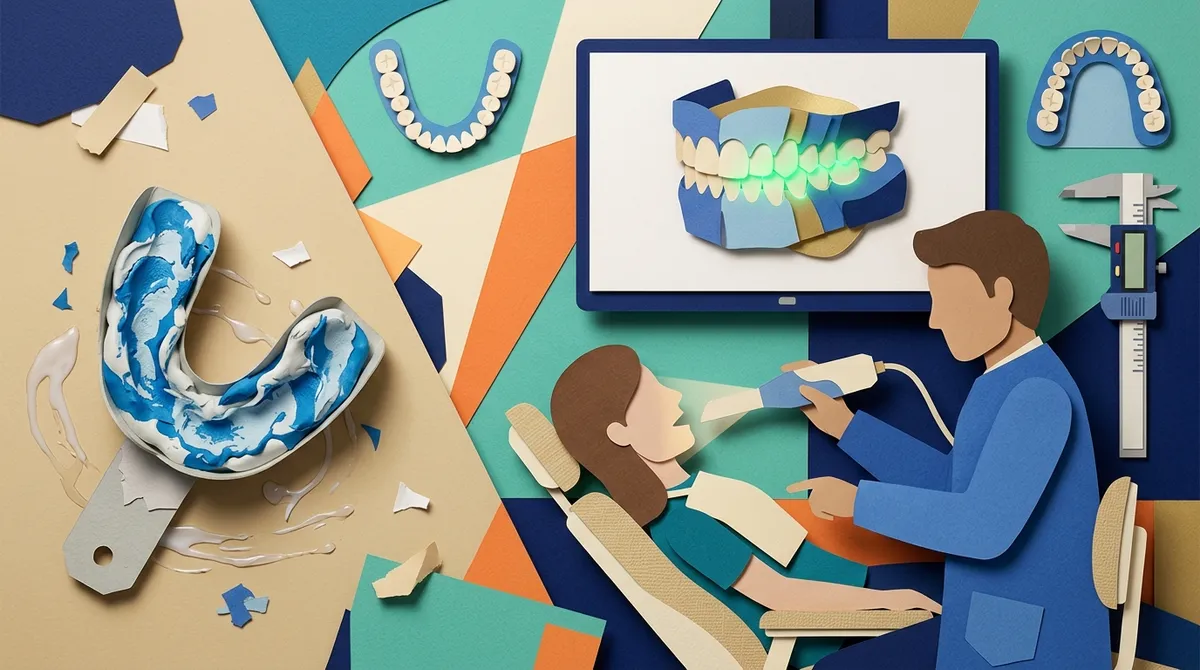
One of the biggest advancements in orthodontic technology is the digital intraoral scanner. Many patients still assume they’ll have to deal with the old-fashioned goopy impression molds. The truth? Those molds are largely a thing of the past.
Digital scanners create highly accurate 3D digital models of your teeth and oral structures in just minutes. They’re more comfortable, faster, and significantly more precise than traditional impressions. Dismissing or fearing this technology means you might opt for outdated alternatives that provide less accurate results.
What Digital Scanning Offers You
- A completely mess-free and comfortable experience
- Highly accurate 3D models that improve treatment planning
- Faster turnaround so treatment can start sooner
- Better communication between you and your orthodontist
- Digital records that are easy to access and share
When you visit for your first visit, ask about digital scanning. It makes a world of difference in your overall experience and treatment accuracy. The American Dental Association also recognizes digital imaging as a key step toward more precise dental and orthodontic care.
Mistake 2: Underestimating the Power of 3D Printing
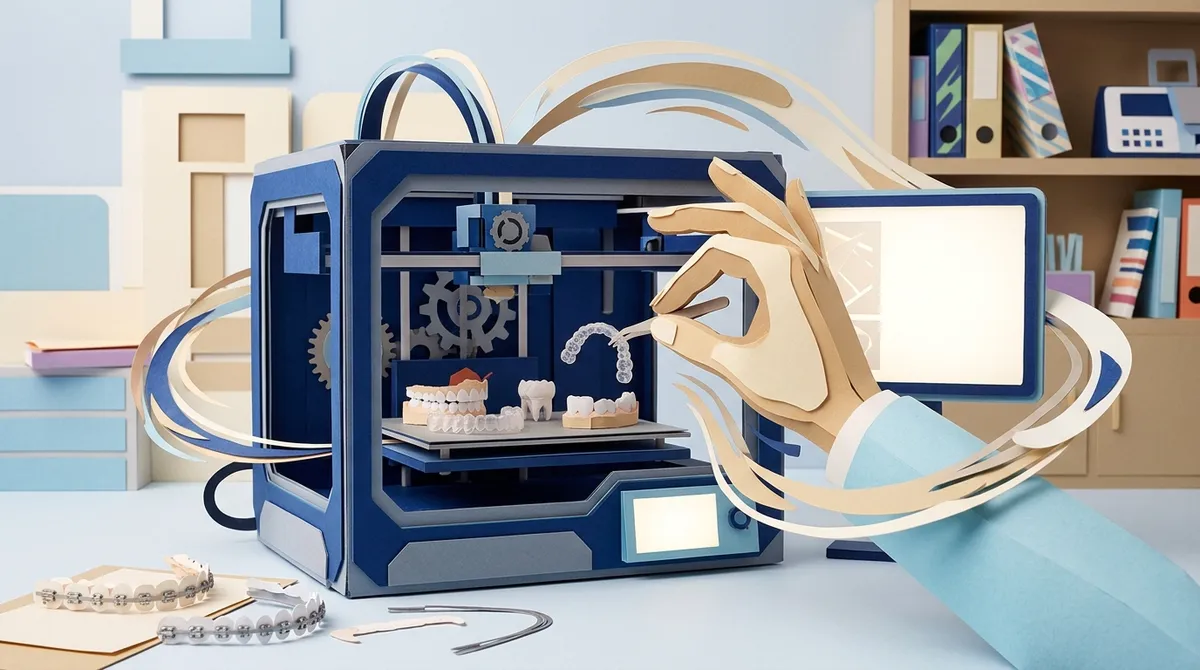
You’ve probably heard about 3D printing in other industries. But did you know it’s revolutionizing orthodontics too? Many patients don’t realize that their clear aligners, retainers, and even some brackets may be crafted using 3D printing technology.
This technology creates custom-made orthodontic appliances with remarkable precision. Even better, it cuts production time from weeks down to hours. Patients who overlook this advancement may not appreciate why their custom appliance fits so perfectly — or push for options that don’t utilize these modern manufacturing methods.
| Traditional Manufacturing | 3D Printing Technology |
|---|---|
| Weeks to produce appliances | Hours to produce appliances |
| Less customizable fit | Highly precise, custom fit |
| Higher margin for error | Significantly reduced error margin |
| Longer wait times to start treatment | Faster treatment initiation |
If you’re curious about Spark™ Clear Aligners or other appliance options, ask your orthodontist how 3D printing plays a role. It’s a major reason why today’s aligners fit better and work more efficiently than ever before.
Mistake 3: Dismissing AI-Powered Treatment Planning
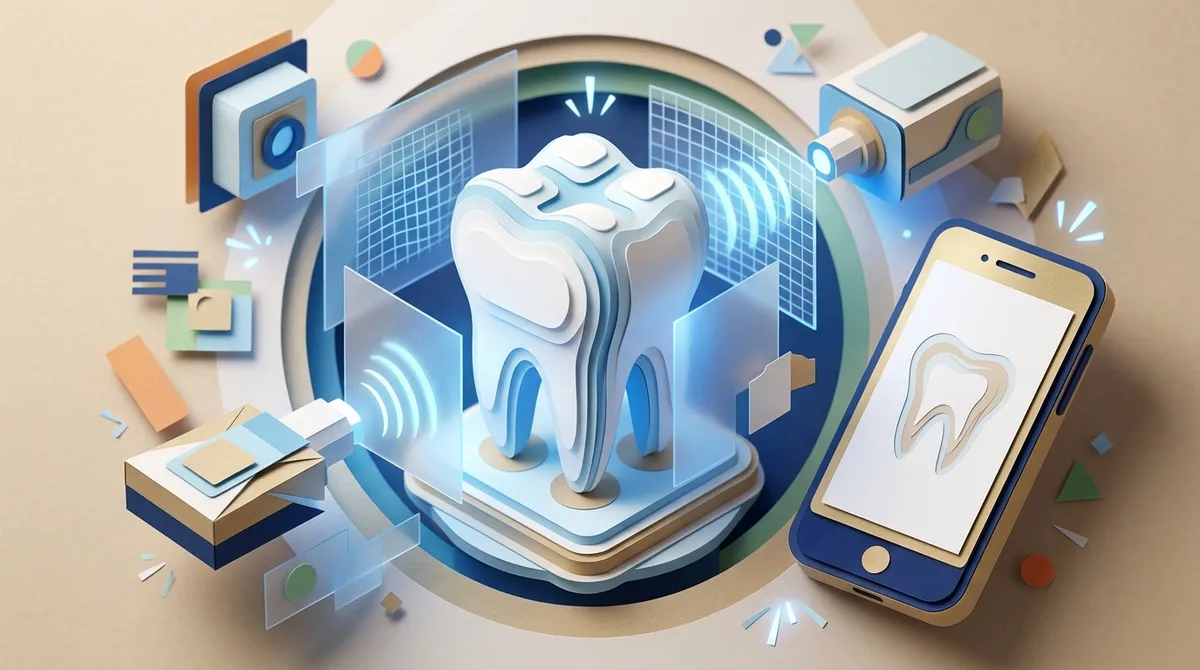
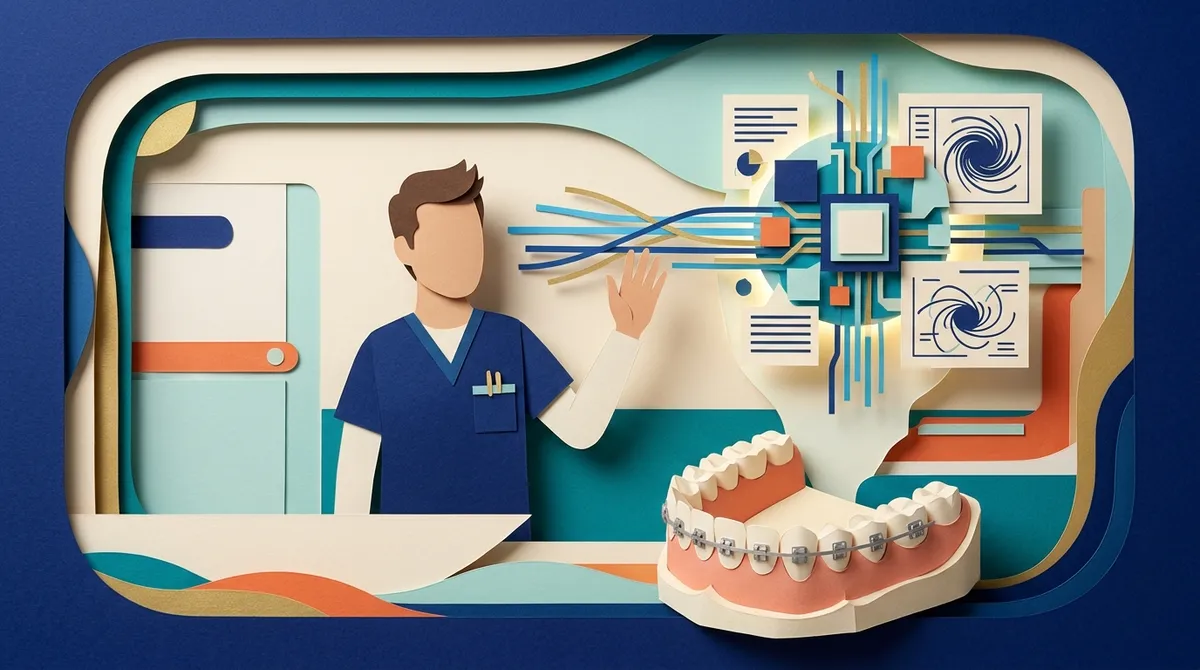
Artificial intelligence isn’t just for tech companies — it’s now a powerful tool in orthodontics. AI helps orthodontists analyze images, detect dental issues earlier, and create personalized treatment plans based on your unique data.
Some patients feel nervous about AI involvement in their care. But this technology doesn’t replace your orthodontist — it gives them better information to work with. Patients who dismiss AI-driven diagnostics may end up with less efficient treatment paths and longer overall treatment times.
What AI Does in Your Orthodontic Treatment
- Automated image analysis — AI reviews X-rays and scans for subtle issues humans might miss.
- Predictive outcome modeling — It forecasts how your teeth will move throughout treatment.
- Personalized plan creation — AI tailors your treatment path to your specific dental structure.
- Progress tracking — AI monitors your treatment milestones and flags concerns early.
The result? Faster, smarter, and more effective care. This is especially beneficial for adult orthodontic patients who want efficient treatment that fits their busy lives.
Mistake 4: Skipping Remote Monitoring Options
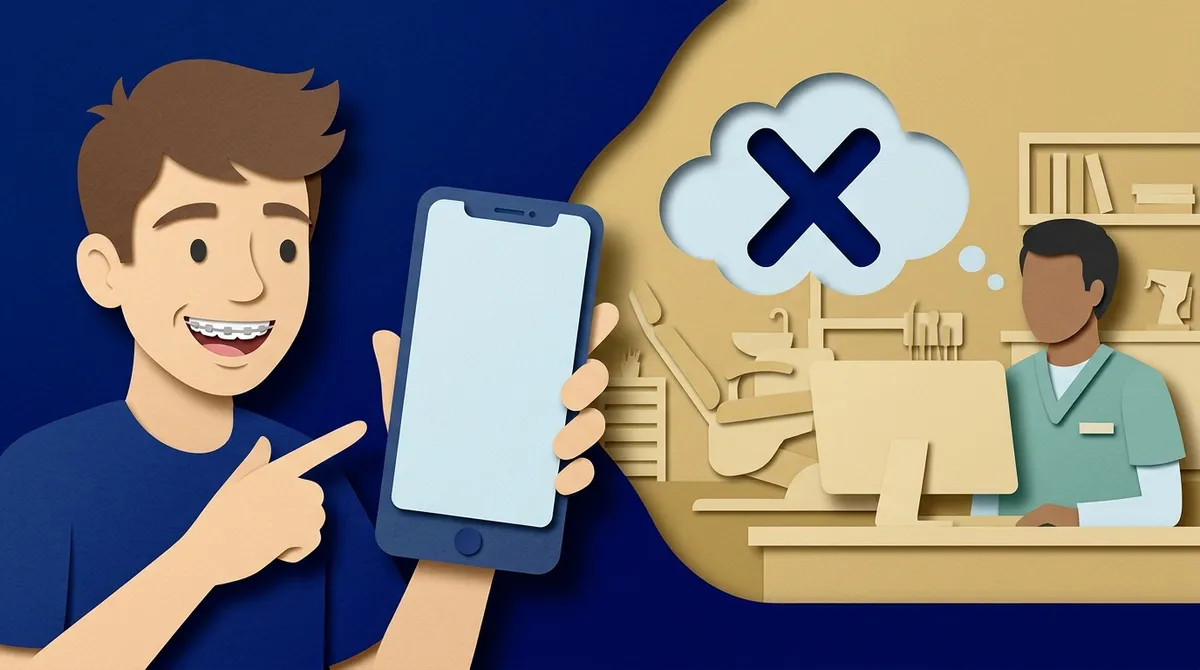
Life gets busy. Between work, school, and family commitments, making it to every orthodontic appointment can be a challenge. That’s exactly why remote monitoring technology exists — and ignoring it is a big mistake.
Remote monitoring tools let your orthodontist track your treatment progress between in-person visits using smartphone imaging and AI analysis. This means fewer required visits while still keeping your treatment on track. Parents managing adolescent orthodontic treatment will especially appreciate this convenience.
| Feature | Without Remote Monitoring | With Remote Monitoring |
|---|---|---|
| Visit frequency | More frequent in-person visits | Fewer required visits |
| Issue detection | Only at scheduled appointments | Continuous between visits |
| Patient convenience | Lower — more scheduling required | Higher — flexible monitoring |
| Response time to concerns | Wait until next appointment | Quick, timely interventions |
Ask your orthodontist whether remote monitoring is available for your treatment type. It’s a smart way to stay connected to your care without constantly rearranging your schedule. You can also schedule your free consultation online to learn about all the monitoring options available to you.
Mistake 5: Not Asking About Accelerated Treatment Options
Nobody wants to wear braces or aligners longer than necessary. Yet many patients never ask about technologies designed to speed up tooth movement. That’s a missed opportunity.
High-frequency vibration (HFV) devices are one exciting advancement in this area. These devices work by increasing the rate of bone remodeling, which allows teeth to move more efficiently. The result can be a noticeably shorter overall treatment time. This is great news for teens heading toward graduation and adults who want faster results.
Questions to Ask About Accelerated Treatment
- Am I a good candidate for high-frequency vibration therapy?
- How much time could this realistically save in my treatment?
- What does the device look like and how often do I use it?
- Does this technology work with my specific type of braces or aligners?
Whether you’re exploring traditional braces or clear aligners, asking about speed-enhancing options is always worthwhile. The Florida Association of Orthodontists encourages patients to stay informed about emerging technologies that can benefit their care.
Mistake 6: Forgetting About Smart Retainer and Appliance Technology
Here’s a mistake many patients make after they finish active orthodontic treatment: they overlook smart retainer and appliance technology. Treatment doesn’t end when the braces come off. Retention is a critical phase — and new technology is making it better than ever.
Smart orthodontic devices equipped with sensors can now monitor how consistently you’re wearing your retainer and how your teeth are responding. This is especially important for retainer compliance — one of the biggest factors in preventing orthodontic relapse. If you’ve experienced relapse before, this technology could be a game-changer for you.
- Smart retainers track wear time and compliance data
- Sensors alert you and your orthodontist to issues early
- Digital records keep your retention history organized
- Timely interventions prevent full relapse from occurring
- Peace of mind knowing your smile is being actively monitored
If you’ve had previous orthodontic treatment and are worried about relapse, explore what modern retention technology can offer. You can read more about the best options for straightening your teeth and protecting your results long-term.
Mistake 7: Choosing a Provider Who Doesn’t Use Modern Technology
This might be the biggest mistake of all. Not every orthodontic practice invests in the latest tools and innovations. Choosing a provider who relies on outdated methods means you’re missing out on the comfort, accuracy, and efficiency that modern orthodontic technology provides.
When evaluating an orthodontist, ask specifically about the technology they use. A modern practice should be able to speak confidently about their digital scanning equipment, their approach to treatment planning, and any AI or remote monitoring tools they offer. This is your smile — you deserve the best possible care.
What to Look for in a Tech-Forward Orthodontic Practice
- Use of digital intraoral scanners (no messy molds)
- AI-assisted treatment planning and diagnostics
- 3D printing capabilities for custom appliances
- Remote monitoring options for between-visit tracking
- Access to accelerated treatment technologies
- Smart retainer or appliance monitoring for the retention phase
| Technology | Patient Benefit | Why It Matters |
|---|---|---|
| Digital Intraoral Scanning | Comfort and accuracy | Replaces messy impression molds |
| 3D Printing | Faster, better-fitting appliances | Hours vs. weeks for production |
| AI Treatment Planning | Personalized, efficient care | Smarter, faster treatment paths |
| Remote Monitoring | Fewer in-person visits | Continuous care between appointments |
| HFV Devices | Potentially shorter treatment | Accelerates bone remodeling |
| Smart Retainers | Better retention compliance | Prevents relapse after treatment |
At Brockway Orthodontics, Dr. Brockway is committed to staying at the forefront of orthodontic innovation. Whether you’re looking into clear aligners in Clearwater, FL or exploring options for early orthodontic treatment for your child, you’ll find a warm, welcoming team that uses cutting-edge tools to deliver outstanding results. You can also visit us on Google to see what our patients are saying about their experience.
Want to learn even more about what to expect? Follow us on Instagram for tips, patient stories, and behind-the-scenes looks at how we use modern orthodontic technology every day.
Your Smile Deserves the Best Technology Available
Modern orthodontic technology is here to make your treatment faster, more comfortable, and more effective than ever before. But only if you take advantage of it. Avoiding the mistakes outlined above puts you in the driver’s seat of your own smile journey.
From choosing a tech-forward practice to asking the right questions about AI, 3D printing, and remote monitoring, every decision you make impacts your final results. You deserve a smooth, efficient, and enjoyable orthodontic experience — and with the right technology and the right provider, that’s absolutely within reach.
Ready to experience the difference that advanced orthodontic care can make? Book your free consultation online with Dr. Brockway today and take the first step toward the smile you’ve always wanted. We can’t wait to meet you!
FAQs
Q: What is orthodontic technology and why does it matter for my treatment?
A: Orthodontic technology includes digital scanners, AI treatment planning, 3D printing, and remote monitoring tools that make your treatment more accurate, comfortable, and efficient. These innovations help your orthodontist create a truly personalized plan that gets you to your best smile faster — and with a lot less hassle along the way!
Q: How do digital intraoral scanners improve the orthodontic experience?
A: Digital intraoral scanners replace the old-fashioned impression molds with a quick, comfortable, and mess-free process. They create highly accurate 3D models of your teeth in minutes, which helps your orthodontist plan your treatment with greater precision and get started faster — no more gagging on goop!
Q: Can AI really help with my orthodontic treatment plan?
A: Absolutely! AI assists your orthodontist by analyzing scans and X-rays, detecting issues early, predicting how your teeth will move, and helping craft a treatment plan tailored specifically to you. Think of it as a super-smart assistant that helps your orthodontist give you the most efficient care possible.
Q: What is remote monitoring and how does it work during orthodontic treatment?
A: Remote monitoring lets your orthodontist track your progress between visits using smartphone photos and AI analysis, so they can catch any concerns early and intervene quickly. It’s a great option for busy families and adults who want to stay on top of their treatment without constant in-office appointments.
Q: How do I know if my orthodontist is using up-to-date technology?
A: Ask directly! A modern orthodontic practice should confidently explain the tools they use, including digital scanning, AI-assisted planning, 3D printing, and remote monitoring options. If they can’t answer these questions clearly, it might be time to look for a provider who stays current with the latest in orthodontic care.