If you’re considering orthodontic treatment to straighten your teeth, you’ve likely heard of Invisalign. While Invisalign has become a household name in clear aligner therapy, it’s far from your only option. The orthodontic landscape has evolved significantly, offering a diverse range of effective alternatives that cater to different budgets, treatment preferences, and lifestyle needs. Understanding these options empowers you to make an informed decision about your oral health journey.
Whether you’re concerned about cost, treatment duration, effectiveness, or aesthetics, there’s likely an Invisalign alternative that perfectly suits your unique situation. From competing clear aligner systems to advanced braces technology, today’s orthodontic solutions deliver exceptional results while accommodating various patient preferences. This comprehensive guide explores the most effective alternatives available, helping you discover the ideal path to your confident, beautiful smile.
Understanding Your Orthodontic Treatment Options
Before diving into specific Invisalign alternatives, it’s essential to understand what makes an orthodontic treatment effective. The best solution for you depends on several factors including the complexity of your case, your budget, lifestyle considerations, and personal preferences regarding appearance during treatment.
The American Dental Association recognizes multiple orthodontic approaches as safe and effective for correcting misaligned teeth, bite issues, and jaw positioning problems. While Invisalign pioneered the clear aligner revolution, today’s market offers numerous comparable and sometimes superior alternatives. Each option comes with distinct advantages, and understanding these differences helps you select the treatment that aligns best with your goals.
Modern orthodontics has moved beyond the one-size-fits-all approach. Today’s practitioners, including the experienced team at Brockway Orthodontics, customize treatment plans based on comprehensive diagnostics and individual patient needs. This personalized approach ensures optimal results regardless of which system you choose.
Spark Clear Aligners: A Premium Alternative
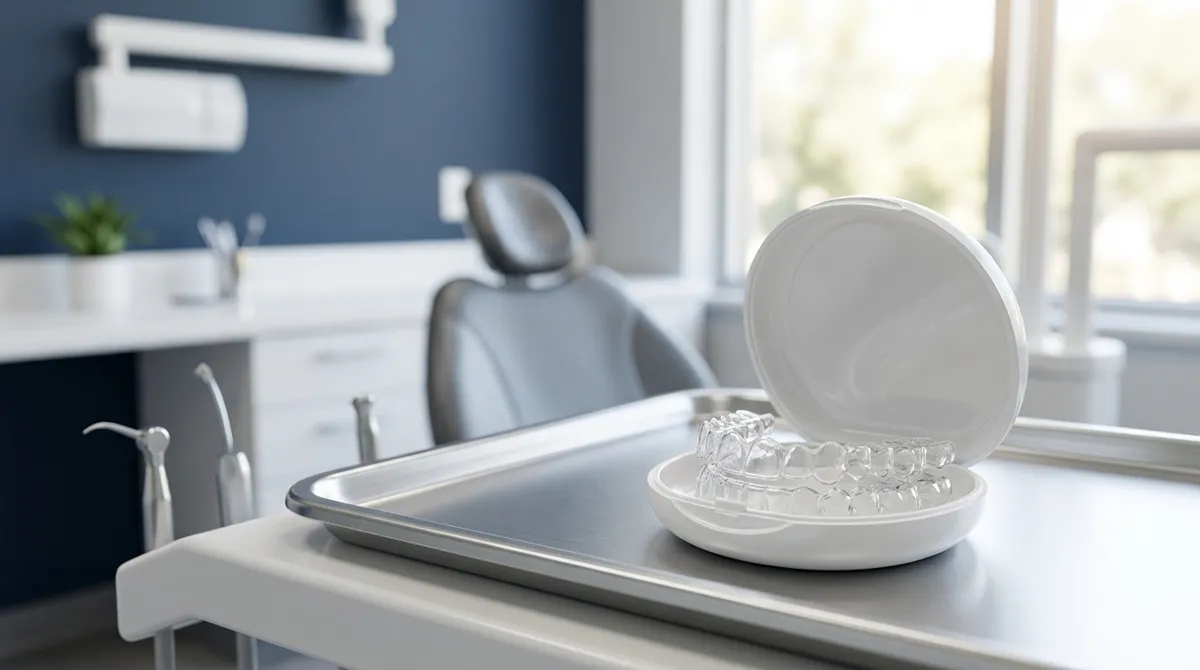
Spark Clear Aligners have emerged as one of the most compelling Invisalign alternatives, offering several technological advantages that set them apart in the clear aligner market. Manufactured by Ormco, a company with decades of orthodontic expertise, Spark aligners utilize advanced TruGEN material that provides superior clarity, stain resistance, and comfort compared to many competing products.
One of Spark’s most significant advantages is its enhanced transparency. The proprietary material maintains its crystal-clear appearance throughout treatment, resisting the yellowing and discoloration that can affect other clear aligners. This means your aligners remain virtually invisible from start to finish, providing consistent aesthetic benefits that many patients find superior to traditional Invisalign trays.
Spark aligners also deliver more efficient tooth movement through optimized force application. The material’s elasticity allows for better control over tooth positioning, potentially reducing treatment time while improving precision. Many orthodontists report excellent clinical outcomes with Spark, particularly for moderate to complex cases that require precise rotational control and root movement.
|
Feature |
Spark Clear Aligners |
Invisalign |
|---|---|---|
|
Material Clarity |
TruGEN (superior stain resistance) |
SmartTrack (good clarity) |
|
Comfort Level |
Smooth edges, less irritation |
Comfortable fit |
|
Treatment Precision |
Excellent rotational control |
Excellent overall control |
|
Average Cost |
$3,000-$6,500 |
$3,000-$8,000 |
|
Stain Resistance |
Highest rated |
Good |
Patients choosing Spark Clear Aligners at Brockway Orthodontics benefit from personalized treatment planning combined with this advanced technology. The system works seamlessly with digital treatment planning software, allowing your orthodontist to map your entire treatment journey before you even begin wearing aligners.
Traditional Metal Braces: The Time-Tested Solution
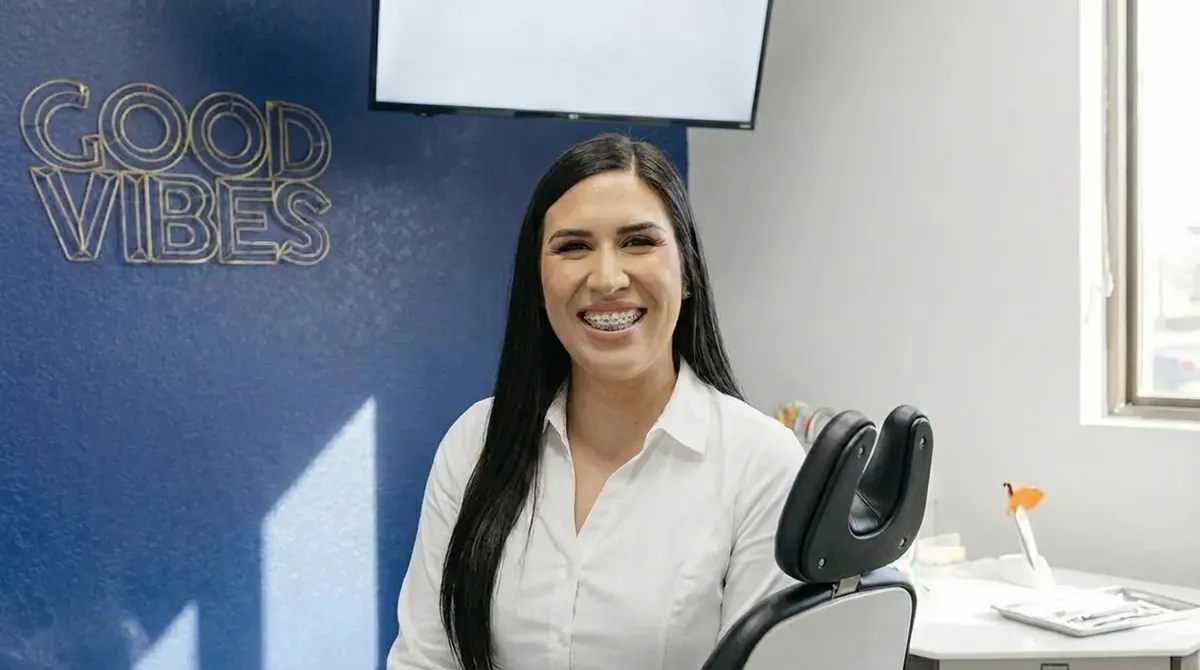
While clear aligners dominate modern orthodontic marketing, traditional metal braces remain one of the most effective and versatile Invisalign alternatives available. Today’s metal braces bear little resemblance to the bulky, uncomfortable appliances of decades past. Modern iterations feature smaller, smoother brackets and more efficient wires that deliver faster results with greater comfort.
Metal braces offer unmatched versatility in treating complex orthodontic issues. They excel at correcting severe crowding, significant bite problems, large gaps, and cases requiring substantial tooth rotation or vertical movement. For patients with challenging orthodontic needs, metal braces often provide the most predictable and comprehensive solution, sometimes achieving results that clear aligners simply cannot match.
The cost-effectiveness of metal braces makes them accessible to more patients. Typically ranging from $3,000 to $7,000, they often represent the most budget-friendly comprehensive orthodontic treatment option. This affordability doesn’t compromise results—metal braces consistently deliver excellent outcomes when managed by a skilled orthodontist.
Advantages of Traditional Braces
-
Effective for all orthodontic cases, including the most complex
-
No compliance issues—they work 24/7 without patient intervention
-
Generally more affordable than clear aligner systems
-
Faster treatment for severe misalignment cases
-
No risk of losing or misplacing appliances
-
Customizable with colored bands for personal expression
The Florida Association of Orthodontists recognizes traditional braces as the gold standard for comprehensive orthodontic treatment. Their continuous force application ensures constant tooth movement, eliminating the compliance concerns associated with removable aligners. For younger patients or those who might struggle with wearing aligners 22 hours daily, braces remove the responsibility of treatment success from the patient’s hands.
Learn more about modern braces technology and options at Brockway Orthodontics’ comprehensive braces guide, where you’ll discover how today’s systems have evolved to offer greater comfort and efficiency than ever before.
Ceramic Braces: Aesthetic and Effective
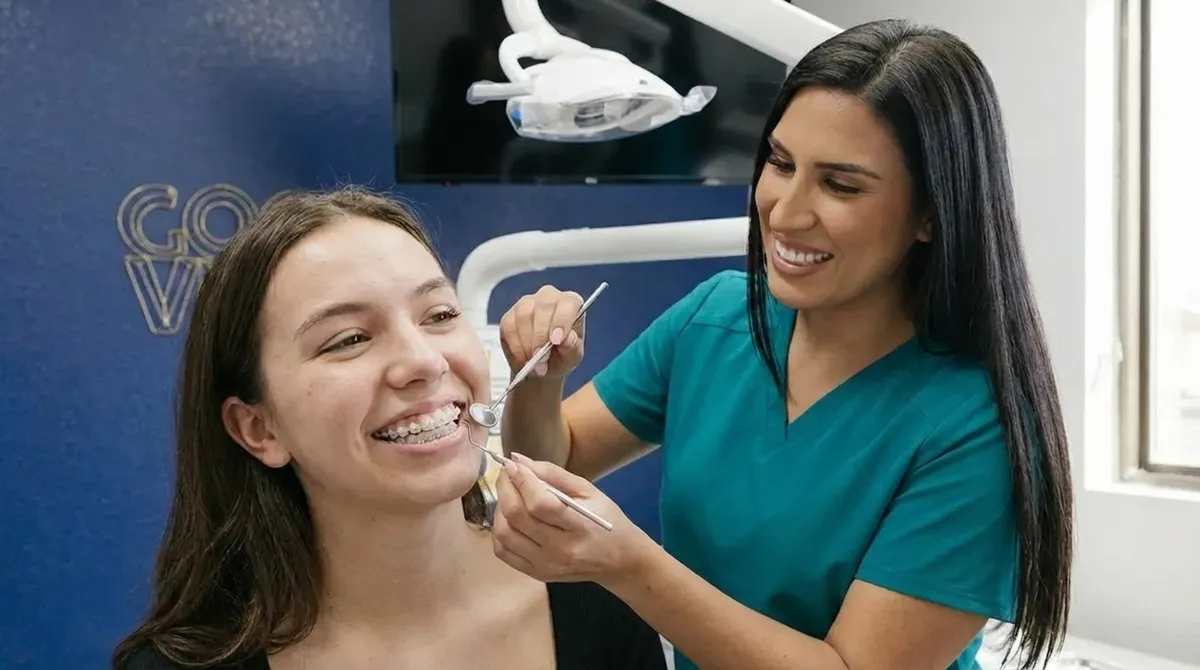
Ceramic braces provide an excellent middle ground between the effectiveness of traditional metal braces and the aesthetic appeal of clear aligners. These appliances use tooth-colored or clear brackets that blend naturally with your teeth, making them significantly less noticeable than metal braces while delivering comparable clinical results.
The brackets used in ceramic braces systems are made from advanced ceramic materials that resist staining and maintain their appearance throughout treatment. When paired with white or clear wires, ceramic braces become remarkably discreet, offering adults and image-conscious teens an aesthetic solution without sacrificing the comprehensive treatment capabilities of traditional braces.
Ceramic braces typically cost between $4,000 and $8,000, positioning them in a similar price range to Invisalign but with different aesthetic and functional characteristics. They work particularly well for patients who need the treatment power of braces but prefer a less visible option during their orthodontic journey.
Key Considerations for Ceramic Braces
-
Durability: While modern ceramic brackets are strong, they’re slightly more fragile than metal brackets and require careful maintenance
-
Treatment Duration: Similar to metal braces, typically 18-36 months depending on case complexity
-
Oral Hygiene: Requires diligent cleaning as ceramic brackets can be larger than metal alternatives
-
Cost Factor: More expensive than metal braces but often comparable to clear aligner systems
Lingual Braces: The Invisible Fixed Option
For patients seeking the effectiveness of traditional braces with complete invisibility, lingual braces represent an innovative Invisalign alternative. These custom-made brackets attach to the back (tongue-side) of your teeth, making them completely invisible to others while delivering the comprehensive treatment capabilities of conventional braces.
Lingual braces use the same mechanical principles as traditional braces but require specialized training and expertise to place and adjust properly. The customization process involves creating precise brackets for each individual tooth, ensuring optimal fit and treatment efficiency. This personalized approach allows orthodontists to address complex cases while maintaining complete aesthetic discretion.
The investment for lingual braces typically ranges from $8,000 to $13,000, making them the most expensive option among Invisalign alternatives. This premium pricing reflects the custom manufacturing process, specialized expertise required, and extended chair time needed for adjustments. Despite the higher cost, many professionals and adults choose lingual braces when complete invisibility during treatment is paramount.
|
Aspect |
Lingual Braces |
Traditional Braces |
Clear Aligners |
|---|---|---|---|
|
Visibility |
Completely invisible |
Highly visible |
Nearly invisible |
|
Treatment Power |
Excellent for complex cases |
Excellent for complex cases |
Good for mild-moderate cases |
|
Speech Impact |
Temporary adjustment period |
Minimal impact |
Minimal impact |
|
Oral Hygiene |
Challenging to clean |
Moderate difficulty |
Easy (removable) |
|
Cost Range |
$8,000-$13,000 |
$3,000-$7,000 |
$3,000-$8,000 |
Direct-to-Consumer Clear Aligners: Understanding the Risks
The orthodontic market has seen an explosion of direct-to-consumer (DTC) clear aligner companies offering treatment without in-person orthodontic supervision. While these options may seem attractive due to lower price points, they come with significant risks that prospective patients should carefully consider before committing to treatment.
DTC aligner companies typically work through impression kits sent to your home or scans taken at partner locations. Treatment planning happens remotely, without comprehensive diagnostic imaging like X-rays that reveal crucial information about root position, bone health, and jaw relationship. This limited diagnostic approach can lead to inappropriate treatment plans or missed underlying dental issues that require attention before or during orthodontic treatment.
The lack of in-person monitoring presents another concern. Orthodontic treatment involves more than just moving teeth—it requires ongoing assessment of tooth movement patterns, bite changes, gum health, and overall treatment progress. Without regular professional oversight, problems can develop undetected, potentially leading to poor outcomes, prolonged treatment, or even damage to teeth and supporting structures.
Why Professional Orthodontic Care Matters
-
Comprehensive diagnostic imaging identifies underlying issues before treatment begins
-
Regular progress monitoring allows for timely adjustments and intervention
-
Professional expertise ensures appropriate treatment planning for your specific case
-
In-person care addresses emergencies and complications promptly
-
Established patient-doctor relationship provides accountability and support
While DTC aligners may cost less initially, complications arising from inadequate supervision often result in additional expenses and extended treatment time. Many orthodontists report seeing patients who require corrective treatment after unsuccessful DTC aligner experiences, ultimately spending more time and money than if they had chosen professionally supervised care from the start.
Cost Comparison and Financing Options
Understanding the financial investment required for various Invisalign alternatives helps you make an informed decision that fits your budget. Orthodontic treatment represents a significant investment in your health and confidence, and most practices offer flexible payment options to make treatment accessible.
Treatment costs vary based on several factors including case complexity, treatment duration, geographic location, and the specific orthodontic system chosen. Simple cases requiring minor tooth movement naturally cost less than comprehensive treatments addressing severe misalignment or bite issues. Your orthodontist will provide a detailed cost estimate after examining your specific situation.
|
Treatment Type |
Cost Range |
Typical Duration |
Best For |
|---|---|---|---|
|
Metal Braces |
$3,000-$7,000 |
18-36 months |
All cases, budget-conscious |
|
Ceramic Braces |
$4,000-$8,000 |
18-36 months |
Aesthetic preference, complex cases |
|
Spark Clear Aligners |
$3,000-$6,500 |
12-24 months |
Mild-moderate cases, lifestyle flexibility |
|
Lingual Braces |
$8,000-$13,000 |
18-36 months |
Complete invisibility, complex cases |
|
DTC Aligners |
$1,800-$2,500 |
6-12 months |
Very minor cases (higher risk) |
Many orthodontic practices, including Brockway Orthodontics, offer in-house financing plans with flexible payment schedules that make treatment affordable for more families. These plans often feature low or no interest options, allowing you to spread the investment over your treatment duration. Additionally, many dental insurance plans provide orthodontic benefits that can significantly reduce your out-of-pocket expenses.
Factors to Consider When Choosing an Alternative
Selecting the right Invisalign alternative requires evaluating multiple factors beyond cost alone. Your lifestyle, treatment goals, case complexity, and personal preferences all play important roles in determining which option will deliver the best experience and results for your unique situation.
Case complexity stands as perhaps the most critical consideration. While clear aligners work wonderfully for mild to moderate orthodontic issues, more severe cases involving significant bite corrections, substantial tooth rotation, or vertical movement often achieve better results with braces. An experienced orthodontist can assess your specific needs and recommend the most effective treatment approach.
Lifestyle factors significantly influence treatment success and satisfaction. If you frequently give presentations, perform, or work in image-conscious professions, aesthetic considerations may prioritize clear aligners or lingual braces. Conversely, if you struggle with self-discipline or know you might forget to wear removable aligners consistently, fixed braces eliminate compliance concerns entirely.
Important Decision Factors
-
Treatment Complexity: Assess the severity of your orthodontic issues and which systems can effectively address them
-
Aesthetic Preferences: Determine how important treatment invisibility is in your daily life
-
Lifestyle Compatibility: Consider which option best fits your routine, activities, and responsibilities
-
Budget Constraints: Evaluate total investment and available financing options
-
Treatment Duration: Understand timeline expectations and how they impact your decision
-
Maintenance Requirements: Consider the cleaning, care, and appointment commitments each option requires
Your orthodontist serves as your most valuable resource in this decision-making process. Professional evaluation combined with advanced diagnostic imaging provides the foundation for informed treatment planning. Rather than self-diagnosing or choosing based solely on marketing claims, invest time in a comprehensive consultation where all options can be properly assessed.
The Importance of Choosing the Right Orthodontist
Regardless of which Invisalign alternative you select, the expertise and experience of your orthodontist significantly impacts your treatment outcome. Orthodontics is both science and art—the same system in different hands can produce vastly different results. Choosing a qualified, experienced orthodontist ensures your treatment is planned meticulously and monitored carefully throughout the process.
Look for orthodontists who maintain active professional memberships, pursue continuing education, and demonstrate experience with multiple treatment systems. This versatility indicates they recommend solutions based on clinical needs rather than limiting patients to a single system they’ve invested in marketing. A truly patient-centered practice presents all appropriate options and helps you understand the advantages and limitations of each.
Technology and treatment approaches evolve constantly in orthodontics. Practices that invest in digital scanning, advanced imaging, and modern treatment planning software often deliver more precise, efficient treatment. These technological advantages translate to better fitting appliances, more accurate treatment predictions, and often shorter overall treatment times.
The patient experience extends beyond clinical excellence. Consider factors like office location, appointment availability, emergency care protocols, and communication style. Orthodontic treatment spans months or years, so choosing a practice where you feel comfortable, respected, and well-informed makes the journey more pleasant and ensures you stay engaged throughout the process. You can check out reviews and learn more about Brockway Orthodontics on Google to see what current patients say about their experience.
Post-Treatment Retention: A Critical Component
Regardless of which orthodontic treatment you choose, retention represents the final and arguably most important phase of your orthodontic journey. Teeth have a natural tendency to shift back toward their original positions after treatment—a phenomenon called relapse. Proper retention prevents this movement and protects your investment in a beautiful, straight smile.
Retention typically involves wearing retainers as prescribed by your orthodontist. Various retainer types exist, including removable clear retainers similar in appearance to clear aligners, traditional wire and acrylic retainers, and fixed retainers bonded to the back of teeth. Your orthodontist will recommend the most appropriate retention strategy based on your treatment type and individual needs.
The retention phase usually begins with full-time retainer wear (except during eating and brushing) for several months, then transitions to nighttime-only wear indefinitely. While this might seem burdensome, the minimal effort required to wear retainers at night pales in comparison to the time, cost, and effort invested in orthodontic treatment. Consistent retainer use ensures your teeth remain in their new, ideal positions for life.
Making Your Decision with Confidence
Exploring Invisalign alternatives opens a world of possibilities for achieving the smile you’ve always wanted. Whether you choose Spark Clear Aligners for their superior clarity and comfort, traditional braces for their comprehensive treatment capabilities, ceramic braces for aesthetic appeal with treatment power, or lingual braces for complete invisibility, the right option exists for your unique needs and preferences.
The decision ultimately comes down to finding the optimal balance between effectiveness, aesthetics, lifestyle compatibility, and budget. Rather than defaulting to the most heavily marketed option, take time to explore alternatives, ask questions, and understand how each system works. An informed patient makes better decisions and experiences greater satisfaction throughout the treatment process.
Remember that the orthodontic system represents just one component of successful treatment. The expertise of your orthodontist, the comprehensiveness of your diagnostic evaluation, the quality of your treatment plan, and your commitment to following instructions all contribute significantly to your final results. Choose a qualified professional who offers multiple treatment options and demonstrates genuine interest in helping you achieve your specific goals.
Your journey to a confident, beautiful smile starts with a single step—scheduling a comprehensive orthodontic consultation. During this appointment, you’ll receive a thorough examination, discuss your concerns and goals, and learn which treatments can effectively address your specific needs. Schedule your complimentary consultation with Brockway Orthodontics today and discover which orthodontic solution will transform your smile while fitting seamlessly into your life and budget. Connect with us on Facebook to see real patient transformations and stay updated on the latest orthodontic innovations.
FAQs
Q: What is the most affordable Invisalign alternative?
A: Traditional metal braces typically represent the most affordable comprehensive orthodontic treatment, ranging from $3,000 to $7,000. They offer excellent results for all case types and often cost less than clear aligner systems. Many orthodontic practices also provide flexible financing options that make any treatment more accessible to your budget.
Q: Are Spark Clear Aligners better than Invisalign?
A: Spark Clear Aligners offer several advantages including superior stain resistance, enhanced clarity that lasts throughout treatment, and excellent rotational control for tooth movement. Many orthodontists report comparable or better clinical outcomes with Spark, particularly for cases requiring precise tooth positioning. The best choice depends on your specific orthodontic needs and your orthodontist’s recommendation.
Q: How long does treatment take with Invisalign alternatives?
A: Treatment duration varies by case complexity and the system chosen. Clear aligners like Spark typically require 12-24 months for mild to moderate cases. Traditional and ceramic braces usually take 18-36 months, depending on the severity of misalignment. Your orthodontist will provide a personalized timeline estimate after evaluating your specific situation during your consultation.
Q: Can I switch from Invisalign to another treatment option?
A: Yes, switching between orthodontic treatments is possible, though it may extend your overall treatment time and involve additional costs. If you’re experiencing challenges with Invisalign compliance or your case complexity requires different mechanics, your orthodontist can evaluate alternative options. Professional consultation is essential to determine the most effective path forward for completing your treatment successfully.
Q: Do all orthodontists offer alternatives to Invisalign?
A: Not all orthodontists offer the same range of treatment options. Some practices focus exclusively on clear aligners, while others provide comprehensive treatment systems including various braces types. When researching orthodontists, look for practices that offer multiple treatment modalities, as this versatility indicates they’ll recommend solutions based on your clinical needs rather than limiting you to a single system.