Key Takeaways
-
Teeth can drift back toward their old positions within days of missed retainer wear, so a tight feeling usually means small shifts that the retainer is gently pushing back.
-
Mild snugness after a short break is normal if the retainer seats fully and causes no sharp pain; keep following your orthodontist's wear schedule in that case.
-
A retainer that won't seat fully, causes sharp or lasting pain, keeps popping out, or shows a gap against the teeth needs a call to your orthodontist.
-
Heat from hot water, dishwashers, or hot cars can warp plastic retainers, so rinse in cool water and never leave it in a parked car on a warm day.
-
Never force a tight retainer, bite it into place, or bend, trim, or heat it at home, as these can damage the appliance or your teeth.
-
Teeth can still shift despite regular wear due to aging, grinding, wisdom teeth, or gum changes, so regular orthodontic check-ups help catch small changes early.
You pop your retainer in after a few days off, and suddenly it feels like a size too small. Your teeth ache a little. Your stomach drops. Sound familiar? You’re definitely not alone, and the good news is that this feeling usually has a simple explanation.
Understanding why a retainer may feel tight can save you a lot of worry. Sometimes it’s just a little snugness after a break. Other times, it’s a sign that your teeth have shifted or that your retainer has been damaged. Knowing the difference helps you decide what to do next.
In this friendly guide, we’ll walk through seven common reasons a retainer feels tight. We’ll also cover what’s normal, what’s not, and when to call your orthodontist. Whether you’re a parent helping a teen, a busy professional, or someone who finished treatment years ago, you’ll find clear answers here. Let’s get started!
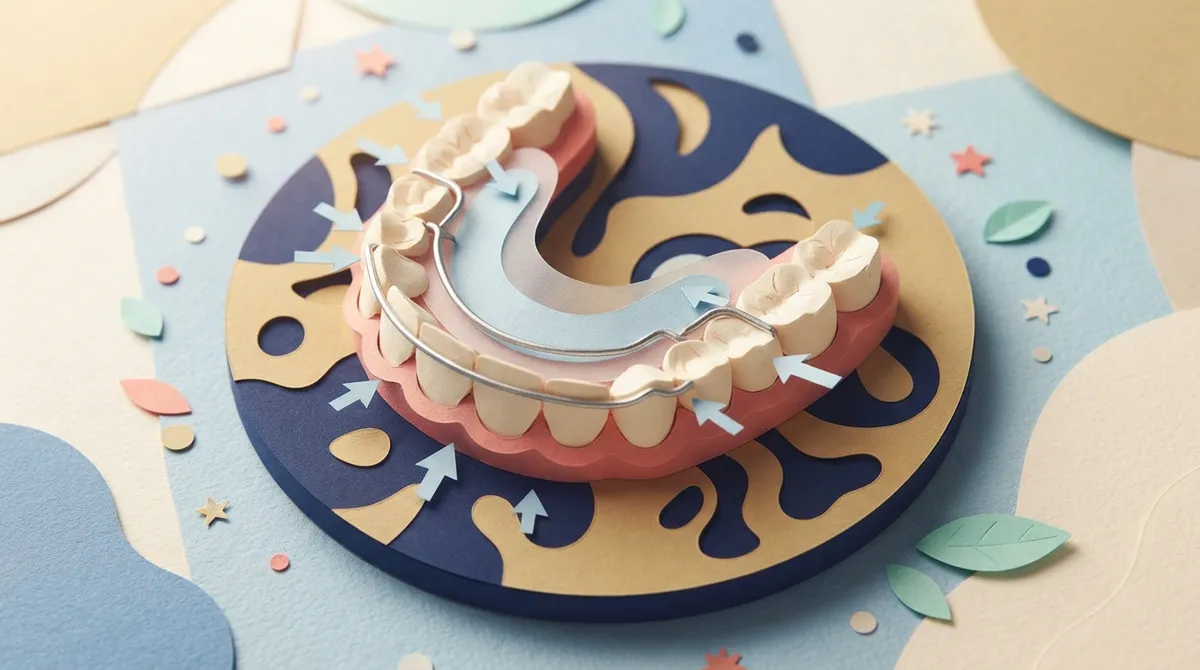
Quick Answer: Why Does a Retainer Feel Tight?
A retainer most often feels tight because your teeth have moved slightly since you last wore it. This can happen after missed or inconsistent wear. A retainer can also feel different if it is worn, bent, cracked, or warped by heat.
Mild snugness is common after a short break, as long as the retainer seats fully and doesn’t cause sharp pain. A retainer that won’t fit, hurts a lot, or looks damaged should never be forced. Instead, contact your orthodontist for guidance.
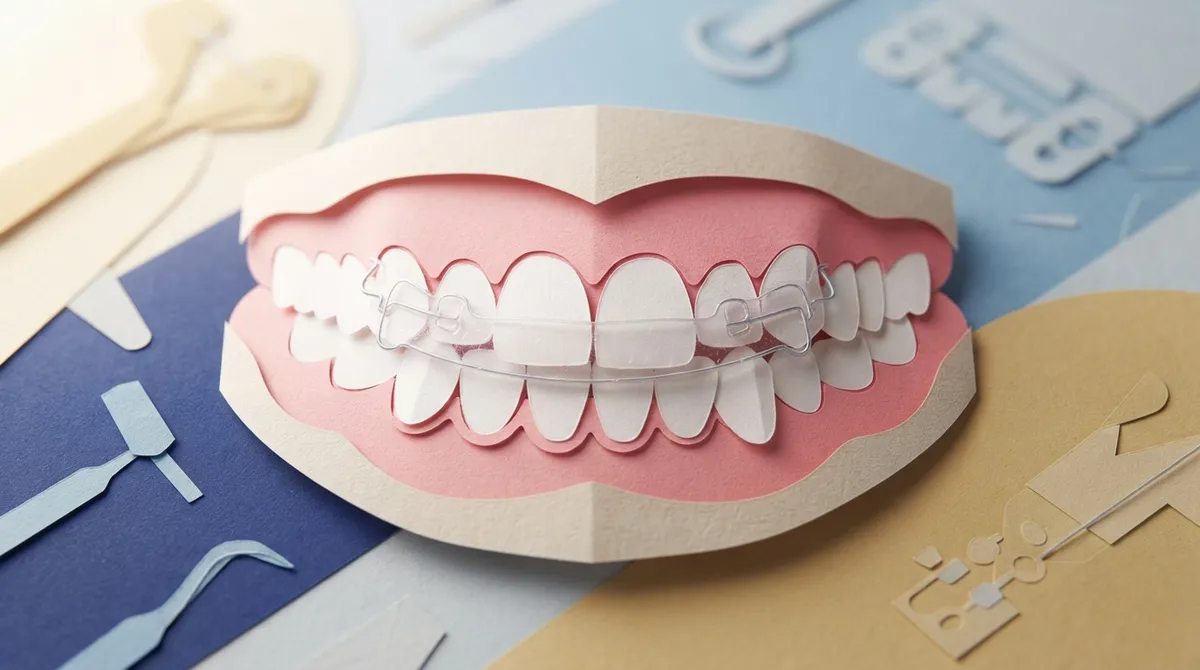
1. Your Teeth Have Shifted Slightly
This is the number one reason. Teeth are not set in concrete. They sit in bone and soft tissue that stay flexible throughout life. Without a retainer, teeth can slowly drift back toward their old positions. This is called orthodontic relapse.
Even tiny movements can make a retainer feel snug. Your retainer was made to fit your teeth in their finished positions. When teeth move a little, the retainer has to push them back. That pushing is the tight feeling you notice.
Why This Happens After Missed Wear
Skipping a few nights is easy to do. Maybe you fell asleep on the couch. Maybe the retainer case got left at a friend’s house. Even a short gap can allow small shifts, especially early after braces or aligners.
Research backs up how common this is. A small 2023 qualitative study of 23 university students found that 8 of them (35%) were no longer wearing their retainers. That’s a small sample, so it shouldn’t be treated as a number for everyone. Still, it shows that missed wear is common.
What to Do
If the retainer still seats fully and the tightness is mild, follow the wear schedule your orthodontist gave you. If it doesn’t settle down, ask your orthodontist before changing the schedule. They can check whether your teeth have moved more than expected.
2. You Took a Break From Wearing It
Think of your retainer like a favorite pair of jeans. If you skip wearing them for a while, they feel snugger when you put them back on. A removable retainer works in a similar way.
Some mild snugness is normal after you restart. A retainer that seats fully and causes no real pain is very different from one that won’t go on at all. That difference matters a lot.
Normal Snugness vs. a Real Problem
| What You Notice | Likely Meaning | What to Do |
|---|---|---|
| Mild pressure, retainer seats fully | Small, normal shifting after a break | Follow your wear schedule |
| Tight feeling that fades within a day or two | Teeth readjusting | Keep wearing as directed |
| Retainer will not seat all the way | Teeth have moved more, or retainer is damaged | Call your orthodontist |
| Sharp or lasting pain | Possible bigger shift or fit problem | Call your orthodontist |
3. The Retainer Is Worn, Cracked, or Bent
Sometimes the retainer changes instead of your teeth. Plastic retainers can wear down over time. Wire retainers can bend if they get dropped or sat on. A small crack or bend can change how the appliance fits and feels.
You may notice rough spots, thin areas, or a slightly different shape. If your retainer looks damaged, don’t try to fix it at home. Our guide on what to do if your retainer breaks walks through the safest next steps.
Signs of Wear and Damage
- Visible cracks or chips in the plastic
- Wires that look bent or out of place
- Cloudy, rough, or thinning spots
- A retainer that pops out or rocks on your teeth
- A gap between the retainer and your teeth
If you see any of these, it’s time for a check-up. A worn retainer may not hold your teeth well, even if it feels tight in some spots.
4. Heat Warped Your Retainer
Heat is a sneaky retainer enemy. Many plastic retainers can change shape when they get too hot. Think hot water, a steamy dishwasher, a hot car dashboard, or even a sunny window sill.
A warped retainer may feel tighter in some places and looser in others. It no longer matches your teeth the way it was made to. Wearing a warped retainer can put uneven pressure on your teeth, which isn’t what you want.
How to Protect Your Retainer From Heat
- Rinse your retainer with cool or lukewarm water, never hot.
- Keep it in its case when you aren’t wearing it.
- Never leave it in a parked car on a warm day.
- Skip the dishwasher and microwave completely.
- Clean it gently with a soft brush and mild soap.
Not sure how to clean it safely? Our friendly walkthrough on how to wear a retainer after braces and keep your smile covers daily care tips too.
5. It’s Early in Your Retention Phase
Right after braces or clear aligners, your teeth are at their most eager to move. The bone and gum tissue around them are still settling into their new spots. That’s why orthodontists often recommend full-time wear at first, then a lighter schedule later.
During this time, even a short break can make your retainer feel noticeably tight. This is especially true for teens, who may be busy with school, sports, and social plans. Parents can help by making retainer wear part of a daily routine, like brushing teeth at night.
Why Retention Is a Long Game
Retainers help maintain your orthodontic results. The right type and schedule vary from person to person. Long-term or even indefinite retention is commonly recommended. A 2023 critical review also concluded there isn’t enough evidence to name one best retention plan for everyone. That’s why your orthodontist’s personal instructions matter so much.
Curious about the different options? Visit our retainers page to learn more about what’s available.
6. Your Teeth Can Shift Even When You Wear It Regularly
Here’s something that surprises many people. Even with good wear, teeth can still move a bit over time. A 2023 review noted that relapse can happen despite retention, and that it varies by retainer type and by dental arch. It did not give one relapse rate for everyone.
Life changes can play a role too. Aging, grinding your teeth, wisdom teeth, and gum changes can all nudge teeth around. If your retainer suddenly feels tight even though you’ve worn it faithfully, don’t panic. It simply means your orthodontist should take a look.
Who Should Pay Extra Attention?
- Parents of teens: Growth can keep changing the bite, so regular check-ins help.
- Adults who had braces years ago: Shifting can show up long after treatment ends.
- Busy professionals: Travel and long workdays make missed wear more likely.
- Health-conscious patients: Gum health changes can affect how teeth sit.
If you’ve noticed your smile drifting, you may be wondering about next steps. Many adults in this situation explore adult orthodontic treatment to gently guide teeth back into place.
7. The Retainer No Longer Fits Properly After Time
Retainers don’t last forever. A retainer made years ago may no longer match your teeth, especially if small changes have happened since then. It might feel tight, loose, or just plain wrong.
If your retainer seems off, resist the urge to push it into place. Biting down hard to snap it in, or trying to bend, trim, or heat it, can damage the retainer or even affect your teeth. Think of it like forcing a key into the wrong lock. It rarely ends well.
When a New Retainer Makes Sense
Your orthodontist may suggest a new retainer if your current one is worn out, broken, or no longer fits. In some cases, they may also recommend a short round of treatment, such as Spark™ Clear Aligners or braces, to bring teeth back into line first. Every smile is different, so the best plan is a personal one.
What You Should Never Do With a Tight Retainer
When something feels off, it’s tempting to take matters into your own hands. Please don’t! Here are the big no-no’s:
- Don’t force it. If it won’t fully seat, stop.
- Don’t bite it into place. Hard biting can crack it or stress your teeth.
- Don’t bend or trim it. Home adjustments can ruin the fit.
- Don’t heat it to “loosen” it. Heat can warp the plastic.
- Don’t ignore ongoing pain. Persistent discomfort deserves a professional look.
These steps can damage your retainer or affect your teeth. A quick call is always safer than a home fix.
When to Call Your Orthodontist
Good news: most tight retainer situations are manageable. Still, some signs mean it’s time to reach out. Contact your orthodontist if:
- The retainer will not seat fully
- You feel sharp or significant pain
- The retainer keeps popping out
- You see a visible gap between the retainer and your teeth
- The retainer looks cracked, bent, or damaged
- The discomfort lasts or gets worse
At Brockway Orthodontics, we love helping patients of all ages sort through questions like these. Dr. Brockway takes the time to listen and explain your options in a simple, friendly way. You can learn more about her approach on the Meet Dr. Brockway page.
Prefer to see what other patients think? You can visit us on Google — Brockway Orthodontics to read reviews from Clearwater families.
How to Keep Your Retainer Fitting Well
A little daily care goes a long way. These habits help your retainer stay comfortable and effective:
- Wear it exactly as your orthodontist directed
- Store it in its case, never in a napkin or pocket
- Clean it daily with a soft brush and gentle soap
- Keep it away from pets, which love to chew retainers
- Bring it to your check-ups so we can inspect the fit
The American Dental Association shares helpful general tips on oral health care, and the Florida Association of Orthodontists offers trusted information about orthodontic care in our state. Pairing these resources with your orthodontist’s advice keeps you well informed.
Final Thoughts: A Tight Retainer Is a Clue, Not a Crisis
A tight retainer is your mouth’s way of telling you something has changed. Most of the time, it’s a small shift after missed wear, and it settles with the right routine. Other times, it points to a damaged retainer or more movement that needs a professional eye.
The key is to stay calm, avoid forcing anything, and ask for help when you’re unsure. Your smile took time and effort to build, and it’s worth protecting. If your retainer feels tight and you’re not sure why, we’d love to help. Book your appointment online and let our friendly team at Brockway Orthodontics take a look. We’re here to keep your smile feeling great, one retainer at a time!
FAQs
Q: Why does my retainer feel tight after not wearing it for a few days?
A: Your teeth can drift a tiny bit when you skip wear, so the retainer has to gently push them back. Mild snugness is common if the retainer still seats fully and doesn’t hurt. If it won’t fit all the way, give your orthodontist a call.
Q: Can I wear my retainer if it feels tight?
A: If it seats fully and the tightness is mild, you can usually keep wearing it as your orthodontist directed. Never force it in or bite it into place. If you’re unsure it fits safely, check with your orthodontist before changing your schedule.
Q: Can heat or damage make a retainer feel tight?
A: Yes! Hot water, a hot car, or a cracked or bent retainer can change its shape and fit. A warped retainer may press unevenly on your teeth. If it looks or feels different, have it checked rather than trying to fix it at home.
Q: When should I call my orthodontist about a tight retainer?
A: Reach out if the retainer won’t seat fully, causes sharp pain, keeps popping out, shows a gap against your teeth, or looks damaged. Pain that lasts or gets worse also deserves a professional look. We’re always happy to help!
Q: Can teeth shift even if I wear my retainer regularly?
A: They can. Research shows relapse may still happen over time, even with retainer wear, and it varies by retainer type and by arch. Regular check-ups help us catch small changes early.
Our Service Area