Key Takeaways
-
Retainers are designed to hold teeth in place, not straighten them—they can only nudge back very minor recent shifts and cannot fix significant crowding, rotation, gaps, or bite problems.
-
Forcing an ill-fitting retainer onto your teeth can cause pain, damage, and uneven pressure; instead consult an orthodontist to determine if you need a new retainer or active treatment.
-
Teeth can continue shifting throughout adulthood due to natural aging and chewing forces, with relapse rates of 33-37% occurring 10-20 years after treatment ends, making long-term retainer wear essential.
-
Different retainer types (Hawley, clear vacuum-formed, and fixed bonded) serve different needs; many patients benefit from combining a fixed retainer with a removable one for maximum protection.
You just found an old retainer in a drawer, and your teeth feel a little different than they used to. So you wonder: can you just pop it back in and fix things? It’s a question we hear all the time at Brockway Orthodontics, and honestly, it’s a great one to ask before trying anything on your own. Retainers are amazing little tools, but they were never designed to do the heavy lifting that braces or clear aligners do.
Here’s the friendly truth: retainers hold your smile in place. They don’t rebuild it from scratch. If your teeth have shifted a little, or a lot, understanding the real job of a retainer can save you time, money, and disappointment. In this guide, we’ll walk through what retainers can and can’t do, the different types available, and when it’s time to call in the pros. Grab a cup of coffee, and let’s get into it together.
1. Retainers Are Built for Holding, Not Straightening
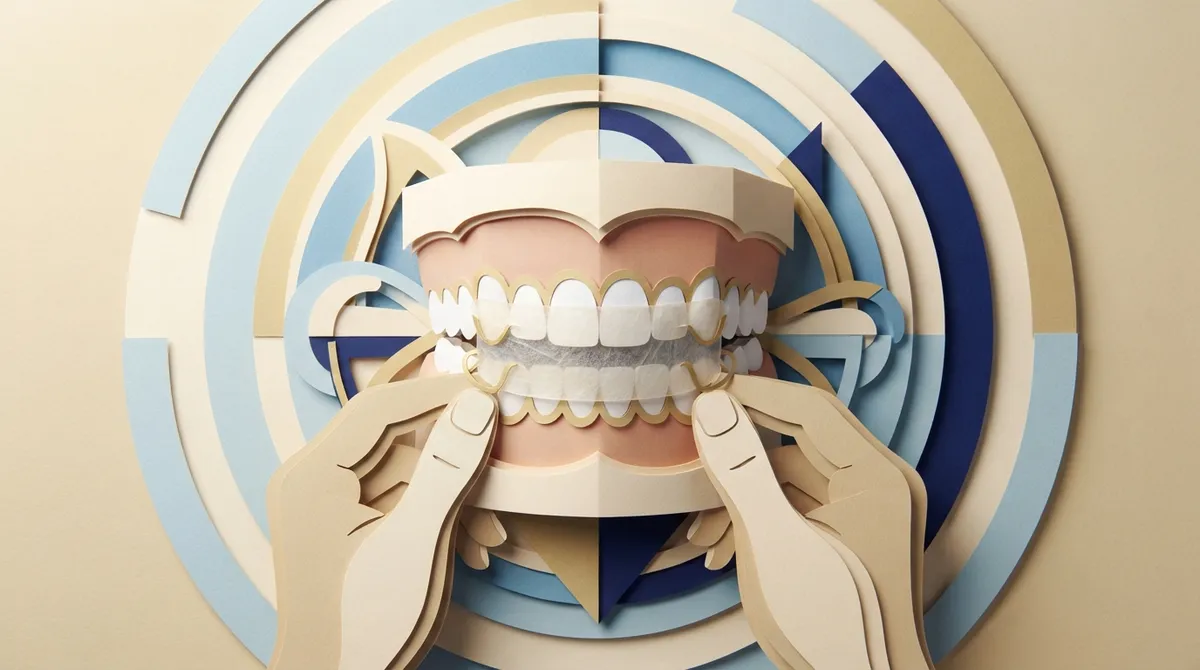
Let’s start with the big one. A retainer’s main job is to keep your teeth exactly where your braces or Spark™ Clear Aligners left them. Think of it like a fence around a garden. It keeps things tidy, but it doesn’t grow the plants.
According to the American Dental Association, retainers are considered a maintenance appliance following active orthodontic treatment. They’re not meant to move teeth into new positions. If your teeth were crooked before treatment, a retainer will not straighten them.
2. Sometimes a Retainer Can Nudge Teeth Back (Just a Little)
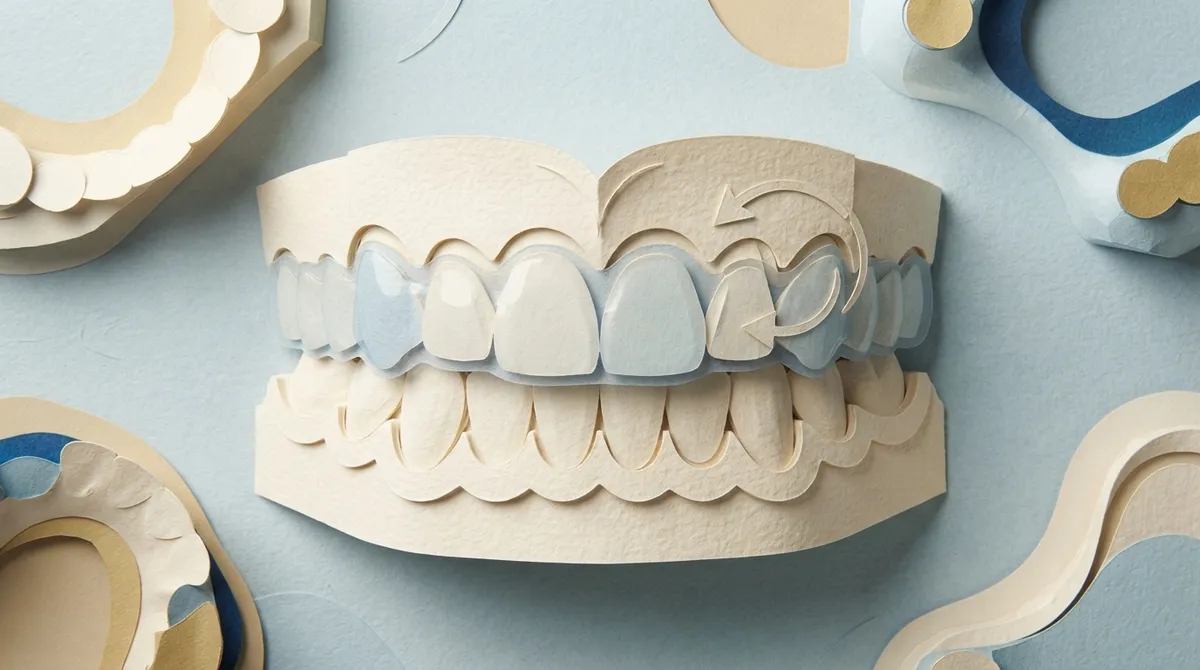
Here’s where things get a bit more nuanced. If your teeth have shifted only slightly, and your old retainer still fits (even if it’s a little snug), wearing it consistently might gently guide those teeth back. This works best when the movement is minor and recent.
But here’s the catch: this only works for small shifts. A retainer generally cannot correct:
- Significant crowding or overlapping teeth
- Rotated teeth that have turned noticeably
- Wide spacing or gaps that have reopened
- Bite problems like an overbite or underbite
- Large displacement where a tooth has moved out of the arch
If you’re dealing with any of these bigger issues, it’s time to talk with an orthodontist rather than force an old retainer to do a job it wasn’t built for.
3. Forcing an Old Retainer Can Cause More Harm Than Good
We get it. Buying a new retainer or scheduling an appointment feels like a hassle. But squeezing a tight, ill-fitting retainer onto your teeth can backfire. It might cause pain, uneven pressure, or even damage to your teeth and gums.
If your retainer no longer fits comfortably, or you have to force it into place, please don’t bend it or wear it aggressively. Instead, reach out to our team to get in touch with our team and figure out the safest next step. Sometimes a new retainer does the trick. Other times, limited clear aligner treatment or braces might be needed to properly correct the shift.
4. Know Your Retainer Types (They’re Not All the Same)
Not every retainer looks or works the same way. Choosing the right one depends on your bite, your alignment history, and how well you can stick to a wear schedule. Here’s a quick comparison to help you understand your options.
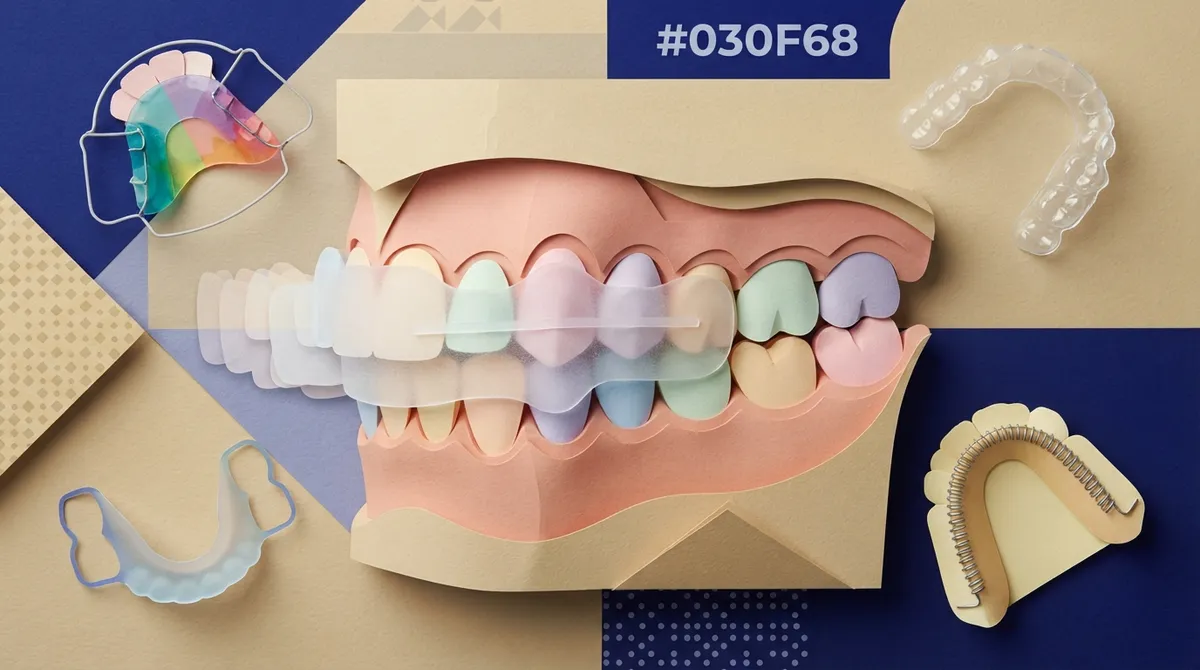
| Retainer Type | Description | Best For | Considerations |
|---|---|---|---|
| Hawley Retainer | Removable, with a wire and acrylic base | Patients who want durability and easy adjustments | Can be lost or damaged if not stored properly |
| Clear Vacuum-Formed Retainer | Removable, thin clear plastic tray | Patients who prefer a discreet look | Can warp with heat; needs replacement over time |
| Fixed Bonded Retainer | Thin wire bonded behind teeth | Patients with high relapse risk | Requires careful cleaning; can detach |
Your orthodontist will help you decide which retainer fits your lifestyle and your smile’s needs. Many patients actually use a combination, a fixed retainer up front and a removable one for added protection.
5. The Numbers Don’t Lie: Retainers Need Real Commitment
Retainers work best when you actually wear them as directed. A 2020 meta-analysis reviewing eight clinical trials with 987 patients found that both fixed and removable retainers were generally effective at holding alignment. However, the review noted something important. Failure rates were noticeable, with about 41.3% in the upper arch and 36.7% in the lower arch across the data studied.
A separate 2021 systematic review found failure rates for fixed retainers ranging from 7.3% to 50%, with most failures happening in the first three to six months after placement. Common issues included the bond letting go, wires breaking, or wires becoming distorted.
These numbers aren’t meant to scare you. They’re meant to show why regular checkups matter. If your retainer isn’t holding up, catching it early makes a big difference.
6. Your Teeth Can Shift for Life (Yes, Really)
Here’s something a lot of people don’t realize. Teeth don’t just stay put once they’re aligned. They can continue moving throughout adulthood due to natural aging, gum tissue changes, and everyday chewing forces.
Long-term studies referenced in orthodontic research suggest that relapse can happen anywhere from 10 to 20 years after treatment ends, especially once retainer wear stops. One 2017 review found relapse tended to be a bit higher in the lower arch (about 37%) compared to the upper arch (about 33%). These numbers vary by patient, but the message is clear: retention is often a lifelong commitment if you want to protect your investment in a straight smile.
This is exactly why we encourage our Clearwater patients to think of retainer wear as part of everyday self-care, right alongside brushing and flossing.
7. Knowing When to See an Orthodontist Instead of DIY-ing It
So how do you know when a retainer isn’t enough anymore? Here are some clear signs it’s time to schedule a visit:
- Your retainer no longer fits, even after a few days of consistent wear
- You notice visible gaps, crowding, or rotation that wasn’t there before
- Your bite feels different when you chew or bite down
- A fixed retainer feels loose or you notice it’s come unbonded
- You’ve lost or damaged your removable retainer
- It’s been years since your last orthodontic checkup
If any of these sound familiar, it’s a good idea to schedule your first visit or a follow-up consultation. Depending on what we find, treatment options might include a new retainer, a short round of Spark™ Clear Aligners, or in some cases, traditional braces to fully correct the movement.
Caring for Your Retainer the Right Way
Whether you have a removable or fixed retainer, a little daily care goes a long way. Here are some simple habits worth building:
- Clean your retainer daily using the method your orthodontist recommends
- Keep removable retainers away from hot water, direct sunlight, or car dashboards (heat warps plastic fast)
- Store removable retainers in their case when not in use, never in a napkin or pocket
- Brush around fixed retainers carefully to avoid plaque buildup
- Schedule regular checkups so small issues get caught early
Good habits protect your smile and help your retainer last as long as possible. For more specific guidance, check out our page on retainer care and options.
Why Clearwater Families Trust Dr. Brockway
At Brockway Orthodontics, we’ve built our practice around one simple idea: every patient deserves a smile they feel confident about, at every stage of life. Dr. Brockway takes time to really listen to your concerns, whether you’re a parent bringing in a teenager for their first set of braces or an adult professional considering adult treatment options like discreet clear aligners.
We use modern technology, including digital impressions and 3D imaging, to plan treatment with precision and comfort in mind. And because we know life gets busy, we offer same-day treatment options in certain cases so you don’t have to juggle multiple appointments just to get started. Explore our full range of orthodontic services to see what fits your family’s needs.
Curious what other patients say about their experience? You can visit us on Google — Brockway Orthodontics and read real reviews from families right here in Clearwater. We’re also active on Facebook and Instagram if you’d like to see smile transformations and get to know our team a little better. For orthodontic guidance beyond our practice, the Florida Association of Orthodontists is also a helpful resource for finding qualified specialists across the state.
Your Smile Deserves the Right Plan
Retainers are wonderful tools for protecting the smile you worked hard to achieve. But they aren’t magic wands for fixing crooked or shifted teeth on their own. If you’re noticing changes in your smile, don’t wait and hope it fixes itself. A quick conversation with our team can help you understand exactly what’s happening and what your best options are.
Ready to get expert answers about your retainer or your smile goals? Book your appointment online today, and let’s find the right path forward together, right here in Clearwater, Florida.
FAQs
Q: Can retainers straighten teeth that have shifted?
A: Retainers can sometimes nudge back very minor shifts if the appliance still fits and you wear it consistently. But for noticeable crowding, rotation, or bite changes, you’ll need active treatment like braces or clear aligners instead.
Q: How much can a retainer actually move a tooth?
A: Not much, honestly. Retainers are designed to hold teeth steady, so any movement they cause tends to be small and limited to very minor relapse. Bigger changes need a proper treatment plan from your orthodontist.
Q: Can I use my old retainer to fix crooked teeth?
A: We’d love for it to be that simple, but no. If your retainer no longer fits comfortably, forcing it on could cause pain or damage. It’s much safer to have us take a look and recommend the right fix.
Q: What should I do if my retainer no longer fits?
A: Don’t bend it or push it into place. Give our office a call so we can check what’s changed and figure out whether you need a new retainer or a short round of treatment to correct the shift.
Q: How long do I need to wear a retainer after braces?
A: Many orthodontists recommend wearing retainers long-term, even for life, since teeth can shift naturally with age. Your specific schedule will depend on your bite and how your teeth respond after treatment.
Our Service Area