Key Takeaways
-
Most orthodontic patients wear braces for 12 to 24 months, but treatment time varies significantly based on tooth crowding, bite problems, jaw alignment, and whether tooth extractions or jaw surgery are needed.
-
Missing appointments, broken brackets, poor oral hygiene, and skipping elastics can extend your treatment timeline, so staying consistent with care is the easiest way to finish on schedule.
-
Teenagers are often ideal candidates for braces and typically finish within the 12-24 month window, while adults may take slightly longer since their bones have stopped growing, though modern options like clear aligners work similarly for both ages.
-
Simple cases may be completed in 6 months while complex cases involving severe crowding, impacted teeth, or jaw surgery can take 24-30+ months or longer, requiring a personalized orthodontist evaluation for an accurate estimate.
-
Wearing retainers long-term, sometimes for life, is essential after braces come off to prevent teeth from drifting back; skipping retainers commonly causes relapse that may require retreatment.
-
Attending every scheduled adjustment appointment every 4-10 weeks, maintaining excellent oral hygiene, wearing elastics as instructed, and avoiding hard or sticky foods helps keep your treatment progressing as planned.
If you or your child just got the news that braces are in your future, you probably have one big question on your mind: how long do you have to have braces? It’s the question we hear almost every single day at our Clearwater office, and honestly, it’s a great one to ask. The good news is that most patients wear braces for about 12 to 24 months, but your exact timeline depends on a bunch of personal factors that make your smile uniquely yours.
We know waiting for a straighter smile can feel like watching paint dry, especially when you’re excited about graduation photos, a big job interview, or just smiling freely without feeling self-conscious. So let’s break down exactly what affects your treatment time, what you can do to keep things on track, and what to expect once those brackets finally come off. Whether you’re a parent googling this at midnight for your teen, or an adult professional wondering if braces will fit into your busy schedule, we’ve got real answers for you.

What Is the Average Time You Need Braces?
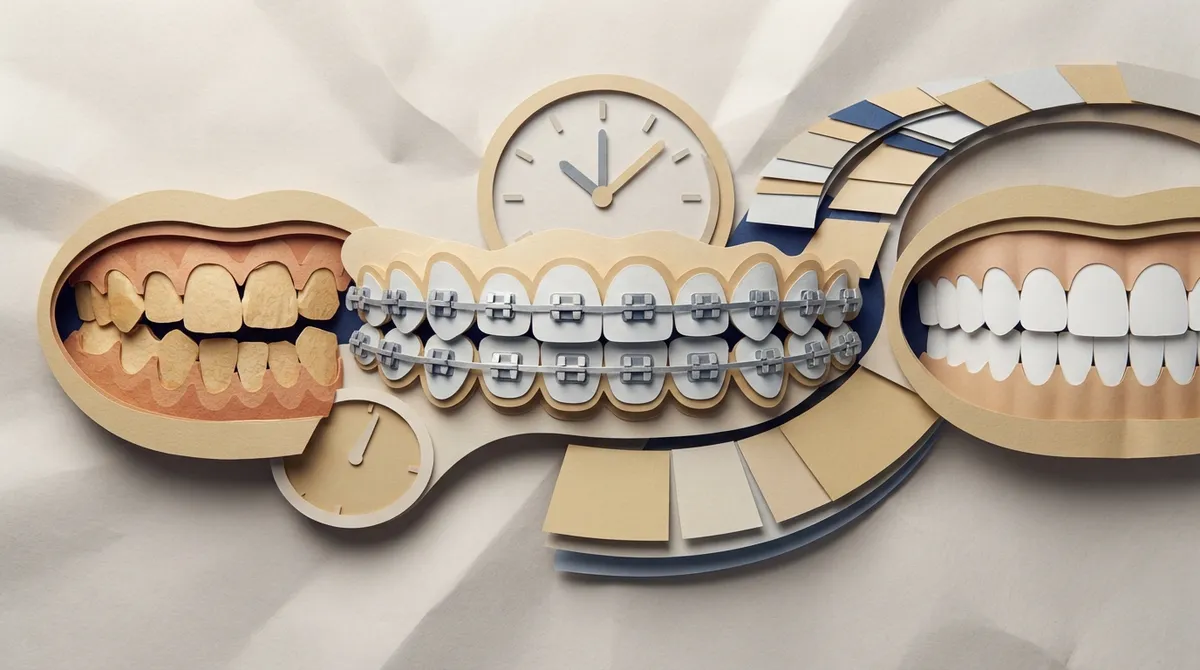
Most orthodontic patients wear fixed braces for approximately 12 to 24 months. That’s the sweet spot for a huge number of cases we see here at Brockway Orthodontics. Some lucky folks with very minor corrections might be done in as little as 6 months, while more complex situations can stretch to 30 months or even longer.
According to the NHS, orthodontic treatment usually lasts between 12 months and 2.5 years, which lines up closely with what we see in our own Clearwater patients. Some hospital orthodontic services even report that certain patients need 2 to 3 years to get the results they want. The point is, there’s no single “normal” answer, because every mouth tells a different story.
Why Timelines Vary So Much
Your treatment time depends on your starting point. Think of it like a road trip. Someone driving across town gets there faster than someone driving across the country. Here are the biggest factors that decide your route:
- How crowded or spaced out your teeth are
- Whether you have a bite problem, like an overbite or underbite
- Jaw size and alignment issues
- Impacted or stuck teeth that need extra coaxing
- Your age and how much growth is still happening
- Whether you need tooth extractions or jaw surgery alongside braces
During your first visit, Dr. Brockway will look at photos, X-rays, or scans to build a treatment plan that’s made just for you. That personalized estimate is always more accurate than any general number you’ll find online.
How Braces Actually Move Your Teeth
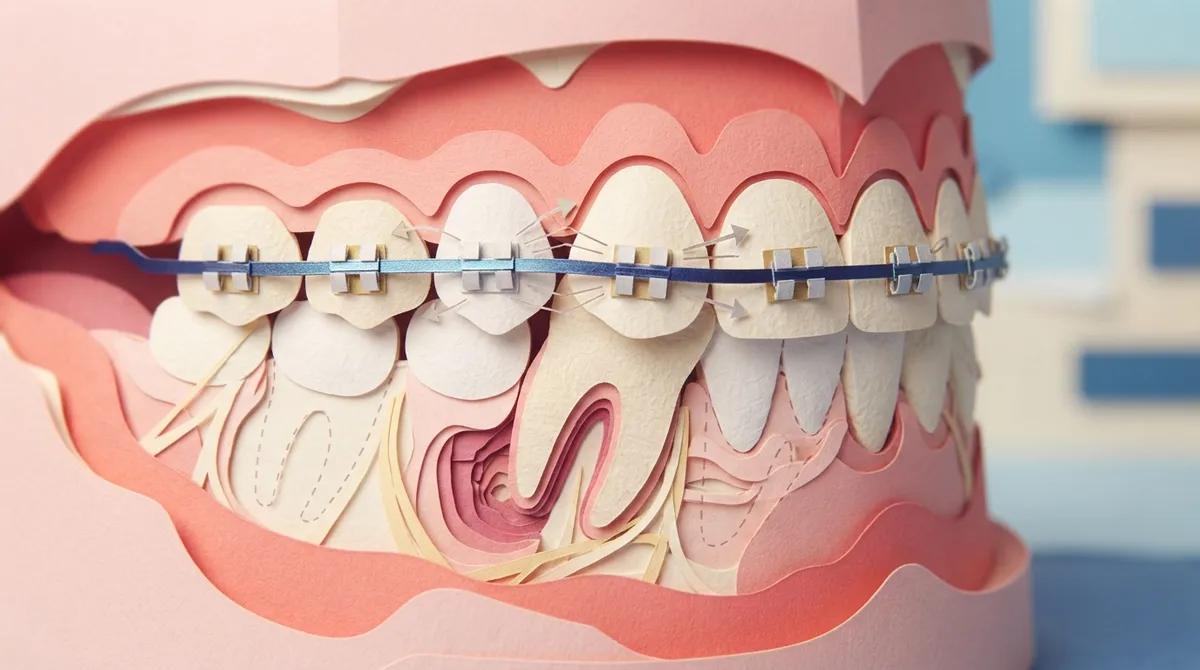
Ever wonder what’s really happening inside your mouth while you wear braces? It’s actually pretty amazing. Braces apply gentle, steady pressure on your teeth. This pressure signals your body to slowly remodel the bone around your tooth roots, letting your teeth shift into better positions over time.
This process can’t be rushed too much, because your body needs time to adapt safely. That’s why your orthodontist uses carefully controlled forces instead of trying to move everything at once. Patience really does pay off here, and it’s part of why sticking to your treatment plan matters so much.
Kids vs. Teens vs. Adults: Does Age Change the Timeline?
This is one of the most common questions we get from parents and adult patients alike. The truth is, age can absolutely affect how long treatment takes.
Children and Early Treatment
Younger patients who start early treatment around age 7 or 8 may need two phases of care. The first phase guides jaw growth, and the second phase (usually with full braces) happens once more adult teeth come in. This approach can sometimes shorten the total time needed for full braces later on.
Teenagers
Teens are often the “ideal” candidates for adolescent treatment because their jaws are still growing and their teeth tend to move more easily. Many teens finish within the typical 12 to 24 month window, especially if they stay consistent with appointments and care instructions.
Adults
Adult bones have finished growing, so tooth movement can sometimes take a bit longer. That said, plenty of adult treatment patients complete their journey within a similar timeframe as teens, especially with modern options like Spark™ Clear Aligners. If you’re a busy professional worried about how braces will fit your lifestyle, know that discreet options exist that won’t slow down your career or social life.
Typical Treatment Length by Case Complexity
| Case Type | Estimated Treatment Time | Common Examples |
|---|---|---|
| Minor Correction | 6 to 12 months | Small gaps, mild crowding, minor relapse |
| Average Case | 12 to 24 months | Moderate crowding, bite correction, spacing |
| Complex Case | 24 to 30+ months | Severe crowding, impacted teeth, jaw surgery needs |
Keep in mind these are general ranges. Your actual treatment plan from our orthodontic services will be based on your specific bite, growth pattern, and goals.
What Can Make Your Braces Treatment Take Longer
Nobody wants extra time in braces if they can avoid it. Unfortunately, certain habits and situations can stretch out your treatment timeline. Here’s what to watch for:
- Missing appointments: Skipping adjustment visits delays the small tweaks that keep your teeth moving on schedule.
- Broken brackets or wires: Damage from hard or sticky foods means repair visits instead of progress visits.
- Poor oral hygiene: Plaque buildup and gum problems can slow down safe tooth movement.
- Not following diet instructions: Crunching on ice or chewy candy can snap parts of your braces.
- Skipping elastics: Rubber bands help correct your bite, and skipping them undoes that progress.
The fix is simple: show up to your appointments, treat your braces gently, and follow the game plan your orthodontist gives you. Most orthodontic providers, including our Clearwater team, schedule adjustment visits every 4 to 10 weeks, with 6 to 8 weeks being the most common interval according to guidance from Newcastle Hospitals NHS.
Can You Get Your Braces Off Early?
We totally understand wanting to speed things along, especially before a big event like prom or a wedding. While we can’t skip essential steps in your treatment, staying consistent with your care really can help you finish as close to your original estimate as possible.
Some patients also ask about accelerated options. While every case is different, keeping up with elastics, appointments, and hygiene is still the best way to stay on track. If you’re curious about your specific timeline, book appointment online for a consultation where we can map out realistic expectations for your smile.
Life After Braces: Why Retainers Matter
Getting your braces off is a huge milestone, but it’s not quite the finish line. Braces are just the active phase of treatment. After that, retainers step in to protect all that hard work.
Without consistent retainer wear, teeth can slowly drift back toward their old positions. This is called relapse, and it’s actually pretty common if retainers get skipped. Many orthodontic providers, including guidance from Leicester Hospitals NHS, recommend wearing retainers long term, sometimes even for life, such as a few nights a week after the first year.
If you’re someone who had braces years ago and now notices your teeth shifting again, you’re not alone. Many adult patients come back for retreatment because life happened and retainer wear slipped. The good news is that modern options like clear aligners make correcting relapse more comfortable and discreet than ever.
Steps to Keep Your Braces Treatment on Schedule
Want to help your treatment stay right on target? Follow these simple habits:
- Attend every scheduled adjustment appointment, even if your teeth feel fine.
- Brush and floss carefully around brackets and wires every single day.
- Wear elastics exactly as instructed, even when it’s tempting to skip a day.
- Avoid hard, sticky, or chewy foods that can damage your appliances.
- Call your orthodontic office right away if something breaks or feels off.
- Wear your retainer faithfully once your braces come off.
These small habits add up to big results, keeping your treatment as short and smooth as possible.
Why Choose Brockway Orthodontics for Your Treatment Journey
Here in Clearwater, Dr. Brockway and her team believe understanding your treatment is key to feeling confident every step of the way. We take time to explain your options clearly, whether that means traditional metal braces, ceramic braces, or Spark™ Clear Aligners, a more affordable alternative to other clear aligner brands.
We also use modern technology like digital impressions and 3D imaging, so your treatment plan is precise from day one. And because we know families are busy, we sometimes offer same-day treatment options to help you get started without extra visits. You can learn more about our office and what makes our approach different for patients of every age.
Curious what real patients say about their experience? Feel free to visit us on Google — Brockway Orthodontics and see how families across Pinellas County describe their journey with us.
When to Talk to an Orthodontist About Your Timeline
If you’ve been searching “how long do you have to have braces” because you’re not sure if now is the right time to start, there’s no better way to find out than a consultation. Every mouth is different, and only a hands-on exam can give you real answers. According to the American Dental Association, regular dental checkups combined with orthodontic evaluations help catch alignment issues early, which can sometimes shorten overall treatment time.
The Florida Association of Orthodontists also encourages patients to seek care from a licensed specialist to ensure safe, effective treatment planning. Whatever stage you’re at, getting personalized guidance is always better than guessing based on general timelines.
Ready to find out your own personalized timeline? Our friendly Clearwater team would love to walk you through your options and answer every question you have. You can also follow along with real patient transformations and tips on our Instagram or Facebook page for extra inspiration.
Final Thoughts on Your Braces Timeline
So, how long do you have to have braces? For most people, it’s somewhere between 12 and 24 months, though your exact number depends on your bite, your habits, and your unique smile goals. The best way to get a real answer is a personalized evaluation, not a generic online estimate.
At Brockway Orthodontics, we’re passionate about walking alongside you and your family through every step of this journey, from your very first appointment to the day your retainer becomes part of your nightly routine. If you’re ready to get real answers about your own smile timeline, contact us today, and let’s start planning your path to a confident new smile together.
FAQs
Q: How long do braces take to straighten teeth?
A: Most people wear braces for about 12 to 24 months, though simple cases can wrap up in around 6 months. More complex cases involving jaw issues or impacted teeth may take 2.5 years or longer. Your orthodontist can give you a personalized estimate after your first exam.
Q: What is the average time adults need to wear braces?
A: Adults often fall within the same general 12 to 24 month range as teens, though healing can sometimes take a bit longer since adult bones have finished growing. Many adult patients love using discreet options like Spark™ Clear Aligners to make the process fit smoothly into their busy schedules. A consultation is the best way to get your specific timeline.
Q: Do children finish braces faster than adults?
A: Not always, but younger patients often benefit from growing jaws that make tooth movement a bit easier. Kids who start early treatment sometimes need two phases of care, which can actually make the second phase shorter. Every child’s timeline still depends on their unique bite and growth pattern.
Q: What happens if I miss an orthodontist appointment or break a bracket?
A: Missing appointments or breaking a bracket can slow down your progress since your orthodontist can’t make needed adjustments. It’s best to call your office right away to get a repair scheduled quickly. Staying consistent with visits is one of the easiest ways to keep your treatment on schedule.
Q: How long do I need to wear a retainer after braces?
A: Retainers are usually needed for a long time, and many orthodontists recommend wearing them nightly for as long as possible, even for life. This helps prevent your teeth from drifting back to their old positions. Think of your retainer as the best friend that protects all your hard work.
Our Service Area