Key Takeaways
-
Fixed retainers require regular maintenance and checkups despite being 'permanent'—studies show 28-35% failure rates, with 21% failing in the first year, so skipping appointments risks unnoticed damage.
-
Clean around the fixed retainer daily using floss threaders, interdental brushes, or water flossers to prevent plaque buildup that causes gum irritation, cavities, and bonding failure.
-
Immediately contact your orthodontist if you notice a loose wire, wiggly tooth, sharp edges, or shifting teeth, as these issues can push teeth in wrong directions and worsen quickly.
-
Pair your fixed retainer with a removable backup retainer for double protection, especially if you've experienced relapse before, to prevent teeth shifting if the bonded wire fails unnoticed.
-
Schedule regular checkups during the critical first 6-12 months after placement when failure rates are highest, as early detection prevents small bonding issues from becoming major problems.
-
Choose an experienced orthodontist for retainer bonding and ongoing care, as proper placement technique and quality significantly impact long-term success and reduce failure risk.
You finally got your braces off. Your teeth look amazing, and you can’t stop smiling in every photo. But here’s something a lot of patients don’t know: your teeth can still shift, even after all that hard work. That’s where a fixed retainer steps in. It’s a small wire that works quietly behind your teeth, day and night, to keep your new smile exactly where it belongs. Sadly, many patients make simple mistakes that lead to broken wires, loose bonding, or even relapse.
At Brockway Orthodontics, we’ve seen it all. Whether you’re a parent watching over your teenager’s retainer, an adult professional who wants a low-maintenance option, or someone dealing with relapse from years ago, this guide will help you avoid the most common fixed retainer mistakes. Let’s make sure your smile stays as beautiful as the day your braces came off.
What Is a Fixed Retainer, Exactly?
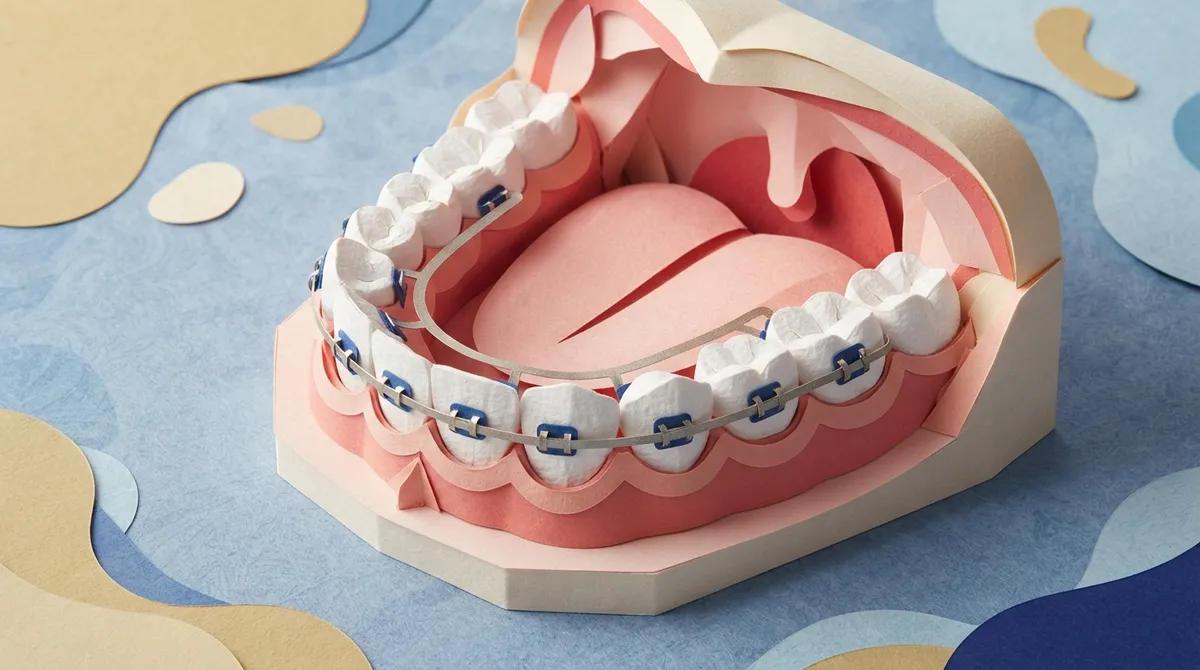
A fixed retainer is a thin wire bonded to the back of your teeth. Dentists sometimes call it a bonded or permanent retainer. It’s usually placed behind your lower front teeth, though it can go behind your upper front teeth too. Unlike a removable retainer you take out to eat or brush, this one stays put around the clock.
Its job is simple: stop your teeth from drifting back to their old positions. This shifting is called orthodontic relapse, and it happens to a lot of people after braces or clear aligner treatment. Because a fixed retainer works nonstop, it doesn’t depend on you remembering to wear it. That makes it a great choice for teens who might forget, busy adults, or anyone who has relapsed before.
Mistake 1: Thinking a Fixed Retainer Means Zero Maintenance
This is probably the biggest misunderstanding out there. Many patients assume that once the wire is bonded, they can forget about it completely. That’s simply not true. Fixed retainers need regular care and checkups, just like your teeth do.
Research backs this up. A 2023 review of 34 studies covering 3,484 patients found an overall failure rate of about 28% to 35% for bonded retainers. That means bonding failure or wire problems are actually pretty common. Skipping checkups makes these issues more likely to go unnoticed until real damage is done.
Mistake 2: Skipping Proper Cleaning Around the Wire
Cleaning around a fixed retainer takes more effort than brushing normal teeth. Plaque and tartar love to build up around the wire and the bonding material. If you don’t clean carefully, you risk gum irritation, cavities, or even bad breath.
Here’s how to keep things clean the right way:
- Use a floss threader or special orthodontic floss to get under the wire every day.
- Try interdental brushes, which are small brushes designed to clean tight spaces.
- Consider a water flosser for an easier daily routine.
- Ask your orthodontist to show you the exact technique during your visit.
The American Dental Association recommends daily flossing for everyone, and it’s even more important when you have a bonded retainer. Good habits now protect your gums and your smile for years to come.
Mistake 3: Ignoring a Loose or Bent Wire
If your retainer feels wiggly, sharp, or different somehow, don’t wait it out. A loose or bent wire can actually push your teeth in the wrong direction instead of holding them steady. This is one of the sneakier problems with fixed retainers.
Call your orthodontist right away if you notice:
- A tooth that feels loose or wiggles when you touch it.
- Part of the wire sticking out or poking your tongue.
- A tooth that looks like it’s shifting or twisting.
- Any sharp or rough spot you didn’t notice before.
Catching these issues early is the best way to avoid bigger problems. Our team at Brockway Orthodontics can usually fix a loose retainer quickly, so don’t be shy about reaching out.
Mistake 4: Waiting Too Long for Follow-Up Visits
Some patients think they only need to see the orthodontist if something feels wrong. But regular checkups catch small problems before they become big ones. This is especially true in the first year, when studies show failure rates are highest.
One 2023 review found nearly 21% of retainers failed within the first 12 months. A separate 2021 review found failure often happens in the first three to six months. Regular visits during this window really do matter.
| Time Since Placement | Typical Failure Risk | What to Watch For |
|---|---|---|
| 0-6 months | Highest risk period | Bonding issues, wire discomfort |
| 6-12 months | Moderate risk | Plaque buildup, minor wire shifts |
| 1+ years | Risk increases over time | Wire fatigue, gum health changes |
These numbers aren’t meant to scare you. They just show why regular visits to your orthodontist in Clearwater matter so much.
Mistake 5: Choosing Retainer Type Without Guidance
Not all fixed retainers are built the same. Some use a multistranded stainless-steel wire, while others use a fiber-reinforced material. Research hasn’t found one option that’s clearly better for everyone. The right choice depends on your bite, your teeth, and your history with orthodontic treatment.
Studies also show that retainers bonded to every tooth often control alignment better than ones bonded only at the ends. But an overly stiff or poorly placed retainer can sometimes cause unwanted movement too. This is why picking the right design should always be a conversation with your orthodontist, not a guess.
Mistake 6: Assuming a Fixed Retainer Guarantees Perfect Teeth Forever
It would be nice if one bonded wire could promise perfectly straight teeth for the rest of your life. But that’s not quite reality. Teeth can still shift if the wire loosens, distorts, or breaks. Natural aging and small bite changes can also play a role over time.
This doesn’t mean fixed retainers don’t work. They’re actually one of the most effective tools we have for long-term retention, especially on the lower arch. But no retainer is invincible. That’s why regular monitoring matters so much, and why some patients benefit from wearing a removable retainer as extra backup at night.
Mistake 7: Only Using a Fixed Retainer With No Backup Plan
Some patients rely completely on their bonded retainer with nothing else. But many orthodontists recommend pairing it with a removable retainer for extra protection. If the fixed wire ever fails without you noticing right away, the removable retainer can help prevent relapse in the meantime.
This combo approach gives your smile double protection. It’s especially helpful for patients who have relapsed before and really don’t want to go through treatment again. If you’re not sure whether you need a backup retainer, our orthodontic services page covers all your retention options in detail.
Mistake 8: Not Choosing an Experienced Orthodontist for Bonding and Monitoring
The quality of the bonding process matters a lot. A rushed or poorly done bonding job increases your risk of failure. That’s why choosing an experienced orthodontist for placement and follow-up care makes such a big difference.
Dr. Brockway has the training and experience to properly evaluate your bite, choose the right retainer design, and monitor your progress over time. She takes the time to explain your options clearly, so you always know what’s happening with your smile. You can also check out the Florida Association of Orthodontists for more information on finding qualified specialists in our state.
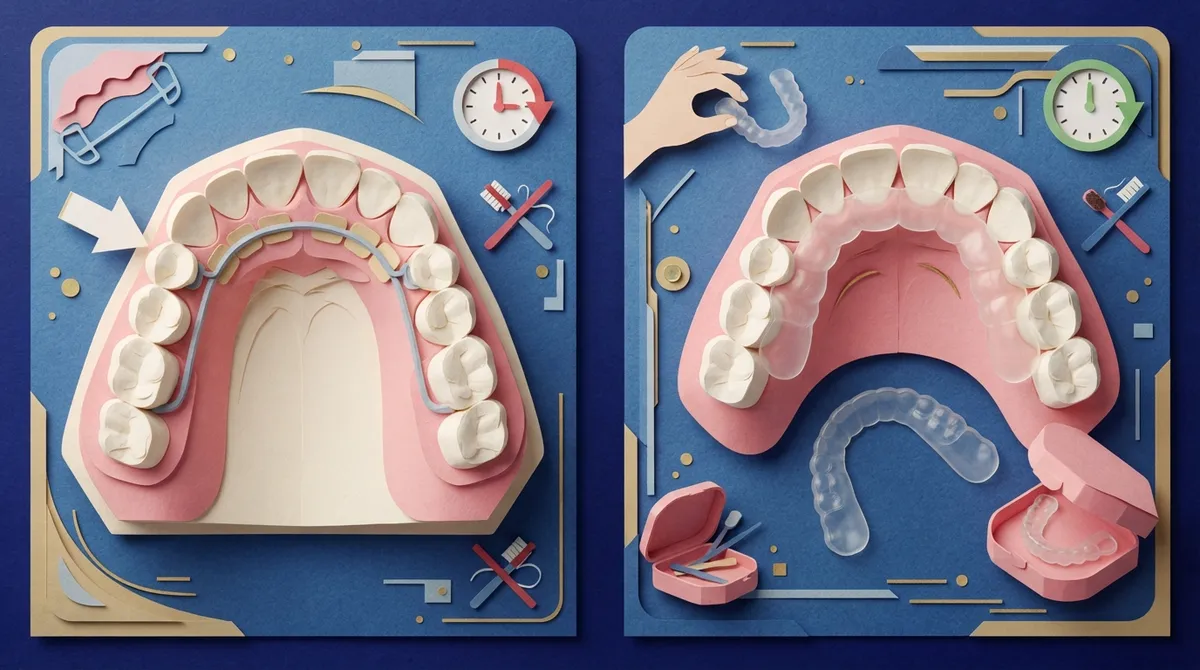
Fixed Retainers vs. Removable Retainers: A Quick Comparison
Choosing between a fixed and removable retainer often comes down to lifestyle, past relapse history, and personal preference. Here’s a simple breakdown to help you understand the differences.
| Feature | Fixed Retainer | Removable Retainer |
|---|---|---|
| Compliance needed | None, works automatically | Requires daily wear |
| Visibility | Hidden behind teeth | Visible when in mouth |
| Cleaning difficulty | More challenging | Easier to clean |
| Best for | Long-term retention, past relapse | Backup protection, flexible schedules |
| Risk of loss | Cannot be lost | Can be misplaced |
Many patients actually benefit from using both types together. Your orthodontist can help you decide what combination fits your needs best.
Who Benefits Most From a Fixed Retainer?
Fixed retainers aren’t for everyone, but they work wonderfully for many types of patients. Here’s who tends to benefit the most:
- Teens who might forget to wear a removable retainer consistently.
- Adults with busy schedules who want a low-effort retention option.
- Patients who have already relapsed once and want stronger protection.
- Anyone who prefers a retainer that’s invisible to others.
- Patients with lower front teeth that are prone to shifting.
If any of these sound like you, it’s worth discussing fixed retainers during your next visit. Our team can walk you through the pros and cons based on your specific smile.
How Brockway Orthodontics Supports Your Retention Journey
At Brockway Orthodontics, we believe your treatment doesn’t end when your braces come off. Retention is just as important as the active treatment phase. We use modern tools like digital impressions and 3D imaging to plan your retainer with precision and comfort in mind.
We also offer Spark™ Clear Aligners as an affordable option for patients who want straighter teeth without traditional metal braces. Whether you started your journey with braces or clear aligners, our goal is the same: helping you keep that smile looking its best for years to come. You can see what real patients say about their experience by visiting our Brockway Orthodontics location on Google, or follow along on Instagram and Facebook for smile transformations and tips.
Final Thoughts on Keeping Your Fixed Retainer Healthy
A fixed retainer is a fantastic tool for protecting your hard-earned smile, but it isn’t something you can just forget about. Regular cleaning, careful attention to any changes, and consistent checkups make all the difference. Avoiding these eight common mistakes will help your retainer do its job properly for years to come.
If you’re due for a retainer checkup, dealing with a loose wire, or simply curious about your retention options, our friendly Clearwater team is here to help. Book your appointment online today and let’s keep your smile shining bright for years to come. You can also get in touch with our team if you have any questions about your current retainer or upcoming treatment.
FAQs
Q: What is a fixed retainer and how does it work?
A: A fixed retainer is a thin wire bonded behind your teeth, usually the lower front ones, to keep them from shifting after braces or clear aligners. It works around the clock without you needing to remember to wear anything, which makes it super convenient for busy lives.
Q: How long should a fixed retainer stay in after braces?
A: Many patients keep their fixed retainer for years, and some keep it indefinitely for long-term protection. The exact timeline really depends on your bite and history, so your orthodontist will guide you based on what’s best for your smile.
Q: Are fixed retainers permanent, or can they be removed?
A: They’re called permanent retainers, but they can actually be removed by your orthodontist whenever needed. They’re meant for long-term wear, though, so removal usually only happens for a good reason like a needed replacement.
Q: What should I do if my fixed retainer comes loose or breaks?
A: Give your orthodontist a call as soon as you notice something feels off, like a wiggly tooth or a sharp edge. Waiting too long could let your teeth shift, so it’s always better to get it checked quickly.
Q: Are fixed retainers better than removable retainers?
A: Both types have their strengths, and honestly, many patients do great using both together. Fixed retainers work automatically without effort, while removable ones offer easier cleaning and backup protection if the fixed wire ever fails.
Our Service Area