Key Takeaways
-
Orthodontic treatment typically costs between $3,000 and $10,000, with most patients paying $5,000 to $6,500 for comprehensive care, but prices vary significantly based on appliance type, case complexity, treatment length, and geographic location.
-
Metal braces ($3,000-$7,500) offer the most affordable option, while clear aligners ($3,000-$9,000) and ceramic braces ($4,000-$8,500) provide mid-range alternatives, and lingual braces ($8,000-$13,000) are the most expensive choice for hidden treatment.
-
Most orthodontic offices offer monthly payment plans with little to no interest, and many dental insurance plans provide partial coverage for children and teens, making treatment accessible without paying the full cost upfront.
-
Case complexity, treatment duration, early intervention options for children, and your location significantly impact final costs, so an in-person consultation is essential to get accurate pricing specific to your unique smile needs.
If you have ever typed “how much does an orthodontist cost” into a search bar late at night, you are not alone. It is one of the most common questions parents, teens, and adults ask before starting their smile journey. The truth is, there is no single price tag that fits everyone, but there are clear ranges, factors, and options that can help you plan with confidence.
At Brockway Orthodontics, we believe every family in Clearwater deserves to understand exactly what they are paying for before they commit to treatment. So let’s break down the real numbers, the factors that move the needle, and the ways you can make treatment fit your budget. By the end of this guide, you will feel a lot more prepared to walk into your first consultation.
1. The Big Picture: What Orthodontic Treatment Really Costs
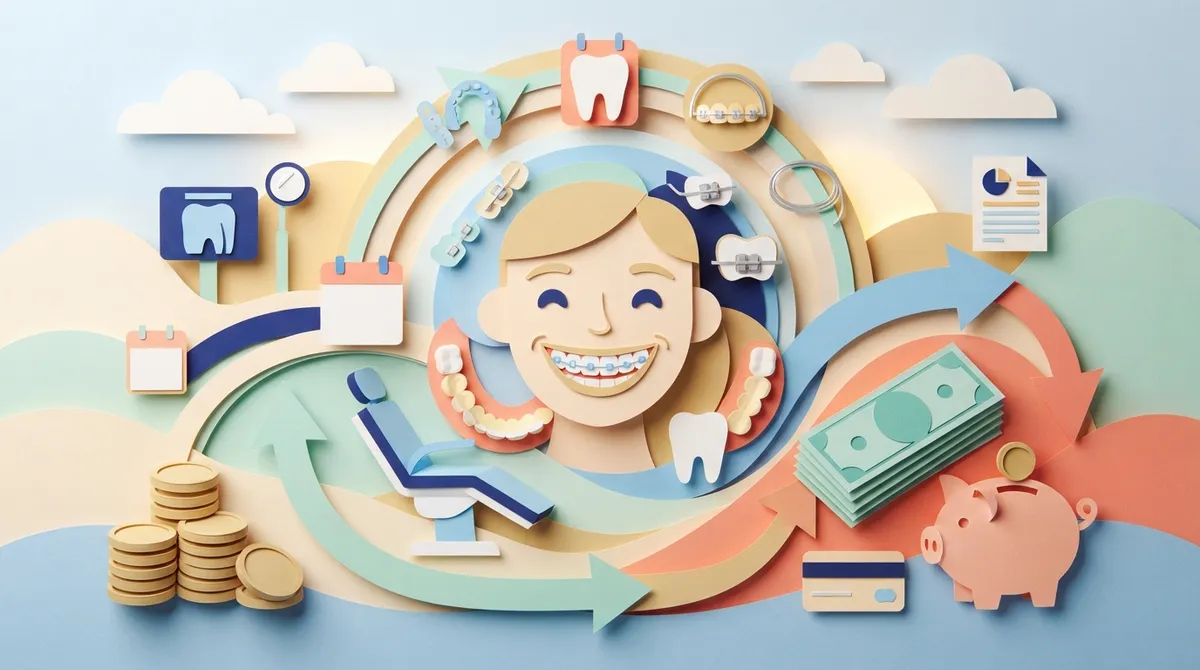
Across the U.S., orthodontic treatment in 2026 typically runs between $3,000 and $10,000 or more. Most patients land somewhere around $5,000 to $6,500 for a full course of care. According to the American Dental Association, comprehensive orthodontic treatment averages roughly $5,000 to $6,000, though this can shift based on where you live and the complexity of your case.
Some sources cite national averages as high as $9,221 for more complex cases without insurance help. That is a wide range, and it makes sense once you consider how many variables go into pricing a smile transformation. Let’s walk through the biggest cost drivers one by one.
Why Prices Vary So Much
- The type of appliance you choose (metal, ceramic, clear aligners, or lingual braces)
- How complex your bite or alignment issue is
- The expected length of your treatment plan
- Your geographic location and local cost of living
- Whether you have dental insurance or a flexible payment plan
Understanding these factors is the first step toward budgeting wisely for your orthodontic services.
2. Metal Braces: The Classic, Budget-Friendly Choice
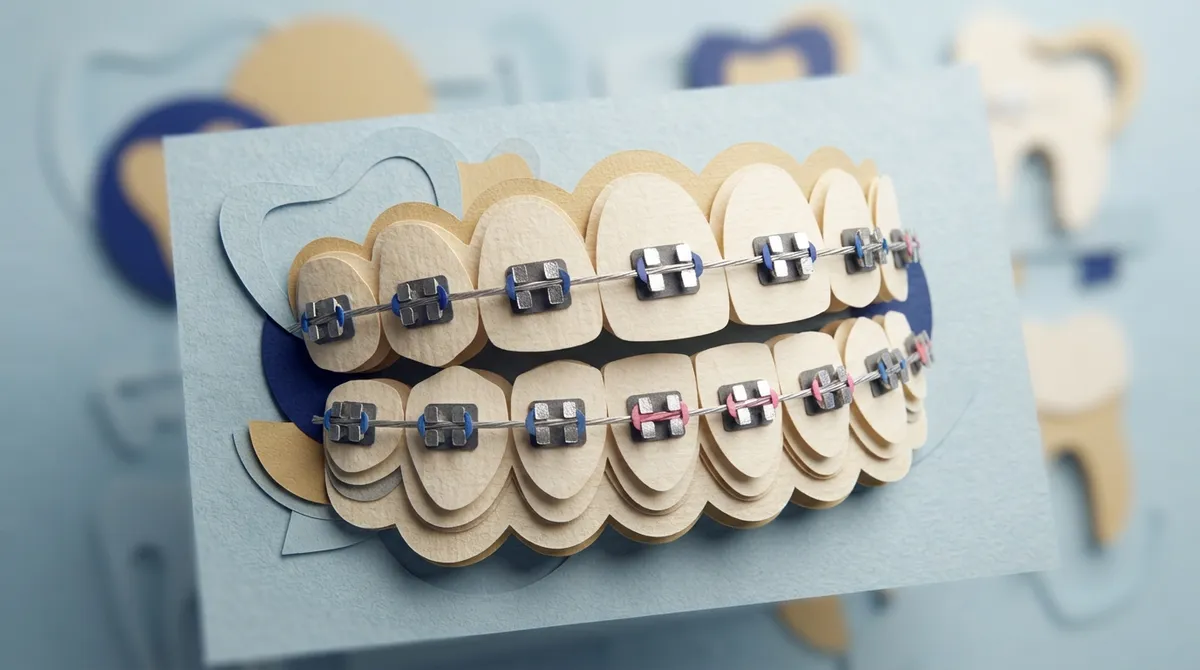
Traditional metal braces remain one of the most affordable and effective options available. They typically cost between $3,000 and $7,500 for a full treatment course, depending on complexity and length of care.
Metal braces have come a long way from the bulky designs of decades past. Today’s brackets are smaller, more comfortable, and just as reliable at fixing crowding, gaps, and bite issues. Many teens and even adults choose metal braces because they get the job done efficiently and affordably. You can learn more about how these work on our All About Braces page.
3. Ceramic Braces: A More Discreet Option
Ceramic braces use tooth-colored or clear brackets, making them less noticeable than metal. Because of the specialized materials, they generally cost more, ranging from about $4,000 to $8,500.
This option is popular with image-conscious teens and adults who still want the strength of traditional braces without the obvious metallic look. If you are torn between looks and function, this could be your sweet spot.
4. Clear Aligners: Flexible and Nearly Invisible
Clear aligners, like our Spark™ Clear Aligners, commonly cost between $3,000 and $9,000, with many cases falling around $5,000 to $7,000. Spark™ aligners offer a more affordable alternative to some other clear aligner brands, while still delivering that nearly invisible, comfortable experience patients love.
Busy professionals and image-conscious adults often gravitate toward clear aligners because they are removable, discreet, and fit into demanding schedules. Whether you are prepping for a big presentation or a weekend wedding, you can pop them out for photos and special occasions.
Who Tends to Choose Clear Aligners?
- Working professionals who need a discreet option for meetings and client calls
- Teens and young adults preparing for prom, graduation, or senior photos
- Adults returning for retreatment after orthodontic relapse
- Anyone who prefers removable trays over fixed brackets
5. Lingual Braces: The Priciest Path to a Hidden Smile
Lingual braces attach to the back of your teeth, making them essentially invisible from the front. This customization comes at a cost, typically $8,000 to $13,000, making them the most expensive orthodontic option on the market.
While lingual braces are not the most common choice, they can be a great fit for performers, public speakers, or anyone who wants zero visible hardware during treatment. It is worth discussing whether this option truly fits your lifestyle and budget during a consultation.
6. What Makes Treatment More or Less Expensive
Not every smile is the same, and neither is every price tag. Here are the biggest factors that push costs up or down:
- Case complexity: Severe bite problems, jaw misalignment, or missing teeth often require more time and specialized care.
- Treatment length: Short, limited plans cost less than comprehensive, multi-year treatment.
- Two-phase treatment: Kids who need early intervention plus a second phase later may see higher overall costs, but better long-term results.
- Appliance type: As we covered above, metal is generally the most affordable, while lingual braces sit at the top of the price range.
- Location: Costs in Florida can differ from other states due to local market rates and overhead.
If your child shows early signs of alignment issues, exploring Early Treatment options can sometimes reduce the complexity (and cost) of treatment down the road.
7. Insurance, Financing, and Payment Plans
Here is some good news: you rarely have to pay the full cost upfront. Many dental insurance plans offer partial coverage for orthodontic treatment, especially for children. Even without insurance, most orthodontic offices, including ours, offer monthly payment plans to spread out the cost over the length of treatment.
At Brockway Orthodontics, we work hard to make treatment accessible for families throughout Clearwater. We encourage you to review our Financing and Insurance options so you know exactly what to expect before you commit.
Common Ways to Manage Orthodontic Costs
- Check your dental insurance for orthodontic riders or partial coverage
- Ask about in-house monthly payment plans with little to no interest
- Use a Flexible Spending Account (FSA) or Health Savings Account (HSA)
- Look into third-party financing options with manageable monthly terms
- Ask your orthodontist about multi-child or family discounts
The Florida Association of Orthodontists recommends discussing payment options during your very first consultation so there are no surprises later.
8. Average Cost Comparison Table
Here is a quick snapshot to help you compare your options side by side:
| Treatment Type | Typical Cost Range | Best For |
|---|---|---|
| Metal Braces | $3,000 – $7,500 | Budget-conscious patients, teens, complex cases |
| Ceramic Braces | $4,000 – $8,500 | Patients wanting a discreet, tooth-colored look |
| Clear Aligners (Spark™) | $3,000 – $9,000 | Professionals, teens, and adults wanting flexibility |
| Lingual Braces | $8,000 – $13,000 | Patients wanting completely hidden hardware |
Keep in mind these numbers are general estimates. Your exact price depends on your specific case, so nothing beats an in-person evaluation.
Cost by Age Group: What to Expect
Orthodontic pricing can shift slightly depending on the patient’s age and treatment goals. Here is a simple breakdown:
| Patient Group | Typical Focus | Cost Considerations |
|---|---|---|
| Children (Ages 7-11) | Early/interceptive treatment | May be lower cost per phase, but two phases possible |
| Teens (Ages 12-18) | Comprehensive braces or aligners | Most common full treatment cost range applies |
| Adults (25-45+) | Discreet aligners, retreatment, bite correction | May cost more if addressing relapse or complex bite issues |
Whether you are researching Adolescent Treatment for your teenager or exploring Adult Treatment for yourself, understanding these general ranges helps you set realistic expectations.
Why Choose Brockway Orthodontics in Clearwater
Dr. Brockway is more than a qualified orthodontist in Clearwater, FL. She takes the time to listen to your concerns and goals, so you feel comfortable and informed at every step. Our practice combines modern technology, like digital impressions and 3D imaging, with a warm, family-first approach that makes every visit feel welcoming.
We also offer same-day treatment options in certain cases, so busy families do not have to juggle multiple appointments just to get started. From your very first visit to your final retainer check, we walk beside you the whole way. Learn what to expect by visiting our Your First Visit page, and don’t forget to check out real patient experiences by visiting our Brockway Orthodontics location on Google.
What Sets Our Care Apart
- Personalized treatment plans built around your goals, not a one-size-fits-all approach
- Affordable options including metal braces, ceramic braces, and Spark™ Clear Aligners
- Friendly, judgment-free consultations for kids, teens, and adults alike
- Flexible financing designed to fit real family budgets
- A genuine love for the Clearwater community and its families
You can also stay connected with us and see smile transformations by following along on Instagram or Facebook. For professional updates and community involvement, check out our LinkedIn page as well.
Final Thoughts on Orthodontic Costs
So, how much does an orthodontist cost? The honest answer is: it depends on your unique smile, your chosen appliance, and how you plan to pay. But one thing is certain, investing in orthodontic care is investing in your confidence, your comfort, and your long-term oral health.
If you are ready to get real numbers specific to your smile, there is no better next step than a personalized consultation. Book your appointment online today, or get in touch with our friendly Clearwater team to start your journey toward a smile you will love showing off.
FAQs
Q: How much do braces cost without insurance?
A: Without insurance, braces typically run between $3,000 and $7,500 for metal braces, and up to $8,500 for ceramic options. Don’t worry though, many practices, including ours, offer monthly payment plans to make things easier on your wallet.
Q: How much does Invisalign cost compared with braces?
A: Clear aligners like our Spark™ system typically cost between $3,000 and $9,000, similar to or sometimes a bit more than traditional braces. The exact price really depends on how complex your case is, so a consultation gives you the clearest picture.
Q: Do orthodontists offer monthly payment plans?
A: Absolutely, and we are big believers in making treatment accessible! Most orthodontic offices, including Brockway Orthodontics, offer flexible monthly plans so you can spread out the cost over your treatment timeline.
Q: Is orthodontic treatment covered by dental insurance?
A: Many dental insurance plans offer partial coverage for orthodontic care, especially for kids and teens. It is always worth checking your specific plan, and our team is happy to help you understand your benefits.
Q: What is the average cost of orthodontic treatment for adults?
A: Adults typically pay in the same general range as teens, around $5,000 to $6,500 for comprehensive treatment. However, costs can run higher if you are addressing relapse from previous orthodontic work or more complex bite issues.
Our Service Area