Key Takeaways
-
A correct bite means your upper and lower teeth meet comfortably with front teeth slightly overlapping and back teeth interlocking; misalignment affects 56% of people globally and is highly treatable with modern orthodontic options.
-
Eight key signs your bite needs correction include uneven tooth meeting, jaw clicking or soreness, trouble chewing tough foods, mouth breathing, speech changes, frequent cheek/tongue biting, uneven tooth wear, and facial asymmetry.
-
Bite problems stem from genetics, thumb sucking past toddler age, early baby tooth loss, mouth breathing from allergies, jaw injuries, missing teeth, or poor dental care—making early evaluation by age 7 important for children.
-
Orthodontists treat bite issues with metal/ceramic braces (18-30 months), clear aligners like Spark™ (12-18 months for mild-moderate cases), or jaw surgery for severe skeletal problems; treatment timelines vary based on severity.
-
Class I malocclusion (roughly normal bite with crowding) is most common at 51.9%, followed by Class II overbite at 23.8% and Class III underbite at 6.5%; early treatment prevents worsening and avoids complex interventions.
-
Wearing a retainer after treatment is crucial to prevent bite relapse; many patients undo months or years of work by skipping this step, making it the most commonly overlooked part of bite correction.
Ever notice your jaw clicking when you chew, or your teeth not quite lining up when you bite down? You’re not alone. A correct bite means your upper and lower teeth meet comfortably and work together smoothly. When they don’t, it’s called malocclusion, and it’s more common than you might think. In fact, research shows malocclusion affects about 56% of people worldwide, with rates as high as 81% in some regions.
Here at Brockway Orthodontics in Clearwater, we see patients every day who didn’t realize their bite problems were fixable, or even that they had one at all. Some folks just think a little jaw popping or crooked teeth is normal. It’s not always something to worry about, but it’s worth knowing the signs so you can get help if you need it.
This friendly guide walks you through 8 clear signs your bite might need some attention. We’ll also cover what causes bite problems, how orthodontists fix them, and what you can expect from treatment. Whether you’re a parent watching your child’s smile develop, a busy professional thinking about clear aligners, or an adult wondering if it’s too late to fix things, this one’s for you.
What Does a Correct Bite Actually Mean?
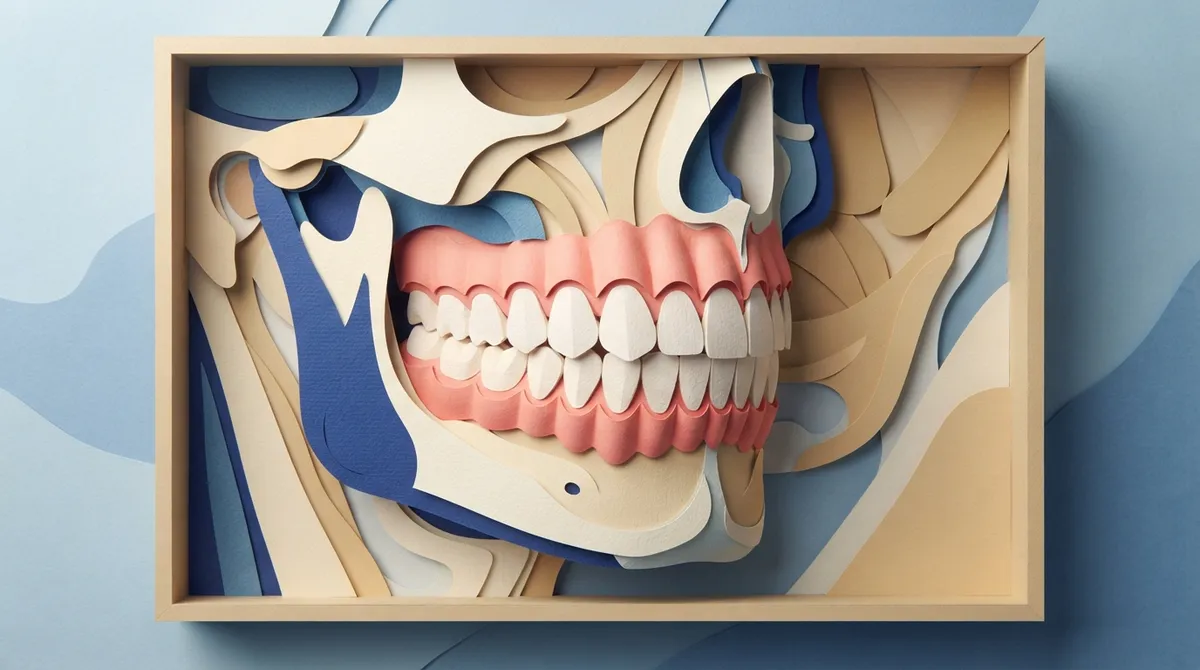
A correct bite happens when your top and bottom teeth fit together the right way. Your front teeth should slightly overlap your bottom teeth. Your back teeth should interlock like puzzle pieces when you chew. This proper fit helps you eat, speak, and even breathe more comfortably.
When things don’t line up right, dentists and orthodontists call it malocclusion. This word just means “bad bite.” It can be mild and barely noticeable, or severe enough to cause pain and other problems. According to the American Dental Association, bite issues can affect much more than just how your smile looks.
The Three Main Types of Malocclusion
Orthodontists usually sort bite problems into three main categories. Understanding these can help you talk to your orthodontist about what’s going on with your smile.
- Class I: This is the most common type. Your bite is roughly normal, but there might be crowding, spacing, or minor rotation of individual teeth.
- Class II (Overbite): Your upper teeth and jaw sit too far forward compared to your lower teeth. This is sometimes called a “retrognathic” bite.
- Class III (Underbite): Your lower jaw sticks out further than your upper jaw, making your bottom teeth sit in front of your top teeth.
Studies show Class I malocclusion makes up about half of all cases, with Class II following behind and Class III being the least common. Still, all three types can benefit from treatment with braces or other orthodontic tools.
8 Signs Your Bite Might Need Correcting
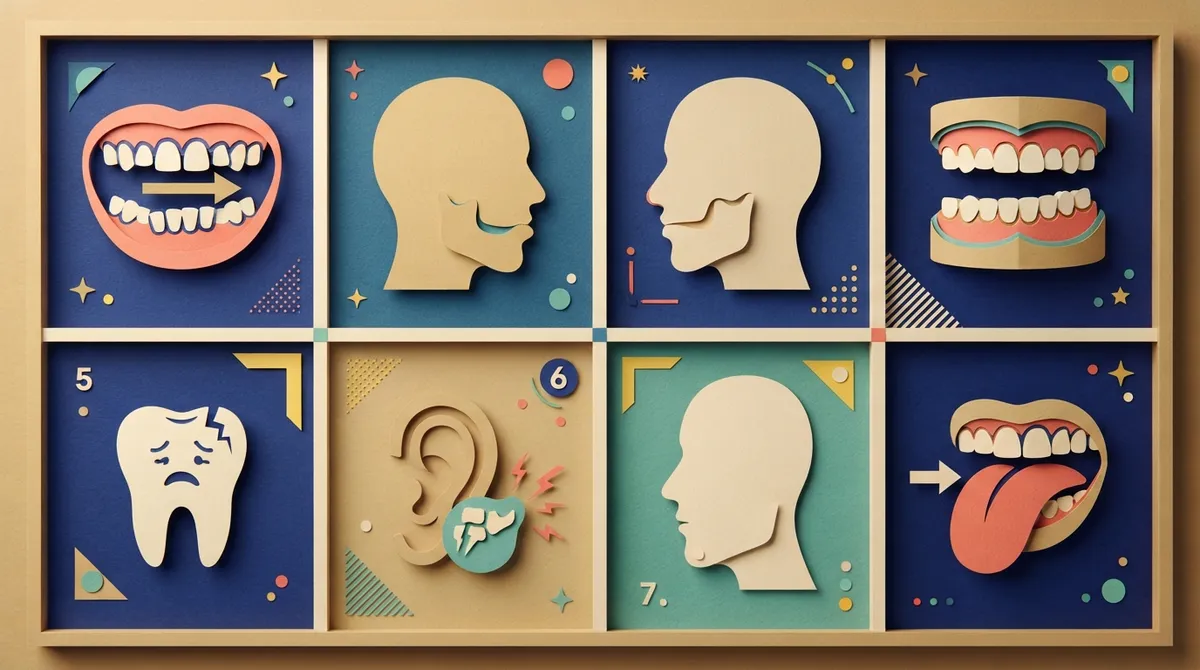
So how do you know if your bite needs fixing? Here are eight signs to watch for, whether you’re checking on your child or noticing changes in your own mouth.
- Your teeth don’t meet evenly when you bite down. If you notice gaps or an uneven meeting point, that’s a red flag.
- You have trouble chewing certain foods. Struggling with tougher foods like meat or apples can point to a bite problem.
- Your jaw clicks, pops, or feels sore. This can be a sign your jaw joint is under strain from a misaligned bite.
- You breathe through your mouth often. Bite problems can sometimes affect airway space and breathing patterns.
- Your speech is affected. Some bite issues, like an open bite, can cause lisps or unclear speech.
- You bite your cheek or tongue frequently. This often happens when teeth don’t line up the way they should.
- Your teeth show uneven wear. Flat spots or excessive wear on certain teeth can mean your bite is putting pressure in the wrong places.
- Your face looks uneven or asymmetrical. In more serious cases, jaw misalignment can actually change facial appearance over time.
If any of these sound familiar, it might be time to schedule a visit. Learning what to expect during your first visit can help ease any worries about starting treatment.
What Causes Bite Problems in the First Place?
Bite problems can come from a bunch of different places. Some are things we’re born with, and others develop over time from habits or injuries.
- Genetics (bite issues often run in families)
- Thumb sucking or pacifier use past toddler age
- Early loss of baby teeth
- Mouth breathing due to allergies or enlarged tonsils
- Jaw injuries or trauma
- Missing or extra teeth
- Poor dental care leading to decay and tooth loss
Kids and adults both deal with these issues, though the causes can look a little different depending on age. That’s why we offer both adolescent treatment and adult treatment plans tailored to different needs.
How Common Are Bite Problems, Really?
You might be surprised just how many people deal with some form of malocclusion. Here’s a quick breakdown of the numbers from recent research.
| Region or Category | Prevalence |
|---|---|
| Worldwide average | 56% |
| Africa | 81% |
| Europe | 72% |
| Americas | 53% |
| Asia | 48% |
| Class I malocclusion (average) | 51.9% |
| Class II malocclusion (average) | 23.8% |
| Class III malocclusion (average) | 6.5% |
These numbers show that bite issues are incredibly common, no matter where you live. About 20% of people have some deviation from an ideal bite, and roughly 2% of cases are severe enough to be considered disfiguring. That’s exactly why orthodontic care exists, to help people feel confident and comfortable in their own smile.
How Orthodontists Fix a Bad Bite
The good news? Bite problems are very treatable. Orthodontists have several tools and techniques to correct even complex cases. Here’s a rundown of the most common options.
Braces and Clear Aligners
Traditional metal braces are still one of the most effective ways to correct a bad bite. They gently move teeth and can also help guide jaw growth in younger patients. For those wanting something less noticeable, Spark™ Clear Aligners offer a comfortable, nearly invisible option that’s more affordable than some other aligner brands on the market.
Other Treatment Tools
Depending on the severity of the bite issue, your orthodontist might recommend additional tools alongside braces or aligners.
- Headgear (used mostly in growing children to guide jaw development)
- Palatal expanders to widen a narrow upper jaw
- Tooth extraction to relieve crowding
- Restorative dental work for missing or damaged teeth
- Jaw surgery for severe skeletal cases (used only when necessary)
Most bite problems can be treated without surgery, especially when caught early. That’s part of why we’re big believers in early treatment for kids, catching issues before they become bigger problems down the road.
Comparing Your Treatment Options
Not sure which option fits your lifestyle? Here’s a simple comparison to help guide the conversation with your orthodontist.
| Treatment | Best For | Visibility | Typical Timeline |
|---|---|---|---|
| Metal Braces | Complex bite issues, kids and teens | Visible | 18-30 months |
| Ceramic Braces | Teens and adults wanting a subtler look | Less visible | 18-30 months |
| Spark™ Clear Aligners | Mild to moderate bite issues, adults | Nearly invisible | 12-18 months |
| Jaw Surgery | Severe skeletal bite problems | N/A (surgical) | Varies, longer recovery |
Every mouth is different, so these timelines can shift depending on your specific situation. That’s why a personalized consultation makes such a big difference in setting realistic expectations.
Steps to Getting Your Bite Corrected
If you think you might have a bite problem, here’s a simple step-by-step process for what typically happens next.
- Schedule a consultation with an orthodontist to evaluate your bite.
- Get X-rays, photos, and digital impressions to map out your treatment plan.
- Discuss your options, whether braces, clear aligners, or additional tools.
- Begin treatment with regular check-ins to track your progress.
- Wear a retainer after treatment to keep your new bite in place.
Retainers are a crucial final step many people overlook. Skipping this part can undo months or years of hard work, so check out our guide on retainers to learn why they matter so much.
Why Choose Brockway Orthodontics for Your Bite Correction
Dr. Brockway and our team genuinely care about every patient who walks through our doors in Clearwater. We take time to listen to your concerns, explain your options in plain language, and create a treatment plan that fits your life, not the other way around.
We use modern technology like digital impressions and 3D imaging, so you skip the messy molds and get a more precise treatment plan from day one. In certain cases, we can even offer same-day treatments so busy families don’t need multiple appointments just to get started.
Curious what other patients think? You can visit us on Google — Brockway Orthodontics to read real reviews from Clearwater families just like yours. You can also connect with us on Facebook or follow along on Instagram for smile transformations and helpful tips.
Bite Correction for Every Stage of Life
Bite problems don’t just affect kids. We treat patients of all ages, and honestly, it’s never too late to fix your bite. Here’s how treatment needs can differ by age group.
For Parents of Young Kids and Teens
Catching bite problems early, sometimes as young as age 7, can prevent bigger issues later. Early evaluation lets us guide jaw growth before it becomes a bigger challenge. Many parents don’t realize the Florida Association of Orthodontists recommends an orthodontic check-up by age 7, even if braces aren’t needed right away.
For Teens and Young Adults
Whether it’s for a big graduation photo or just feeling confident at school, teens often want fast, effective, and stylish options. Clear aligners and ceramic braces are popular picks for this age group.
For Busy Professionals
If you’re juggling meetings and a packed calendar, discreet treatment matters. Clear aligners let you straighten your bite without drawing attention in the boardroom.
For Adults Dealing With Relapse
Had braces years ago but noticed your teeth shifting back? This is more common than you’d think, especially if retainers weren’t worn consistently. We offer retreatment options designed specifically for this situation.
No matter your age or situation, our full range of services is designed to meet you exactly where you are.
Ready to Get Your Bite Checked?
A correct bite isn’t just about looking good in photos, though that’s a nice bonus. It’s about chewing comfortably, speaking clearly, and protecting your teeth from unnecessary wear over the years. If you noticed even one or two signs from our list above, it’s worth getting a professional opinion.
Our team at Brockway Orthodontics is here to walk you through every step, from your first visit to your final retainer check. We serve families throughout Clearwater and the surrounding area, and we’d love to help you or your loved one achieve a comfortable, confident smile. Ready to get started? Book appointment online today and take the first step toward a healthier, more comfortable bite. Have questions before booking? Feel free to contact us and our friendly team will be happy to help.
FAQs
Q: What is a correct bite in orthodontics?
A: A correct bite means your upper and lower teeth fit together comfortably when you chew and close your mouth. Your front teeth should slightly overlap, and your back teeth should interlock nicely. When things don’t line up right, we call it malocclusion, and it’s very treatable!
Q: How do I know if my bite is misaligned?
A: Common signs include uneven meeting of your teeth, jaw clicking or soreness, trouble chewing, and uneven tooth wear. If any of these sound familiar, it’s a great idea to schedule a check-up. We’re always happy to take a look and put your mind at ease.
Q: Can braces fix a bad bite?
A: Yes, braces are one of the most reliable ways to correct bite problems, whether it’s an overbite, underbite, or crowding. They gently guide your teeth and jaw into a healthier position over time. Many of our Clearwater patients see wonderful results with traditional or ceramic braces.
Q: Do clear aligners correct bite problems too?
A: Absolutely, clear aligners like our Spark™ system can correct many mild to moderate bite issues. They’re a great fit for busy adults and teens who want a more discreet treatment option. Your orthodontist can help determine if aligners are right for your specific case.
Q: How long does it take to fix a bite?
A: Treatment time varies based on how severe your bite issue is, but most cases take between 12 and 30 months. Milder cases with clear aligners sometimes move faster, while complex bites may take longer. We’ll give you a personalized timeline during your first consultation.
Our Service Area