Key Takeaways
-
Severe pain beyond normal discomfort is a critical sign to seek immediate emergency orthodontic care in Tampa.
-
Broken or loose brackets can disrupt tooth movement and require urgent professional repair to maintain treatment progress.
-
Protruding wires causing soft tissue injury need professional trimming and should be temporarily covered with orthodontic wax.
-
Significant swelling, fever, or signs of infection demand immediate medical intervention and orthodontic assessment.
-
Mouth trauma during orthodontic treatment requires urgent evaluation to prevent long-term damage to teeth and appliances.
-
Lost or damaged clear aligners can quickly shift teeth and need prompt replacement or professional guidance.
-
Persistent mouth sores or ulcers from orthodontic appliances lasting over a week require professional examination and potential adjustment.
Orthodontic emergencies can strike without warning, leaving you in pain and uncertain about what to do next. Whether you’re dealing with a broken bracket, a poking wire, or sudden tooth pain, knowing when to seek emergency orthodontic care in Tampa is crucial for protecting your treatment progress and oral health. Tampa residents have access to experienced orthodontists who understand that emergencies don’t wait for regular business hours, and immediate intervention can prevent complications that might extend your treatment timeline.
Understanding the difference between a minor inconvenience and a true orthodontic emergency helps you make informed decisions about your care. While some issues can wait until your next scheduled appointment, others require immediate attention to prevent damage to your teeth, gums, or orthodontic appliances. This comprehensive guide walks you through nine critical situations that warrant contacting an emergency orthodontist in Tampa, along with practical first-aid measures you can take at home before your emergency visit.
1. Severe Pain That Over-the-Counter Medication Cannot Relieve
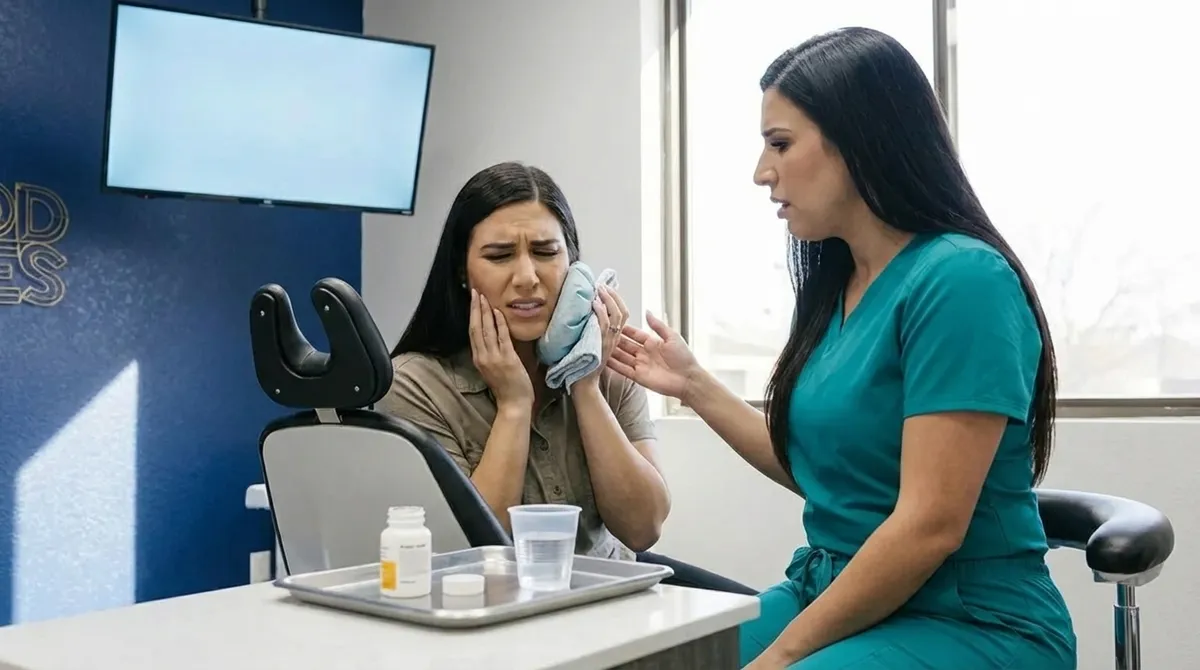
Mild discomfort after adjustments is normal and typically subsides within a few days. However, intense, persistent pain that doesn’t respond to over-the-counter pain relievers like ibuprofen or acetaminophen signals a potential problem requiring immediate professional evaluation. This type of pain might indicate an infection, an appliance component pressing into soft tissue, or an underlying dental issue that has been aggravated by orthodontic treatment.
When experiencing severe pain, first rinse your mouth with warm salt water to reduce inflammation and examine your braces or aligners for any obvious problems. If you notice a wire or bracket causing irritation, try covering it with orthodontic wax as a temporary measure. However, if the pain persists beyond a few hours or intensifies, contact an emergency orthodontist immediately. Tampa orthodontic practices like Brockway Orthodontics understand that pain management is crucial for patient comfort and treatment success.
Distinguishing Normal Discomfort from Emergency Pain
Normal orthodontic discomfort feels like pressure or soreness across multiple teeth and gradually decreases over 3-5 days. Emergency-level pain is typically sharp, localized to one area, and may be accompanied by swelling, bleeding, or visible damage to your appliances. According to the American Dental Association, any dental pain that interferes with eating, sleeping, or daily activities warrants professional attention within 24 hours.
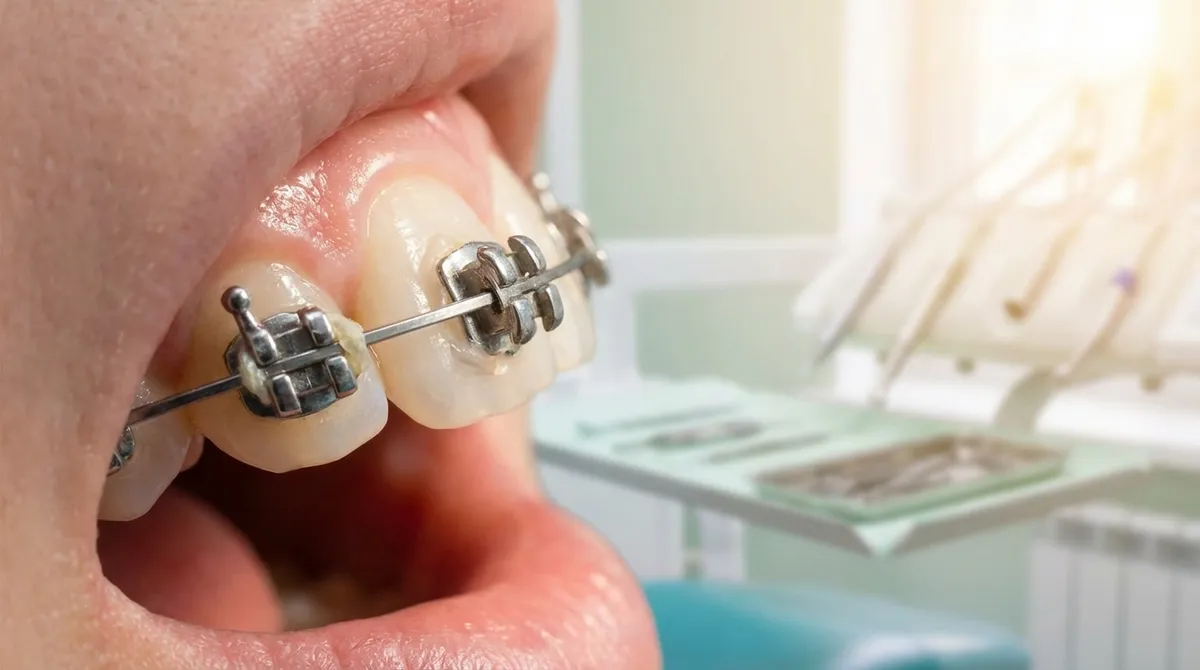
2. Broken or Loose Brackets That Risk Tooth Damage
Brackets are designed to withstand normal chewing forces, but they can occasionally detach from teeth due to trauma, eating hard or sticky foods, or natural bonding material failure. A loose bracket that remains attached to the wire but slides along it usually isn’t an immediate emergency, though you should schedule a repair appointment soon. However, a completely detached bracket, especially one that’s cutting your cheek or causing pain, requires urgent attention from an emergency orthodontist in Tampa.
If a bracket breaks, save all the pieces and bring them to your appointment. In the meantime, you can use orthodontic wax to secure a loose bracket temporarily and prevent it from irritating your mouth. Avoid manipulating the bracket excessively, as this could damage the tooth surface or bend the archwire. The Florida Association of Orthodontists recommends contacting your orthodontist the same day a bracket breaks to prevent treatment delays and ensure proper repositioning.
Why Timely Bracket Repair Matters
Each bracket applies specific pressure to move your tooth in a predetermined direction. When a bracket detaches, that tooth stops moving according to your treatment plan, potentially extending your overall treatment time. More concerning is that surrounding teeth may shift incorrectively without the balancing force of the detached bracket, creating alignment issues that require correction.
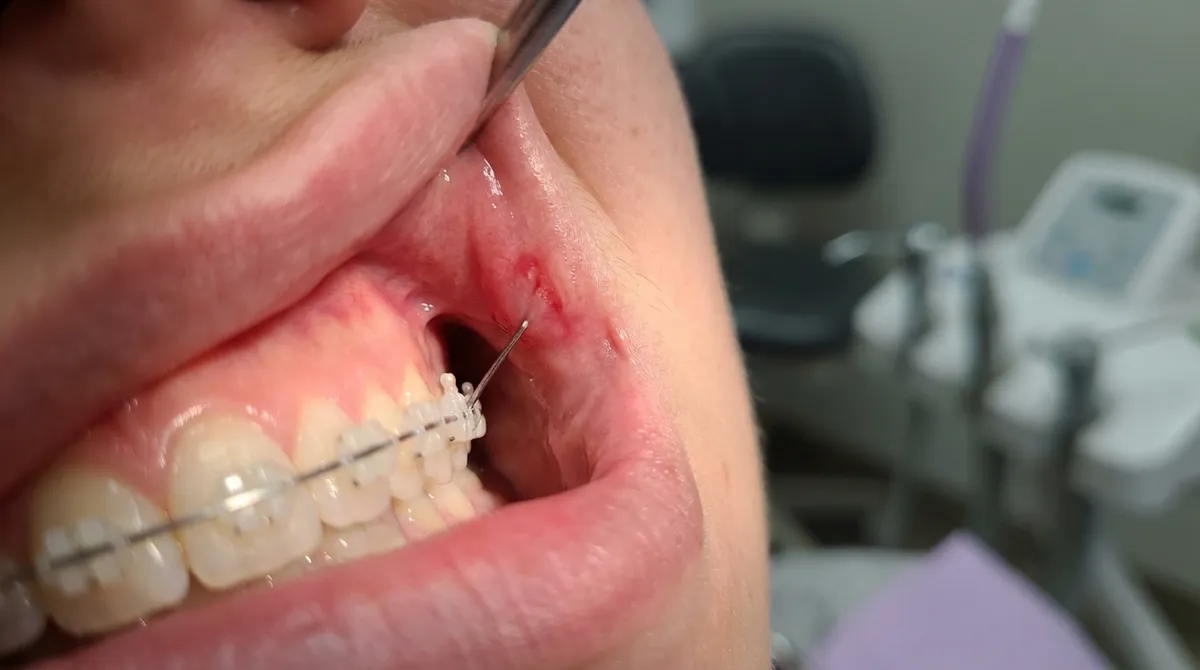
3. Protruding Wire Causing Soft Tissue Injury
As your teeth shift during orthodontic treatment, archwires can sometimes slide through the brackets and extend beyond the last bracket, creating a sharp end that pokes your cheek, tongue, or gums. This is one of the most common orthodontic emergencies and, while not typically dangerous, can cause significant discomfort and injury to soft tissues if left unaddressed. A protruding wire that’s causing cuts or sores in your mouth should be addressed by an emergency orthodontist in Tampa as soon as possible.
For immediate relief before your emergency appointment, try pushing the wire back into place using the eraser end of a pencil or a cotton swab. If the wire won’t move, cover the sharp end with orthodontic wax or a small piece of cotton secured with wax. Never attempt to cut the wire yourself with scissors or nail clippers, as you could accidentally swallow a piece or damage your appliances. Professional orthodontists have specialized tools to safely trim and reposition wires without compromising your treatment.
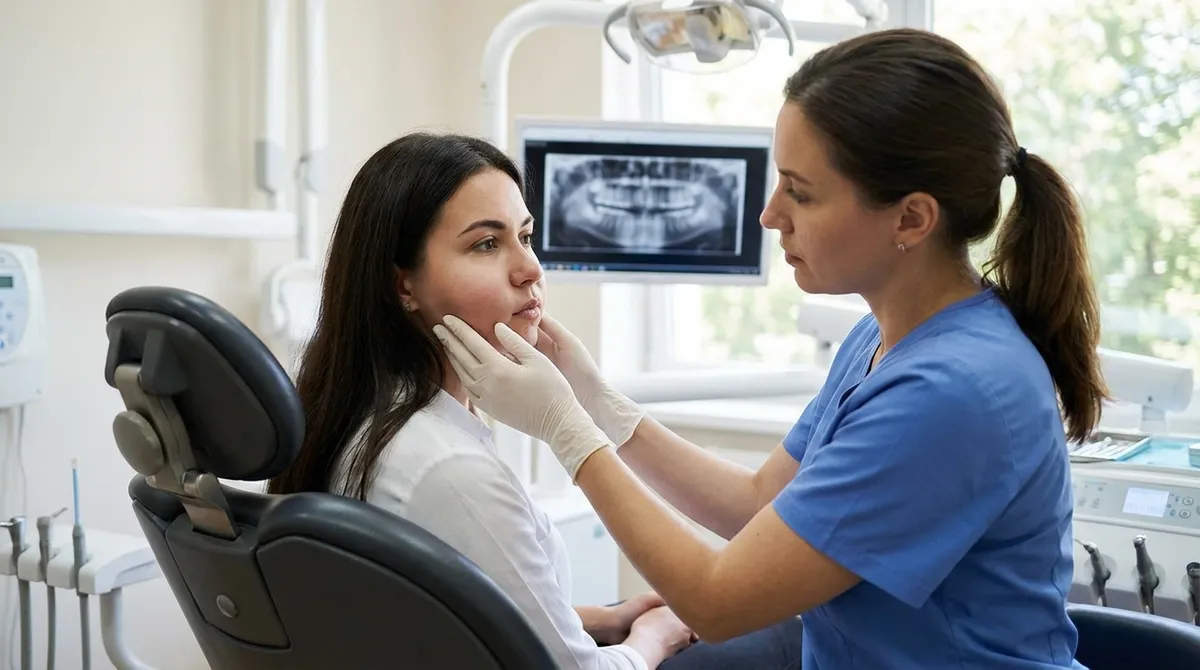
4. Severe Swelling or Signs of Infection
While minor gum inflammation is common during orthodontic treatment, severe swelling accompanied by fever, pus, or intense throbbing pain may indicate an abscess or infection requiring immediate medical intervention. Infections around orthodontic appliances can develop when bacteria accumulate in areas that are difficult to clean, or when irritation from brackets or wires creates an entry point for pathogens. These situations demand urgent care from both an emergency orthodontist in Tampa and potentially your general dentist or physician.
If you notice significant facial swelling, difficulty swallowing or breathing, or a fever above 101°F (38.3°C), seek emergency medical care immediately at an urgent care facility or emergency room. These symptoms could indicate a serious infection that requires antibiotics or drainage. After addressing the immediate medical concern, follow up with your orthodontist to assess whether your appliances contributed to the problem and whether any adjustments are needed. Maintaining excellent oral hygiene throughout your orthodontic treatment significantly reduces infection risk.
Preventing Infection During Orthodontic Treatment
Brush after every meal using a soft-bristled toothbrush and fluoride toothpaste, paying special attention to the areas around brackets and wires. Use an interdental brush or water flosser to clean hard-to-reach spaces, and rinse with an antibacterial mouthwash recommended by your orthodontist. Regular professional cleanings every 3-6 months help remove plaque buildup that home care might miss.
5. Trauma to the Mouth or Teeth During Treatment
Accidents happen, and facial trauma during orthodontic treatment requires immediate evaluation to assess damage to both your natural teeth and your appliances. Sports injuries, falls, or other impacts can dislodge brackets, bend wires, chip teeth, or even knock teeth loose. Even if your braces appear intact after an accident, internal damage to tooth roots or surrounding bone structure may have occurred, making evaluation by an emergency orthodontist in Tampa essential within hours of the incident.
After experiencing facial trauma, carefully rinse your mouth with cold water and apply a cold compress to reduce swelling. Check for loose or damaged teeth, and look for any parts of your braces that might be broken or protruding. If a tooth has been knocked out, handle it by the crown (not the root), rinse it gently if dirty, and try to reinsert it into the socket if possible. If you cannot reinsert it, place it in a container of milk or saliva and seek emergency care immediately. Time is critical for saving knocked-out teeth, with the best outcomes occurring when reimplantation happens within 30 minutes.
6. Lost or Damaged Clear Aligners Mid-Treatment
For patients undergoing clear aligner therapy like Spark™ Clear Aligners, losing or severely damaging an aligner can disrupt treatment progress. While this isn’t typically a medical emergency in the traditional sense, it does require prompt action to prevent teeth from shifting back toward their original positions. If you’re unable to locate your current aligner or if it’s cracked beyond use, contact an emergency orthodontist in Tampa to discuss whether you should move to your next set of aligners or return to your previous set temporarily.
Most orthodontists recommend keeping your previous aligner set as a backup for situations like this. If your current aligner is lost and you have your previous set, wear it to maintain your progress until you can get a replacement or advance to the next stage. Never skip wearing aligners for extended periods, as teeth can shift surprisingly quickly—sometimes within just 24-48 hours. Your orthodontist can assess whether you need replacement aligners fabricated or if you can continue with your next set in the sequence.
When to Advance vs. Retreat with Aligner Sets
If you’re within the last 2-3 days of wearing your current aligner and it fits comfortably, your orthodontist might recommend moving to the next set. However, if you’re in the early days of a new aligner or your previous aligner feels tight when you try it on, reverting to the previous set maintains your progress better than going without any aligner at all.
7. Persistent Mouth Sores or Ulcers from Appliances
Canker sores and mouth ulcers are common when you first get braces or after adjustments, as your mouth adapts to the new appliances. However, sores that persist for more than a week, continue to grow, or prevent you from eating or speaking normally warrant evaluation by an emergency orthodontist in Tampa. Chronic irritation from orthodontic appliances can lead to more serious soft tissue damage if left untreated, and adjustments to your braces may be necessary to prevent ongoing problems.
For temporary relief from mouth sores, rinse with warm salt water several times daily and apply a small amount of over-the-counter oral gel containing benzocaine to numb the area. Orthodontic wax creates a protective barrier between your appliances and the sore, giving it time to heal. Avoid acidic, spicy, or rough-textured foods that can further irritate the affected area. If the sore develops a white or yellow center with red borders and becomes increasingly painful, it might be a canker sore requiring additional treatment beyond simple appliance adjustment.
8. Loose or Dislodged Expander or Other Appliance
Palatal expanders, space maintainers, and other specialized orthodontic appliances serve critical functions in your treatment plan. When these devices become loose or dislodged, they not only fail to provide the intended correction but can also become choking hazards or cause injury to your tongue and soft palate. A loose expander or similar appliance requires immediate attention from an emergency orthodontist in Tampa to prevent complications and keep your treatment on track.
If you notice your appliance feels loose, stop trying to adjust it yourself and avoid eating hard or chewy foods that might dislodge it further. If a removable appliance breaks, save all the pieces and bring them to your emergency appointment. For fixed appliances like expanders that have partially detached, try to avoid touching the area with your tongue and maintain your normal oral hygiene routine around the appliance as much as possible. Your orthodontist will need to assess whether the appliance can be recemented or if a new one needs to be fabricated.
The Role of Specialized Appliances in Treatment
Devices like palatal expanders work on a specific timeline to widen the upper jaw before growth plates fuse, making timely repairs essential. Delays in addressing appliance failures during critical growth periods can necessitate more invasive treatments later or extend your overall treatment duration significantly. Learn more about various orthodontic appliances and their functions through comprehensive orthodontic services.
9. Difficulty Breathing or Swallowing Due to Orthodontic Appliances
While extremely rare, any breathing difficulty or severe swallowing problems associated with your orthodontic appliances constitutes a true medical emergency requiring immediate care. These symptoms might indicate an allergic reaction to materials used in your braces, severe swelling from an infection, or a dislodged component obstructing your airway. If you experience sudden onset of breathing difficulties, tightness in your throat, or inability to swallow, call 911 immediately or go to the nearest emergency room before contacting an emergency orthodontist in Tampa.
After the immediate medical emergency is addressed, your orthodontist will need to evaluate whether your appliances contributed to the problem and whether alternative materials or treatment approaches are necessary. Some patients have latex allergies or sensitivities to nickel, which is present in some orthodontic wires and brackets. If you have known allergies, inform your orthodontist before treatment begins so hypoallergenic materials can be selected. Modern orthodontics offers numerous material alternatives to accommodate patients with various sensitivities and allergies.
What to Do Before Your Emergency Orthodontic Appointment
When you’ve identified an orthodontic emergency and scheduled an appointment with an emergency orthodontist in Tampa, taking appropriate first-aid measures at home can provide relief and prevent the situation from worsening. Start by thoroughly but gently cleaning your mouth with warm water to remove any food debris and assess the extent of the problem. Take photographs of the issue from multiple angles if possible, as visual documentation helps your orthodontist understand what happened and may expedite your appointment.
Gather your orthodontic supplies, including orthodontic wax, which can cover sharp edges or secure loose components temporarily. If you’re experiencing pain, take over-the-counter pain medication according to package directions. Apply a cold compress to the outside of your face if you have swelling, using 20-minute intervals to prevent tissue damage from prolonged cold exposure. Avoid eating hard, sticky, or chewy foods that could worsen the problem, and stick to soft foods that require minimal chewing until your appliances are repaired.
Essential Items for Your Orthodontic Emergency Kit
Keep an orthodontic emergency kit at home containing: orthodontic wax, a small mirror for self-examination, over-the-counter pain relievers, topical oral anesthetic gel, salt for mouth rinses, tweezers for removing loose pieces, and your orthodontist’s emergency contact information. Having these items readily available helps you manage minor emergencies and provides comfort while waiting for professional care.
Preventing Common Orthodontic Emergencies
While not all orthodontic emergencies are preventable, you can significantly reduce your risk by following your orthodontist’s care instructions carefully. Avoid foods that commonly damage braces, including hard candies, ice, popcorn kernels, whole apples and carrots (cut them into small pieces instead), sticky caramels, and chewy bagels. When participating in sports or physical activities, always wear a mouthguard designed for orthodontic patients, which provides protection for both your teeth and your appliances.
Maintain excellent oral hygiene to prevent the gum disease and tooth decay that can complicate orthodontic treatment. Brush after every meal using proper technique, floss daily with floss threaders or a water flosser, and attend all scheduled adjustment appointments so your orthodontist can identify and address potential problems before they become emergencies. If you grind your teeth at night (bruxism), discuss this with your orthodontist, as a nightguard might be recommended to protect your appliances and teeth from excessive force. Understanding all aspects of braces care helps you prevent many common problems.
The Importance of Having an Established Orthodontist in Tampa
One of the best ways to ensure prompt emergency care is to establish a relationship with a trusted orthodontist before you begin treatment. When you’re an existing patient, your orthodontist already knows your treatment plan, your specific appliances, and your dental history, allowing for faster, more accurate emergency care. Tampa residents benefit from choosing an experienced practice that offers emergency services and has protocols in place for handling urgent situations outside regular business hours.
At Brockway Orthodontics, Dr. Brockway and the team understand that orthodontic emergencies can cause anxiety and discomfort. They provide clear emergency contact information to all patients and prioritize same-day appointments for urgent situations whenever possible. This commitment to accessible, responsive care ensures that Tampa patients receive the prompt attention they need when orthodontic problems arise unexpectedly.
Questions to Ask When Choosing an Orthodontist
Before beginning treatment, ask potential orthodontists about their emergency protocols: What number should you call after hours? How quickly can they typically see emergency patients? Do they have weekend or evening availability for urgent situations? What should you do if an emergency occurs while traveling? Understanding these procedures before an emergency occurs reduces stress and ensures you know exactly what to do when problems arise.
Understanding the Cost Implications of Emergency Orthodontic Care
Many patients worry about the additional costs associated with emergency orthodontic visits. The good news is that most orthodontic practices include reasonable repairs and adjustments in their comprehensive treatment fees. Broken brackets, loose wires, and similar common issues that occur during normal treatment are typically addressed without additional charges beyond your agreed-upon treatment cost. However, damage resulting from non-compliance with care instructions (such as eating prohibited foods) or accidents may incur additional fees.
Before beginning orthodontic treatment, review your treatment contract carefully to understand what’s included and what might result in additional charges. Ask about insurance coverage for orthodontic emergencies if you have dental insurance, as some plans provide benefits for urgent care visits. Knowing the financial aspects in advance prevents surprises and helps you make informed decisions about seeking emergency care when needed. Transparent practices provide detailed cost information upfront and are willing to discuss payment options for any unexpected expenses.
When Regular Office Hours Are Sufficient
Not every orthodontic problem requires immediate emergency attention. Minor issues that can typically wait for your next scheduled appointment or regular office hours include: a small piece of wax or elastic that came off (you can replace these at home), minor discomfort after a recent adjustment (normal and expected), a loose elastic chain or ligature (the small colored rubber bands around brackets), or slight irritation that’s manageable with orthodontic wax. These situations, while inconvenient, don’t pose immediate risks to your oral health or treatment progress.
Use your judgment and consider the severity of symptoms, your ability to manage discomfort with home care, and whether the problem is worsening or stable. When in doubt, it’s always better to call your orthodontist’s office and describe the situation. The staff can help you determine whether you need an immediate appointment or if the issue can wait. Many practices offer telephone triage to help patients make appropriate decisions about the urgency of their situations, ensuring that truly urgent cases receive priority while avoiding unnecessary emergency visits for minor concerns.
The Role of Retainers in Post-Treatment Emergencies
Orthodontic emergencies don’t end when your braces come off. Retainer-related issues can also require urgent attention to prevent teeth from shifting back toward their original positions. A lost or broken retainer should prompt immediate contact with your orthodontist, as teeth can begin moving within days of stopping retainer wear. If your retainer cracks, becomes distorted, or no longer fits properly, continuing to wear it can actually harm your teeth or cause discomfort.
When retainer problems occur, try to wear your retainer as much as possible if it’s still somewhat comfortable, even if it doesn’t fit perfectly. This maintains some degree of retention until you can get a replacement. Many orthodontists keep digital scans or molds of patients’ teeth after treatment, allowing them to fabricate replacement retainers relatively quickly. However, if significant time has passed since your active treatment ended and you haven’t been wearing your retainer consistently, your teeth may have shifted enough to require new impressions or scans for an accurate replacement.
Conclusion: Your Partner in Orthodontic Care
Recognizing when you need an emergency orthodontist in Tampa empowers you to take quick action that protects your oral health and keeps your treatment on schedule. While orthodontic emergencies can feel overwhelming, remember that most situations have straightforward solutions when addressed promptly by an experienced professional. By understanding the warning signs, knowing what first-aid measures to take at home, and maintaining open communication with your orthodontic team, you can navigate unexpected problems with confidence.
Whether you’re experiencing severe pain, dealing with damaged appliances, or facing any of the other critical situations outlined in this guide, don’t hesitate to reach out for professional help. Tampa residents have access to skilled orthodontists who are committed to providing responsive emergency care when you need it most. Regular preventive care, following your orthodontist’s instructions, and maintaining excellent oral hygiene significantly reduce your risk of emergencies, but knowing you have reliable support when problems do occur provides invaluable peace of mind throughout your orthodontic journey.
If you’re experiencing an orthodontic emergency or want to establish care with a practice that prioritizes patient accessibility and comfort, schedule your consultation today. The team at Brockway Orthodontics is here to support you through every phase of your orthodontic treatment, from routine adjustments to unexpected emergencies. You can also visit us on Google to learn more about our commitment to exceptional patient care and read reviews from satisfied Tampa-area patients who trust us with their smiles.
FAQs
Q: What qualifies as a true orthodontic emergency in Tampa?
A: A true orthodontic emergency involves severe pain unrelieved by medication, significant trauma to teeth or appliances, breathing or swallowing difficulties, signs of infection with fever and swelling, or any situation where a broken component is causing injury to soft tissues. These situations require same-day attention from an emergency orthodontist to prevent complications and protect your oral health.
Q: Can I go to an emergency room for orthodontic problems?
A: While emergency rooms can address medical emergencies like severe infections, breathing difficulties, or facial trauma, they typically cannot repair orthodontic appliances or provide specialized orthodontic care. For broken brackets, loose wires, or appliance issues, contact an emergency orthodontist in Tampa who has the specific tools and expertise to address your problem effectively.
Q: How quickly do teeth shift after losing a retainer or aligner?
A: Teeth can begin shifting within 24-48 hours of stopping retainer wear, especially in the first year after active treatment ends. The speed of movement varies by individual, but younger patients and those recently out of braces tend to experience faster shifts. Contact your orthodontist immediately if you lose your retainer to minimize the extent of any unwanted tooth movement.
Q: Will my orthodontist charge extra for emergency appointments?
A: Most comprehensive orthodontic treatment plans include routine repairs and adjustments for common issues like broken brackets or loose wires at no additional charge. However, damage resulting from eating prohibited foods, poor oral hygiene, or accidents may incur additional fees. Review your treatment contract and discuss emergency protocols with your orthodontist before beginning treatment to understand the financial expectations.
Q: What should I do if my orthodontic emergency happens while traveling?
A: If an orthodontic emergency occurs while traveling, contact your regular orthodontist first for guidance, as they know your specific treatment plan. They may be able to recommend a colleague in your current location or provide instructions for temporary management until you return. Save any broken pieces, use orthodontic wax for comfort, take over-the-counter pain medication as needed, and avoid foods that could worsen the damage.