Key Takeaways
-
Tooth straightening improves oral health beyond aesthetics by making teeth easier to clean, reducing cavity and gum disease risk, and correcting bite problems that cause jaw pain and chewing difficulties.
-
Professional orthodontic treatment is essential for safety; at-home aligner kits carry serious risks with 6.6% of users experiencing side effects requiring dental care, according to published surveys.
-
Retainers are non-negotiable after treatment ends—teeth naturally shift back without them, a process called relapse that is more common than expected and requires long-term nightly wear.
-
Modern tooth straightening offers multiple effective options: metal braces for complex cases (18-24 months), ceramic braces for aesthetics (18-24 months), and clear aligners for mild-moderate cases (12-18 months).
-
Early orthodontic evaluation by age 7 can prevent bigger problems by guiding jaw development and reducing future treatment time and complexity, according to the American Association of Orthodontists.
-
Adults seeking tooth straightening have more discreet and efficient options than ever, with flexible payment plans and insurance coverage making treatment more affordable than most people expect.
Are you tired of hiding your smile in photos? You’re not alone. Millions of people feel self-conscious about crooked, crowded, or gapped teeth. The good news? Tooth straightening has never been more accessible, effective, or comfortable than it is in 2026. Whether you’re a parent looking into braces for your child, a teen wanting a smile upgrade before graduation, or an adult ready to finally do something about your bite — there’s a solution designed just for you.
Orthodontic treatment goes way beyond looks. It improves how your teeth fit together, makes cleaning easier, and can even help with speech and jaw discomfort. This guide breaks down 12 key things you should know about tooth straightening — so you can walk into your next orthodontic consultation feeling confident and informed. Let’s dive in!
What Is Tooth Straightening and Why Does It Matter?
Tooth straightening is a specialty within dentistry called orthodontics. It focuses on aligning teeth and correcting bite problems (also called malocclusion). According to the American Dental Association, properly aligned teeth are easier to clean and less prone to damage. That means straighter teeth = healthier teeth — it’s not just a cosmetic thing!
People seek tooth straightening for many reasons. You might have crowded teeth, gaps between teeth, twisted teeth, overlapping teeth, or a misaligned jaw. All of these are treatable. If you’re unsure whether treatment is right for you, check out what to expect at your first orthodontic visit to get started.
12 Things to Know About Tooth Straightening Options
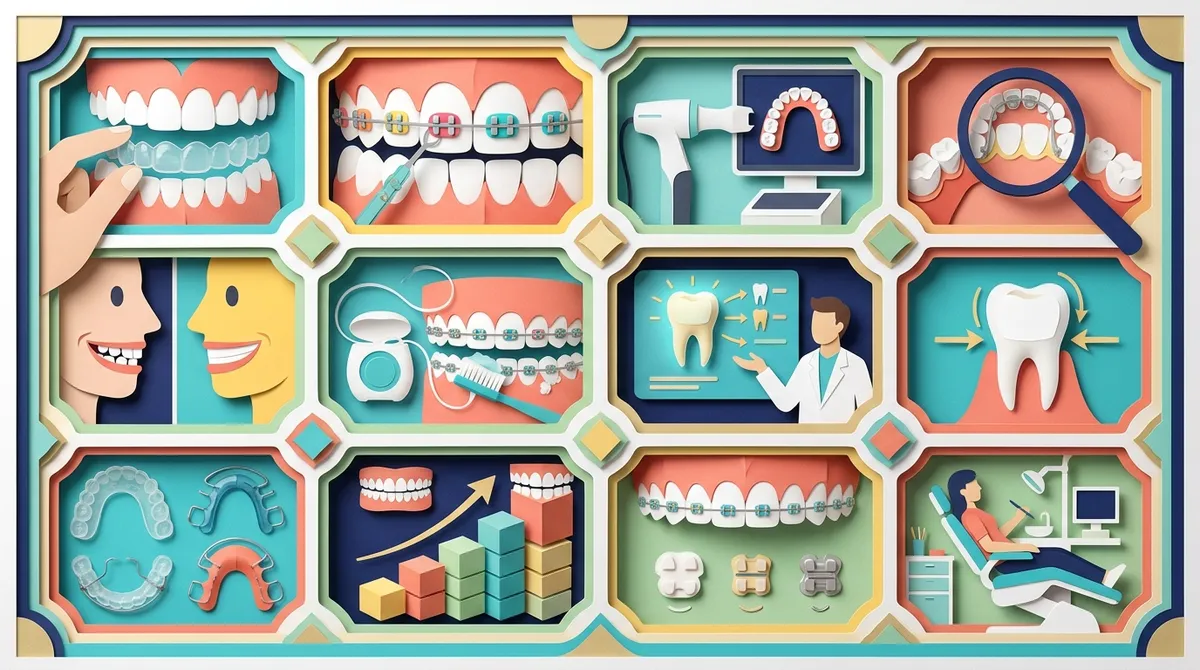
1. Traditional Metal Braces Are Still a Top Choice
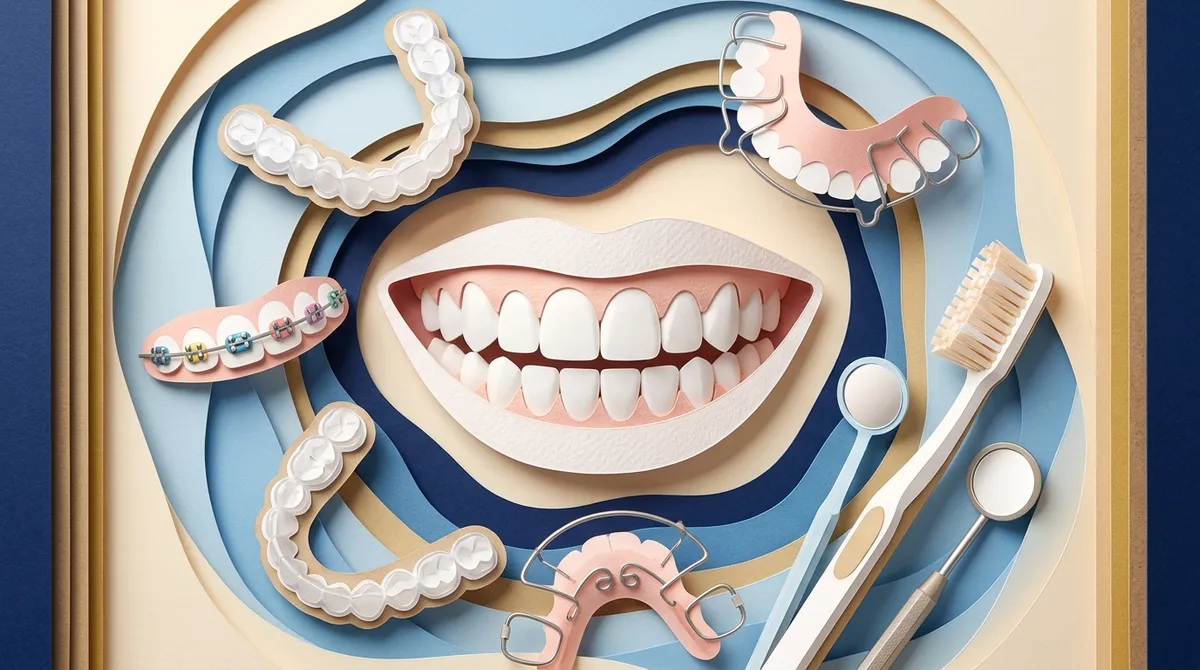
Metal braces have been around for decades — and they’re still one of the most effective tooth straightening tools available. They use brackets bonded to your teeth and connected by wires that gradually shift your teeth into position. They’re especially great for complex cases involving significant crowding, spacing, or bite issues. Want to learn more? Explore all about braces to see if they’re right for you.
2. Ceramic Braces Blend In With Your Smile
Ceramic braces work just like metal braces, but the brackets are tooth-colored or clear. This makes them much less noticeable. They’re a popular pick for teens and adults who want the power of traditional braces without the bold metal look. If you’re in the Clearwater area, you can explore ceramic braces at Brockway Orthodontics to discover the difference.
3. Clear Aligners Offer a Discreet Path to Straighter Teeth
Clear aligners are removable, custom-made plastic trays that gradually shift your teeth. They’re nearly invisible and fit snugly over your teeth. Most people won’t even notice you’re wearing them! They work best for mild to moderate alignment issues. At Brockway Orthodontics, we offer Spark™ Clear Aligners — a highly effective and more affordable alternative to other aligner brands.
4. Not All Cases Are the Same — Your Treatment Should Be Personalized
There’s no one-size-fits-all approach to tooth straightening. Every mouth is unique! Your orthodontist will evaluate your teeth, jaw, bite, and overall oral health before recommending a treatment plan. A personalized approach means better results. You can learn more about which orthodontic treatment option is right for you by consulting with a professional.
5. Adults Can (and Should) Get Their Teeth Straightened Too
Think orthodontic treatment is just for kids? Think again! In 2026, more adults are getting orthodontic treatment than ever before. Whether you had braces as a teen and experienced relapse, or you’re starting treatment for the first time, it’s never too late. Adult orthodontic treatment options are more discreet and efficient than ever.
6. Early Treatment Can Prevent Bigger Problems Later
The American Association of Orthodontists recommends children have their first orthodontic evaluation by age 7. Early treatment — also called Phase 1 — can guide jaw development and make room for permanent teeth. It can reduce treatment time and complexity down the road. Parents, don’t wait! Find out more about early orthodontic treatment and why timing really matters.
7. Treatment Time Varies Based on Your Needs
How long does tooth straightening take? It depends on the severity of your case and the treatment you choose. Here’s a general overview:
| Treatment Type | Average Treatment Time | Best For |
|---|---|---|
| Metal Braces | 18–24 months | Moderate to complex cases |
| Ceramic Braces | 18–24 months | Moderate cases, aesthetic preference |
| Clear Aligners | 12–18 months | Mild to moderate cases |
| Retainers (post-treatment) | Ongoing (nightly) | Maintaining results after treatment |
Want a more detailed timeline? Check out how long braces take with this friendly timeline guide.
8. Retainers Are Essential After Treatment
Finishing active treatment is a huge milestone — but it’s not the end of the journey! Retainers are custom appliances worn after braces or aligners to keep your teeth in their new position. Without a retainer, teeth can slowly shift back. This is called relapse, and it’s more common than you’d think. Learn everything about retainers after orthodontic treatment so your results last a lifetime.
9. At-Home Aligner Kits Come With Real Risks
You’ve probably seen ads for mail-order aligner kits. They promise straight teeth without ever visiting an office. Sounds appealing, right? But there are serious concerns. A published survey found that 6.6% of direct-to-consumer aligner users needed to see a dentist due to side effects. The American Dental Association and the American Association of Orthodontists have both cautioned against unsupervised tooth straightening. Professional oversight isn’t optional — it’s essential for safe, lasting results. For a balanced comparison, see at-home aligners vs. professional orthodontics.
10. Your Bite Matters Just as Much as Straightness
Tooth straightening isn’t only about how your smile looks — it’s also about how your teeth function. Bite problems like overbites, underbites, crossbites, and open bites can cause jaw pain, uneven wear, and even difficulty chewing or speaking. Orthodontic treatment addresses all of these. Curious about bites? Read how braces fix a deep overbite for a deep dive.
11. Orthodontic Treatment Can Be Affordable With the Right Plan
Cost is one of the biggest concerns patients have. But here’s the encouraging truth: orthodontic treatment is more affordable than most people expect, especially with the right financing options. Many practices offer flexible payment plans, accept insurance, and provide free consultations. Here’s a quick breakdown of factors that affect cost:
| Cost Factor | Impact on Price |
|---|---|
| Treatment complexity | Higher complexity = higher cost |
| Treatment type | Metal braces often most affordable |
| Treatment length | Longer treatment = higher overall cost |
| Insurance coverage | Can significantly reduce out-of-pocket costs |
| Payment plans | Can break costs into manageable monthly payments |
Find out more about financing and insurance options at Brockway Orthodontics. You can also explore how much braces cost in 2026 with our friendly breakdown.
12. Choosing the Right Orthodontist Makes All the Difference
The success of your tooth straightening journey depends heavily on who is guiding it. An experienced, caring orthodontist will take the time to understand your goals, explain your options, and build a treatment plan that fits your life. The Florida Association of Orthodontists is a great resource for finding credentialed professionals in your area. At Brockway Orthodontics, Dr. Brockway combines advanced training with genuine compassion — because she knows a great smile is about so much more than teeth.
Comparing Your Top Tooth Straightening Options Side by Side
Still deciding between treatment types? This comparison table can help you see the key differences at a glance. Don’t forget to check out clear aligners vs. braces: which one is right for you? for an even deeper comparison.
| Feature | Metal Braces | Ceramic Braces | Clear Aligners |
|---|---|---|---|
| Visibility | Most visible | Low visibility | Nearly invisible |
| Removable? | No | No | Yes |
| Best for complex cases? | Yes | Yes | Mild to moderate |
| Dietary restrictions? | Yes | Yes | No (remove to eat) |
| Comfort level | Good | Good | Excellent |
| Typical cost | Lower | Moderate | Moderate to higher |
Who Is a Good Candidate for Tooth Straightening?
The short answer? Almost everyone! Here are common reasons people seek tooth straightening treatment:
- Crowded or overlapping teeth
- Gapped or spaced teeth
- Twisted or rotated teeth
- Overbite, underbite, crossbite, or open bite
- Relapse after previous orthodontic treatment
- Jaw pain or difficulty chewing
- Self-consciousness about smile appearance
There’s truly no wrong reason to pursue a straighter smile. Whether it’s for health, confidence, or both — you deserve to feel great about your teeth. Want to know if you’re a good candidate? Schedule a free consultation and find out today.
What to Expect During Your Tooth Straightening Journey
Starting orthodontic treatment can feel like a big step. Here’s what the typical process looks like, step by step:
- Initial Consultation: Your orthodontist evaluates your teeth, bite, and jaw. X-rays and digital scans may be taken. This visit is often free!
- Treatment Planning: Your orthodontist recommends a personalized treatment plan. You’ll discuss options, timelines, and costs.
- Appliance Placement: Braces are bonded to your teeth, or custom aligner trays are created for you. In some cases, this can happen on the same day!
- Active Treatment: Regular check-up appointments every 6–10 weeks keep your treatment on track. Adjustments are made as needed.
- Retention Phase: After active treatment ends, you’ll wear a retainer to keep your results lasting long-term.
It’s a journey worth taking! And with the right team by your side, it’s actually a pretty enjoyable one. Learn more about your orthodontic consultation and why it matters.
Tips for Getting the Most From Your Tooth Straightening Treatment
Once you’re in treatment, a little effort goes a long way. Here are key habits that help your results come faster and last longer:
- Wear your aligners 20–22 hours per day if you’re using clear aligners. Consistency is everything.
- Attend all your scheduled appointments. Skipping adjustments slows down your progress.
- Brush and floss thoroughly — especially if you have braces. Clean teeth move faster and healthier.
- Avoid hard, sticky, or crunchy foods with braces to protect your brackets and wires.
- Wear your retainer after treatment ends. This is non-negotiable for long-lasting results!
For braces wearers, check out this helpful guide on 7 smart steps to brush teeth with braces like a pro.
Tooth Straightening for Every Stage of Life
One of the most beautiful things about modern orthodontics is that it truly is for everyone. Here’s a quick look at how treatment is tailored for different life stages:
| Life Stage | Recommended Start Age | Popular Options | Key Benefit |
|---|---|---|---|
| Children (Phase 1) | Ages 7–10 | Expanders, partial braces | Guides jaw growth, prevents future problems |
| Teens | Ages 11–17 | Metal braces, ceramic braces, clear aligners | Full correction during growth years |
| Young Adults | Ages 18–25 | Clear aligners, ceramic braces | Discreet treatment for social & professional life |
| Adults | Any age | All options available | Improved confidence, bite function, oral health |
From early treatment for little ones to adult orthodontics in Clearwater, there’s a path for everyone. You can also visit adolescent treatment options for teens specifically.
Why Brockway Orthodontics Is Clearwater’s Trusted Choice
When it comes to tooth straightening in the Clearwater, Florida area, families and adults consistently turn to Brockway Orthodontics. Dr. Brockway brings genuine warmth, advanced training, and cutting-edge technology to every appointment. From digital impressions and 3D imaging to same-day treatment options, the entire experience is designed around your comfort and convenience.
The team treats patients of all ages — from young children needing early intervention to adults ready for a smile refresh. Financing options make treatment accessible, and the friendly atmosphere makes every visit feel welcoming. Visit us on Google — Brockway Orthodontics to read real patient reviews and see why so many Clearwater families trust Dr. Brockway with their smiles. You can also follow along on Instagram for smile transformations, tips, and behind-the-scenes fun from the Brockway team!
Ready to Start Your Tooth Straightening Journey?
There’s no better time than right now to invest in your smile. Whether you’re considering braces for your child, exploring clear aligners for yourself, or coming back after experiencing relapse — professional tooth straightening can truly change your life. The options available in 2026 are more effective, comfortable, and affordable than ever before.
Don’t let uncertainty hold you back. The first step is simply having a conversation. At Brockway Orthodontics, that first step is completely free. Book your free consultation today and let’s start building the smile you’ve always wanted — together!
FAQs
Q: What is the difference between braces and clear aligners for tooth straightening?
A: Braces use metal or ceramic brackets bonded to your teeth and connected by wires to move teeth gradually. Clear aligners are removable plastic trays that gently shift teeth and are nearly invisible — making them a popular choice for teens and adults who prefer a discreet look! Both are highly effective; the best option depends on your specific case.
Q: How long does tooth straightening treatment usually take?
A: Treatment time really depends on how complex your case is and which option you choose. On average, braces take about 18–24 months, while clear aligners often take 12–18 months for mild to moderate cases. Your orthodontist will give you a personalized timeline at your consultation — so you’ll know exactly what to expect!
Q: Is tooth straightening only cosmetic, or does it have health benefits too?
A: It’s definitely both! Straighter teeth are easier to clean, which reduces the risk of cavities and gum disease. Correcting bite issues can also relieve jaw pain, improve chewing function, and even help with speech. So while a beautiful smile is a wonderful bonus, the health benefits are just as real and important.
Q: Are at-home clear aligner kits a safe way to straighten teeth?
A: It’s best to be cautious with at-home aligner kits. A published survey found that 6.6% of users needed to see a dentist due to side effects, and both the ADA and AAO have warned against unsupervised orthodontic treatment. Professional oversight ensures your teeth, roots, and jaw are moving safely — protecting your long-term oral health.
Q: Do I really need to wear a retainer after my teeth are straightened?
A: Absolutely — and it’s one of the most important parts of the whole process! After active treatment, teeth have a natural tendency to shift back toward their original position. Wearing your retainer as directed keeps your beautiful new smile exactly where it should be. Think of it as protecting your investment!