Key Takeaways
-
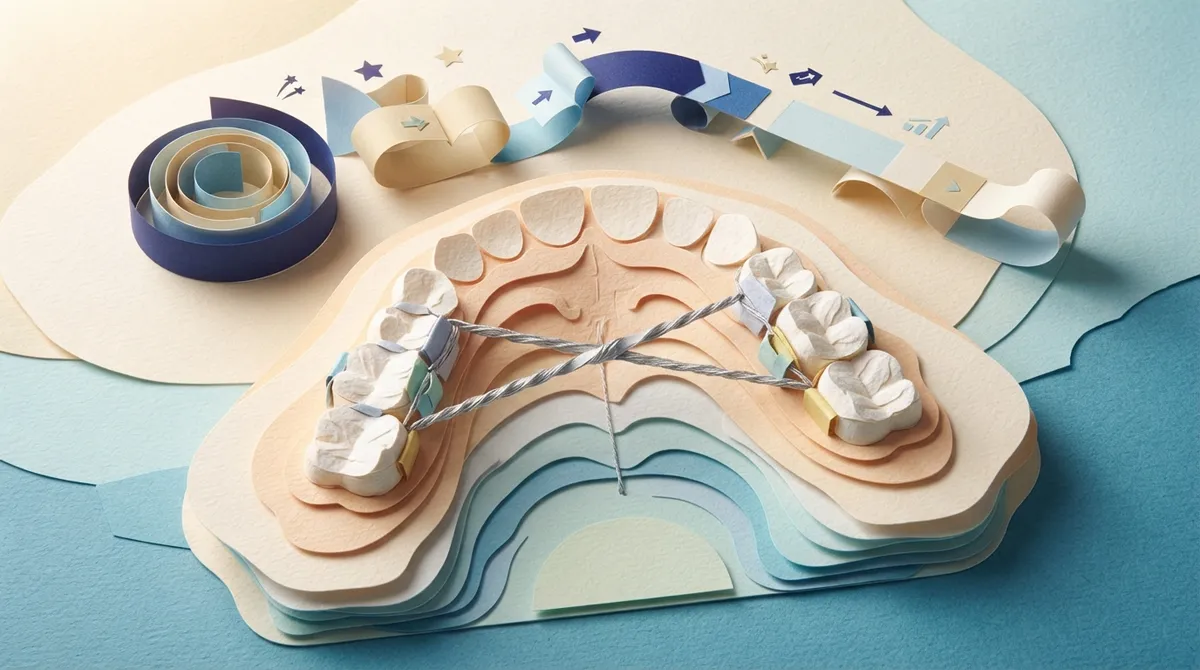
Active palatal expansion typically takes only a few weeks, after which the appliance becomes passive; retention then lasts 3-6 months for most cases, though complex situations may require 6-12 months to prevent relapse.
-
Stopping retention too early can cause elastic recoil and incomplete bone consolidation, undoing progress and potentially returning the original crossbite, so adhering to the prescribed retention schedule is critical.
-
An expander retainer isn't a single standardized appliance but rather an informal term for either the original expander left passive or a separate retainer; your orthodontist's personalized instructions matter more than generic guidelines.
-
Age and skeletal maturity significantly affect treatment: younger patients respond predictably to standard expansion, while adults with fused sutures may need specialized approaches like MARPE or surgically assisted expansion.
So your child just got their palatal expander removed, or maybe the orthodontist mentioned turning it into a retainer, and now you’re wondering what that even means. Take a deep breath! You’re not alone, and this is actually a really common question we hear at our Clearwater practice. Let’s break down everything you need to know about the expander retainer phase, so you can feel confident and relaxed about what comes next.
An expander retainer is simply the passive stage after active widening, or a separate appliance used to hold that new, wider smile in place. It’s a bridge between active treatment and long-term stability. Understanding this phase can make a huge difference in how smoothly your family’s orthodontic journey goes. Here are 9 essential facts to guide you through it, backed by real research and years of clinical experience.
1. An Expander Retainer Isn’t One Single Appliance
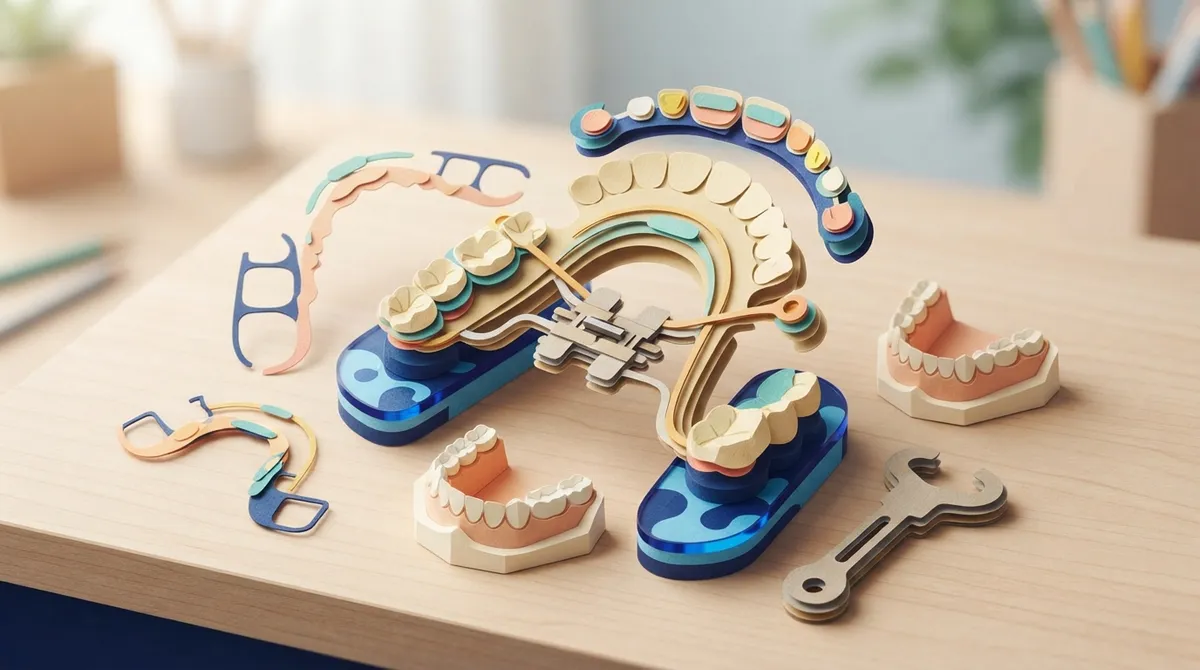
Here’s something that surprises a lot of parents: there’s no single, official appliance called an “expander retainer.” It’s more of a friendly, informal term used in orthodontic care. It usually means one of two things: the original palatal expander left in place without further turning, or a separate retainer built to protect the new width.
Because there’s no strict standard, your orthodontist’s specific instructions matter more than anything you read online. Every mouth is different, and every treatment plan should be personalized. That’s exactly why we take time during your first visit to explain exactly what your appliance is doing and why.
2. Why Widening the Palate Matters in the First Place
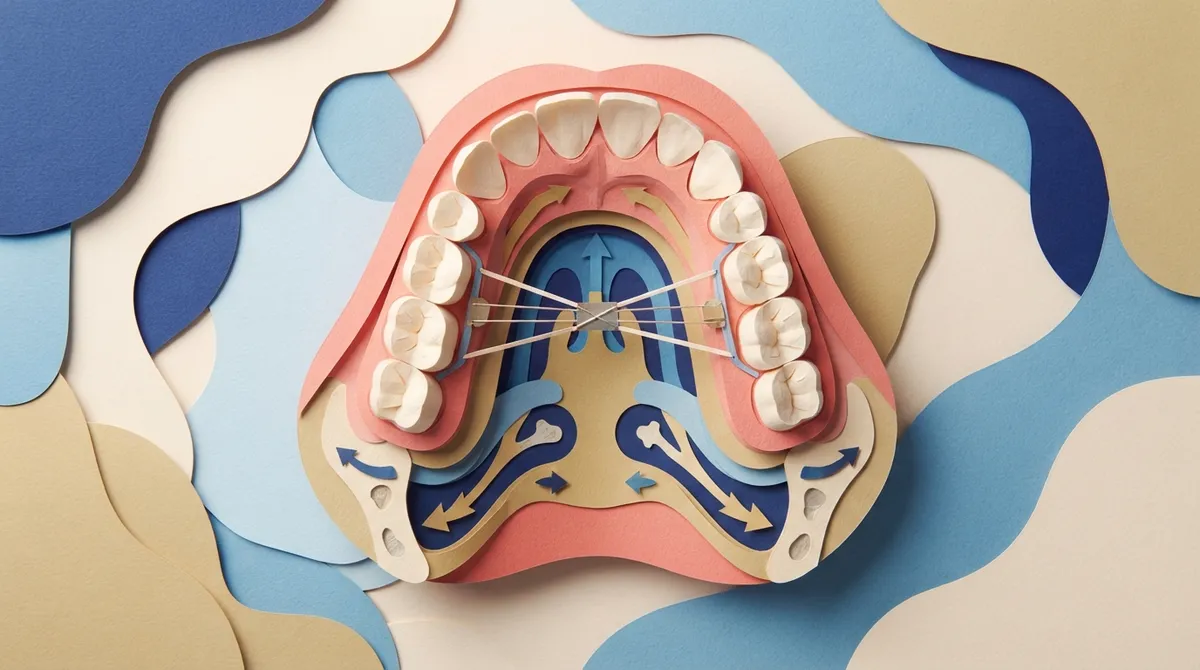
Palatal expanders treat a narrow upper jaw. This narrow arch often causes a posterior crossbite, where the top teeth sit inside the bottom teeth when biting down. Left untreated, this can lead to uneven wear, jaw strain, and crowding issues down the road.
In growing kids, the appliance can gently separate the midpalatal suture, the seam that runs down the roof of the mouth. This creates room for a natural, wider smile. Adults have a fused suture, so their treatment path often looks different, which we’ll cover below.
3. The Active Widening Phase Moves Faster Than You Think
Many parents expect years of turning tiny screws, but active expansion usually only takes a few weeks. The exact timeline depends on:
- The type of appliance used (fixed or removable)
- How much width the palate actually needs
- Your child’s age and bone maturity
- The orthodontist’s specific activation schedule
Once that goal width is reached, the real waiting game begins. This is where the appliance shifts from “active” to “passive,” and it starts doing its job as a retainer instead.
4. Retention Time Ranges From Months to Almost a Year
This is probably the most common question we get: “How long does my child actually need to keep this thing in?” The honest answer is that it varies, but research gives us some helpful benchmarks.
| Retention Length | Typical Scenario |
|---|---|
| 3–6 months | Most common protocol for standard crossbite correction |
| 6–12 months | More complex skeletal cases or higher relapse risk |
| 4 weeks–16 months | Full range reported across published studies |
A national survey of orthodontists found that 60% of practitioners retained patients for 3 to 6 months after rapid maxillary expansion, with a median retention period of about 4.5 months. A separate systematic review found moderate evidence that around six months of full-time retention was generally enough to prevent relapse or produce only minor short-term changes.
5. Stopping Too Early Can Undo Your Progress
We get it. Once the teeth look straight and the bite feels better, it’s tempting to think you’re done. But that expanded width needs time to truly settle into the bone and surrounding tissue.
Stopping retention too soon can lead to:
- Elastic recoil, where teeth and tissue spring back toward their old position
- Incomplete bone consolidation in the palate
- Unwanted tooth movement or shifting
- A return of the original crossbite or narrow arch
Retention doesn’t guarantee permanent stability forever, but skipping it almost guarantees some amount of relapse. If you’re already dealing with shifted teeth from a past treatment, you’re not alone, and our adult treatment options can help get things back on track.
6. Several Appliance Types Can Serve as the Retainer
Once active widening is complete, your orthodontist has a few different tools to keep that width stable. Here’s a quick rundown of common choices:
- The original expander, left passive: No more turning, just holding steady.
- Removable Hawley-style retainer: Custom-fit and easy to take out for eating and brushing.
- Clear overlay retainer: A more discreet, nearly invisible option.
- Transpalatal arch: A fixed wire that connects the back molars for extra stability.
The right pick depends on whether the goal is stabilizing bone, keeping teeth aligned, or both. Your orthodontist will match the appliance to your specific case, which is one reason a personalized orthodontic treatment plan matters so much more than a one-size-fits-all approach.
7. Age and Skeletal Maturity Change the Whole Game
Younger patients, especially those still growing, tend to respond really predictably to standard expansion. Their bones are more flexible, and the midpalatal suture hasn’t fully fused yet.
Teens and adults with significant narrowing may need more specialized approaches, such as:
- MARPE (miniscrew-assisted rapid palatal expansion)
- Surgically assisted expansion for fully fused sutures
- Longer or more intensive retention protocols
This is exactly why early evaluation matters. Catching a narrow palate early, through early treatment, often means a smoother, faster path than waiting until adulthood. If you’re an adult wondering whether it’s too late, rest assured, it’s not. We treat plenty of grown-up smiles too.
8. Simple Habits Keep Your Appliance Working Properly
Whether you’re a parent managing a kid’s expander or an adult wearing your own retainer, daily habits make a big difference. Here’s a simple checklist to follow:
- Wear the retainer exactly as prescribed, no skipping days
- Brush thoroughly around bands, wires, and acrylic every day
- Avoid hard, sticky, or crunchy foods that could bend or crack the appliance
- Clean removable retainers with a soft brush, not hot water
- Store removable retainers in their case when not in use
- Call your orthodontist right away if something feels loose or broken
Good oral hygiene habits protect both your appliance and your overall dental health. The American Dental Association offers helpful general guidance on maintaining healthy teeth and gums during any orthodontic treatment.
9. It’s Just One Piece of a Bigger Smile Plan
An expander retainer rarely stands alone. It’s usually one chapter in a longer story that might include braces or Spark™ Clear Aligners afterward, followed by long-term retention once active treatment wraps up.
Think of it as laying the foundation before building the house. You widen the arch first, let it stabilize, then move on to aligning individual teeth. Skipping steps or rushing the process rarely leads to the results you’re hoping for. That’s why we always map out the full journey during your consultation, not just the next appointment.
What This Looks Like for Clearwater Families
We see all kinds of expander retainer situations walk through our doors here in Clearwater. Parents bringing in kids with early crossbites. Teens finishing up expansion before starting braces treatment. Adults exploring expansion options they never had access to growing up.
No matter your starting point, the goal is the same: a stable, healthy, confident smile that lasts. Dr. Brockway takes time to walk through your specific timeline, appliance choice, and retention plan, so nothing feels like a mystery. You can also check out our retainer options page to see the different styles we offer for various stages of treatment.
A Few Common Missteps to Avoid
Over the years, we’ve noticed a handful of mistakes that tend to slow down progress or cause unnecessary stress. Here’s what to watch for:
- Assuming the appliance is done working the moment active turning stops
- Skipping follow-up visits during the retention phase
- Letting a removable retainer sit in a backpack instead of a case
- Ignoring a loose band or wire because “it’s not that bad”
- Ending retention early because things “look fine”
Avoiding these simple pitfalls goes a long way toward protecting your investment in a straighter, healthier smile. The Florida Association of Orthodontists is also a great resource if you want to learn more about credentialed orthodontic care standards in our state.
Ready to Talk About Your Smile Journey?
Every smile tells its own story, and yours deserves a plan built just for you. Whether you’re just starting to explore expansion, wrapping up active treatment, or dealing with relapse from years ago, our Clearwater team is here to help every step of the way. Feel free to book your free consultation online and let’s map out what your retention phase should look like.
Curious what other families in our community are saying? You can read real patient experiences and visit us on Google — Brockway Orthodontics to see reviews firsthand. You can also follow along with smile transformations and helpful tips on our Instagram page or connect with us on Facebook for community updates and patient stories.
Still have questions about your specific case? Don’t hesitate to reach out to our friendly team anytime. We’re always happy to chat, ease your worries, and help you feel good about the road ahead.
FAQs
Q: What is an expander retainer in orthodontics?
A: It’s usually the palatal expander left passive after active widening, or a separate retainer used to hold that new width in place. There isn’t one official appliance by this exact name, so your orthodontist’s specific instructions are what really matter here.
Q: How long should an expander stay in as a retainer after the palate has been widened?
A: Most protocols call for about 3 to 6 months of retention, though more complex cases may need 6 to 12 months or longer. Research shows a wide range, from as little as 4 weeks to 16 months, so your orthodontist will tailor the timeline to your specific situation.
Q: Do you need a retainer after a palate expander is removed?
A: In many cases, yes! The bone and tissue need extra time to fully stabilize even after the expander comes out. Skipping this step can lead to some relapse, so we’ll always let you know if additional retention makes sense for your smile.
Q: What happens if I stop wearing my expander retainer too early?
A: Stopping too soon can allow the teeth and palate to shift back toward their original position, sometimes called relapse. It happens because the bone hasn’t fully consolidated yet, so sticking with your prescribed schedule really pays off long term.
Q: Can adults use a palate expander retainer, or is expansion only for children?
A: Adults can absolutely benefit from expansion, though the approach often looks different since the palate suture has fully fused. Options like MARPE or surgically assisted expansion give adults a real path toward a wider, healthier smile too.
Our Service Area