Key Takeaways
-
Wear your retainer full-time for 3-6 months after braces, then nightly indefinitely; about 59% of relapse occurs within the first six months without consistent wear.
-
The American Association of Orthodontists confirms retention is a lifelong process—teeth can shift at any age, even decades after treatment ends.
-
Three main retainer types exist: clear vacuum-formed (invisible), Hawley (durable/adjustable), and fixed bonded (no daily insertion needed); choose based on lifestyle and compliance ability.
-
Remove removable retainers before eating, store in cases away from heat/sunlight, clean with soft brush and mild soap—never toothpaste—to prevent warping or loss.
-
Fixed retainers require daily flossing with a threader and regular orthodontist checkups to monitor for bond failure, which occurs in 3-53% of cases depending on material type.
-
If your retainer feels tight, has cracks, or teeth shift noticeably, contact your orthodontist immediately rather than attempting DIY repairs; relapse is fixable with clear aligners or limited braces.
So you just got your braces off, or maybe you finished your last set of Spark™ clear aligner trays. Congratulations! That new smile deserves a happy dance. But here’s the thing nobody tells you enough: the real work of keeping that smile straight is just beginning. Retainer braces are the quiet heroes of orthodontic care, and understanding them can save you a lot of time, money, and frustration down the road.
At Brockway Orthodontics, we talk to families in Clearwater every day about retainers. Parents ask how long their teen needs to wear one. Adults ask if they really have to wear a retainer forever. Even patients who had braces years ago sometimes come back wondering why their teeth are shifting again. This guide answers those questions with real facts, friendly explanations, and practical tips you can use starting today.
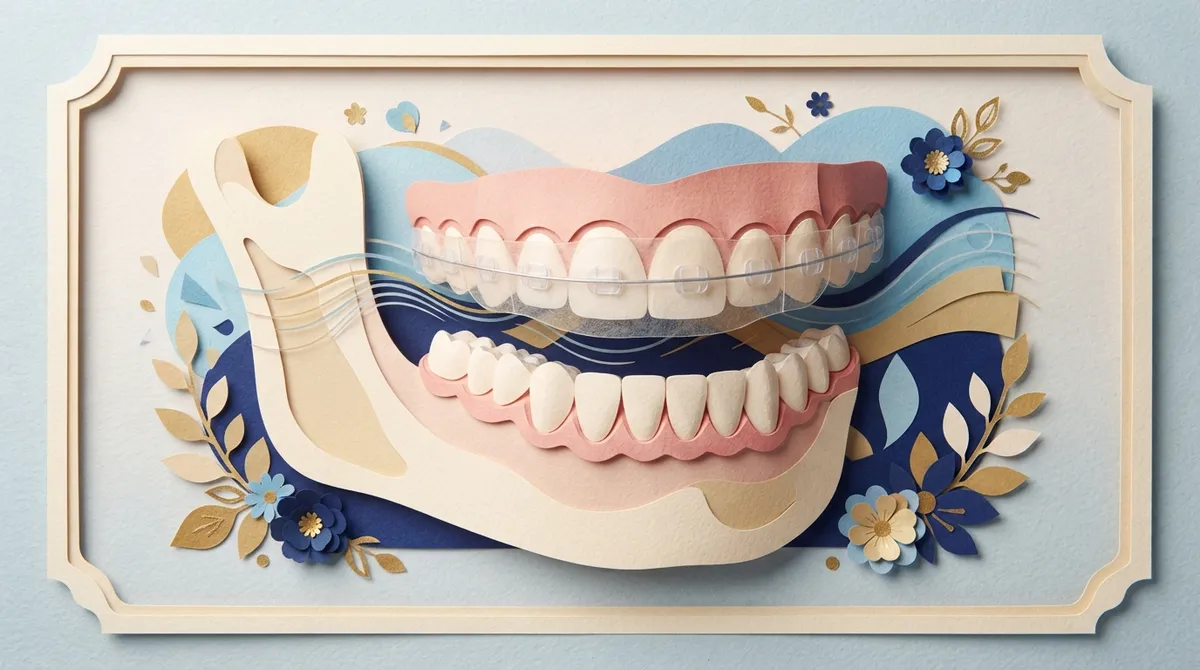
1. What Retainer Braces Actually Do for Your Smile
Retainer braces are appliances you wear after finishing braces or clear aligner treatment. Their job is simple: hold your teeth exactly where your orthodontist moved them. Think of braces as the movers, and retainers as the people who hold the furniture in place after moving day.
Your gums, bone, and the tissue around your teeth need time to adjust to the new positions. Without a retainer, those teeth can slowly drift back toward where they started. That process is called relapse, and it’s more common than most people realize. Learning how to wear a retainer after braces the right way protects the investment you already made in your smile.
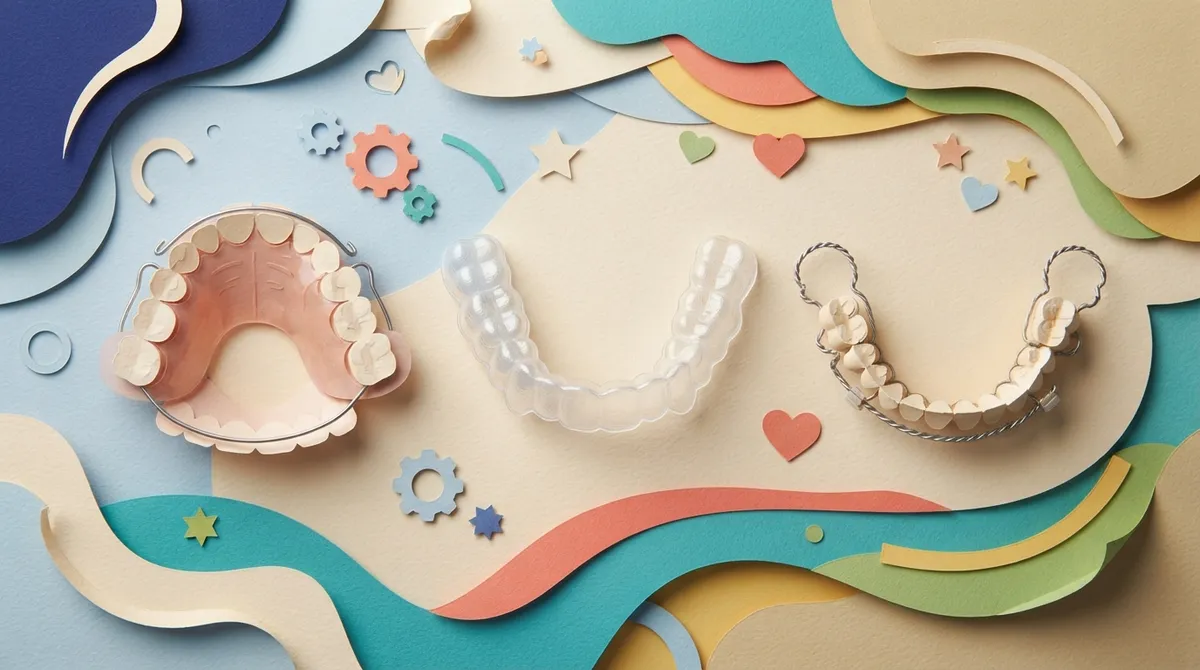
2. The Three Main Types of Retainer Braces
Not all retainers look or work the same way. Your orthodontist will recommend the best type based on your treatment and lifestyle. Here’s a quick breakdown of the most common options.
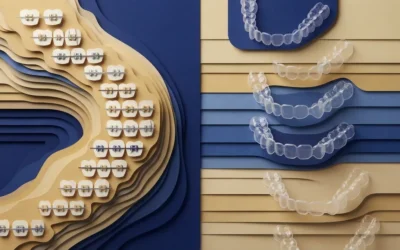
| Retainer Type | Material | Best For | Care Level |
|---|---|---|---|
| Clear Vacuum-Formed | Thin, transparent plastic | Patients who want a nearly invisible option | Easy to clean, avoid hot water |
| Hawley Retainer | Acrylic and metal wire | Patients needing durability and adjustability | Wipe daily, soak weekly |
| Fixed (Bonded) Retainer | Thin wire bonded behind teeth | Patients who want a no-fuss, long-term option | Careful flossing, regular checkups |
Clear and Hawley retainers are removable, which means you take them out to eat and brush. Fixed retainers stay in place permanently unless your orthodontist removes them. Each option has pros and cons, so it’s worth discussing your daily habits with your provider during your first visit or a follow-up appointment.
3. How Long You Really Need to Wear a Retainer
This is probably the most common question we hear. The honest answer? Longer than most people expect. The American Association of Orthodontists notes that retention is generally a lifelong process. Most patients start with near-constant wear and then move to nighttime-only wear over time.
Here’s a general timeline many orthodontists recommend, though your exact plan may vary:
- Full-time wear (20-22 hours a day) for the first three to six months after treatment ends.
- Nightly wear for the remainder of the first year.
- Reduced nightly wear, such as a few nights a week, after the first year if your orthodontist approves.
- Ongoing nighttime wear indefinitely to protect against age-related shifting.
Teeth can move at any age, even decades after braces. That’s why we always encourage patients to stick with their schedule, even when it feels like a hassle. Your future smile will thank you.
4. Why Skipping Retainer Wear Can Backfire
It’s tempting to think a few missed nights won’t matter. Unfortunately, research tells a different story. A 2023 systematic review found that about 9.1% of patients experienced mild relapse and 2.6% experienced severe relapse after treatment. Most of that shifting happened fast.
- About 58.9% of mild relapse cases occurred within the first six months.
- About 62.5% of severe relapse cases also happened in that same early window.
- Periodontal fibers may need an average of 232 days just to settle around a tooth’s new position.
These numbers show why the first six months to a year after braces are so critical. Skipping retainer wear during this window puts your smile at real risk. If you’re ever unsure about your wear schedule, our team can walk you through it during a free consultation.
5. Removable Retainer Care Tips That Actually Work
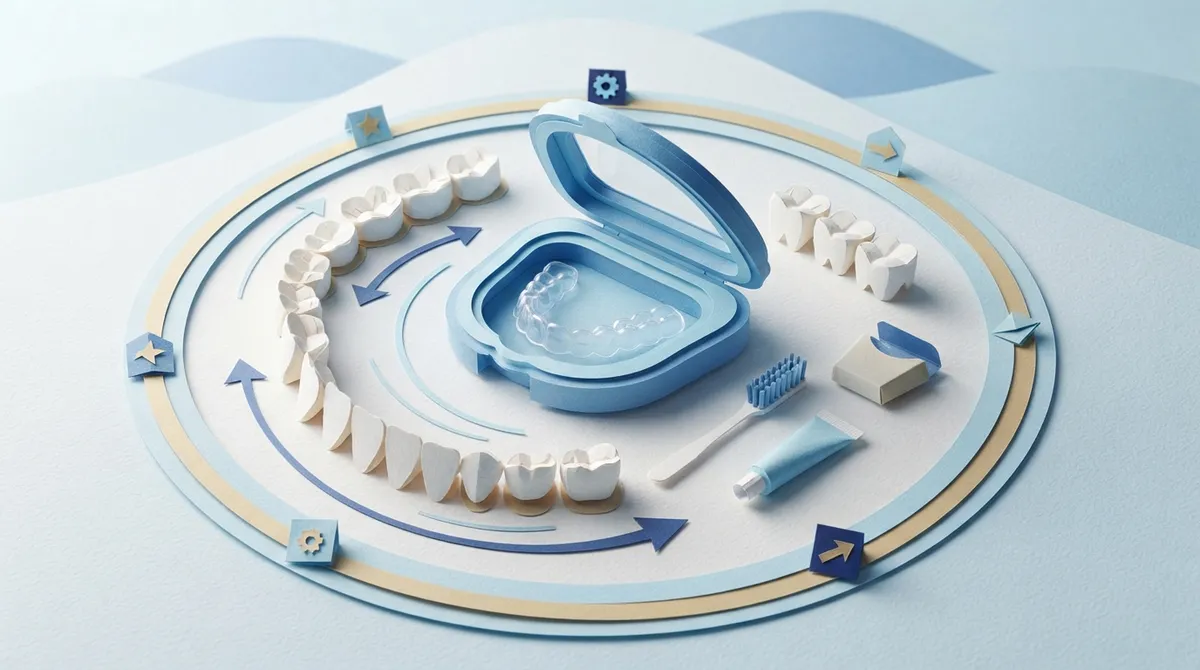
Removable retainers are convenient, but they do require some responsibility. Follow these simple habits to keep yours in great shape.
- Remove your retainer before eating or drinking anything besides water.
- Rinse it every time you take it out, even for a few minutes.
- Brush it gently with a soft toothbrush and mild soap, not toothpaste.
- Store it in its case whenever it’s not in your mouth.
- Keep it away from hot water, hot cars, and direct sunlight, which can warp the plastic.
- Never wrap it in a napkin, since it’s easy to accidentally toss it in the trash.
These small habits prevent big problems. A warped or lost retainer often means an unexpected trip to the orthodontist and an unplanned expense.
6. Fixed Retainer Care: What’s Different
Fixed retainers don’t rely on you remembering to put them in. That’s a huge plus for many patients, especially busy teens and adults. But they still need attention.
- Floss carefully around the wire every single day, using a floss threader if needed.
- Watch for any looseness or clicking sound, which could mean the bond has failed.
- Avoid biting into hard foods like ice or hard candy that could snap the wire.
- Visit your orthodontist regularly so they can check the wire and your gum health.
A systematic review of fixed retainer studies found bond failure rates ranging widely, from about 3.5% up to 53% for metal retainers, depending on the type and follow-up period. Fiber-reinforced retainers showed failure rates between 11% and 51%. Regular checkups catch these issues early, before they turn into bigger problems.
7. Signs Your Retainer Needs Attention
Sometimes a retainer just isn’t working right anymore. Knowing the warning signs helps you act fast instead of waiting until teeth shift noticeably.
- The retainer feels unusually tight or won’t seat fully anymore.
- You notice a crack, chip, or broken piece.
- A fixed retainer wire feels loose or has come detached from a tooth.
- You’ve misplaced your removable retainer entirely.
- Your teeth look or feel like they’ve shifted slightly.
If any of these happen, don’t try to bend, glue, or force the retainer yourself. Reach out to your orthodontic office right away. Our team at Brockway Orthodontics can usually get you in quickly since we understand how stressful a broken retainer feels. Feel free to get in touch with our team the moment something feels off.
8. Retainers Are Not the Same as Braces
It’s easy to mix these up, especially for parents managing a teen’s treatment schedule. Braces actively move teeth into new positions using brackets, wires, and gradual pressure. Retainers, on the other hand, mostly hold teeth still after that movement is complete.
In some cases, a retainer can also be used for very minor tooth adjustments under an orthodontist’s supervision. But this is different from the full treatment provided by traditional braces or Spark™ Clear Aligners. Understanding this difference helps set realistic expectations for what a retainer can and can’t do.
9. What to Do If You Need Orthodontic Relapse Treatment
Sometimes life gets busy, retainers get lost, and teeth shift back. If this describes you, please don’t feel embarrassed. It happens to a lot of adults, and it’s completely fixable. Many of our Clearwater patients come back years after their first round of braces looking for a refresh.
Treatment options for relapse might include a shorter round of clear aligners, limited braces, or a new retainer paired with minor adjustments. The exact plan depends on how much shifting occurred and your goals. Our adult treatment options are designed specifically for patients who want an efficient, discreet path back to a straight smile.
Removable vs. Fixed Retainers: A Side-by-Side Look
Choosing between removable and fixed retainers often comes down to lifestyle and personal preference. Here’s a simple comparison to help guide the conversation with your orthodontist.
| Feature | Removable Retainer | Fixed Retainer |
|---|---|---|
| Daily Effort | Requires consistent wear and cleaning | No daily insertion needed |
| Visibility | Clear options are nearly invisible | Hidden behind teeth, not visible |
| Repair | Easy to replace if lost or damaged | Requires an office visit to fix |
| Long-Term Stability | Depends heavily on patient compliance | Can offer strong, consistent alignment |
| Eating and Drinking | Must be removed before meals | No removal needed for meals |
Both options can work beautifully when cared for properly. According to the American Dental Association, consistent oral hygiene habits matter just as much as the retainer type itself. The right choice really depends on your daily routine and how much responsibility you want to take on.
How Brockway Orthodontics Supports Your Retention Journey
Dr. Brockway believes education is just as important as treatment. That’s why our Clearwater practice takes time to explain your retainer options in plain language, not confusing dental jargon. We want you to leave every appointment feeling confident, not confused.
We also use modern technology, including digital impressions, to design retainers that fit comfortably from day one. No messy molds, no guesswork. And if you ever need a replacement, our team moves quickly to minimize any time without protection for your smile. You can learn more about our approach on our services page, or check out patient experiences by visiting Brockway Orthodontics on Google to see real reviews from our community.
A Few More Things Worth Knowing
Before we wrap up, here are some extra facts that tend to surprise patients during their retainer journey.
- The NHS notes that orthodontic treatment often takes 6 to 30 months, followed by ongoing retainer use to protect results.
- Replacement policies and costs can vary depending on your provider and how much time has passed since treatment ended.
- Both clear and Hawley retainers can be effective when worn as directed, according to research reviews on retention outcomes.
- The Florida Association of Orthodontists encourages patients to maintain regular checkups even after active treatment ends.
Staying connected with your orthodontist, even years after your braces come off, is one of the smartest habits you can build. It’s a small effort that protects a big investment.
Ready to Protect Your Smile for the Long Haul?
Retainer braces might not get the same excitement as picking out colorful bands or celebrating your braces-off day, but they are just as important. Whether you’re a parent guiding your teen through this stage, an adult starting over after relapse, or someone simply looking for guidance on care, Brockway Orthodontics is here for you in Clearwater. We’d love to help you keep that smile you worked so hard for. Book your appointment online today and let’s talk about the best retainer plan for your life. You can also follow our journey and see happy patient smiles on Instagram or connect with us on Facebook for more tips and updates.
FAQs
Q: How long do I need to wear a retainer after braces?
A: Most patients wear their retainer full-time for a few months, then switch to nights only. After the first year, many patients can reduce wear to a few nights a week, but this really depends on your orthodontist’s recommendation. Sticking with the plan is key to keeping your smile exactly where it should be.
Q: Do I have to wear my retainer for life?
A: Honestly, yes, in most cases. Teeth can shift at any age, even decades after braces, so nightly wear long-term is the best way to protect your results. Think of it as a small nightly habit that keeps your smile looking great for years to come.
Q: Which is better, clear retainers, Hawley retainers, or fixed retainers?
A: There’s no single best answer since it depends on your lifestyle and preferences. Clear retainers are nearly invisible, Hawley retainers are durable and adjustable, and fixed retainers require no daily effort at all. Our team can help you decide which fits your routine during a friendly consultation.
Q: What should I do if my retainer no longer fits?
A: Don’t try to force it or fix it yourself at home. Give your orthodontic office a call right away, since a poor fit can mean your teeth have started shifting. Quick action usually means a simpler, faster fix.
Q: Can teeth really move again if I stop wearing my retainer?
A: Yes, and it happens more often than people expect. Studies show a good portion of relapse cases occur within the first six months of stopping retainer wear. The good news is that if this happens to you, treatment options are available to get your smile back on track.
Our Service Area