Orthodontic treatment has evolved dramatically over the past decade, and residents of Clearwater, Florida, now have access to cutting-edge options that make achieving a beautiful smile more comfortable and convenient than ever before. Whether you’re considering braces for your teenager, exploring clear aligners for yourself, or simply wondering if orthodontic treatment is right for your family, understanding what modern orthodontics offers is essential to making an informed decision.
The Clearwater area boasts numerous orthodontic practices that combine advanced technology with personalized care. From traditional metal braces to virtually invisible aligners, today’s orthodontic solutions cater to diverse needs, lifestyles, and budgets. This comprehensive guide walks you through everything you need to know about orthodontics in Clearwater, helping you navigate your options with confidence and clarity.
As more families recognize the long-term health benefits of properly aligned teeth—beyond just aesthetics—orthodontic care has become an investment in overall wellness. Let’s explore the key factors that make orthodontic treatment in Clearwater both accessible and effective for patients of all ages.
1. The Range of Orthodontic Treatment Options Available
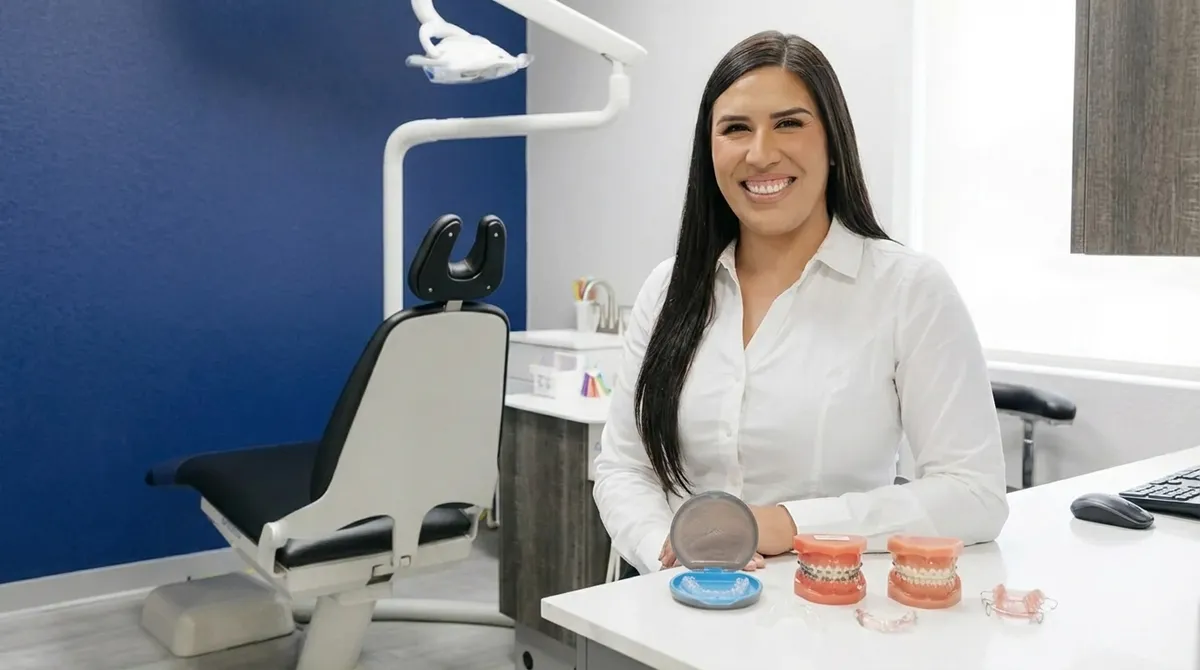
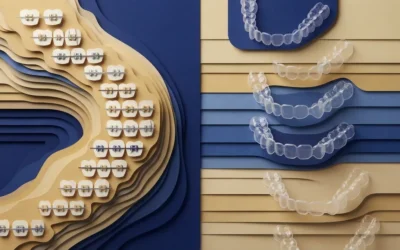
Modern orthodontics offers far more than traditional metal braces. Clearwater orthodontists provide a comprehensive suite of Services designed to address various dental alignment issues. Traditional braces remain highly effective for complex cases, utilizing metal brackets and wires to gradually shift teeth into proper position. These time-tested appliances work exceptionally well for severe misalignment, bite correction, and comprehensive tooth movement.
Clear aligners have revolutionized orthodontic treatment by offering a nearly invisible alternative to braces. Systems like Spark™ Clear Aligners use custom-made, removable trays that gradually move teeth without the visual impact of metal hardware. These aligners appeal particularly to adults and image-conscious teens who want discreet treatment. The removable nature also allows for easier eating and oral hygiene maintenance throughout treatment.
Ceramic braces represent a middle ground, offering the effectiveness of traditional braces with tooth-colored or clear brackets that blend with natural teeth. Lingual braces, placed on the back of teeth, provide another invisible option for patients seeking complete discretion. Each treatment modality has specific advantages, and qualified orthodontists assess individual cases to recommend the most appropriate option based on complexity, lifestyle, and patient preferences.
2. Why Early Orthodontic Evaluation Matters
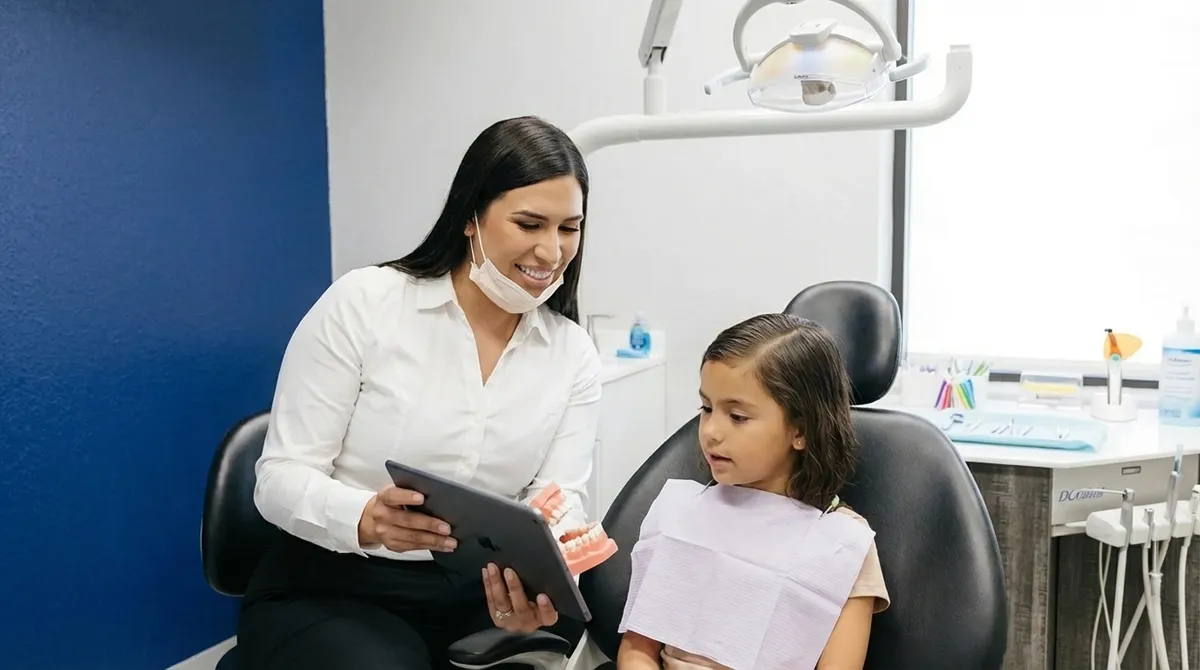
The American Dental Association recommends that children receive their first orthodontic evaluation by age seven. This early assessment allows orthodontists to identify potential issues while facial bones are still developing, creating opportunities for interceptive treatment that can prevent more serious problems later. Early evaluation doesn’t necessarily mean early treatment, but it establishes a baseline for monitoring growth and development.
Certain conditions benefit significantly from early intervention. Crossbites, severe crowding, protruding front teeth, and jaw growth discrepancies can often be addressed more effectively during childhood when bone is more malleable. Phase One treatment, typically performed between ages seven and ten, may involve expanders, partial braces, or other appliances that guide proper jaw development and create adequate space for permanent teeth.
Early orthodontic care can reduce the need for tooth extractions, shorten overall treatment time, and minimize the complexity of later treatment. Many orthodontic practices in Clearwater offer complimentary initial consultations, making it easy for parents to have their children evaluated without financial commitment. Even if immediate treatment isn’t needed, establishing a relationship with an orthodontist ensures proper monitoring as your child grows.
3. Adult Orthodontics: It’s Never Too Late
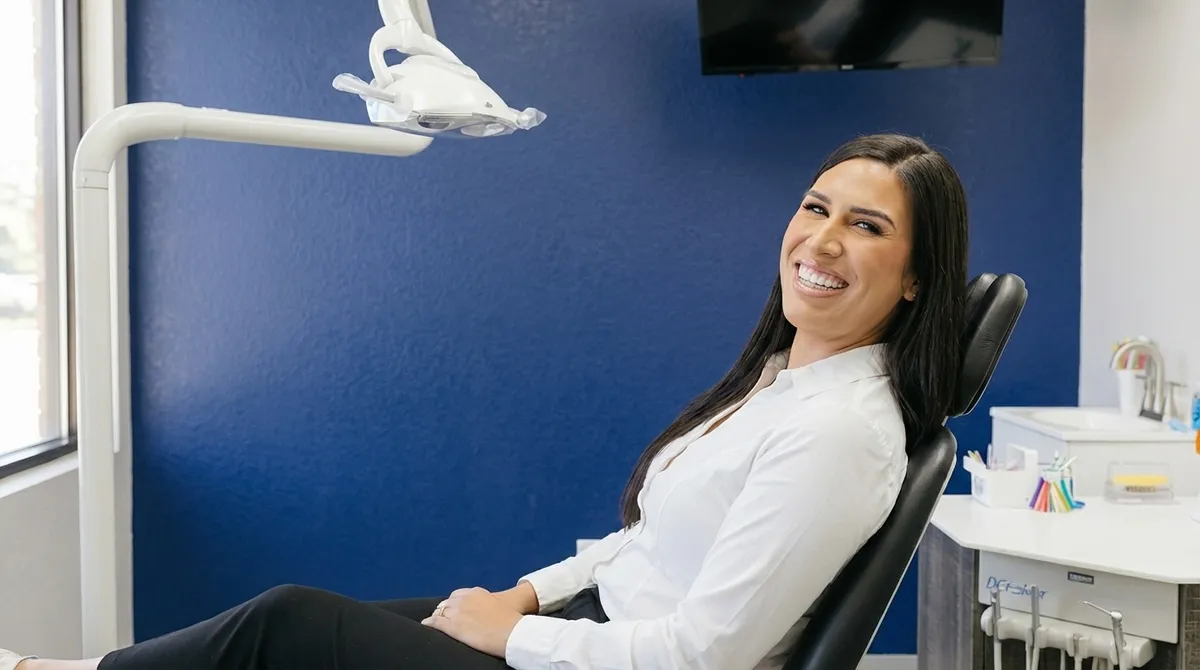
Orthodontic treatment isn’t just for children and teenagers. Approximately one in four orthodontic patients today is an adult, reflecting growing awareness that teeth can be straightened at any age. Adults seek orthodontic care for various reasons: correcting lifelong alignment issues, addressing teeth that have shifted after previous treatment, or simply achieving the smile they’ve always wanted but couldn’t pursue earlier.
Adult orthodontics differs from adolescent treatment in several important ways. Adults have fully developed jaws and may have existing dental work like crowns, bridges, or implants that must be considered in treatment planning. Bone density changes with age, sometimes requiring longer treatment times. However, adults often demonstrate excellent compliance with treatment protocols, leading to predictable outcomes and successful results.
The professional and social benefits of orthodontic treatment extend well into adulthood. Studies show that straight teeth contribute to positive first impressions in both personal and professional settings. Beyond aesthetics, properly aligned teeth are easier to clean, reducing risks of periodontal disease and tooth decay. Many Clearwater orthodontists specialize in adult treatment, offering flexible scheduling and discreet options that accommodate professional lifestyles.
4. Understanding the Investment: Costs and Payment Options
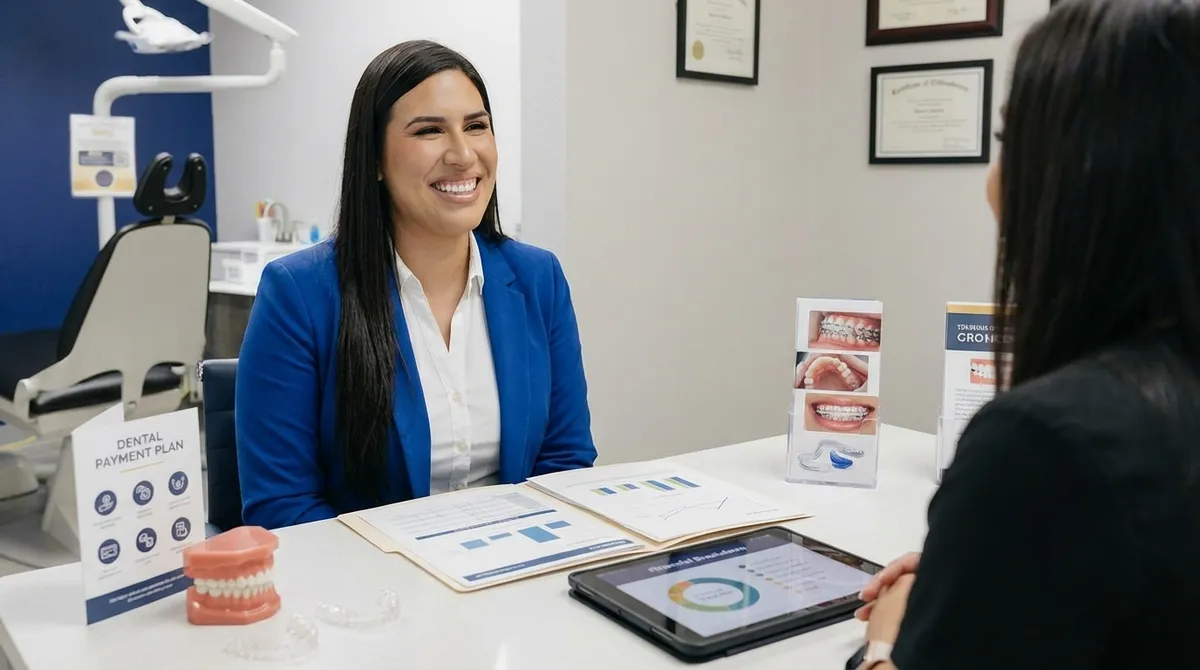
Orthodontic treatment represents a significant investment, with costs in Clearwater typically ranging from $3,500 to $8,000 depending on treatment complexity and duration. Traditional metal braces generally fall on the lower end of this spectrum, while clear aligners and lingual braces tend toward the higher end due to their advanced technology and customization requirements. Complex cases requiring longer treatment naturally incur higher costs than simpler adjustments.
Many factors influence the final cost of orthodontic care. Treatment duration, the specific appliances used, the severity of misalignment, and whether extractions or other procedures are needed all impact pricing. Most Clearwater orthodontic practices provide detailed cost breakdowns during initial consultations, ensuring transparency before treatment begins. This upfront clarity helps families budget appropriately and understand exactly what their investment covers.
|
Treatment Type |
Average Cost Range |
Typical Duration |
|---|---|---|
|
Traditional Metal Braces |
$3,500 – $6,000 |
18-24 months |
|
Clear Aligners |
$4,000 – $7,500 |
12-18 months |
|
Ceramic Braces |
$4,000 – $7,000 |
18-24 months |
|
Lingual Braces |
$6,000 – $8,000 |
18-36 months |
Fortunately, multiple payment options make orthodontic treatment accessible for most families. Many practices accept dental insurance, which typically covers 50% of orthodontic treatment up to a lifetime maximum (often $1,000-$2,000). Flexible payment plans with little or no interest allow families to spread costs over the treatment period, making monthly payments manageable. Some practices also offer discounts for paying in full upfront or for treating multiple family members simultaneously.
5. The Importance of Choosing a Qualified Orthodontist
While general dentists may offer some orthodontic services, seeking care from a specialized orthodontist provides distinct advantages. Orthodontists complete an additional two to three years of rigorous training beyond dental school, focusing exclusively on tooth movement and facial development. This specialized education equips them with advanced knowledge of biomechanics, growth and development, and complex treatment planning that goes far beyond basic tooth straightening.
When selecting an orthodontist in Clearwater, consider several key factors. Board certification by the American Board of Orthodontics demonstrates commitment to the highest standards of patient care and continuing education. Experience matters—orthodontists who have treated thousands of cases bring valuable expertise to even routine treatments. Technology investment also indicates a practice’s commitment to offering modern, efficient care options.
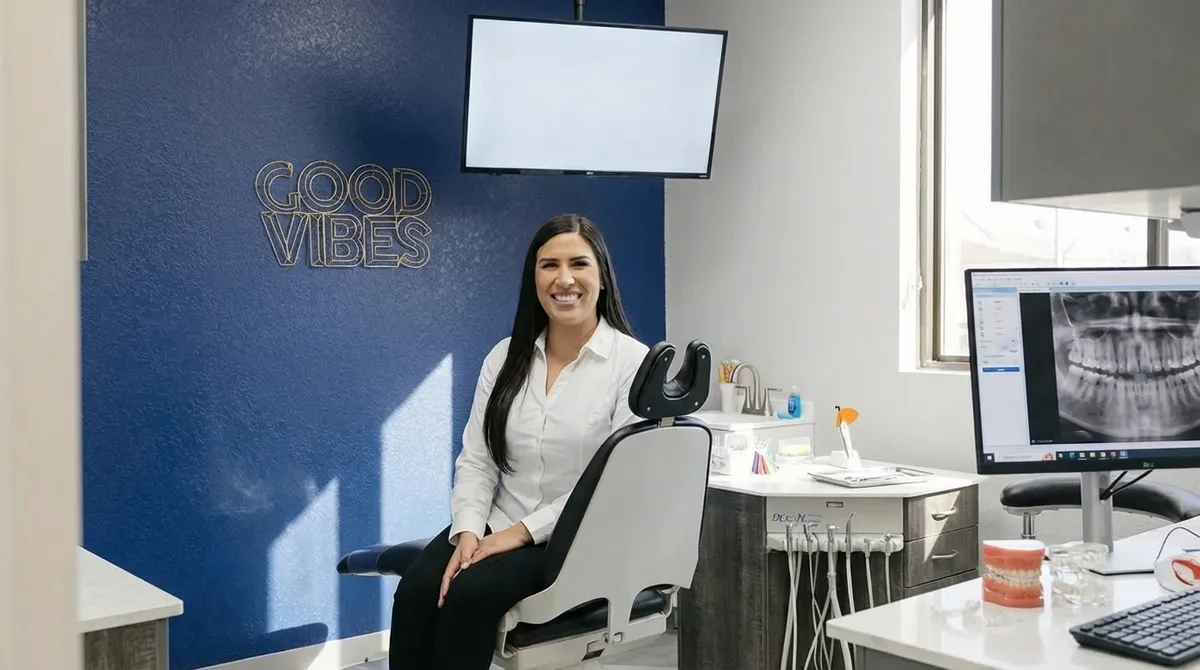
Personal rapport and communication style significantly impact treatment experience. The best orthodontist for your family should listen carefully to concerns, explain options clearly, and create a welcoming environment where patients feel comfortable asking questions. Many practices, including Brockway Orthodontics, emphasize personalized care that makes each patient feel valued throughout their treatment journey. Reading reviews on platforms like Google can provide insights into patient experiences and practice culture.
6. What to Expect During Treatment
Understanding the orthodontic treatment process helps set realistic expectations and reduces anxiety about the journey ahead. Treatment begins with a comprehensive examination including photographs, X-rays, and digital scans or impressions of your teeth. These diagnostic records allow orthodontists to analyze your bite, tooth positions, and jaw relationships in detail. Using specialized software, they create a customized treatment plan that maps the movement of each tooth from current position to ideal alignment.
After records are taken and the treatment plan is finalized, the next appointment involves placing appliances. For braces, this means bonding brackets to teeth and threading an initial wire through them—a process that typically takes one to two hours. Clear aligner patients receive their first sets of trays along with detailed instructions for wear and progression. Initial placement appointments are generally painless, though some soreness or pressure may develop over the following days as teeth begin moving.
Regular adjustment appointments occur approximately every 4-8 weeks throughout treatment. During these visits, orthodontists monitor progress, change wires or provide new aligners, and make any necessary modifications to the treatment plan. These appointments typically last 15-30 minutes. Between visits, patients must maintain excellent oral hygiene, follow wear instructions (especially crucial for aligners), and avoid foods that could damage appliances. All About Braces provides comprehensive guidance on caring for orthodontic appliances throughout treatment.
7. Retention: Protecting Your Investment
Completing active orthodontic treatment marks an exciting milestone, but the journey doesn’t end when braces come off or aligners are finished. Retention is a critical phase that maintains newly achieved alignment and prevents teeth from shifting back toward their original positions. Without proper retention, teeth naturally tend to drift, potentially undoing months or years of orthodontic work. This biological tendency makes retention protocols essential for long-term success.
Retainers come in several forms, each with specific advantages. Fixed retainers consist of thin wires bonded to the back of front teeth, providing continuous retention without requiring patient compliance. Removable retainers, made from clear plastic or acrylic with wire, offer flexibility and easy cleaning but depend on consistent wear. Most orthodontists recommend full-time retainer wear immediately after treatment, gradually transitioning to night-time wear as stability is confirmed.
Long-term retention typically involves wearing retainers at night indefinitely. While this may seem like a significant commitment, the effort is minimal compared to active treatment, and it ensures your smile remains beautiful for life. Regular retention check-ups, usually annual, allow orthodontists to monitor stability and address any minor shifting before it becomes problematic. Following retention protocols diligently protects the time, effort, and financial investment made in achieving your perfect smile.
8. Technology Advances in Modern Orthodontics
Technological innovation has transformed orthodontic care over the past decade, making treatment more precise, comfortable, and efficient than ever before. Digital scanning has largely replaced uncomfortable impression materials, using intraoral cameras to create highly accurate 3D models of teeth and jaws within minutes. These digital records improve treatment planning accuracy and can be easily shared or stored without physical space requirements.
Three-dimensional treatment visualization software allows patients to see predicted outcomes before treatment begins. This technology creates virtual representations of how teeth will move throughout treatment, helping patients understand the process and stay motivated. Computer-aided design and manufacturing enable customization of appliances to individual anatomy, improving fit and comfort while optimizing treatment efficiency.
Innovations in materials science have made orthodontic appliances more comfortable and effective. Modern wires use shape-memory alloys that exert gentle, consistent forces, reducing discomfort and accelerating tooth movement. Bracket designs have become smaller and more comfortable while maintaining strength. Clear aligner technology continues advancing, with improved materials and treatment planning algorithms expanding the range of cases that can be treated without traditional braces. The Florida Association of Orthodontists regularly updates practitioners on emerging technologies that benefit patients throughout the state.
9. The Broader Health Benefits of Orthodontic Treatment
While most people seek orthodontic care primarily for aesthetic improvement, properly aligned teeth contribute significantly to overall health and wellness. Straight teeth are substantially easier to clean effectively, reducing accumulation of plaque and bacteria that cause tooth decay and gum disease. Improved oral hygiene resulting from orthodontic treatment can decrease risks of periodontal disease, which research links to systemic health conditions including heart disease and diabetes.
Bite correction addresses functional issues beyond appearance. Proper alignment distributes chewing forces evenly across all teeth, reducing excessive wear on specific teeth and minimizing risks of fractures or premature tooth loss. Correcting bite problems can alleviate jaw pain, headaches, and temporomandibular joint (TMJ) disorders that result from improper jaw relationships. Many patients report reduced tension headaches and facial discomfort after completing orthodontic treatment.
Orthodontic treatment can also improve breathing and sleep quality in certain cases. Palatal expansion and jaw repositioning may enlarge airway passages, potentially reducing sleep apnea symptoms and improving oxygen intake during rest. Speech improvements occur when orthodontics corrects alignment issues that interfere with proper tongue positioning or pronunciation. These comprehensive health benefits make orthodontic treatment a worthwhile investment in long-term wellness, not merely cosmetic enhancement.
Conclusion
Orthodontic care in Clearwater, Florida, combines advanced technology, specialized expertise, and personalized attention to help patients of all ages achieve healthy, beautiful smiles. From early childhood evaluations through adult treatment options, modern orthodontics offers solutions for virtually every alignment concern. Understanding the range of treatment modalities, the importance of specialized care, and the long-term health benefits empowers you to make informed decisions about your orthodontic journey.
The investment in orthodontic treatment extends far beyond aesthetics, contributing to improved oral health, enhanced function, and greater confidence in both personal and professional settings. With flexible payment options and a variety of treatment choices, achieving the smile you’ve always wanted is more accessible than ever. Whether you’re considering treatment for yourself or a family member, choosing a qualified orthodontist who prioritizes personalized care ensures the best possible outcome.
Brockway Orthodontics stands ready to guide Clearwater residents through every step of their orthodontic journey, combining expertise with a welcoming environment that makes patients feel comfortable and confident. Ready to transform your smile? Book appointment online today to discover how modern orthodontics can enhance your life. Connect with us on Facebook or Instagram to see real patient transformations and learn more about the orthodontic experience.
FAQs
Q: What is the average cost of orthodontic treatment in Clearwater, FL?
A: Orthodontic treatment in Clearwater typically ranges from $3,500 to $8,000 depending on the complexity of your case and the type of treatment selected. Traditional metal braces are generally the most affordable option, while clear aligners and lingual braces cost more due to their advanced technology. Most practices offer flexible payment plans and accept insurance to make treatment accessible for families.
Q: How long does orthodontic treatment usually take?
A: Treatment duration varies based on the severity of misalignment and the chosen treatment method. Most cases are completed within 12 to 24 months, though complex cases may require up to 36 months. Clear aligners often work faster for mild to moderate cases, while traditional braces effectively handle more complex alignment issues. Your orthodontist will provide a specific timeline during your initial consultation.
Q: Can adults benefit from orthodontic treatment?
A: Absolutely. One in four orthodontic patients today is an adult, and teeth can be successfully straightened at any age. Adult orthodontics offers both aesthetic and health benefits, including improved oral hygiene, reduced risk of gum disease, and enhanced professional confidence. Modern options like clear aligners provide discreet treatment that fits seamlessly into adult lifestyles.
Q: What is the difference between a dentist and an orthodontist?
A: While both are dental professionals, orthodontists complete an additional two to three years of specialized training beyond dental school, focusing exclusively on tooth movement and facial development. This advanced education provides expertise in complex bite correction and alignment issues that general dentists typically do not address. Choosing a specialized orthodontist ensures you receive care from someone with extensive training in moving teeth safely and effectively.
Q: How do I maintain my results after orthodontic treatment?
A: Proper retention is essential for maintaining your newly aligned smile. After active treatment concludes, you will wear retainers as directed by your orthodontist—typically full-time initially, then transitioning to nighttime wear. Most orthodontists recommend lifelong nighttime retainer wear to prevent natural tooth shifting. Regular retention check-ups ensure your smile remains stable and beautiful for years to come.