Key Takeaways
-
Schedule your child’s first orthodontic evaluation by age 7 as recommended by the American Association of Orthodontists to catch developing issues early, even before all permanent teeth arrive.
-
Most children begin full orthodontic treatment between ages 9 and 14 after permanent teeth erupt; treatment typically lasts 18-24 months but can range from 6 months to 3 years depending on complexity.
-
Traditional braces are best for complex bite issues and severe crowding, while clear aligners work for mild-to-moderate cases but require children to wear them 20-22 hours daily and have strong compliance skills.
-
Clear aligners are nearly invisible and more comfortable with easier oral hygiene, but cost slightly more and work best for mature children 12+; braces are more affordable and require no compliance but are more visible.
-
Early orthodontic treatment improves jaw development, speech clarity, chewing function, and prevents need for invasive procedures like extractions or surgery—plus boosts confidence in children’s social engagement and self-esteem.
-
After treatment ends, wearing a retainer is equally important as active treatment to maintain results; choose between braces and aligners based on your child’s maturity, lifestyle, complexity of their case, and budget.
As a parent, you want the best for your child — and that includes their smile. When your child’s dentist mentions orthodontic treatment, you might feel a little overwhelmed. Should you go with traditional braces? What about clear aligners? Are they even ready for treatment yet?
You’re not alone in asking these questions! Thousands of families across Clearwater and beyond navigate the same decisions every year. The good news is that both braces and clear aligners are excellent options for children — it just depends on your child’s specific needs, lifestyle, and age. In this guide, we’ll walk you through everything you need to know so you can make a confident, informed choice for your little one.
Whether your child is in early elementary school or heading into their teen years, understanding the difference between braces and aligners is the first step. Let’s dive in together!

When Should Kids Start Orthodontic Treatment?
Timing matters a lot in orthodontics. The American Association of Orthodontists (AAO) recommends that children have their first orthodontic evaluation by age 7. At this stage, a trained orthodontist can spot developing issues — even before baby teeth are fully gone — and create a plan that works with your child’s natural growth.
Most children begin full orthodontic treatment between ages 9 and 14, once most of their permanent teeth have erupted. However, some kids benefit from early intervention (called Phase 1 treatment) starting around ages 6 to 10. You can learn more about whether your child is a candidate for early orthodontic treatment at Brockway Orthodontics.
Phase 1 vs. Phase 2 Treatment: What’s the Difference?
Here’s a quick breakdown to make it simple:
- Phase 1 (Early Intervention): This happens between ages 6 and 10. It targets specific jaw growth problems, severe crowding, or bite issues. The goal is to create space and guide jaw development before all permanent teeth arrive.
- Phase 2 (Comprehensive Treatment): This is what most people picture when they think of braces. It typically starts between ages 9 and 14 and addresses the full alignment of permanent teeth. This phase usually lasts 18 to 24 months.
- Retention Phase: After active treatment, your child will wear a retainer to keep their teeth in their new position. This step is just as important as the treatment itself!
Traditional Braces for Children: A Closer Look
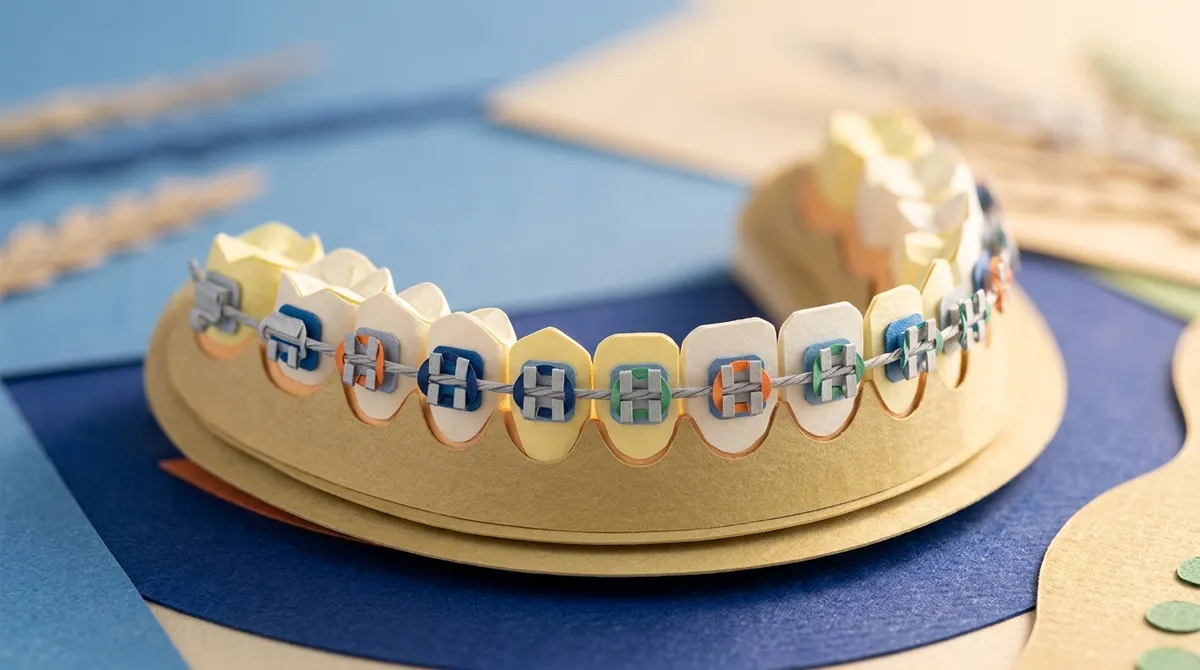
Traditional metal braces have been the go-to solution for adolescent orthodontic treatment for decades — and for good reason. They are reliable, durable, and incredibly effective for treating a wide range of alignment issues.
Braces use brackets bonded to each tooth, connected by a wire that gently guides teeth into their correct positions over time. Your child visits the orthodontist every 4 to 8 weeks for adjustments. The American Dental Association recognizes braces as one of the most proven orthodontic treatments available.
Types of Braces for Kids
- Traditional Metal Braces: The most common type. Strong, affordable, and great for complex cases.
- Ceramic Braces: Work just like metal braces but use tooth-colored brackets. Less noticeable, though slightly more delicate.
- Self-Ligating Braces: Use a special clip instead of elastic bands, which can mean fewer adjustments and a more comfortable experience.
Want to explore all your options? Check out everything you need to know on our All About Braces page.
Pros and Cons of Braces for Children
| Pros | Cons |
|---|---|
| Highly effective for complex cases | More visible on teeth |
| No compliance required (fixed in place) | Some dietary restrictions (no hard/sticky foods) |
| Works for all ages and severity levels | Can cause minor discomfort after adjustments |
| Generally more affordable | Oral hygiene requires extra effort |
| Proven track record over decades | Brackets can occasionally come loose |
Clear Aligners for Kids: What You Need to Know
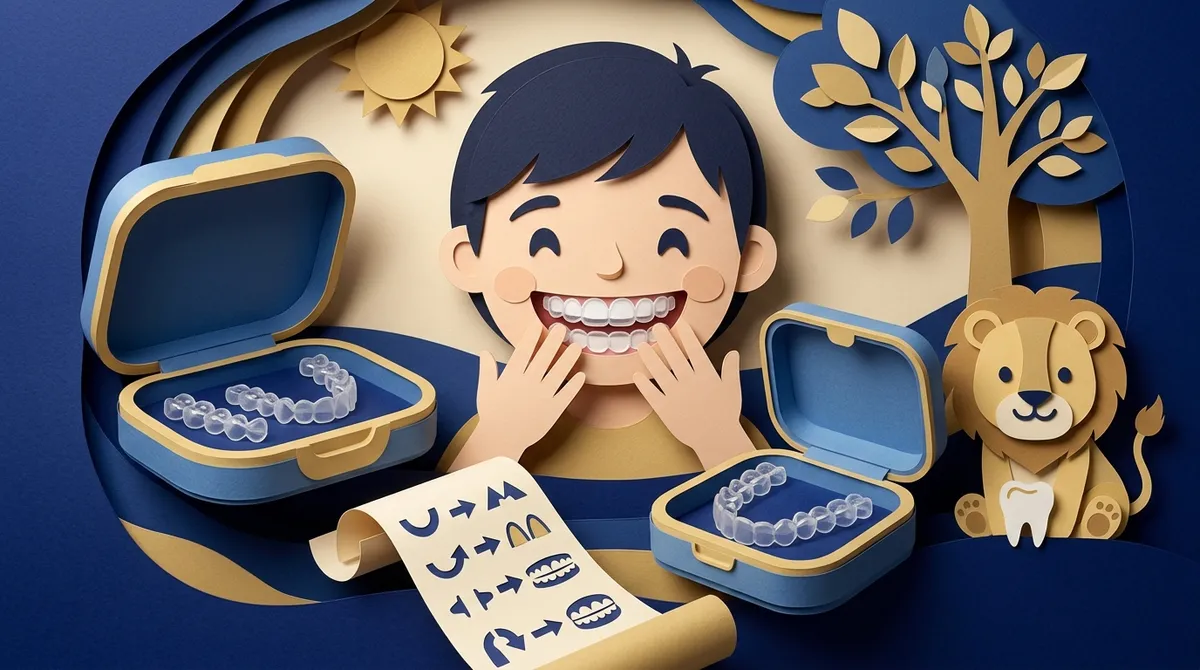
Clear aligners are a newer option that has grown enormously in popularity. These are custom-made, removable plastic trays that gradually shift teeth into alignment. They’re nearly invisible, which is a big win for kids and teens who feel self-conscious about their appearance.
At Brockway Orthodontics, we offer Spark™ Clear Aligners — a premium clear aligner system designed for comfort and effectiveness. Clear aligners are a great fit for mild to moderate alignment issues and for children who are responsible enough to wear them for 20 to 22 hours per day.
If you’re curious about all the aligner options available, our guide on the best Invisalign alternatives for straightening teeth is a great resource to explore.
Pros and Cons of Clear Aligners for Kids
| Pros | Cons |
|---|---|
| Nearly invisible appearance | Requires strong compliance (20-22 hrs/day) |
| Removable for eating and brushing | Not ideal for complex bite issues |
| No food restrictions | Trays can be lost or forgotten |
| Easier oral hygiene routine | May cost slightly more than metal braces |
| Generally more comfortable | Best suited for older, more mature children |
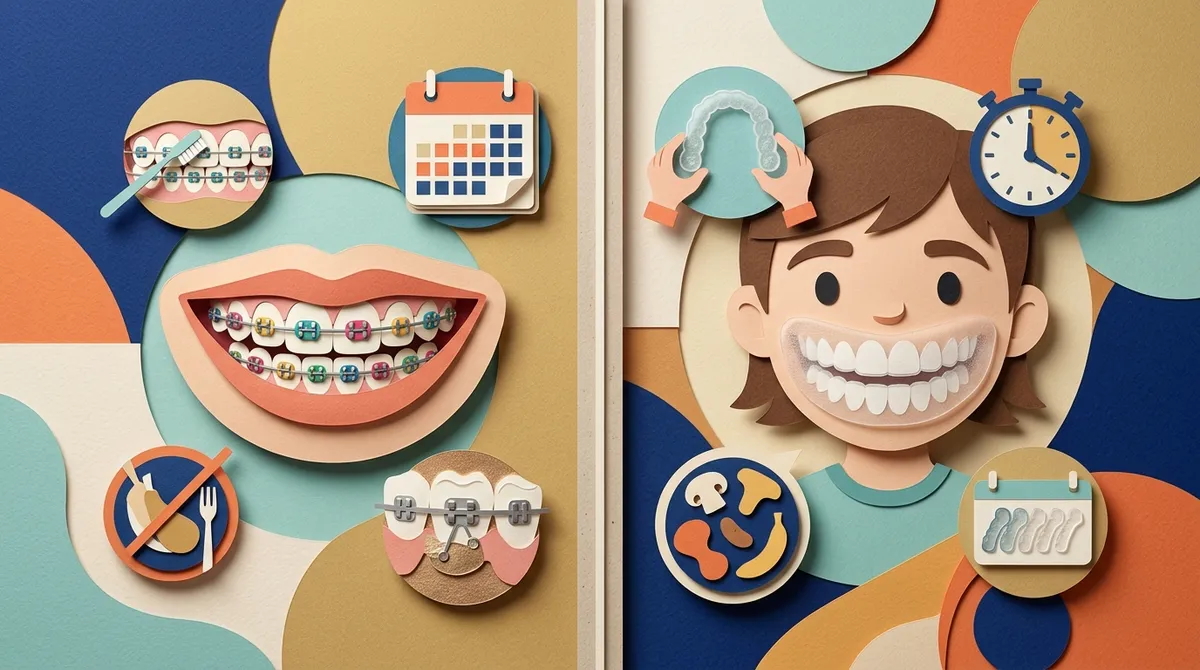
Side-by-Side Comparison: Braces vs. Clear Aligners for Children
Still not sure which one fits your child’s situation? Here’s a clear comparison to help you decide:
| Factor | Traditional Braces | Clear Aligners |
|---|---|---|
| Visibility | Noticeable (metal or ceramic) | Nearly invisible |
| Effectiveness | Best for complex cases | Best for mild to moderate cases |
| Compliance Required | Fixed — no compliance needed | Must be worn 20-22 hours daily |
| Comfort | Can cause some irritation | Generally more comfortable |
| Hygiene | Requires careful brushing/flossing | Easy — remove and clean normally |
| Treatment Duration | 18-24 months on average | 12-24 months depending on case |
| Best Age Range | Any age (8+) | Older children and teens (12+) |
| Cost | Generally more affordable | Slightly higher cost |
Signs Your Child May Need Braces
Not sure if your child even needs treatment yet? Here are some common signs to watch for:
- Crowded or overlapping teeth
- Gaps between teeth
- Overbite, underbite, or crossbite
- Difficulty chewing or biting food
- Speech issues like a lisp
- Mouth breathing or snoring
- Baby teeth fell out too early or too late
- Jaw pain or clicking sounds
If you notice any of these signs, it’s a great time to schedule a consultation. You can learn what to expect at your first visit to make the experience smooth and stress-free for both you and your child.
Why Early Orthodontic Treatment Matters
Getting braces for children at the right time isn’t just about a straight smile — though that’s certainly a wonderful benefit! Early treatment can improve jaw development, speech clarity, chewing function, and long-term oral health. It can also prevent the need for more invasive procedures down the road, like tooth extractions or jaw surgery.
The Florida Association of Orthodontists supports early screening because catching issues during active growth gives orthodontists the best window to guide teeth and jaws into healthy alignment. Think of it like catching a small weed early — it’s so much easier to address before it grows bigger!
There’s also a confidence boost that comes with a healthy smile. Kids who feel good about their teeth tend to smile more, engage more socially, and feel better about themselves overall. That’s a gift that lasts a lifetime.
How to Choose the Right Option for Your Child
The best choice between braces and clear aligners really comes down to a few key factors. Here’s a simple step-by-step process to help you decide:
- Schedule an evaluation: Have a professional orthodontist assess your child’s teeth, bite, and jaw. X-rays and photos will give a full picture of what’s happening beneath the surface.
- Consider complexity: If your child has a complex bite issue or severe crowding, traditional braces are usually the stronger option. Clear aligners work wonderfully for mild to moderate cases.
- Think about your child’s maturity: Clear aligners require responsibility. If your child tends to lose things or forget routines, braces may be a better fit since they stay in place 24/7.
- Factor in lifestyle: Active kids in contact sports may find aligners easier to remove for games. On the other hand, braces require no daily habit changes beyond a bit of extra brushing.
- Talk about budget: Both options are often covered by dental insurance. Our team can help you explore financing and insurance options to make treatment affordable.
What to Expect During Treatment
Once your child starts treatment, here’s what a typical journey looks like:
- Consultation and records: X-rays, photos, and impressions or digital scans to plan treatment
- Fitting day: Brackets placed (braces) or first set of aligners delivered
- Adjustment appointments: Every 4-8 weeks for braces; every 6-10 weeks for aligners
- Progress monitoring: Regular check-ins to ensure teeth are moving on track
- Debond/completion day: The exciting moment braces come off!
- Retainer fitting: A custom retainer to lock in those beautiful results
Treatment typically lasts 18 to 24 months, though cases can range anywhere from 6 months to 3 years depending on complexity and compliance. Throughout the process, good oral hygiene habits are essential. Encourage your child to brush after every meal and floss daily.
Caring for Braces at Home
Keeping braces clean doesn’t have to be a chore — it just takes a little routine-building! Here are some helpful tips for parents:
- Use a soft-bristled toothbrush and fluoride toothpaste after every meal
- Invest in a water flosser or orthodontic floss threaders for easy flossing
- Avoid sticky candies, hard nuts, popcorn, and chewy foods that can damage brackets
- Rinse with fluoride mouthwash to protect enamel during treatment
- Wear a mouthguard during sports to protect braces and teeth
For clear aligners, the routine is even simpler — remove them before eating or drinking anything other than water, rinse them after removal, and brush before putting them back in.
Your Child’s Smile Journey Starts Here
Choosing between braces and clear aligners for your child is a big decision, but you don’t have to figure it out alone. At Brockway Orthodontics, Dr. Brockway and our warm, friendly team are here to guide your family every step of the way. We treat every patient like family and create personalized treatment plans that fit your child’s unique needs and your family’s lifestyle.
We’re proud to serve families across Clearwater as a trusted, compassionate orthodontic practice. You can visit us on Google to read what other families are saying about their experience with us — and we think you’ll feel right at home before your first appointment even begins!
Follow along with our latest patient stories, tips, and smile transformations on Facebook to get a feel for the fun, welcoming environment we’ve built at our practice.
Ready to take the first step toward your child’s best smile? We’d love to meet your family. Schedule your child’s free consultation today and let’s figure out the best path forward — together!
FAQs
Q: When should my child get their first orthodontic evaluation?
A: Great news — you can start early! The American Association of Orthodontists recommends a first orthodontic evaluation by age 7. At this age, an orthodontist can spot developing issues and plan ahead, even if treatment isn’t needed right away.
Q: What age do most kids start wearing braces?
A: Most children begin full braces treatment between ages 9 and 14, once most of their permanent teeth have come in. However, some kids may start earlier with Phase 1 treatment if there are specific jaw or bite concerns that need early attention.
Q: How long do braces take for children?
A: On average, braces treatment lasts about 18 to 24 months — though every child’s journey is a little different! Cases can range from as short as 6 months to as long as 3 years, depending on the complexity of the alignment issues and how well your child follows their orthodontist’s guidance.
Q: Are clear aligners a good option for younger children?
A: Clear aligners tend to work best for older children and teens (generally 12 and up) who have most of their permanent teeth and the maturity to wear them consistently for 20 to 22 hours a day. For younger kids, traditional braces are often the more reliable choice since they stay in place around the clock.
Q: What are the benefits of getting braces for children early?
A: Early orthodontic treatment can do so much more than straighten teeth! It can improve jaw development, make chewing and speaking easier, prevent more serious issues later on, and give your child a confidence boost that makes them want to show off their smile every day.