Key Takeaways
-
Missing teeth do not disqualify you from braces; orthodontists treat patients with missing teeth regularly by creating customized treatment plans focused on either closing gaps or maintaining space for future implants.
-
Before starting braces with missing teeth, your orthodontist will verify healthy gums, sufficient jawbone density, no untreated cavities, and clear treatment goals to ensure you’re eligible for treatment.
-
The location of missing teeth significantly impacts treatment planning, with different approaches for front teeth, premolars, and molars, but all locations are manageable with proper orthodontic design.
-
Getting braces with missing teeth offers multiple benefits including preventing neighboring tooth drift, improving bite alignment, preparing space for implants, and boosting confidence during treatment progression.
-
Dental implants should be placed after braces are removed, not before, because braces need to position natural teeth first; placing implants beforehand can complicate the orthodontic process.
-
Clear aligners with pontics (tooth-colored placeholders) are a viable option for mild-to-moderate missing tooth cases, providing aesthetic improvements during treatment while teeth are being repositioned.
If you have one or more missing teeth, you might wonder if braces are even an option for you. The good news? Missing teeth do not automatically disqualify you from orthodontic treatment. In fact, many patients at orthodontic practices across the country start braces with gaps in their smile — and they finish with beautiful, healthy results. The key is having a personalized treatment plan that accounts for your unique situation. Whether you’re a parent exploring options for your child, a teen who lost a tooth in an accident, or an adult ready to finally address your smile, this guide will walk you through everything you need to know about getting braces with missing teeth.

The Short Answer: Yes, You Can Get Braces With Missing Teeth
Orthodontists treat patients with missing teeth all the time. According to multiple orthodontic experts, missing teeth are a common scenario — not a rare exception. What matters most is the overall health of your gums, your jawbone density, and what you want to achieve. Your orthodontist will build a custom plan around your specific needs. You can explore what a personalized plan looks like by visiting your first visit at Brockway Orthodontics.
There are generally two goals when treating patients with missing teeth using braces:
- Close the gap: Move surrounding teeth together to fill the empty space naturally.
- Hold the space open: Keep the gap clear so a future dental implant or bridge can be placed later.
Both goals are completely achievable with the right treatment approach. The American Dental Association emphasizes that coordinated care between your dentist and orthodontist leads to the best outcomes for complex cases like these.

What Makes You Eligible for Braces With Missing Teeth?
Not everyone with missing teeth is automatically cleared for braces. Your orthodontist will check a few key things before starting treatment.
Key Eligibility Factors
- Healthy gums: Gum disease must be treated before braces can begin.
- Sufficient jawbone: Your bone needs to be strong enough to support tooth movement.
- No untreated cavities: Active decay must be addressed first.
- Clear treatment goals: You and your orthodontist agree on whether to close or maintain the gap.
- Overall oral health: A general dental checkup is usually required before starting.
If any of these issues exist, don’t worry. Your orthodontist will coordinate with your dentist to get everything in order before treatment begins. Think of it as laying a solid foundation before building a house.

Where Are the Missing Teeth? It Matters!
The location of your missing tooth plays a big role in treatment planning. Here’s a quick look at common missing-tooth scenarios and how they’re handled:
| Missing Tooth Location | Common Treatment Approach | Braces Compatible? |
|---|---|---|
| Front teeth (incisors) | Space maintenance or gap closure | Yes |
| Premolars | Gap closure or implant preparation | Yes |
| Molars (1-4 missing) | Bite correction + space management | Yes |
| Multiple teeth | Multi-phase planning with dentist | Yes, with coordination |
No matter where the gap is, your orthodontist can design a plan around it. You can learn more about adult-specific treatment options through adult treatment at Brockway Orthodontics.
Types of Braces That Work Well With Missing Teeth
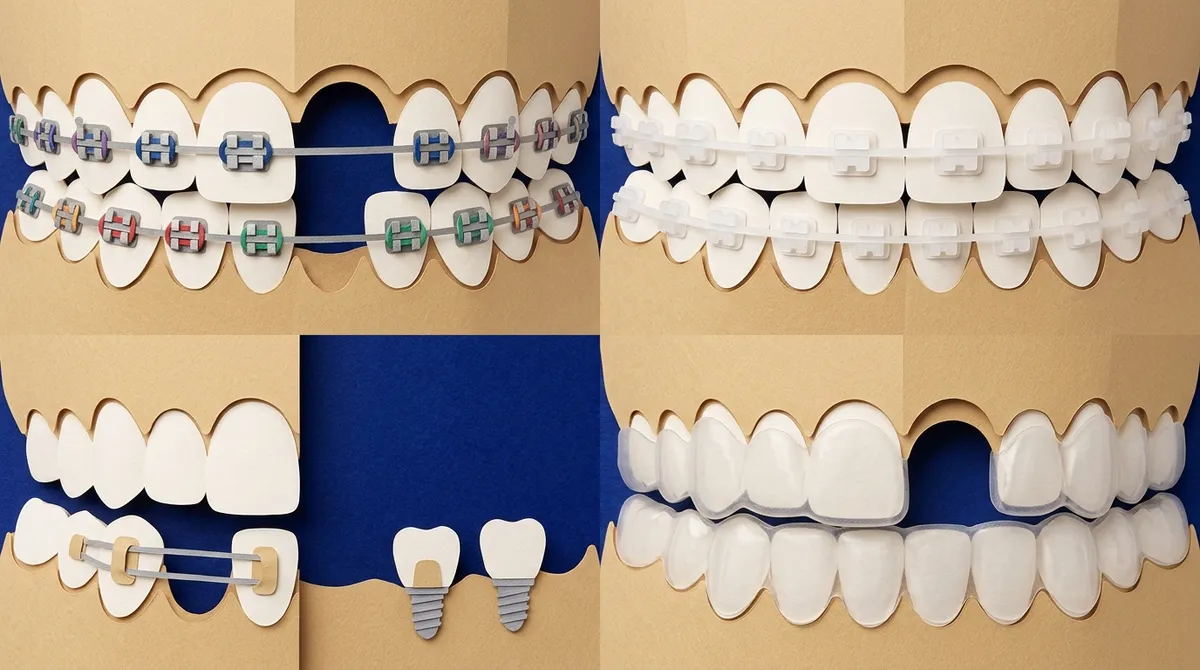
You have more options than you might think. Here’s a breakdown of the most common treatment types used for patients with missing teeth:
| Treatment Type | How It Helps With Missing Teeth | Best For |
|---|---|---|
| Traditional metal braces | Precise tooth movement and gap control | Complex cases, teens, kids |
| Ceramic braces | Same function as metal, more discreet | Adults and older teens |
| Clear aligners (with pontics) | Tooth-colored filler in gap for aesthetics | Mild-to-moderate cases |
| Temporary anchorage devices (TADs) | Anchors movement without a tooth in the gap | Cases needing extra stability |
Clear aligners can include a pontic — a small tooth-colored placeholder that fills the visual gap while your teeth are being moved. This is a great cosmetic solution during treatment. Learn more about clear aligner options by visiting Spark™ Clear Aligners at Brockway Orthodontics.
5 Benefits of Getting Braces Even With Missing Teeth
Some people put off orthodontic treatment because of missing teeth, thinking they should wait until the gap is filled. But there are actually great reasons to move forward sooner rather than later.
- Prevent neighboring teeth from drifting: When a tooth is gone, the teeth next to it naturally start to shift. Braces stop this from happening.
- Improve your bite: Gaps can throw off your bite, causing jaw discomfort. Braces correct this.
- Prepare for future implants: Braces can position your teeth perfectly so a future implant fits just right.
- Boost your confidence: Even during treatment, your smile improves as alignment progresses.
- Protect your jawbone: Proper alignment reduces uneven pressure, which helps preserve bone over time.
For patients who have already had orthodontic work in the past and are now dealing with shifts around a missing tooth, our adult orthodontics page has helpful information on retreatment options.
What About Space Maintainers?
If your orthodontist wants to keep a gap open for a future restoration, they may use a space maintainer. This is a small device that holds the empty space in place so nearby teeth don’t drift into it. Space maintainers are especially common in children and teens who have lost teeth early.
Space maintainers can often be used alongside braces as part of a coordinated treatment plan. This is something the team at early orthodontic treatment at Brockway Orthodontics is experienced in handling for younger patients.
Steps to Getting Braces With Missing Teeth
Wondering what the process actually looks like? Here’s a simple step-by-step overview:
- Schedule a consultation: Your orthodontist evaluates your teeth, gums, and bone health.
- Get dental clearance: Any cavities or gum disease are treated first by your dentist.
- Create a treatment plan: Your orthodontist maps out whether to close or maintain the gap.
- Choose your appliance: Together, you decide on braces, clear aligners, or a combination approach.
- Begin treatment: Braces are placed and regular adjustments begin.
- Coordinate restorations: When braces come off, your dentist places any needed implants or bridges.
- Wear your retainer: A retainer holds everything in its new position long-term. Learn more about retainers and why they matter.
The Florida Association of Orthodontists recommends that patients with complex dental situations — including missing teeth — work with a licensed orthodontist rather than attempting any DIY alignment solutions.
Common Questions About Braces and Missing Teeth
Can Kids or Teens Get Braces With Missing Teeth?
Absolutely! Children and teenagers are actually some of the most common patients treated with missing teeth. Baby teeth fall out, permanent teeth may be delayed, or a tooth may have been lost due to injury. Adolescent treatment is often tailored to account for these situations. The jaw is still growing, which can actually make tooth movement easier and faster.
Is Invisalign or a Clear Aligner Possible With Missing Teeth?
Yes! Clear aligners can work well for many missing-tooth cases. Your provider may include a pontic (a fake tooth placeholder) in your aligner to fill the visual gap while teeth are being moved. Not every case is ideal for aligners, so your orthodontist will let you know if it’s the right fit. Check out our guide on clear aligners vs. braces to compare your options.
Do I Need a Dental Implant Before or After Braces?
In most cases, implants come after braces. This is because braces need to move your natural teeth into their ideal positions first. Once everything is aligned properly, your dentist can then place the implant in exactly the right spot. Trying to place an implant before braces can actually complicate the process since implants don’t move with your other teeth.
How Brockway Orthodontics Helps Patients With Missing Teeth
At Brockway Orthodontics, every patient gets a fully customized treatment plan. Dr. Brockway takes the time to understand your dental history, your goals, and any existing gaps before recommending a path forward. The practice welcomes patients of all ages — kids, teens, and adults — and is experienced in handling complex cases including those involving missing teeth.
Want to see real smile transformations? Check out the smile gallery to see what’s possible. You can also visit us on Google to read reviews from patients who’ve been through treatment and love their results.
Missing Teeth and Braces: A Quick Comparison Guide
Still unsure which treatment path is right for you? Here’s a quick comparison to help:
| Your Situation | Recommended Next Step | Timeline Estimate |
|---|---|---|
| One missing molar, healthy gums | Braces to correct bite + prep for implant | 12–24 months |
| Missing front tooth (aesthetic concern) | Clear aligners with pontic or gap closure | 12–18 months |
| Child with delayed permanent tooth | Space maintainer + early orthodontics | Varies by growth |
| Multiple missing teeth + bite issues | Multi-phase plan with dentist coordination | 18–36 months |
These timelines are general estimates. Your actual timeline depends on your specific case. To get an accurate idea, the best first step is a consultation. You can schedule your free consultation today and get personalized answers from a real orthodontist.
Final Thoughts: Don’t Let Missing Teeth Hold Back Your Smile
The bottom line is simple: missing teeth do not have to stop you from getting the smile you want. Whether you’re looking to close a gap, prepare for an implant, or simply straighten your other teeth, braces or clear aligners can absolutely be part of your plan. The most important thing is to talk to a qualified orthodontist who can evaluate your specific situation and guide you in the right direction.
At Brockway Orthodontics, we believe everyone deserves a confident, healthy smile — no matter the starting point. If you have missing teeth and questions about your options, we’re here to help. Learn more about our orthodontic services or reach out to our friendly team today. We’d love to be part of your smile journey!
FAQs
Q: Can I get braces with missing teeth if my gums aren’t healthy?
A: Great question! Gum health is really important before starting braces. If you have gum disease, your dentist will need to treat it first — but once your gums are healthy, you’re often good to go. Think of it as getting your foundation in great shape before building something wonderful on top!
Q: Can you get braces if you have missing molars?
A: Absolutely! Missing molars are one of the most common scenarios orthodontists see. Braces can help correct your bite, prevent neighboring teeth from drifting, and even prepare the space perfectly for a future dental implant. It’s a very manageable situation with the right plan in place.
Q: What is a pontic in clear aligner treatment?
A: A pontic is a small tooth-colored placeholder that your clear aligner provider can add to your aligner tray to fill in the visual gap where a tooth is missing. It makes your smile look more complete during treatment — so you can go about your day feeling confident while your teeth are still being moved into place!
Q: Should I get a dental implant before or after braces?
A: In most cases, it’s best to get braces first and the implant afterward. Braces move your natural teeth into their ideal positions, then your dentist can place the implant right where it belongs. Placing an implant before braces can complicate things since implants are fixed and won’t move with your other teeth.
Q: How do orthodontists plan treatment for multiple missing teeth?
A: When several teeth are missing, your orthodontist typically works hand-in-hand with your dentist or oral surgeon to create a multi-phase plan. This might include space management, bite correction, and prep for restorations — all timed carefully to give you the best possible outcome. It’s a team effort, and you’re the star of the team!
Our Service Area